Factory-Direct School Uniform Manufacturing for Canada
Canada School Uniform Manufacturers — CCPSA-Compliant, Bilingual Labeling, Engineered for -30°C Winters
Factory-direct school uniforms purpose-built for Canadian schools. Full CCPSA compliance with bilingual EN/FR labeling sewn in at the factory, advanced 3-layer systems designed for extreme cold, and Delivered Duty Paid straight to your school door. One all-in price. Zero customs surprises.
- Bilingual EN/FR labels with CA Number sewn in
- Batch-level CCPSA & SOR/2016-188 certificates
- Reliable DDP shipping to major Canadian ports
Why Sourcing School Uniforms
for Canada Is Different
Extreme temperatures, strict CCPSA regulations, mandatory bilingual labeling, and complex school board structures — generic overseas suppliers aren't built for this.
Extreme Temperature Range
Canada spans -40°C winters to +30°C summers. A generic uniform catalog designed for temperate climates fails Canadian students. Fabrics must be engineered for thermal performance, moisture management, and wind resistance across a 70°C temperature swing — not picked off a shelf.
CCPSA Regulatory Framework
The Canada Consumer Product Safety Act imposes specific safety, flammability, and chemical requirements. Most overseas manufacturers have never heard of CCPSA, let alone built a compliance process around it.
Bilingual Labeling Is Mandatory — Not Optional
Canadian law requires English/French labeling on every garment. Most suppliers treat it as a retrofit — printing stickers after production. That fails CBSA inspection and delays your shipment.
School Board Procurement Structures
Canadian school boards operate on multi-year procurement cycles with phased delivery by term, multi-school distribution, and strict documentation requirements. A supplier that only handles single-bulk orders cannot support the operational reality of a Canadian school district.
Logistics Across the Second-Largest Country on Earth
Canadian schools span six time zones, from Vancouver Island to St. John's. Your supplier needs multi-port DDP capability with final-mile delivery to any school address — not just a single drop-off point.
A supplier that truly understands Canada doesn't treat it as just another export market.
3 Biggest Risks When Sourcing Uniforms
for Canadian Schools (and How We Eliminate Them)
Three risks that can derail a uniform program — and how we eliminate each one before it reaches your school.
Regulatory Non-Compliance
Shipments rejected by CBSA at the border. Your school board faces legal exposure under CCPSA, wasted budget, and students without uniforms when term starts. One missed drawstring specification or missing CA Number can hold an entire container.
Full batch-level CCPSA documentation — drawstring safety, flammability, chemical limits — with bilingual EN/FR labels and CA Number sewn in at the factory, not applied after. Full specs in the Compliance section below.
Climate-Inappropriate Fabrics
Students freeze during outdoor transitions and recess. Parents file complaints with the school board. Your uniform committee loses credibility with the parent community — and has to manage an emergency mid-year replacement program.
Custom 3-layer system engineered to your climate zone — every layer specified by GSM, breathability, and hydrostatic head. All fabrics batch-tested with mill certificates before production. Full specs in the Winter Performance section below.
Labeling Errors & Logistics Delays
A missing French translation on a care label or an incorrect CA Number triggers a CBSA hold. Your shipment sits at the port while your procurement team scrambles to resolve it — and your school opening date doesn't move.
Bilingual labels sewn in during production with zero-tolerance AQL inspection before shipment. All Canadian orders shipped DDP — we handle customs, duties, and GST/HST as importer of record. Full details in the DDP Shipping section below.
CCPSA Compliance & Bilingual Labeling
— Built In, Not Added Later
CCPSA compliance and bilingual EN/FR labeling built into manufacturing — not slapped on as an afterthought.
CCPSA Compliance
Drawstring Safety (SOR/2016-188)
Drawstrings on hoods/necks of garments newborn to size 12 must not exceed 76.2 mm. No toggles or knots permitted. All cord ends bartacked to prevent fraying. Inspected on every garment before packing.
Flammability (CAN/CGSB-4.2 No. 27.1)
All fabrics tested for surface flash and flame spread time. Sleepwear meets CAN/CGSB-4.2 No. 27.5 for tight-fitting or flame-resistant requirements. Test reports included in batch documentation.
Chemical Content Limits
Lead ≤ 90 mg/kg. Phthalates ≤ 1,000 mg/kg. Every fabric batch screened for 100+ restricted substances under OEKO-TEX Standard 100 Class I certification — safe for infant and children's wear.
Bilingual EN/FR Labeling
EN/FR Sewn In at Source
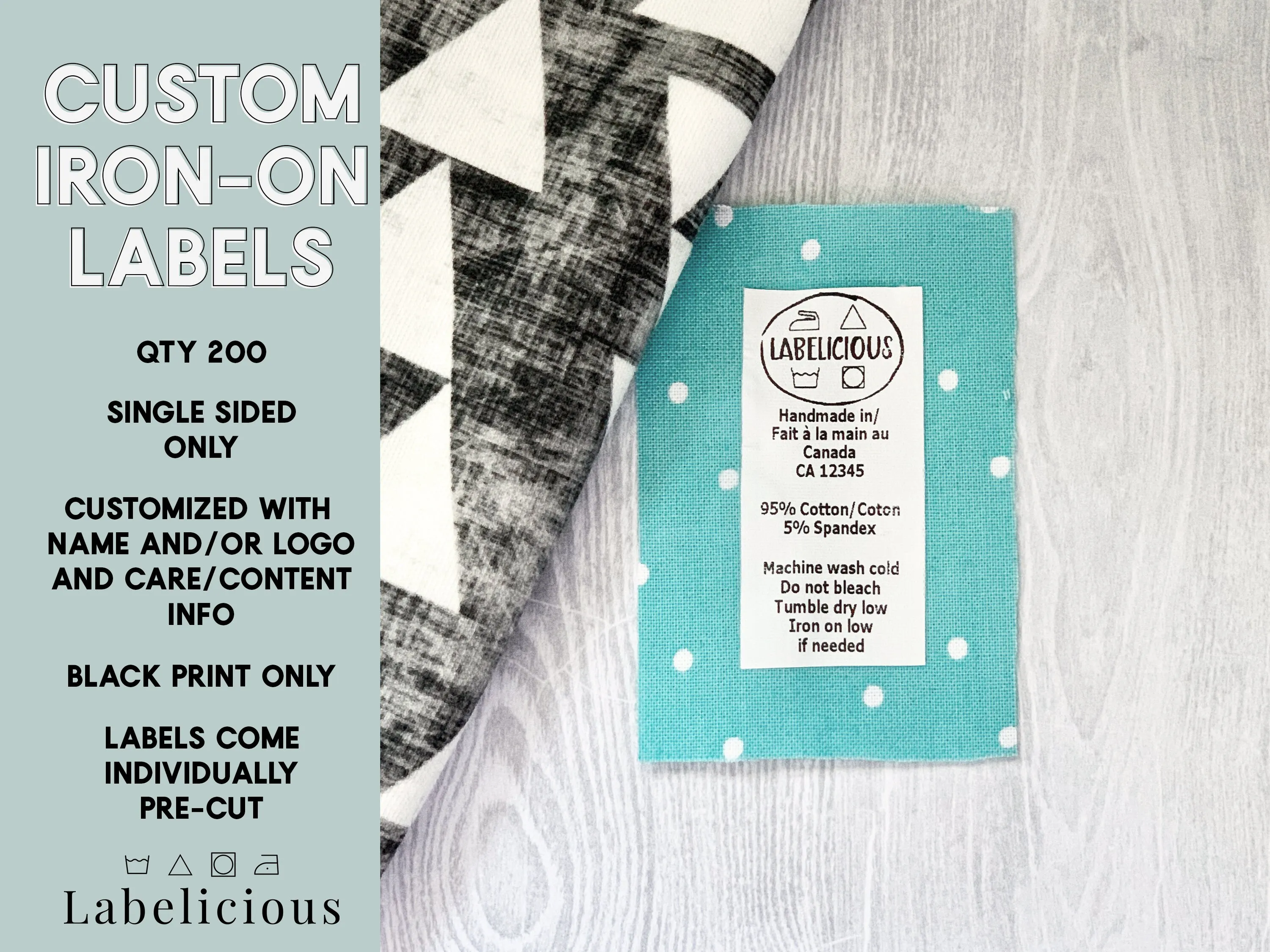
All care labels, size tags, fiber content labels, and hang tags are manufactured with bilingual English/French text and sewn in during production — not applied as stickers or heat transfers after the garment is made. This satisfies the Consumer Packaging and Labelling Act (CPLA) and the Textile Labelling Act.
CA Identification Number
Every label includes the CA Identification Number identifying the Canadian dealer under CCPSA. Included as standard — no surcharge, no special request form, no afterthought.
Zero-Tolerance AQL Label Inspection
Before any shipment leaves the factory, 100% of labels on a random sample carton are verified for language accuracy, CA Number correctness, and physical placement. A single label error triggers a full carton re-inspection. This is the same gate that catches what other suppliers miss.
Engineered for Canadian Winters:
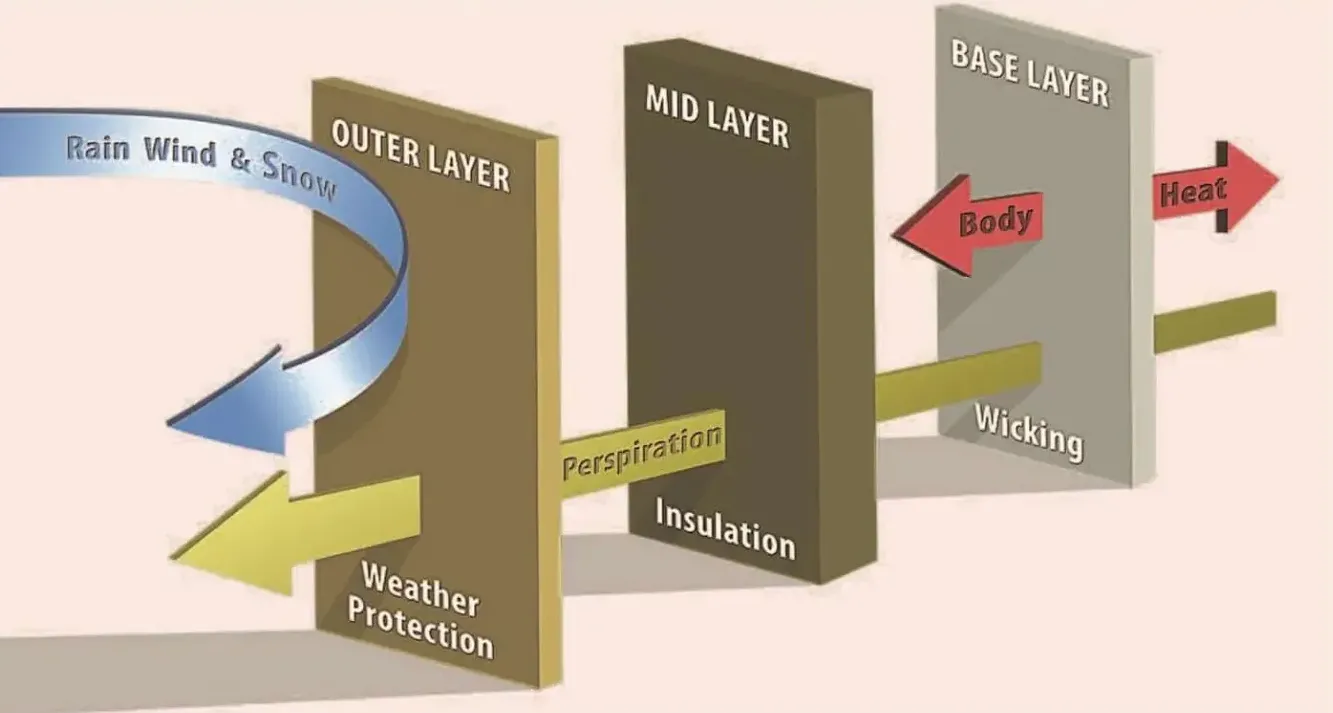
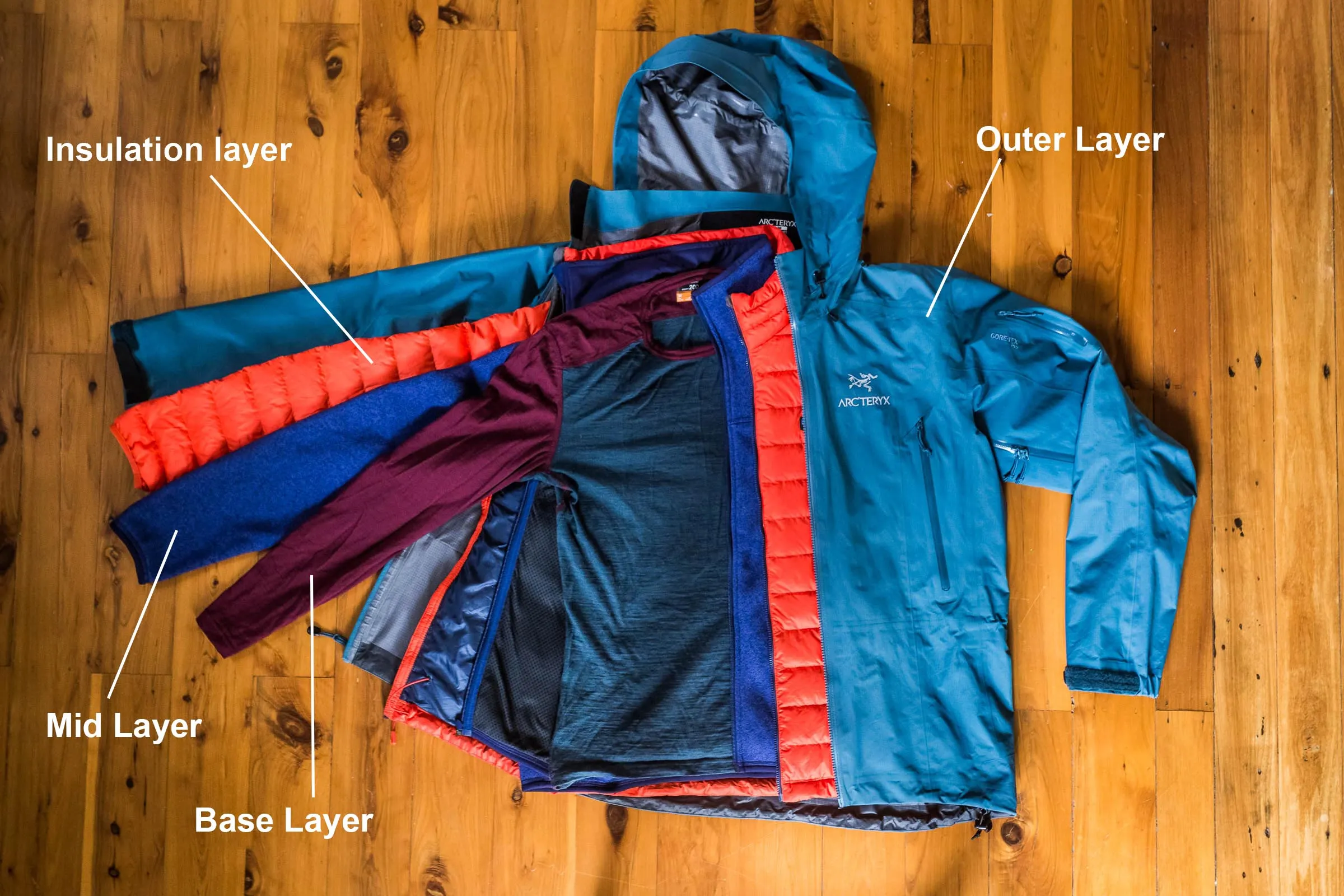
3-Layer Performance System
Every layer specified by GSM weight, breathability rating, and hydrostatic head for your school's climate zone — not picked from a generic catalog.
Base Layer
Moisture-Wicking Thermal
Wicking rate ≥ 800 g/m²/24h MVTR (JIS L 1099 A-1). Keeps students dry during indoor-to-outdoor transitions. Flatlock seams prevent chafing. Anti-microbial treatment for all-day wear.
Mid Layer
Heavyweight Insulating Fleece
280–350 GSM heavyweight fleece. Breathable insulation that traps body heat without the sauna effect inside heated classrooms. Anti-pill finish maintains appearance through repeated wash cycles.
Outer Layer
Windproof / Waterproof Shell
Rated hydrostatic head for wet snow and freezing rain. Windproof membrane rated to your school's climate zone. Reinforced seams at stress points. Designed for recess, bus lines, and outdoor transitions in -30°C conditions.
Every fabric batch is tested before production approval.
Mill certificates for fabric composition, GSM weight, and membrane performance are provided for each layer. No fabric is cut until you sign off.
Real Results:
Canadian Schools That Switched to LantaoWork
Real results from Canadian school boards and independent schools that switched to LantaoWork.
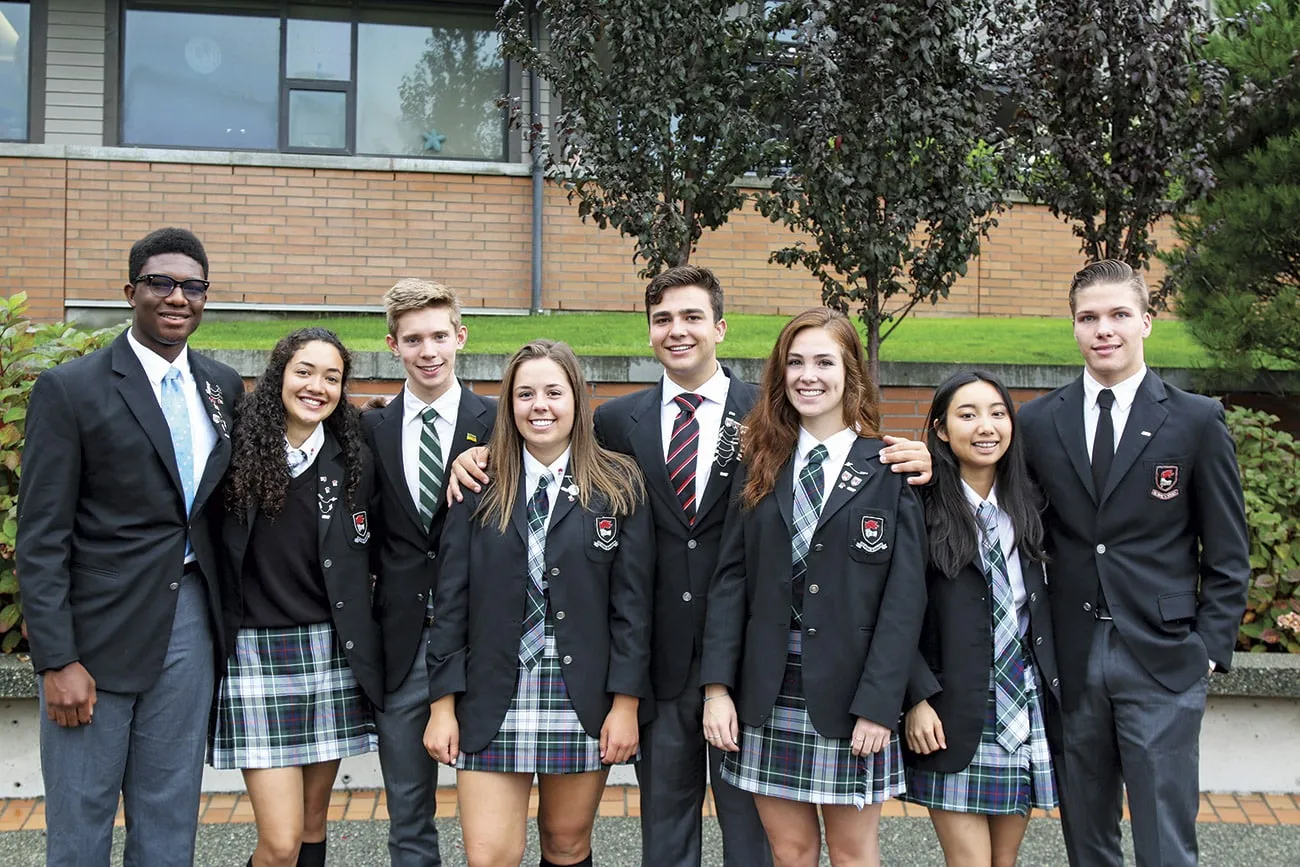 01
01 18-School District Rollout
— Ontario Catholic School Board
Previous supplier provided incomplete documentation and post-applied labels, causing customs delays and multiple legal reviews by the school board. Some students also complained about insufficient warmth during outdoor activities.
Factory-sewn bilingual EN/FR labels with CA Number, organized batch CCPSA certificates, and climate-specific 3-layer systems with reinforced mid layer for Ontario winters.
The board's legal team approved all documents in one review. Parent complaints about cold uniforms dropped by over 85% after the first winter term. Excellent wash durability led to high re-order rates.
“The compliance documentation was organized and complete — it saved us weeks of back-and-forth. The uniforms held up extremely well through the harsh Ontario winter.”
— Procurement Director, Ontario Catholic School Board
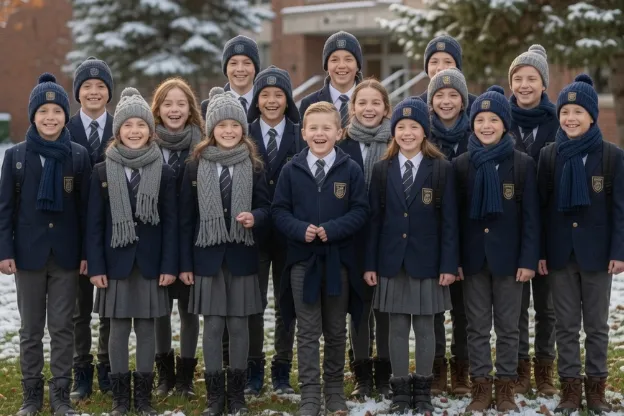 02
02 Extreme Cold Climate Program
— Alberta Independent School
Alberta's temperatures often drop below -30°C. Previous uniforms lacked sufficient warmth, leading to frequent parent complaints. Bilingual labeling also failed to meet requirements.
Optimized 3-layer system for prairie extreme cold — enhanced base layer wicking with wind/waterproof outer shell, factory-sewn bilingual labels, and full mill certificates with low-temperature test reports.
Almost zero complaints about warmth during the first winter. Uniforms maintained excellent appearance after repeated washing. The school signed a three-year agreement.
“LantaoWork is the first supplier that actually understands Canadian winters. The layering system works, and the compliance paperwork was flawless. Parents finally stopped calling us about cold uniforms.”
— Uniform Program Coordinator, Alberta Independent School
Reliable Factory-to-School
DDP Shipping Across Canada
We handle freight, customs, duties, and GST/HST as the importer of record. You receive uniforms at your school door — one all-in price in CAD, zero customs paperwork.
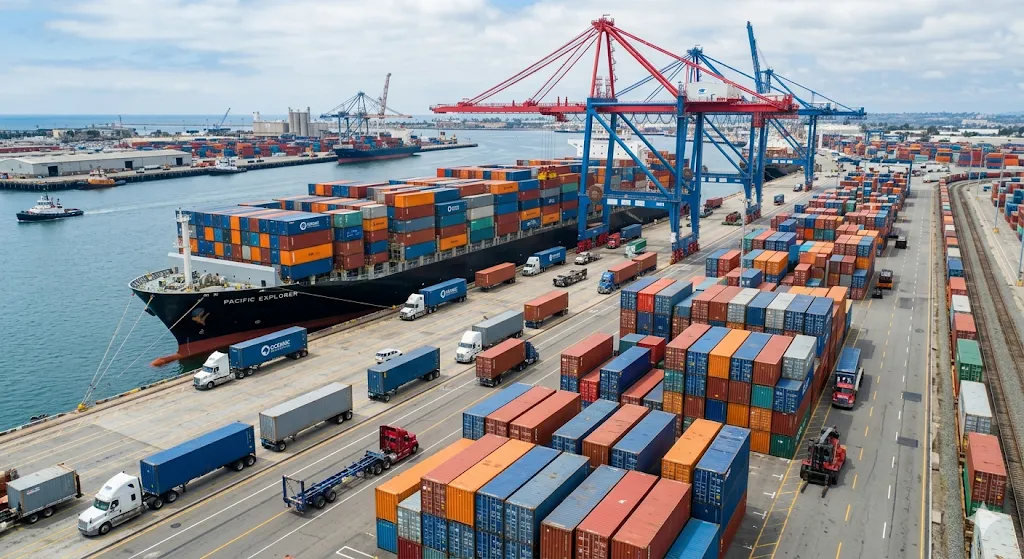
DDP Shipping Route
Canadian School Delivery Calendar
Order by Apr–May
Production Jun–Aug. Delivery Sep — ready for the new school year. Includes sizing exchange window and phased delivery by grade level. Buffer built in for your distribution timeline.
Order by Oct–Nov
Production Dec–Jan. Delivery Feb–Mar for the January intake. Covers new enrollments, replacement sizing, and new school openings joining the board program mid-year.
Lock pricing with annual PO
Secure multi-year DDP pricing in CAD with one purchase order. Schedule phased deliveries by term. Includes annual spec review, fabric allocation reserve, and guaranteed production capacity for your program.
AQL Label & Safety Playbook
Pre-Shipment QC • Zero Tolerance
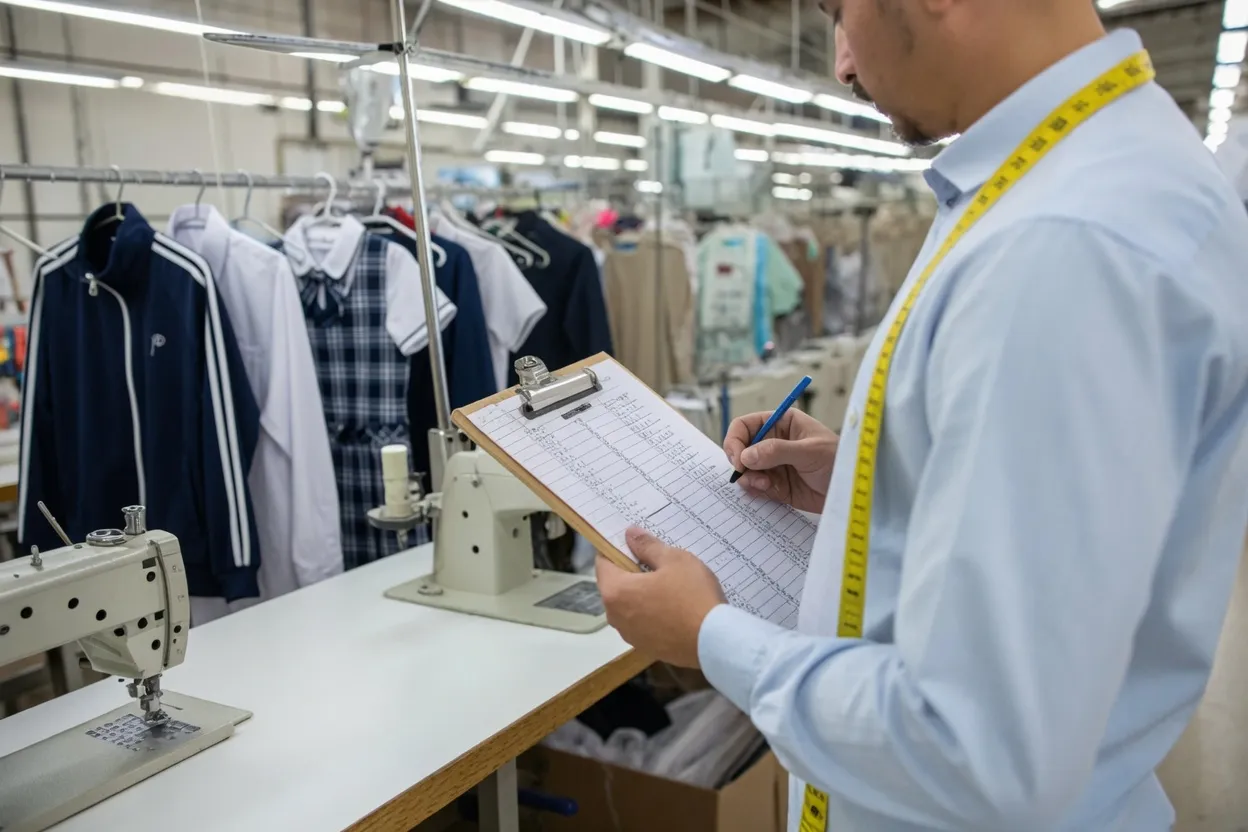
Sample Approval
EN/FR label mockups signed off before bulk production begins.
Tech Pack Lock
CA Number, font size, exact wording filed in production spec sheet.
Pre-Production QC
Pilot run labels inspected for language, CA Number, and placement.
AQL Inspection
100% label check on random sample carton — zero tolerance, no exceptions.
Hold & Correct
Any failure stops shipment. Photo evidence required before release.
Frequently Asked Questions
About School Uniform Manufacturers in Canada
+ − Do you provide full CCPSA documentation with every shipment?
Yes. Every shipment includes batch-level compliance certificates organized by school — legal-ready. See the Compliance section above for full specs.
+ − Are bilingual EN/FR labels sewn in at the factory?
Yes, as standard. EN/FR labels with CA Number are sewn in during manufacturing, not applied after. Zero-tolerance AQL inspection before every shipment.
+ − How do you handle extreme cold weather performance?
Custom 3-layer system engineered to your climate zone. All fabrics batch-tested with mill certificates. See the Winter Performance section above for full specs.
+ − What does DDP shipping cover and how does it work?
We handle freight, customs, duties, and GST/HST as importer of record. Standard 6–8 week door-to-door cycle. One all-in price in CAD — no customs paperwork, no surprise charges. See the DDP Shipping section above for full details.
+ − What is the MOQ and typical production timeline?
100 pcs per style/color. 30-day production, 18–22 days ocean freight. Total cycle: 6–8 weeks. Rush orders and multi-year PO programs available.
Have a question not covered here? Talk to our Canada team directly.
SCHOOL UNIFORM PROCUREMENT GUIDES & RESOURCES
School Uniforms by Market

Top 8 School Uniform Manufacturers in Canada: Trusted Vendors
Cut back-to-school supply risk: 10 vetted Canadian school uniform makers with factory audits and ESG data.

90-Day School Uniform Program: 99.8% Fill Rate
School uniform program: 90 days to 100% back-to-school readiness with 99.8% fill rate for K-12 groups.
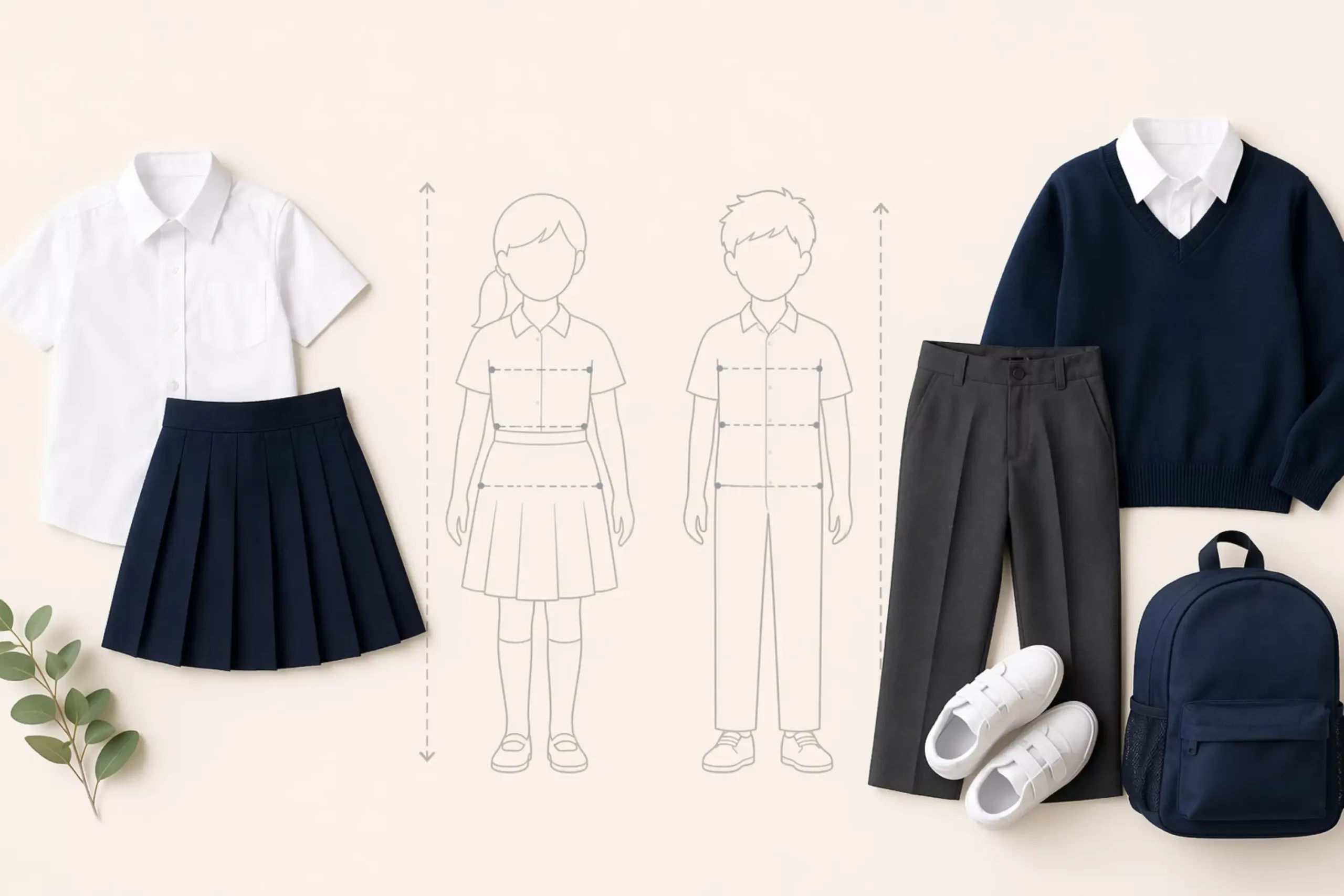
Essential School Uniform Size Guide: Avoid Costly Sizing Errors
School uniform size guide from 1,000 fit failures and 40 chart audits — a repeatable SOP for accurate bulk sizing.
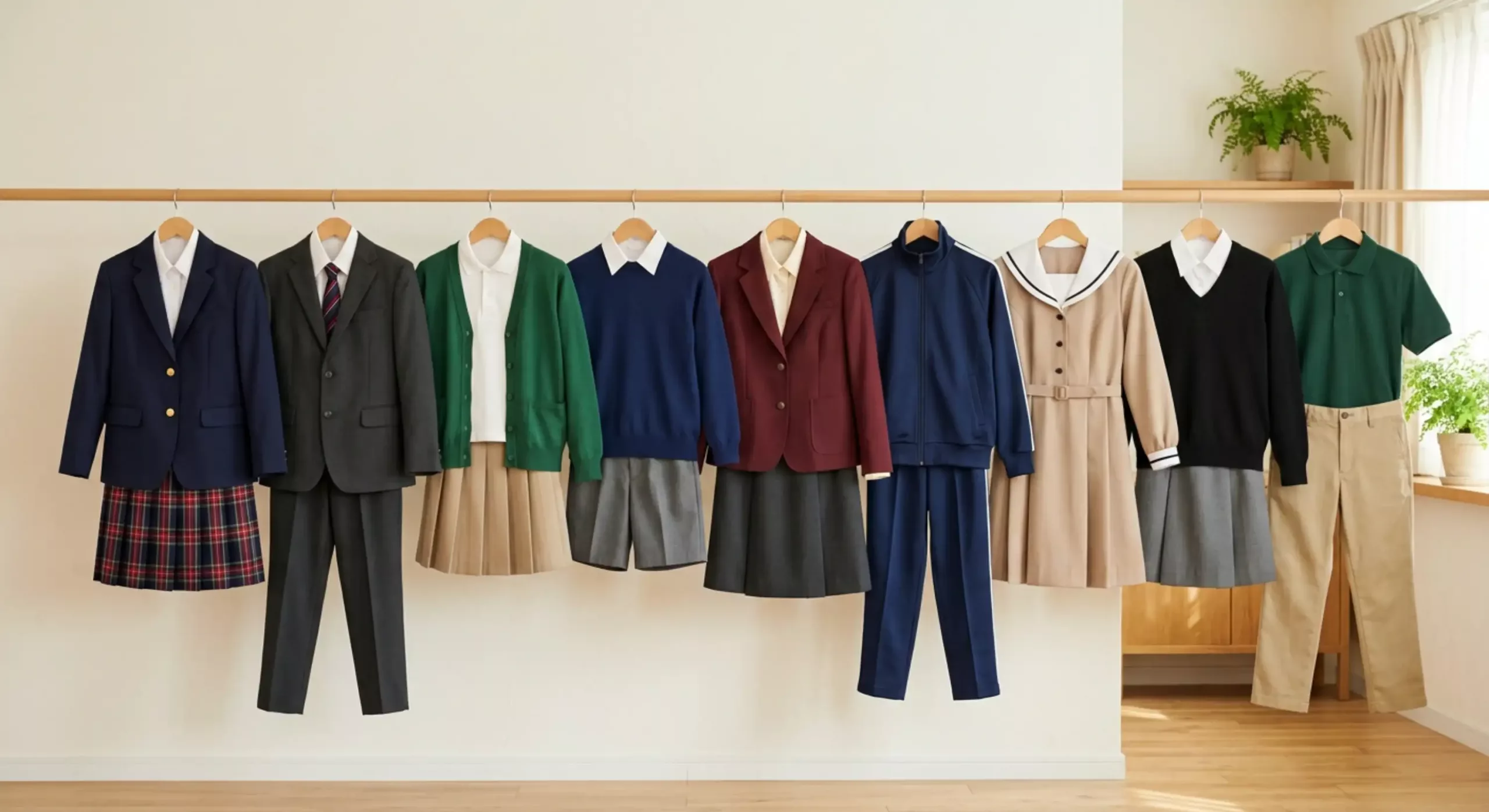
8 Essential School Uniform Types: Simplify Bulk Procurement
8 essential school uniform types: buy by procurement logic, not fashion labels, to simplify bulk ordering and cut waste.
Ready to Outfit Your Canadian School
With Factory-Direct Uniforms?
Send us your garment list and school timeline. We'll reply within 48 hours with your compliance package, DDP pricing in CAD, and winter delivery schedule.
Get Your Compliance Package & Quote