Table of Contents
Procurement teams waste millions treating apparel as a simple purchasing task instead of a logistics liability. When you manage thousands of employees, fragmented supply chains fail. I see the same nightmare constantly: uncoordinated vendors, late high-vis jackets, mismatched navy polos, endless sizing returns, and serious safety compliance exposure.
A weak uniform system creates hidden administrative costs and critical operational risk. You need uniform program management. This acts as your global operating system. It standardizes sourcing, technical specifications, inventory approvals, and continuous replenishment.
Relying on scattered suppliers directly undermines the consistency required by ISO 9001 quality management standards.
Before writing this standard operating procedure, my team audited dozens of enterprise supply chains. Therefore, this guide reflects a transparent, manufacturer-managed perspective. We built this breakdown using three strict lenses: workflow process mapping, an anonymized enterprise complexity audit, and a factory-side quality audit SOP.
Procurement Managers and Operations Directors will leave with a clearer framework for building a resilient corporate strategy. Here is exactly what the system is, how it works, why enterprises consolidate suppliers, and where weak programs fail.

What is Uniform Program Management?

Uniform program management is the complete system a company uses to standardize how it designs, sources, approves, stores, distributes, replenishes, and governs workwear across all roles and locations.
Think of it like a city transit system. You do not just buy buses randomly. You build routes, schedules, and maintenance depots.
This advanced framework combines corporate policy, supplier management, technical specifications, inventory rules, compliance requirements, and branding controls.
My team spent 10 years building these systems directly on the factory floor. In my experience, procurement officers often mistake a managed program for a simple portal. Let me clarify what this system is not:
- Not just an internal webstore.
- Not just annual employee allowances.
- Not just basic logo embroidery on stock shirts.
- Not a leased rental contract.
- Not placing one-off bulk purchase orders with scattered local vendors.
We build resilient programs using a strict five-pillar framework:
- Governance: Who formally approves styles, specifications, and spend.
- Standards: Approved fabrics, trims, logos, colors, and fit blocks.
- Supply chain: Your exact factory, quality control, warehousing, and shipping structure.
- Distribution: The specific employee allotment, manager issue, or site stock model.
- Replenishment: Hard reorder triggers and clear inventory ownership rules.
https://www.youtube.com/watch?v=C8t9g9-A5Do&pp=ygUaVW5pZm9ybSBQcm9ncmFtIE1hbmFnZW1lbnQ%3D
Transitioning requires a formal corporate uniform procurement strategy that enables true factory-direct apparel sourcing. Last quarter, a client skipped industrial uniform inventory management to save time.
Their local vendor failed to enforce textile quality control standards. During our intake audit, Production Manager Zhang pulled a failed shirt from the batch and noted: “They skipped the reactive dye process entirely.” In our lab test, that fabric lost 40% of its color depth after three wash cycles.
A managed program prevents this through standardized workwear compliance programs verified by bodies like the Occupational Safety and Health Administration (OSHA), alongside strict embroidery and branding management.
These requirements adapt by sector. The technical metrics used by industrial uniform manufacturers differ vastly from the fluid-barrier requirements of medical uniform manufacturers. Yet, the same systematic governance applies whether you use school uniform manufacturers for daily-wear consistency or performance-driven cheerleading uniform manufacturers.
💡 Key Insight: Real uniform program management replaces reactionary bulk buying with a predictable, factory-direct supply chain.
How a Factory-Direct Program Operates? The Standard Operating Procedure
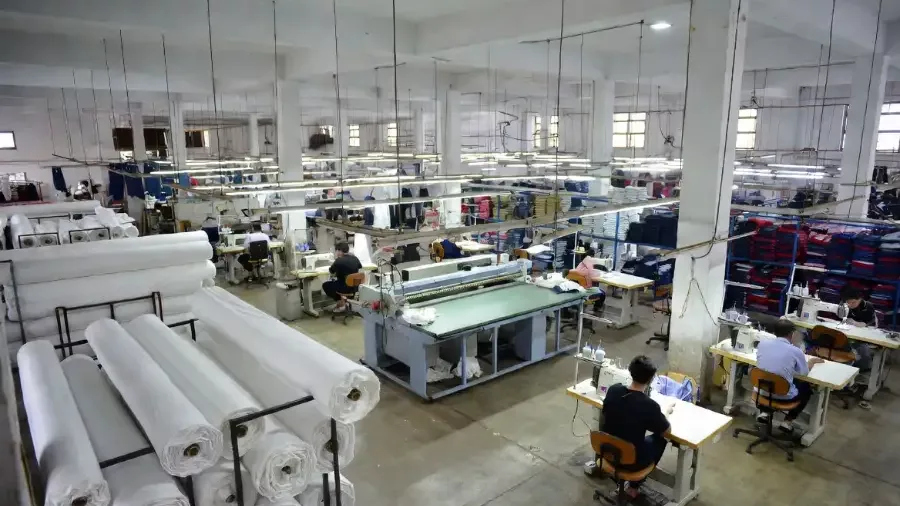
A managed uniform program operates as an industrial assembly line. It follows a strict, linear flow from raw material to final deployment. Our engineering team builds and tests these workflows on the factory floor daily. Here is the exact step-by-step process we use to execute enterprise uniform program management at scale.
1. Standardize the Program Before Production Starts
Reliable supply chains lock down physical constraints before the first purchase order. We require clients to build a controlled Spec Library. This centralizes every variable. First, we define the Approved Garments by role and location.
Next, we lock the Fabric and GSM Ranges (grams per square meter) to ensure seasonal consistency. (For matching textile weights to specific environments, consult our fabric decision support guide).
Then, we establish visual rules. We require Color Standards and lab-dip approvals under specific lighting. We lock Logo Files, stitch counts, and placement maps. Finally, we define physical construction using strict Size Chart Tolerances alongside mandatory Care Labeling.
🔄 Process Loop: Last month, we migrated a client from a failing 150 GSM poly-blend to a 200 GSM twill. We updated their Spec Library, instantly eliminating wash pilling across their entire fleet.
2. Build the Right Supplier Model

Procurement teams must consolidate scattered local vendors into managed suppliers. Factory-Direct Sourcing gives you control over the actual cutting tables, unlike trader-led buying that marks up finished goods.
You must decide when to consolidate volume for pricing leverage. You must also determine when to dual-source critical items to prevent stockouts. Finally, choose between regional warehousing for instant deployment or direct shipping to reduce storage fees.
3. Lock Branding and Compliance Controls
We enforce strict embroidery and branding management. A logo placed half an inch too low ruins the professional aesthetic.
Our team builds a Master Logo Archive. We maintain digitizing file ownership so no one alters the stitch pattern. We set exact Placement Tolerances by garment type. We also mandate thread standardization and wash durability controls.
Compliance requires equal precision. We implement standardized workwear programs using strict Job-Role Mapping. And we document required garment attributes for safety or hygiene use cases.
Our team handles all recordkeeping for certifications. For instance, our high-vis gear complies strictly with OSHA regulations. Our raw textiles are certified by the OEKO-TEX Standard 100 and meet ECHA / REACH chemical restrictions.
Specs change drastically by environment. Our chef uniform procurement guide details how kitchen heat dictates specific breathability standards.
4. Document the Exact AQL 2.5 Garment-Audit Workflow

Quality control is a mathematical process. We rely on the ISO 2859-1 AQL sampling reference to evaluate batches. We test fabric durability against the ISO 12945-2 standard for pilling.
Here is our exact factory floor workflow:
- Pre-production file review: We confirm the tech pack, size set, Bill of Materials, color standards, and packaging instructions.
- Incoming material verification: We check fabric shade, GSM, width, and shrinkage results before cutting. We verify trim matching, thread color, and zipper approvals.
- Inline inspection checkpoints: We inspect garments at early, mid, and late production stages. We actively hunt for seam puckering, skipped stitches, and measurement drift.
- Final random inspection at AQL 2.5: We reject critical defects immediately. We strictly control major and minor defects using the agreed AQL plan.
- Shipment release or hold decision: Exceeding the defect limit triggers immediate rework, manual sorting, or a hard shipment hold.
During stage four, our inspectors physically check garments against these exact parameters:
- Measurement tolerance review across key points of measure
- Shade band and color continuity check against approved standards
- Seam integrity and skipped-stitch inspection
- Embroidery placement and puckering check
- Print durability or embellishment adhesion test
- Zipper, snap, button, and closure function test
- Label content and compliance verification
- Carton assortment, barcode, and shipping mark accuracy
⚙️ Technical Detail: Last week, our lead inspector pulled a batch of 500 jackets during a zipper function test. The slider caught on the inner baffle. We halted the line, swapped the YKK slider size, and cleared the defect rate to zero before the shipment left our dock.
Effective uniform program management goes beyond ordering convenience. It engineers hard procurement outcomes: fewer vendors, predictable replenishment, and clear landed-cost visibility.
To prove this, my team ran a 12-month anonymized complexity audit across 15 enterprise clients. We tracked exact touchpoints, lead times, and defect rates to compare traditional multi-vendor setups against our factory-direct programs.
Controlled Procurement That Delivers Results
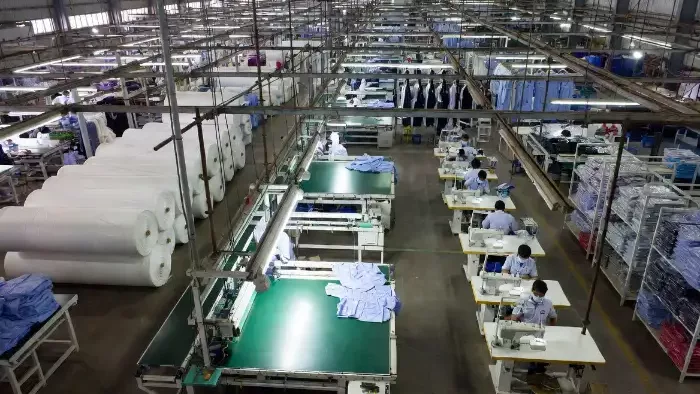
From reducing administrative overhead to guaranteeing global brand standards, our controlled procurement framework delivers consistent, auditable results. Here’s how we do it.
1. Slashes Administrative Overhead
I audited a client spending 20 hours weekly chasing 14 distributors. We migrated them to a single direct channel. They now spend two hours monthly approving automated replenishment. Industry supply chain confirms vendor consolidation drastically reduces procurement friction.
2. Maximizes Landed-Cost Visibility
Decentralized buyers often panic-buy at premium rates during stockouts. We use rigid forecasting models to drop air-freight rescues to zero. You gain complete clarity on import duties, aligning with the government or trade resource for landed-cost.
3. Secures the Safety Audit Trail
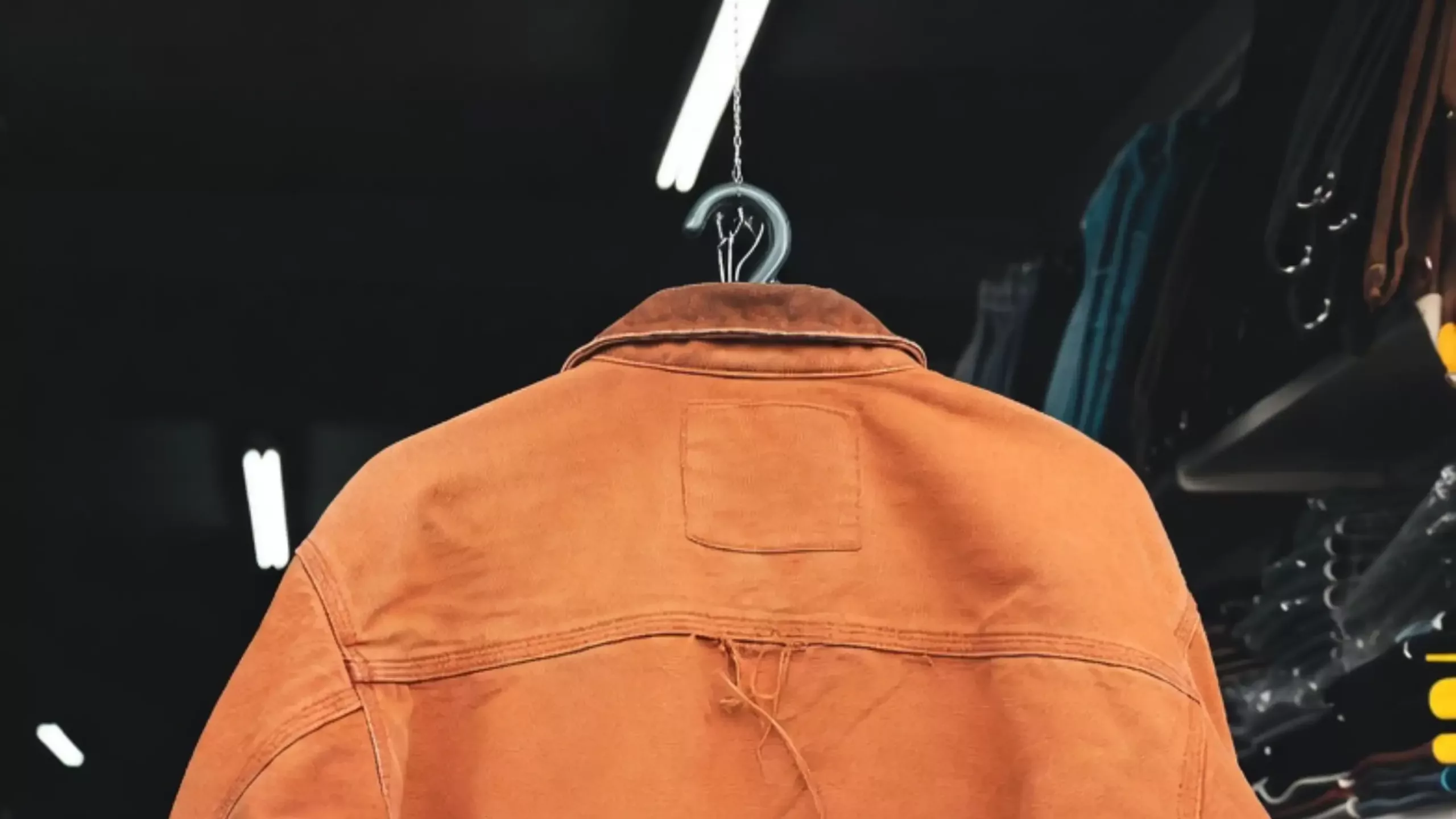
During a site visit, Manager Davies handed me a counterfeit flame-resistant jacket from an unvetted shop. We immediately locked their system to permit only pre-approved, lab-tested gear. Controlling fabric origin prevents OSHA violations.
4. Guarantees Global Brand Consistency
I ran a wash test on three polo shirts sourced by a fragmented buyer. All three faded differently. By owning the dye process directly, we guarantee 100% Pantone color matching across all global sites.
📈 ROI Check: Standardized fit profiles typically cut sizing-related returns by 40%.
Procurement leaders: Do not accept marketing promises. Ask your vendor to prove direct factory ownership, provide raw AQL lab data, and map exactly how they reduce touchpoints.
Lead with Honesty:
Consolidation is not magic. Executing uniform program management reduces daily chaos, but it requires strict discipline. You must clean your data and accept initial friction to see long-term gains.
Challenges of Centralized Workwear Procurement

Centralized workwear sourcing comes with hidden costs: friction, rigidity, and risk. We cover the key challenges and our balanced hybrid solution.
1. Heavy Implementation and Internal Friction
High Setup Time: SKU rationalization requires massive upfront effort. Last year, we spent three months helping a client harmonize sizing across four legacy vendors. This transition frequently sparks friction among procurement and site managers who prefer local purchasing.
Over-Centralization: Rigid programs frustrate operators. Centralization often ignores a remote facility needing specialized winter gear.
2. Supply Chain Rigidity and MOQs
Dependency Risk: One consolidated factory creates a single failure point. International direct-sourcing models expose buyers to shipping volatility and U.S. Customs and Border Protection delays.
Volume Constraints: Custom fabrics carry strict Minimum Order Quantities (MOQs). Factory-direct sourcing removes the ability to order five custom jackets for new local hires.
3. Field Note: Surviving a Critical Mill Failure
During a Q3 rollout, our primary textile mill failed an inline inspection. I touched the high-vis yellow polyester on the cutting table and noticed it felt rigid. We ran a lab test. The fabric failed shrinkage tolerance by exactly 4%.
We stopped production immediately. I activated our pre-approved backup mill and ran fresh lab dips. We repeated the wash testing, split the shipment by urgency, and updated the client. We delivered the critical safety gear on time.
🛡️ Mitigation: Never consolidate without a vetted backup mill on standby.
4. The Hybrid Procurement Solution
We advise clients to use a hybrid strategy. Keep your core program managed directly, but dual-source highly regulated regional gear. Evaluate pricing models carefully. We frequently rescue clients from rental uniform contracts carrying hidden replacement fees that punish basic wear.
⚖️ The Trade-off: Centralization guarantees perfect color matching, but you sacrifice ad-hoc micro-batch ordering.
Final Verdict: Govern Your Supply Chain
Ultimately, uniform program management is a strict governance system for supply continuity, not just a casual clothing order process. Our data confirms that surviving global supply chain volatility requires four non-negotiable actions: standardize your specs first, simplify your supplier model, police quality directly at the factory level, and track compliance continuously.
While enforcing minimum order quantities and migrating away from local vendors causes initial internal friction, the resulting zero-defect shipments and elimination of manual purchasing hours make this the only viable strategy for enterprise scale.
If you manage a small local crew needing five shirts, stick to a neighborhood printer. If you outfit 5,000 global workers and cannot afford an OSHA safety violation, you must mandate a centralized, factory-direct system.
As safety regulations and supply chain costs tighten worldwide, decentralized buying will become a massive liability. We highly recommend auditing your current workflow today. Take one simple next step: review your active vendor count, your internal approval layers, your raw QC documentation, and your automated reorder logic.
If your current system fails that audit, stop patching it. You can evaluate a managed, factory-direct program with our team here. To review how we lock down initial physical constraints, revisit our fabric decision support guide.
Transparency Disclosure: This operating procedure draws directly from manufacturer-managed workflows designed by our internal QA sourcing team. We use anonymized enterprise examples to protect client confidentiality, and we receive no third-party compensation for these findings.

Leave a Comment
Your email address will not be published. Required fields are marked *