Table of Contents
Enterprise buyers often waste thousands by selecting uniform fabrics based on hand feel alone. My time auditing supply chains has shown this to be a costly mistake. The real tradeoffs lie in employee comfort, OSHA safety compliance, brand presentation, and long-term replacement costs.
You must treat textiles as a strict sourcing decision. We break down weave construction, weight ranges, durability signals, and testing standards. Once mapped, you can confidently vet industrial uniform manufacturers for your rollout.
Main Popular Uniform Fabrics
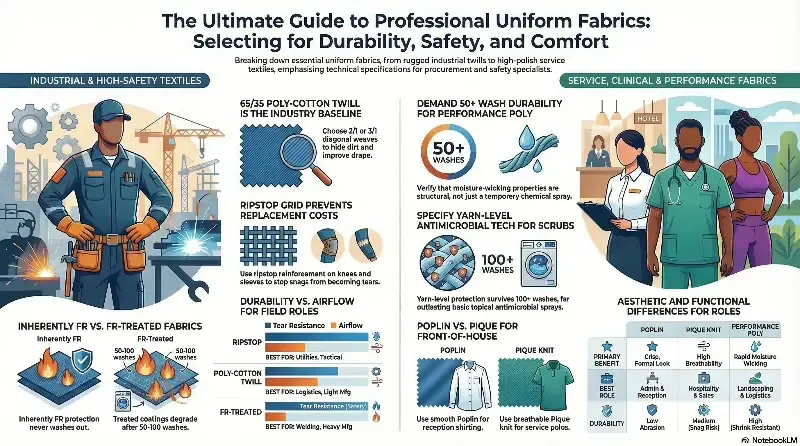
1. Poly-Cotton Twill
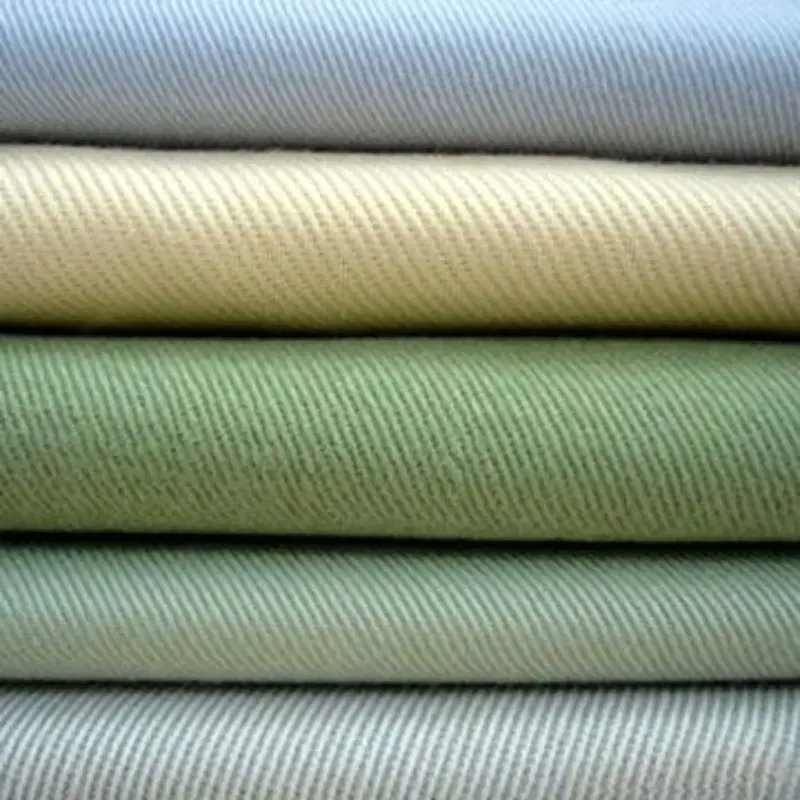
Buyers constantly tell us they hate when pants shrink after three industrial washes. If you need a reliable baseline without exotic pricing, specify midweight 65/35 poly-cotton twill. This blend dominates general-duty uniform fabrics because it outlasts 100% cotton and breathes better than 100% polyester.
For the best balance, request a 2/1 or 3/1 diagonal twill weave. In our production runs, we find this structure hides dirt and drapes far better than a standard flat poplin weave.
| Specification | Rating | Best Fit Roles |
|---|---|---|
| Durability | High | Logistics, Light Manufacturing |
| Comfort | Medium | Delivery Drivers, Retail |
| Care | Low | Facilities Management |
🛡️ Our Verdict: Never trust a fabric’s hand feel alone. We vet suppliers by demanding official test reports. Always ask your vendor for documented ISO 12947 abrasion results, AATCC colorfastness scores, and shrinkage targets below 3%. If they hesitate, find a new partner.
https://www.youtube.com/watch?v=9WZG7KWNyG0
2. Ripstop
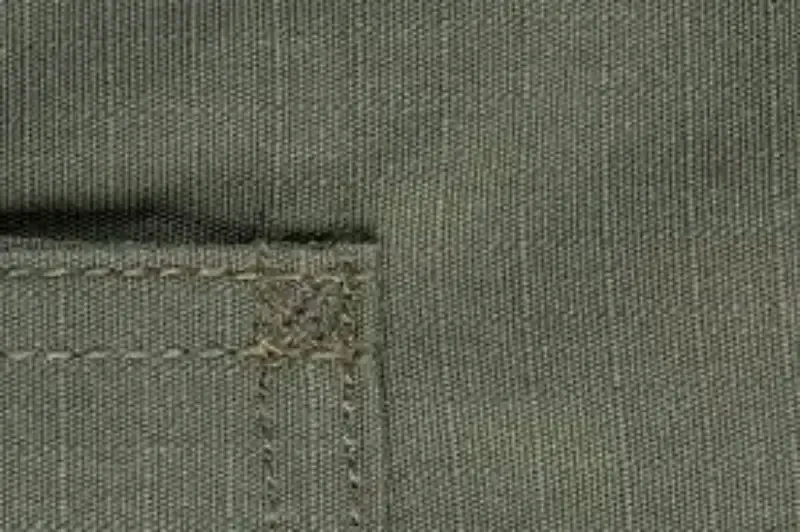
I constantly see teams burn budgets replacing uniform fabrics because a stray wire caught a worker’s sleeve. If snags destroy your gear, spec ripstop.
Ripstop features a distinct grid of thick reinforcement threads. When a tear starts, it stops at the next line. This drastically reduces early garment replacement for utilities, field service, and tactical roles.
But higher tear resistance sacrifices comfort. The heavy grid restricts airflow and feels stiffer than twill. Do not use ripstop for indoor roles requiring softness.
| Fabric | Tear Resistance | Airflow | Best For |
|---|---|---|---|
| Ripstop | High | Low | Utilities, Tactical |
| Twill | Medium | Medium | Indoor, Light Industrial |
⚡ Power Move: Mix materials to optimize budgets. Place ripstop on high-snag areas like knees, and use breathable twill for the main body.
3. Performance Polyester
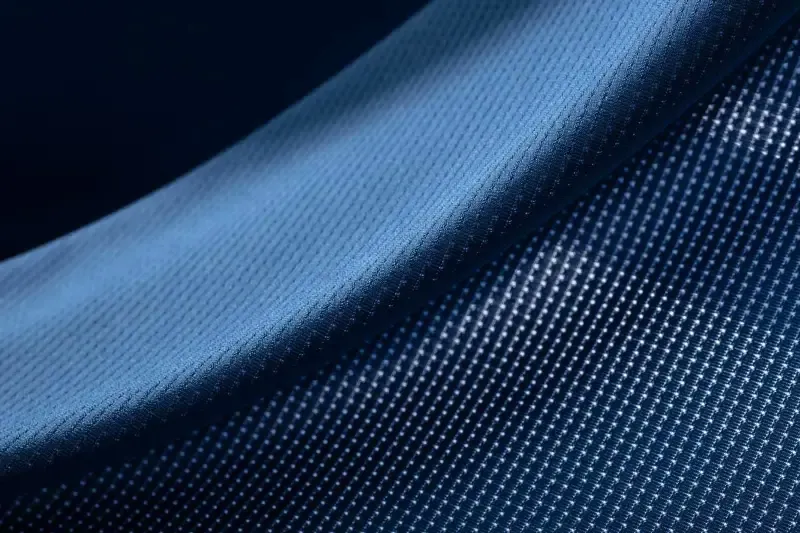
Clients often tell me their landscaping and logistics crews hate standard polyester because it feels like a plastic bag. Commodity polyester traps heat and sweat.
Engineered performance polyester solves this problem using physical capillary structures. The fabric pulls sweat away from the skin for fast drying. In our factory audits, we find pairing this material with built-in odor-control finishes drastically improves staff comfort. You can also source recycled variants to hit corporate sustainability goals.
| Fabric Type | Moisture Transfer | Ideal Garments | Best Roles |
|---|---|---|---|
| Commodity Polyester | Poor | Cheap Promos | Indoor, Climate-Controlled |
| Performance Polyester | Excellent | Polos, Base Layers | Landscaping, Logistics |
🛡️ Our Verdict: Do not accept “moisture-wicking” on a quote at face value. Cheap factories simply spray standard polyester with a temporary chemical coating that vanishes after three laundry cycles. We always demand AATCC 79 absorbency test reports, colorfastness data, and proof that wicking properties survive 50 industrial washes.
4. Antimicrobial Stretch Scrub Fabric
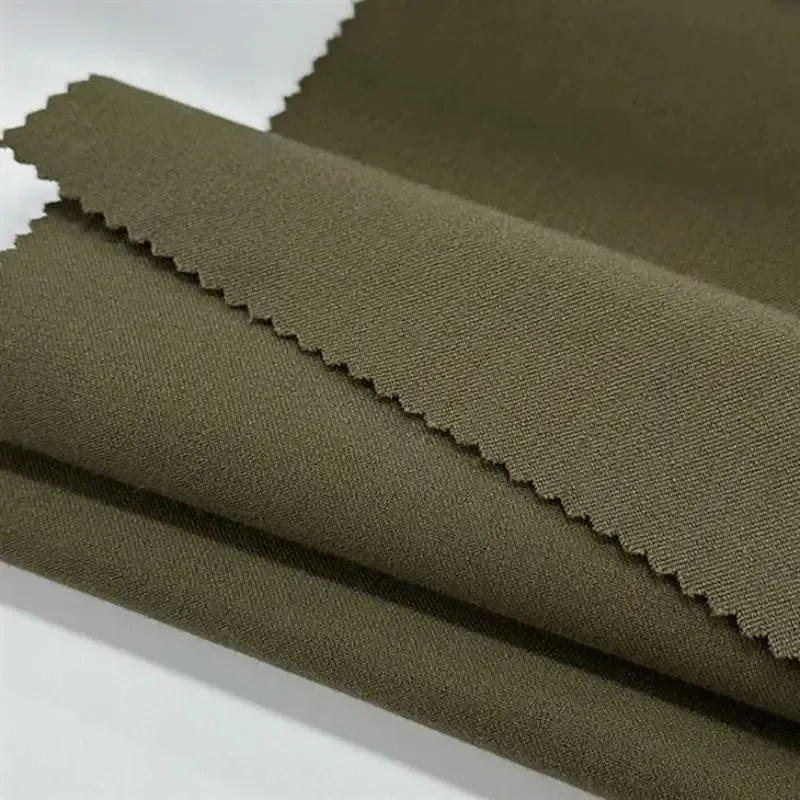
Hospital buyers often complain their scrubs pill after ten industrial washes. To survive strict CDC infection control guidelines safely, you need the right base layer. In our factory, we knit a specific poly/rayon/spandex blend that balances softness, high stretch, and rapid shape recovery. It handles heavy fluid exposure while keeping clinical staff comfortable.
Beware of cheap antimicrobial labels. Many overseas factories spray a basic topical treatment on their uniform fabrics that washes out quickly. Specify yarn-level technology instead. This process embeds protective agents directly into the fiber core to survive extreme laundering.
| Antimicrobial Type | Durability | Wash Lifespan | Best Application |
|---|---|---|---|
| Topical Spray | Low | < 20 Washes | Short-term wear |
| Yarn-Level Tech | High | 100+ Washes | Long-term protective workwear |
5. Flame-Resistant Fabrics
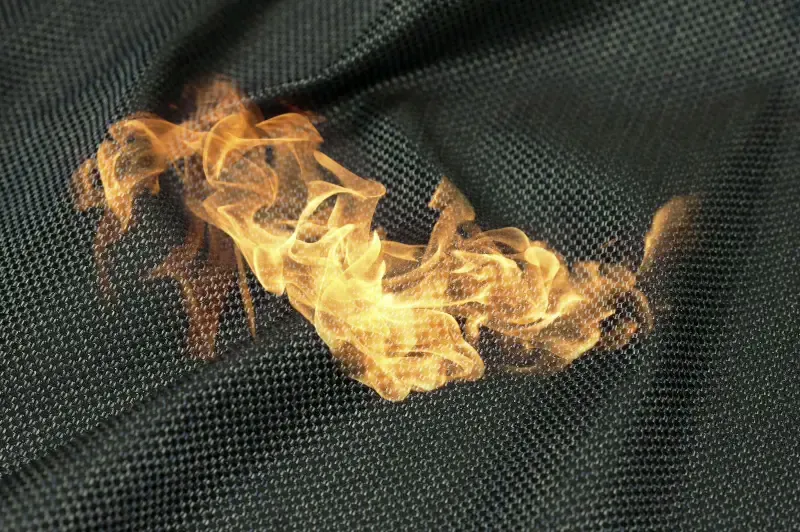
Safety officers constantly complain their crews refuse heavy, stiff FR gear. Worse, I have seen audits reveal fake compliance reports. Treat flame-resistant uniform fabrics as a life-saving compliance category, not a generic trend.
You have two choices: FR-treated cotton blends or inherently flame-resistant fibers. Factories coat treated cotton with chemical barriers. This costs less upfront. Protection degrades rapidly if workers use bleach or softeners.
Inherently FR fibers cost more, but their protection never washes out. They also weigh significantly less. You must balance comfort, maintenance, and certified protection. OSHA guidelines mandate safe, well-fitting PPE. If the gear feels too hot, your team will take it off.
| Fabric Type | Protection Lifespan | Care Warning | Best Roles |
|---|---|---|---|
| FR-Treated Cotton | 50 to 100 Washes | No bleach or softeners | Welding, Manufacturing |
| Inherently FR | Life of Garment | Wash normally | Electricians, Oil & Gas |
🛡️ Our Verdict: Never trust a vague “FR” tag. We demand actual lab documentation before production. Insist on NFPA 2112 certification for flash fire and NFPA 70E for arc flash. If your supplier lacks these reports, you hold the liability.
6. High-Visibility Fluorescent Textiles

I often see safety managers panic when audits reveal non-compliant crew gear. A bright yellow shirt is not enough.
High-visibility performance requires a complete system. You need the right fluorescent base fabric, precise reflective trim placement, and strong wash durability. During field inspections, I routinely spot cheap reflective tape peeling after ten washes. If the background fabric fades from UV exposure or heavy laundering, the garment instantly fails OSHA safety standards.
Match the fabric type to the climate to keep workers comfortable and compliant.
| Garment Type | Best Fabric | Airflow | Best Application |
|---|---|---|---|
| Vest | Lightweight Poly Mesh | High | Summer Roadside |
| Shirt | Birdseye Knit Poly | Medium | Active Construction |
| Jacket | PU-Coated Oxford | Low (Waterproof) | Winter Site Safety |
7. Poplin
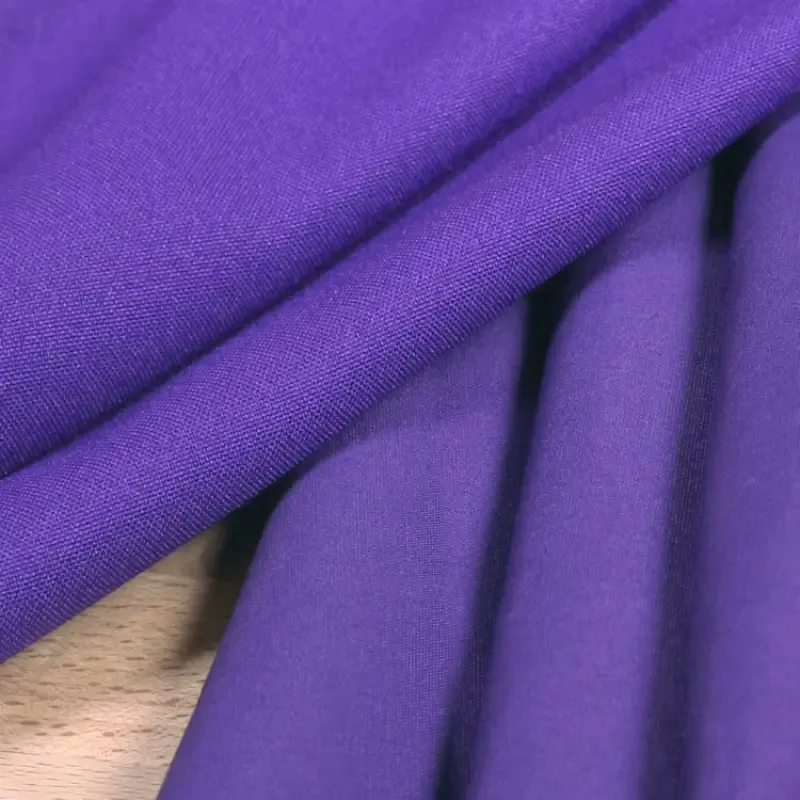
Hotel directors often tell me their reception staff look wrinkled just twenty minutes into a shift. Heavy industrial workwear simply looks terrible behind a luxury front desk. If visual polish matters more than rugged durability, your branded shirting programs need poplin.
When we compare twill vs poplin, the difference lies in the weave. Twill uses a heavy diagonal pattern built to pass strict ASTM fabric strength standards for high abrasion. Poplin uses a simple, tight over-under weave. This creates a lighter, smoother surface that drapes beautifully and keeps office staff cool.
| Feature | Poplin | Twill |
|---|---|---|
| Hand Feel & Surface | Smooth and crisp | Textured and thick |
| Drape | Excellent | Stiff |
| Wrinkle Appearance | Wrinkles easily (unless blended) | Hides wrinkles well |
| Durability | Low abrasion resistance | High abrasion resistance |
| Best Roles | Reception, Admin, Schools | Maintenance, Logistics |
Do not use poplin for heavy-duty departments. The fabric will wear out quickly at the seams under physical stress.
8. Pique Knit
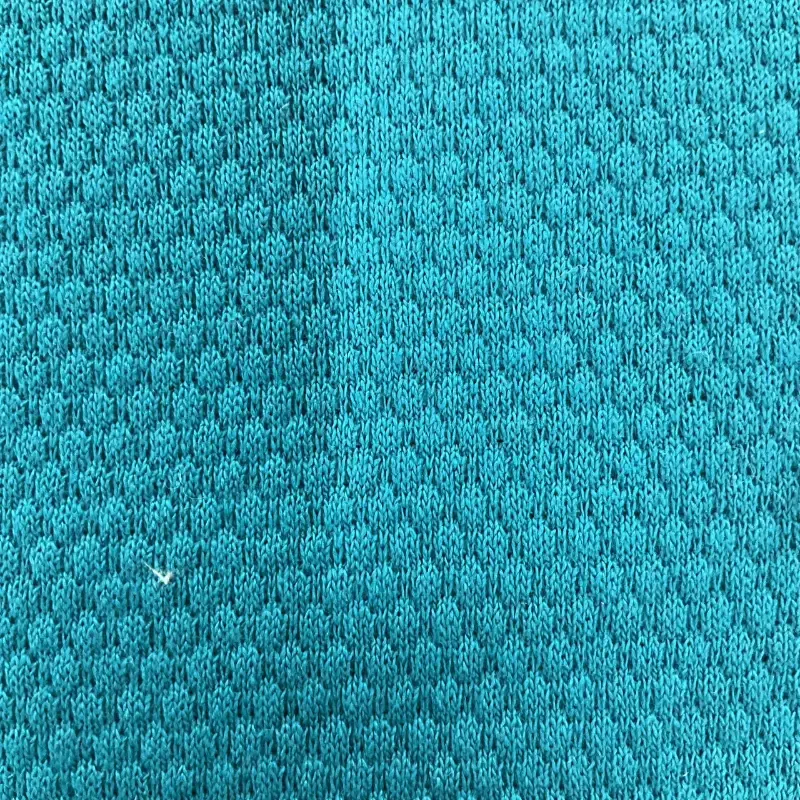
Our clients frequently complain about service staff sweating through cheap, flat-knit shirts during long shifts. If you want a retail aesthetic paired with functional comfort, choose pique knit.
Compared to other uniform fabrics, pique features a waffle-like texture that breathes significantly better than basic jersey. It delivers the structured, premium appearance required for modern corporate programs.
Pique’s textured surface holds heavy logo embroidery perfectly without puckering. But watch your knit tension. Loose knits snag easily on metal name tags or lanyards. You must also mandate strict color consistency across repeat orders. Otherwise, your new hires will look entirely different from your veteran staff.
| Feature | Rating | Best Fit Roles |
|---|---|---|
| Airflow | High | Hospitality, Retail |
| Embroidery Hold | Excellent | Corporate Polos |
| Snag Resistance | Medium | Event Staff, Sales |
How to Evaluate and Select Industrial Uniform Fabrics
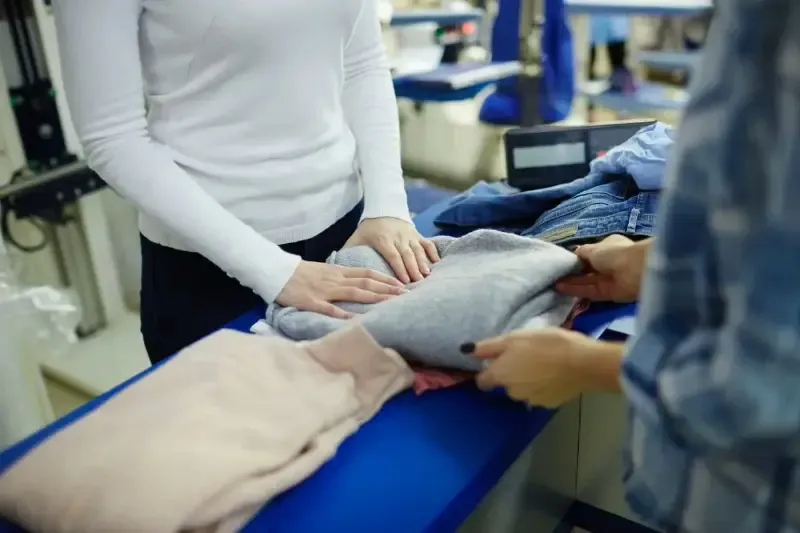
Stop browsing and start evaluating. In my experience managing global apparel supply chains, I found that procurement teams fail when they skip physical testing. Use this exact framework to validate uniform fabrics and shortlist the right supplier before issuing a large purchase order.
Step 1: Build Your Baseline Framework
Do not request swatches yet. First, define your operational needs to build a strict spec sheet.
- Map the environment: Write down required movement levels, daily hazard exposure, and expected laundry methods. A fabric washed at 60°C industrially requires different treatments than home-washed gear.
- Define the image: Note your required brand aesthetic and specific pantone colors.
- Narrow the specs: Use your notes to choose the composition, weave, weight, stretch, and expected garment lifespan.
Step 2: Demand the Test Report Checklist
Adjectives like “premium” or “durable” mean nothing. Rely entirely on hard lab data. Standards-backed data is the only trustworthy proof of quality.
- Request abrasion data: Ask for official ISO 12947 abrasion test results. You want a minimum of 20,000 rubs for industrial use.
- Verify color and shape: Demand AATCC colorfastness scores, pilling reports, and strict shrinkage limits.
- Check safety compliance: Ask for role-specific safety certifications and tear strength lab results. Verify compliance directly with the testing body.
Step 3: Run Physical Wear Trials
You cannot evaluate textiles through a screen. Run physical wear trials to validate your gear in the real world.
- Compare side-by-side: Put the fabrics next to each other. Check color consistency under both natural sunlight and fluorescent factory lighting.
- Test on the floor: Issue prototype garments to your most active workers. Ask them to wear and wash the gear for two full weeks.
If you need physical swatches, rapid prototyping, or bulk production guidance, contact us today.
FAQs About Uniform Fabrics
1. What is the best fabric for durable everyday workwear?
The best all-around fabric is a midweight 65/35 poly-cotton twill blend. This material balances breathable comfort with high abrasion resistance. In our factory tests, we found that pure cotton tears on harsh warehouse floors. Full polyester traps too much body heat. We recommend a 7-ounce twill. It survives high heat industrial laundering and resists early fading.
2. What actually makes a fabric moisture-wicking?
True moisture-wicking fabrics use engineered capillary structures woven into the yarn. This physical shape pulls sweat away from the skin so it can evaporate. Many cheap suppliers try to cut costs. They spray standard polyester with a chemical coating. That cheap coating washes out after three laundry cycles.
We reject factories that use topical sprays. You must demand test results based on the AATCC 79 absorbency standard. This document proves the cooling properties survive continuous industrial washing.
3. What test reports and standards should procurement request before bulk ordering?
You must request official lab data for abrasion, colorfastness, and shrinkage. My golden rule for enterprise rollouts is simple. Demand ISO 12947 reports for pilling and abrasion resistance.
You also need ASTM D1424 results to verify tear strength. Legitimate factories keep these documents on hand. Do not accept a bulk quote if the vendor hesitates to show their paperwork.

Leave a Comment
Your email address will not be published. Required fields are marked *