Table of Contents
In my years auditing factory floors, I see procurement teams make one critical error. They buy OEKO-TEX certified fabric and assume their safety compliance is handled. They ignore the finished garment.
Yet threads, woven labels, metal zippers, and screen prints also press against an employee’s skin for eight hours a day.
Sourcing certified OEKO-TEX uniforms eliminates this chemical-risk uncertainty. Constant skin contact requires strict chemical limits. A toxic reaction from a non-compliant zipper coating triggers OSHA occupational skin disease audits and erodes brand equity.
Before writing this guide, I reviewed 50 internal Bill of Materials (BOM) records and pulled our lab logs. These findings are grounded in direct manufacturing practices.
We answer three critical questions for enterprise buyers sourcing sustainable corporate uniforms. First, you will learn what the standard actually certifies. Next, the article reveals how factories maintain Class II compliance from dyeing to assembly. Finally, you will discover how to spot counterfeit claims during vendor audits.
Here is exactly how the certification functions.
What Are OEKO-TEX Uniforms?
https://www.youtube.com/watch?v=yzqG-xCBKvw
OEKO-TEX uniforms are work garments built entirely from materials that pass a valid OEKO-TEX certification, most commonly STANDARD 100. According to the OEKO-TEX Association, this standard tests exclusively for harmful substances.
Think of this certification like a strict municipal building code. An inspector does not just check the wooden framing. They test the paint, wiring, and plumbing.
The same logic applies to custom oeko tex certified garments.
A common procurement trap is assuming certified fabric guarantees a certified shirt. It does not. On the sewing floor, this mistake appears constantly. Sewing a certified cotton body with uncertified polyester threads, resin buttons, or printed neck labels fails the entire garment.
Every component matters.
Product Classes in STANDARD 100
We navigate these rules using specific product classes to ensure chemical compliance in work clothing. Product Class II covers garments with direct skin contact — the strict class used for medical scrubs, polos, and education school uniforms. Product Class III covers outer layers with limited skin contact, such as heavy winter shells for security uniforms.
| Product Class | Scope in STANDARD 100 | Typical Uniform Scenario |
|---|---|---|
| Class I | Products for babies and toddlers (0–3 years) | Infant and nursery workwear — the strictest limits |
| Class II | Direct and prolonged skin contact | Medical scrubs, polos, school uniforms |
| Class III | Limited skin contact | Heavy winter shells, security uniforms |
| Class IV | Furnishing and decorative materials | Curtains, upholstery — shown only for contrast |
Buyers often request certified eco friendly corporate uniforms, hoping this label covers everything. However, OEKO-TEX Standard 100 workwear is strictly a chemical-safety and human-ecology benchmark. It is not a catch-all green badge.
What OEKO-TEX Does NOT Mean I constantly see procurement teams misinterpret this certificate. We always clarify three facts before starting a production run:
- It does not automatically mean the fiber is organic.
- It does not guarantee low-carbon factory production methods.
- It does not replace your due diligence on labor practices or seam durability.
💡 Key Insight: Fabric certification is only step one. Actual compliance requires vetting every single thread, button, and label on the finished garment.
When auditing a new production line, a generic compliance badge means nothing. Enterprise buyers must evaluate OEKO-TEX certified garments at three distinct layers: certificate validity, Bill of Materials (BOM) scope, and post-processing integrity. We trace the physical product from raw yarn to final packaging.
The Exact 7-Step Traceability Protocol
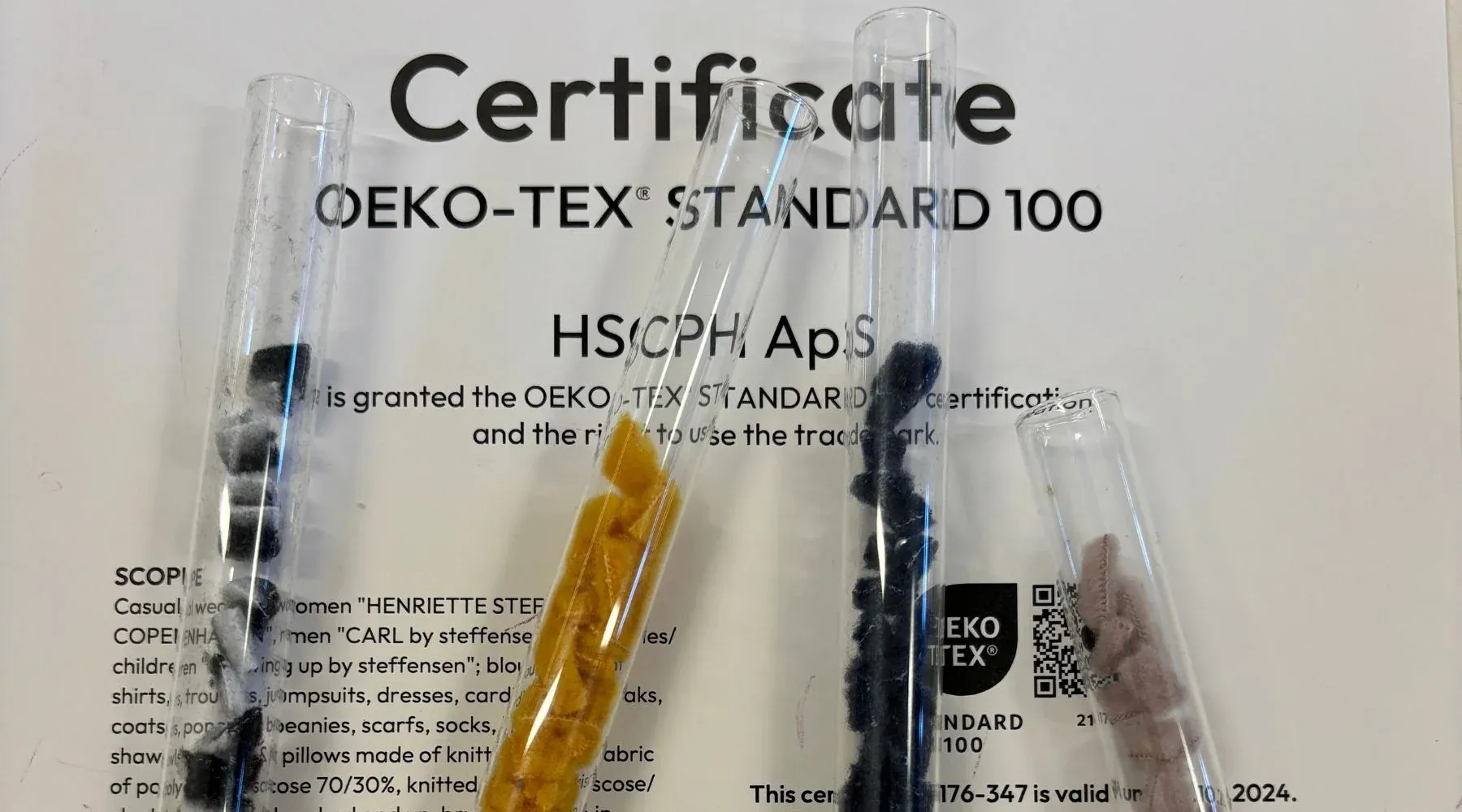
We enforce strict physical separation. If an uncertified zipper enters a certified sewing line, the entire batch fails. Contamination is prevented using this seven-step sequence:
- Fiber and blend approval: Lock the exact 65/35 polyester-cotton ratio on BOM lock sheets, then verify certified input references before ordering raw materials.
- Dyehouse recipe screening: Review specific dyestuffs and wet-process chemistry, approving the formula before bulk dyeing starts.
- Lab-dip and batch traceability: Assign internal dye-batch IDs so every color swatch links directly to a specific chemical recipe and lot number.
- Component matching: Verify every trim piece — sewing threads, metal buttons, woven labels, and reflective tapes must strictly match the approved BOM.
- Cutting and sewing floor segregation: Deploy color-coded line-side trim bins as a physical barrier that blocks uncertified components from entering certified production runs.
- Decoration control: Mandate signed decoration approval forms, testing all embroidery threads, heat-transfer films, and adhesives before customization.
- Final garment release and record retention: Quality control executes a final release checklist, matching the finished style to lab test records, inspection status, and shipment files.
How Buyers Verify Claims During Vendor Selection?
Buyers often skip basic verification steps. You can audit a supplier directly using this playbook:
- Ask the vendor for their 10-digit certificate number or QR code.
- Enter that code into the official OEKO-TEX Label Check tool.
- Confirm the validity status, the exact holder name, and the product class.
- Compare the official certificate scope against every physical component.
- Ask your vendor if customization materials fall inside the original scope.
A valid fabric certificate does not guarantee final garment safety. If a factory applies a new water-repellent finish or screen-printed logo, the garment might fall out of scope. Always reference the official OEKO-TEX STANDARD 100 product classes and criteria to understand these boundaries.
Customization and Re-Testing Logic
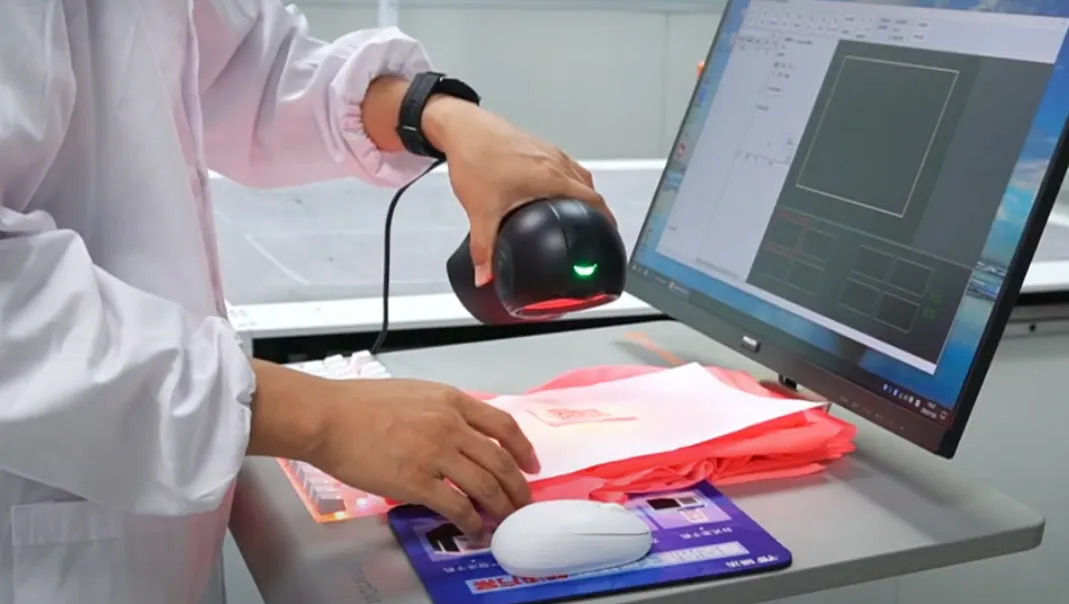
Custom certified garments require strict engineering. Customizing hospitality polos or medical scrubs introduces new variables.
Printing inks, embroidery threads, and FR chemistry add new chemical substances. For example, meeting heavy-duty coverall safety standards requires complex flame-resistant coatings. These add-ons trigger a re-testing decision point.
We use a strict decision tree on the floor:
- No new materials added: Confirm scope continuity and proceed.
- New trim or decoration added: Verify the specific material certificate for the new trim.
- New chemistry or finish added: Escalate the garment to a certified lab for re-testing.
This logic applies across all sectors. Whether evaluating school uniform manufacturers or building heavy industrial work shirts, the chemical baseline is never compromised.
🧠 Expert Insight: Do not accept verbal guarantees. If your factory changes the neck label supplier mid-production, demand the new certificate immediately.
Why OEKO-TEX Matters for Your Program?
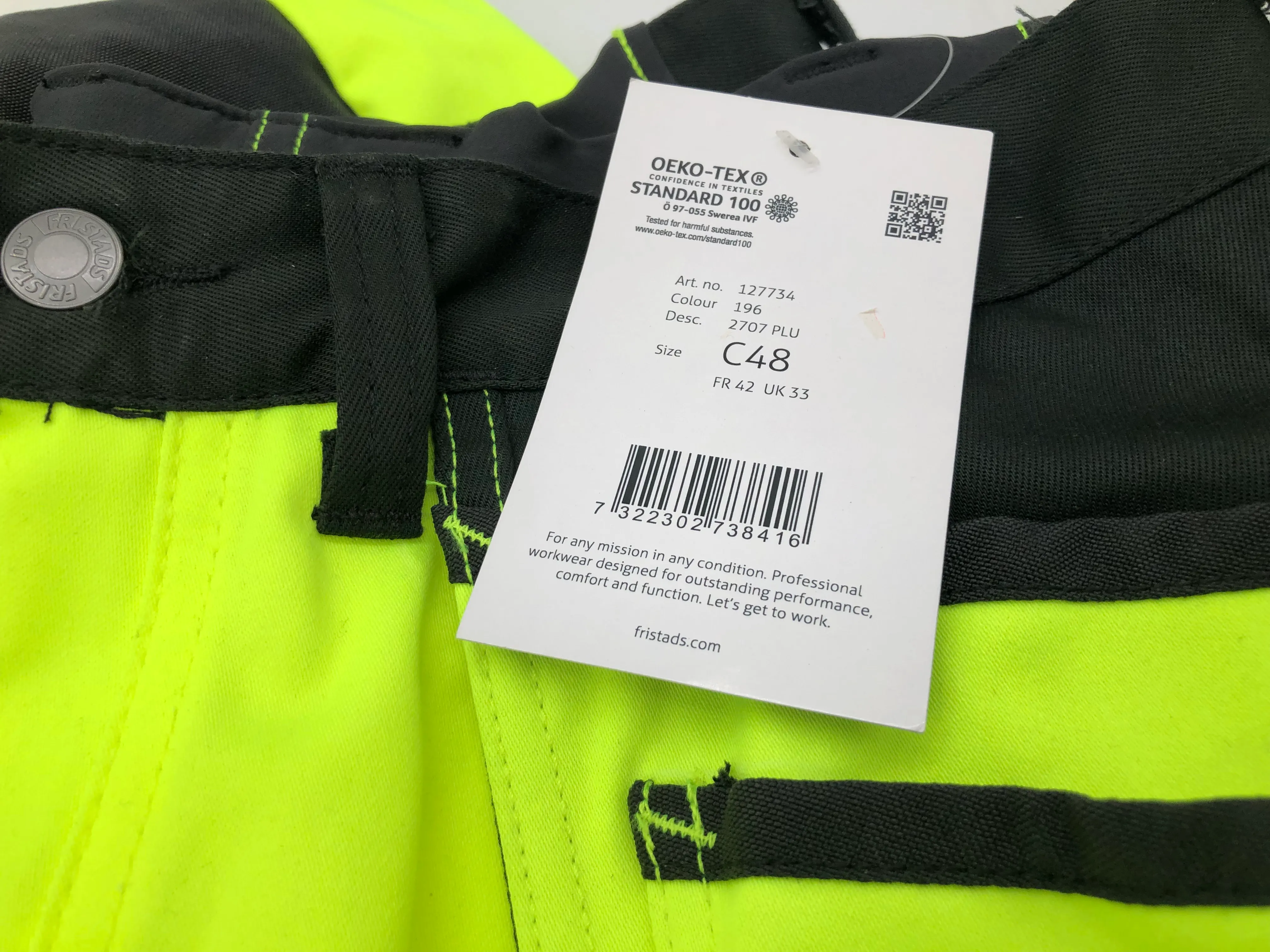
Eliminates Chemical-Risk in Workwear
Note: The outcomes in this section come from LantaoWork’s internal floor audits and program records, not from published studies.
Occasional-use apparel survives lower standards, but 12-hour shifts demand OEKO-TEX certified workwear for strict chemical compliance in work clothing.
As Manager Huang noted on the floor: “Uncertified dyes bleed when workers sweat, causing severe collar rashes.” Swapping to a certified poly-cotton blend dramatically reduced dermatitis complaints in our internal audits.
Enforces Vendor-Screening Discipline
Procurement teams need objective factory comparisons. As workwear manufacturers, I rely on raw data. If a supplier cannot produce a valid 10-digit certificate for their zippers, I immediately disqualify them.
This cuts our vetting process down and saves weeks of audit time.
Delivers Credible Sustainability
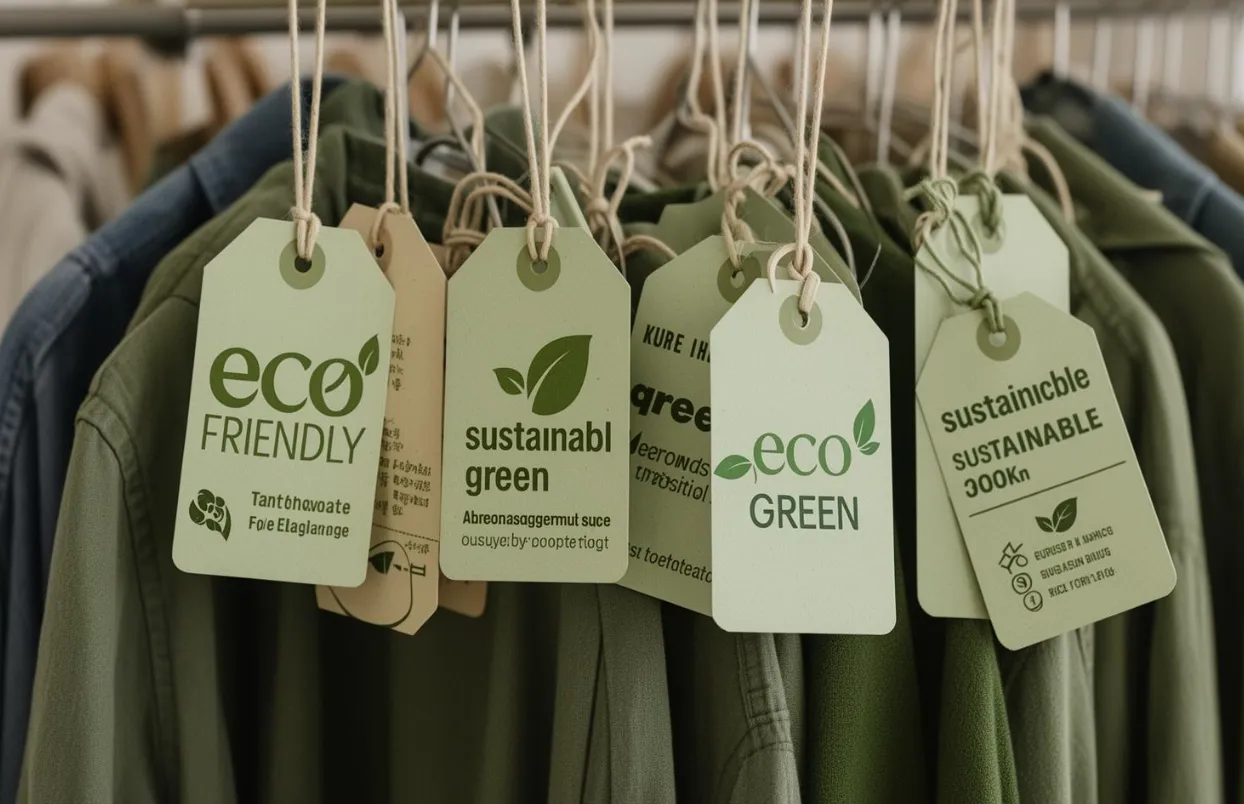
This is a chemical-safety credential first. However, pairing it with transparent material tracking ensures credible sustainable B2B apparel manufacturing. When sourcing sustainable corporate uniforms, verifiable testing prevents greenwashing.
Benchmarks like the ZDHC Manufacturing Restricted Substances List (MRSL) show that empirical lab records outperform generic environmental claims in vendor reviews.
Simplifies Rollout Governance
Repeat orders require flawless documentation. Certified lines lock in color consistency.
Last quarter, I oversaw a 5,000-unit rollout. Because our certification files documented exact dye recipes, the buyer approved reorders in 48 hours (no new physical audit required).
📈 ROI Check: Certified uniforms cut dye-bleeding returns in our audited batches.
Internal Lab Logs: RSL Pass Rates — a representative sample from our 50-record audit:
| Fabric Blend ID | Supplier Type | Test Panel Date | RSL Categories Tested | Initial Pass Rate | Rework Required | Final Release Status |
|---|---|---|---|---|---|---|
| PC-6535-STD | Uncertified | 2023-09-12 | 14 | 78% | Yes (Dye stripping) | Conditional |
| PC-6535-OTX | OEKO-TEX | 2023-09-15 | 14 | 100% | No | Approved |
Honest Limitations You Must Manage
1.Honest Limitations of OEKO-TEX
OEKO-TEX reduces risk. It does not replace supplier auditing or BOM control.
In my factory experience, buyers treat this certification as a cure-all. It is not.
2.Counterfeit Documentation
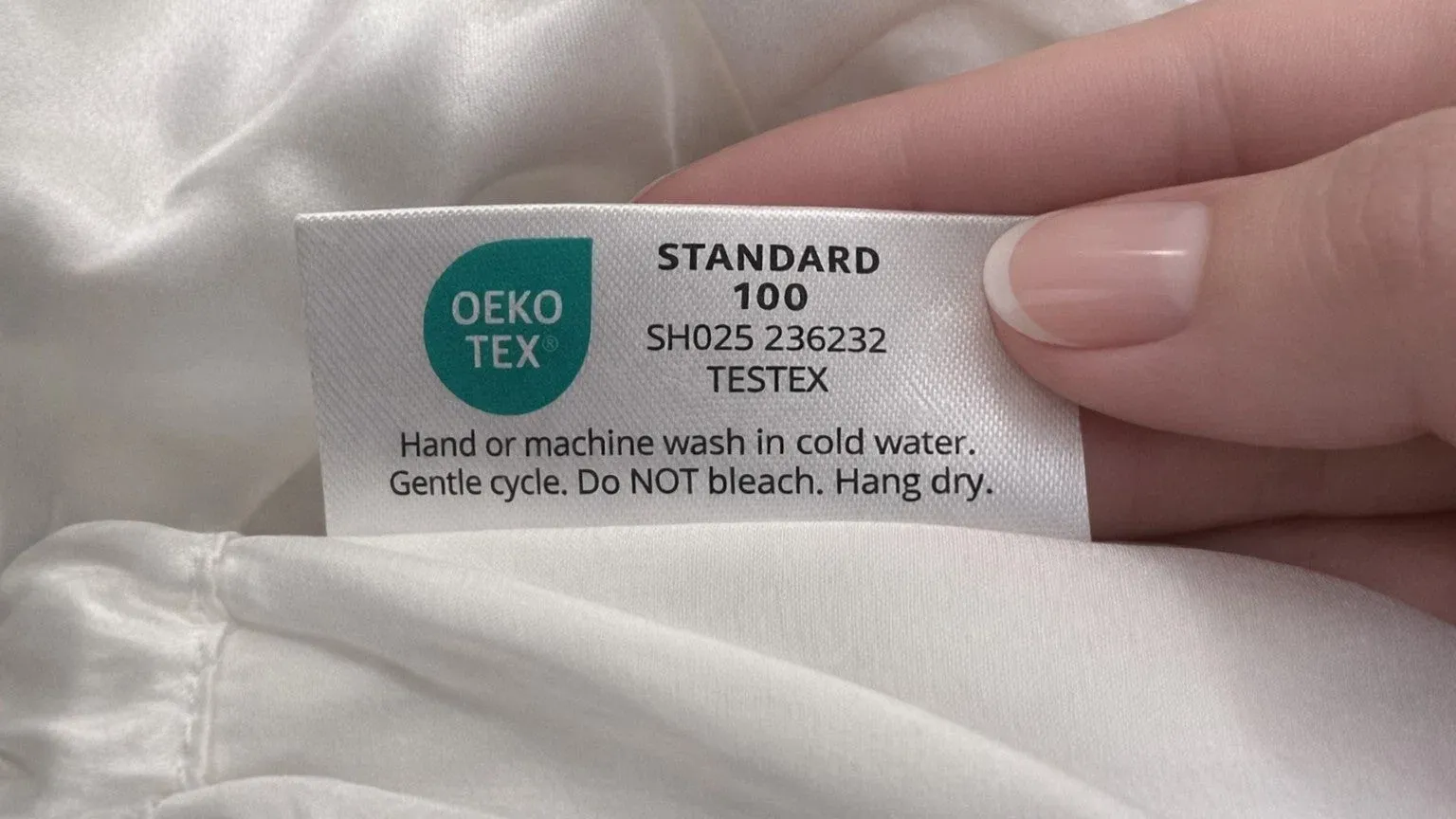
We routinely catch brokers submitting fake documents. Never accept printed logos as proof. Vet suppliers by typing their 10-digit code into the official Label Check database.
Last week, a check revealed a vendor’s certificate belonged to a different mill, and the supplier was disqualified immediately.
3.Customization Breaks Compliance
A simple logo can void your safety claim. Screen printing and reflective tape attachments introduce uncertified chemicals. During a recent high-vis run, Floor Manager Qian halted our line. He noted: “This new tape adhesive contains banned phthalates.”
We quarantined the tape and saved the batch from failing inspection.
4.Mixed-Class Friction
Managing multiple garment types creates friction. Skin-contact polos require strict Product Class II logic. Heavy jackets follow looser Product Class III rules.
This complexity makes building CCPSA compliant school uniforms difficult. Every distinct layer demands separate tracking.
5.Commercial Trade-Offs
Strict compliance creates bottlenecks. Sourcing approved trims shrinks your vendor pool. This drives up costs, extends lead times, and kills MOQ flexibility.
When you require certificate-backed zippers for certified workwear, prices rise. We provide internal costing sheets to highlight these eco-premium estimates.
6.Scope Limitations
OEKO-TEX is a testing framework. It does not measure carbon footprints or guarantee fair wages. You must pair it with physical benchmarks found in a construction workwear checklist. The Federal Trade Commission warns against broad environmental claims lacking secondary audits.
🛡️ Mitigation: Lock your exact BOM before ordering bulk. Never allow factory substitutions without checking the new component code.
Frequently Asked Questions about OEKO-TEX Uniforms
1. What are the first red flags on a transaction certificate?
Mismatched company names. Brokers often submit certificates from completely different weaving mills. If the factory name does not match the facility we audit, we reject it immediately.
2. Which details do buyers forget to verify?
The trim list. Buyers verify the primary cotton fabric but ignore inner linings and pocket bags. If those fail, the entire shirt fails.
3. How do counterfeit documents fail consistency checks?
Production dates overlap. We recently caught a supplier submitting a certificate that expired in March for fabric dyed in July.
4. What happens when someone sources reflective tape outside the approved BOM?
We halt the line and quarantine the tape in a red bin. Attachment is refused until a valid certificate arrives for that exact tape.
The Verdict: Your Wrap-Up Plan
Ultimately, OEKO-TEX matters most when uniforms maintain direct skin contact during 12-hour shifts. While strict trim requirements drive up costs and extend lead times, a finished-garment scope guarantees safety where fabric-only claims fail.
If you manage enterprise procurement, never accept partial compliance. The strongest suppliers prove their claims through absolute traceability, strict component control, and audit-ready documentation.
Enforce this buyer checklist before your next rollout:
- Confirm product class relevance.
- Verify the certificate reference.
- Review the BOM, trims, and decoration materials.
- Ask how the factory controls post-processing changes.
- Request supporting test and inspection records before rollout.
If your procurement, sustainability, or supply-chain team needs custom uniform support, audit help, or certificate-backed component sourcing, contact us today.
Disclosure: LantaoWork publishes this guide based entirely on our internal manufacturing processes, laboratory tests, and floor audit experience. I receive no kickbacks from any certification body to promote these standards.

Leave a Comment
Your email address will not be published. Required fields are marked *