Pilot & Sampling
Uniform Pilot Sampling — 100 Units, Full Production Line
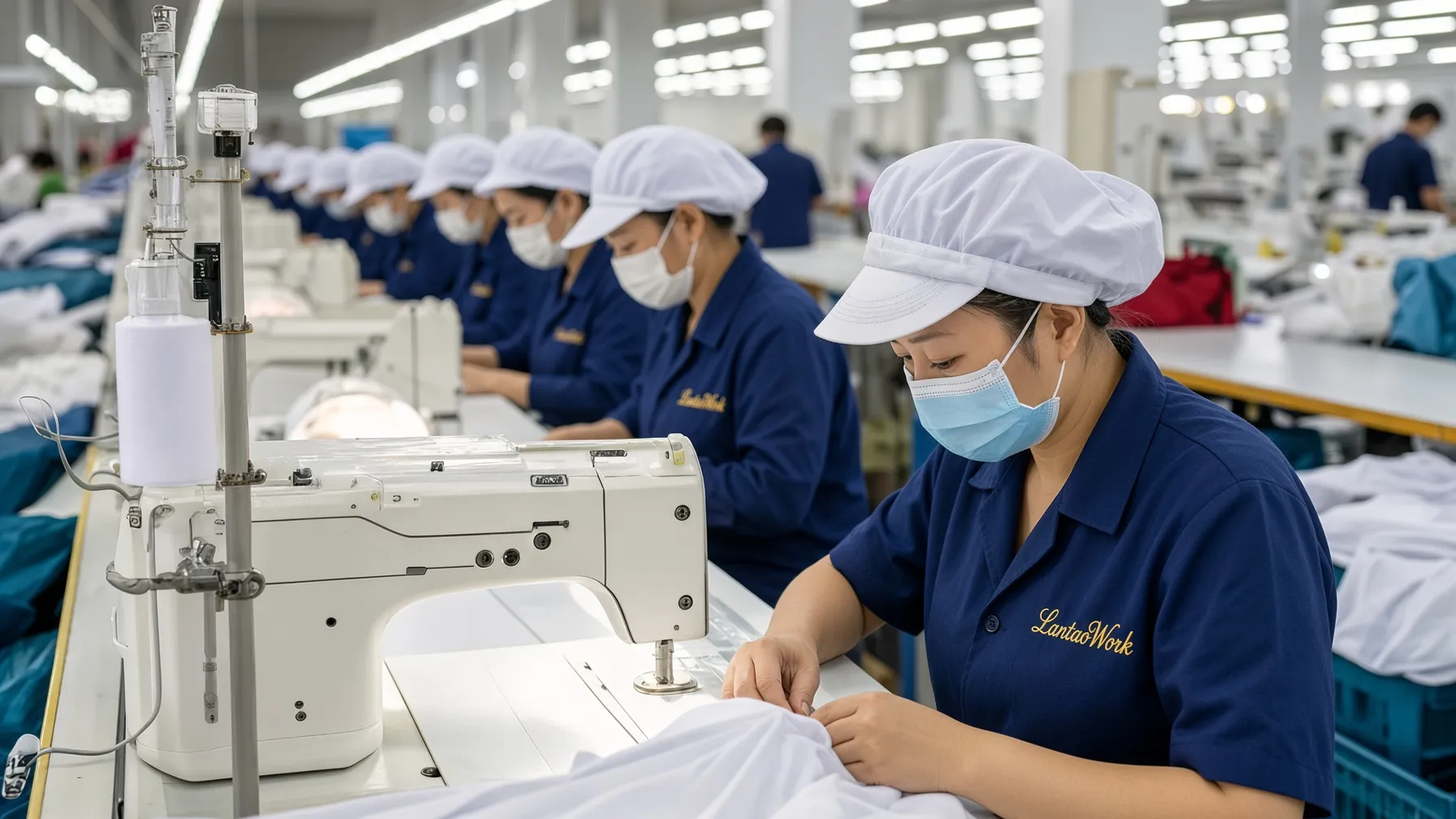
Before you commit to the full order, we cut a real production run on the same fabric, the same pattern, and the same QC gates as bulk. Your team wears them for a month on the job, and what they report decides whether we scale. Finding a problem on a pilot costs far less than finding it after the bulk order ships.
When a Pilot Earns Its Cost
A pilot order is a small first production run, stopped early so the decision to scale rests on real wear data. It is not a formality and it is not a discount: it earns its cost when something is genuinely unknown about how the garment performs.
New programs with no wear history
Standardizing uniforms for the first time means nothing in-house shows how the garment fits, breathes, or survives a wash cycle. That is the question a prototype sample exists to answer, and a pilot answers it on the real wearers.
Regulated or hazard-zoned sites
Where a single garment failure is a safety event, the pilot proves the fabric spec matches the site hazard assessment before that spec is written into a contract — the same sequence a heavy-industry safety programme follows.
Multi-site or multi-shift rollouts
One small run spread across two or three body types and climates surfaces the sizing and durability problems early, while a correction still costs a rework rather than a fleet-wide replacement.
Rebrands where the fit is unproven
A new pattern, a new fabric mill, or a new decoration method changes how the garment sits and wears. Test the change on a small run before it becomes the standard for thousands of people.
If the pattern is already proven on the existing crews — same fabric, same mill, same cut — a pilot buys little. Say so up front and the bulk run gets quoted directly.
From Spec to Sign-Off in Five Steps
There is no separate pilot line. A pilot occupies the production line itself, at a standard floor of 100 units per style.
Send Your Spec
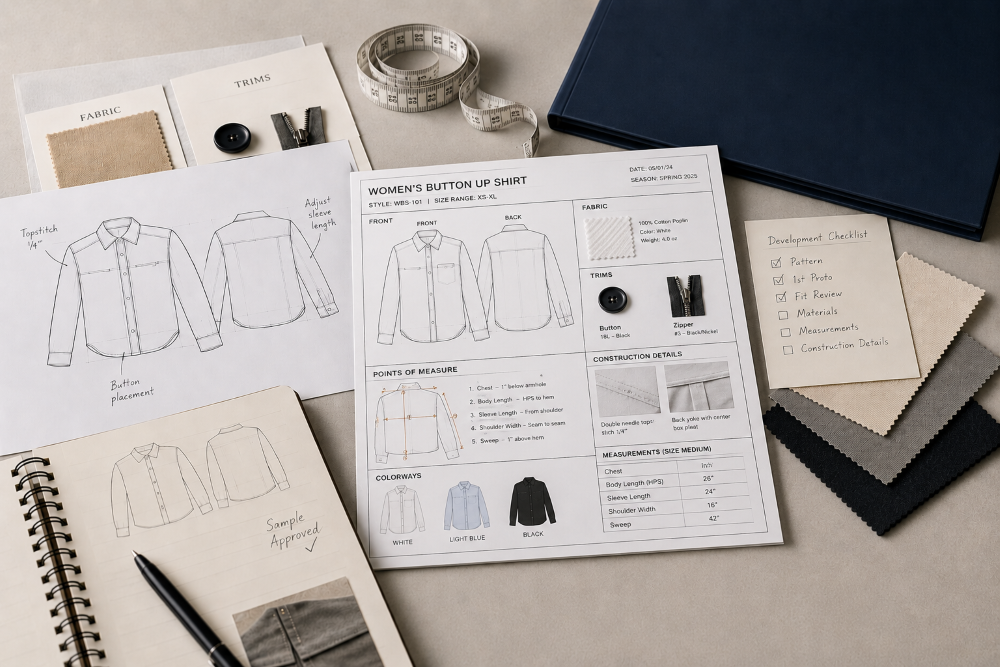
A tech pack, a reference garment, or even photos plus the target standard. A quote comes back within 24 hours with fabric options and a per-unit price.
Approve the Digital Proof
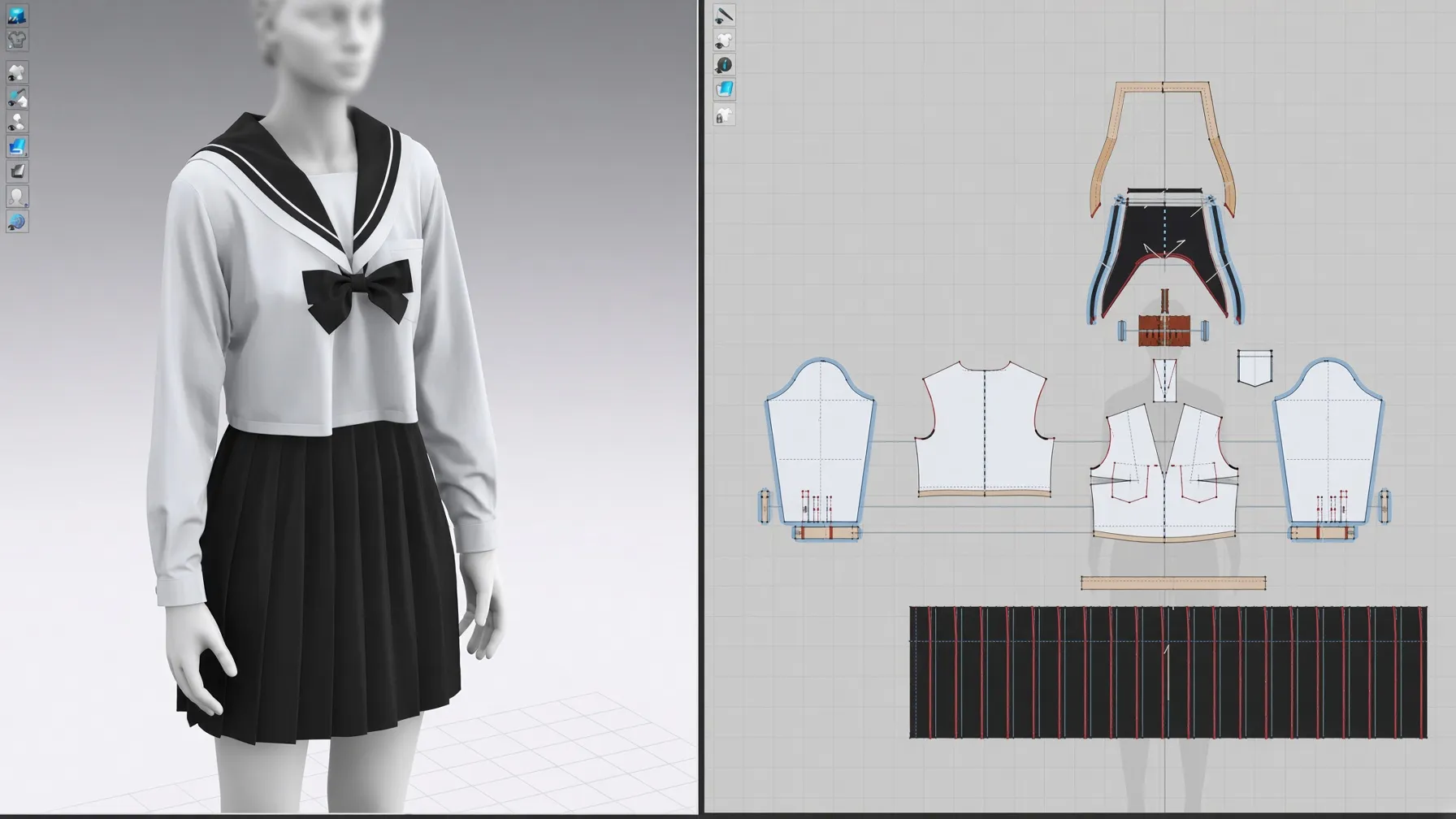
A 3D proof showing logo placement, Pantone references, and size grading — so colour and branding are settled before a single panel is cut.
The Physical Sample Is Cut
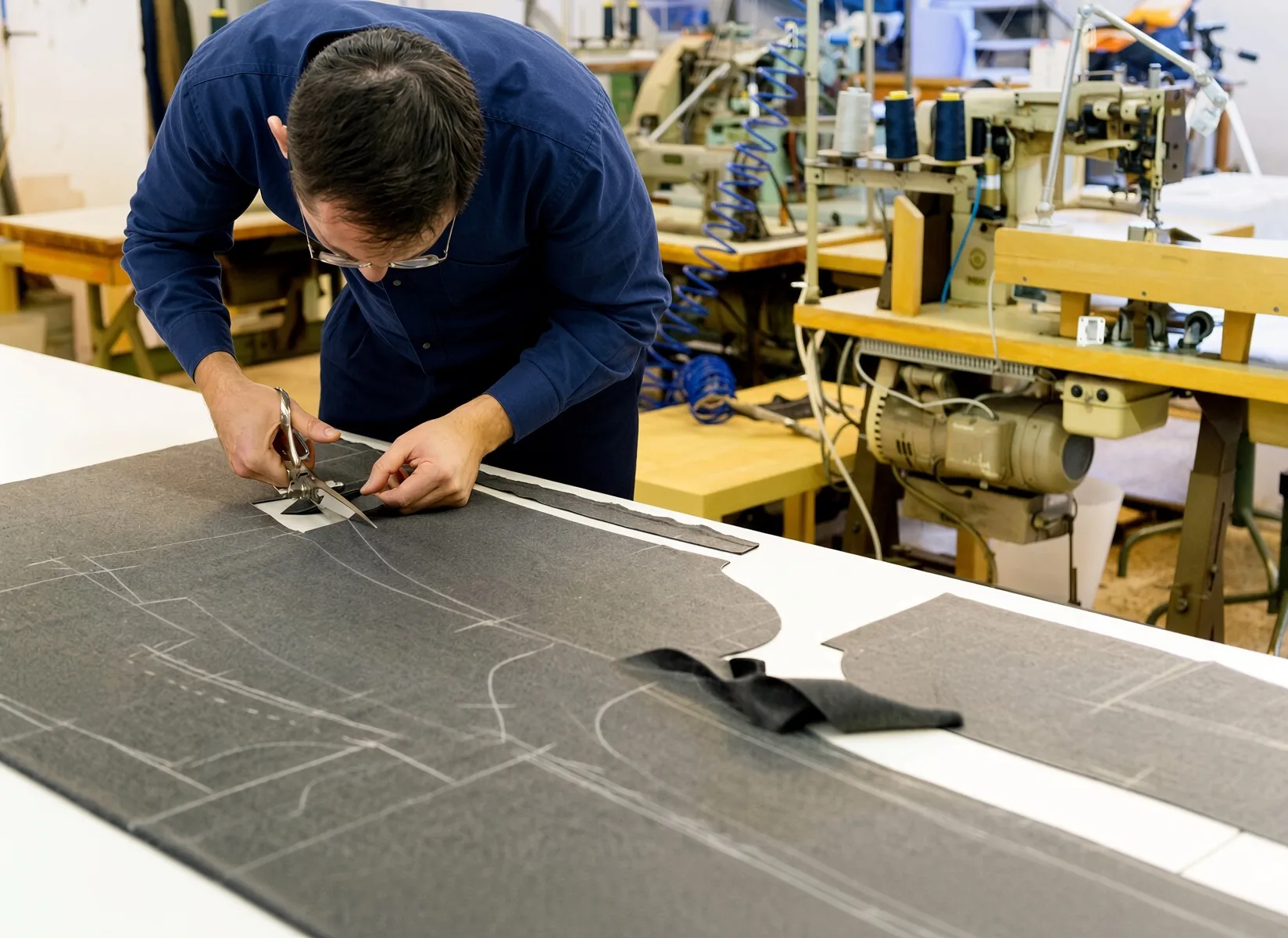
A wearable sample in the specified fabric and sizes, built on the same cut-and-sew line as production — the piece that locks colour, branding, and pattern before the pilot batch is cut. Not a rendering of it.

The Crew Wears It
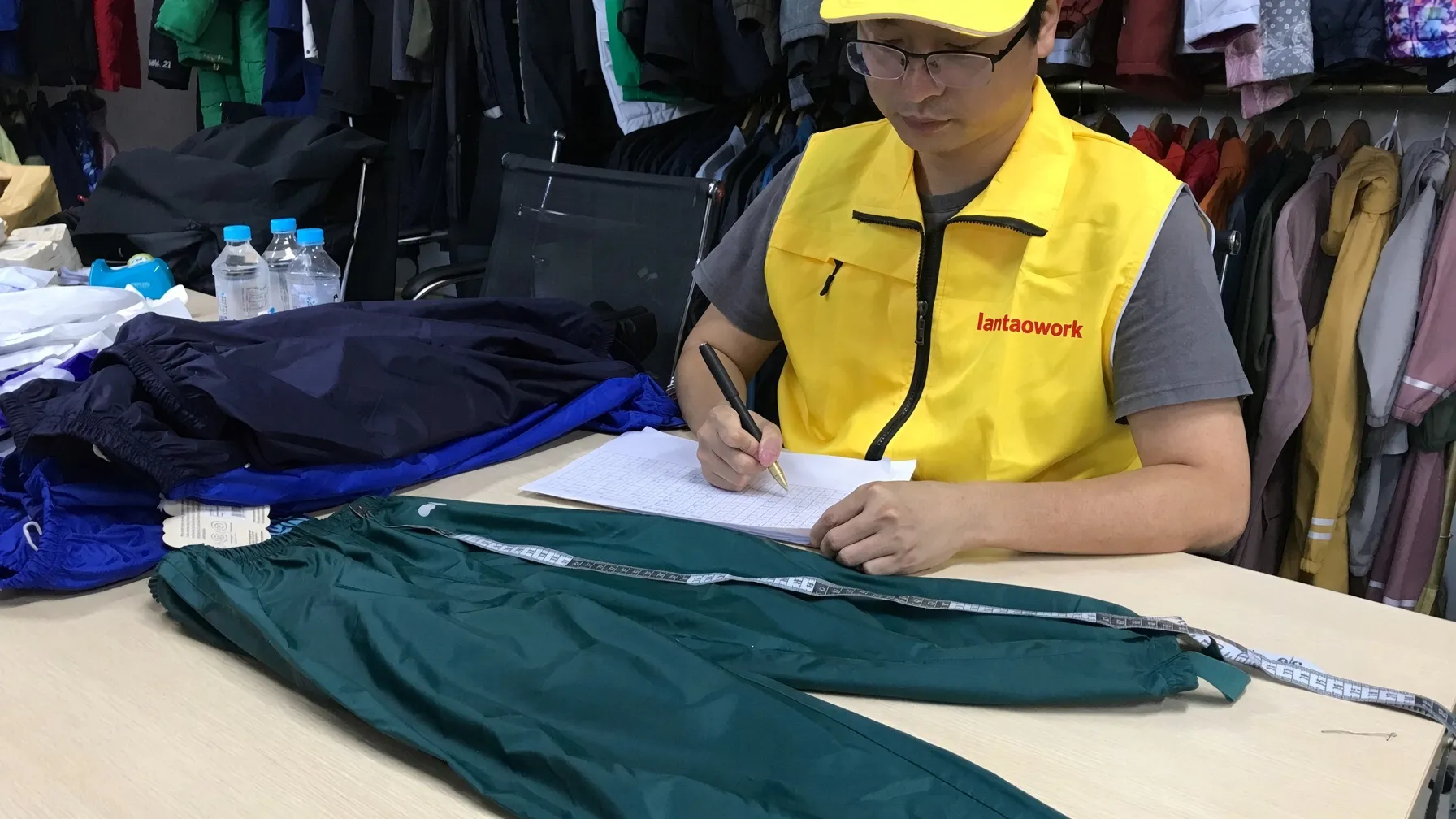
The 100-unit pilot batch goes through real shifts and real wash cycles. Fit, comfort, and durability notes come back in writing, from the people who wear the garment for a living.
Accept, or It Is Reworked
The run is measured against the five acceptance gates. Clear them and the pattern is locked for bulk. Miss one and it is reworked and re-sampled — nothing ships until the release is signed.
Three Inputs We Need Before the First Cut
Three inputs, and no more. Everything else — the fabric spec, the seal sample, the QC gates — comes from the factory side: a 10,000+ SQM facility in Wuhan.
The standard being targeted
Not a brand name — the requirement behind it. The hazard assessment, the site regulator, or a named protective standard such as EN ISO 13688. Send the document, not a description of it.
A size matrix for the crew
Per department or per site, with the real distribution of body types rather than a generic curve. This is what decides how the units spread across sizes and which grades get cut.
One named contact
A single person on your side who can approve the sample, the colour, and the release. Three sign-off points, one accountable name — that is what keeps a program moving.
If the pilot misses a gate, nothing on the failed material is charged.
The terms are written into the quote and order confirmation before the run starts — not left to goodwill.
A failed batch is quarantined before cutting, reworked and re-sampled, and approved again before a single production garment is made. Nothing scales to full volume until that release is signed.
The Five Gates Every Pilot Must Clear
A pilot is only worth running if both sides agree in advance what a pass looks like. These are the five gates a pilot batch has to clear before it can scale — agreed before the first cut, not negotiated after.
Measured against the approved reference sample under D65 lighting.
Triple-stage QC — incoming fabric, in-line, and pre-shipment gates. The 1.5% figure is the internal ceiling; AQL 2.5 allows no more than 2.5% major defects in the inspected sample.
A parallel lab cycle on the pilot fabric — not something the 30-day field trial completes. Still matches the seal sample after the full industrial wash count.
A single garment that fails a protective requirement blocks the release.
Judged on the wear-trial log, not on a defect sample: complaints are counted against the cap agreed in the quote, and any size measuring outside the graded spec is reworked before release.
One gate fails — the batch stops.
The approved seal sample is locked in our QC archive for 24 months and stays the benchmark for every reorder. If any gate above is unmet, the batch does not ship — we rework and re-sample before it reaches your first production run.
Two Programs That Tested Before Scaling
Both started small and scaled only once the wear data came back. Two published case records — one named, one anonymised at the client's request.
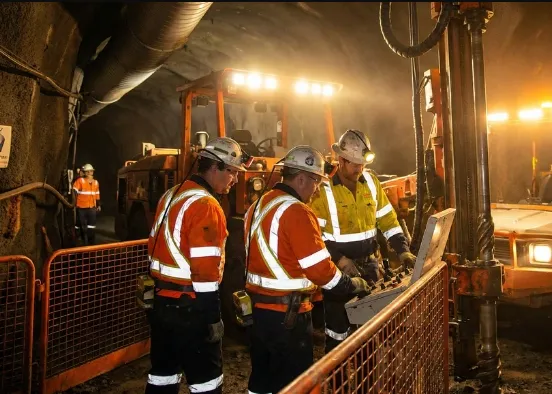
Mewbourne Oil Company — FR coveralls
The pilotA two-size, one-fabric prototype, then fit calibration with 12 wearers across body types, a 30-day field trial of 50 coveralls, and a 50-cycle laundering simulation — all before production readiness.
What changedRead the full case studyFor the first time, I can show which garment protects which worker.

Private clinic group — 12 locations
The pilotA fabric swatch kit first, then a trial order across XS–4XL with an embroidered logo, then a staff wear test and fit adjustments before anything scaled.
What changedSee the scrub programmeOrdering custom manufacturing for the first time was nerve-wracking. The swatch kit and small trial run made it feel safe. Now it’s just part of our quarterly procurement.
Compiled by our Head of Production Operations from batch records, lab reports, and the two published case files above. The standards this page is held to are set out in full in the editorial policy and the fact-checking process.
Frequently Asked Questions About Pilot Runs
Lower Risk on the First Order
Send the spec, the size matrix, and one contact. You get a quote in 24 hours, a digital proof in 48, and a physical sample in 7–10 days — then a 30-day wear trial before anything scales.