Table of Contents
The short answer Modacrylic is an inherently flame-resistant acrylic fiber: it chars instead of melting, so protection lives in the polymer, not in a finish that washes out. Blend ratio and GSM decide what the garment can survive.
The real sourcing risk with modacrylic fabric is not the quoted price per yard. The danger sits in the hidden variables. A supplier claims inherent flame resistance; the fabric then fails wash durability testing, and your workwear rollout turns into a commercial liability.
Strict methodology is the only thing that prevents it. Over the last 12 months, this team analyzed hundreds of AQL review logs and internal lab audits.
During a recent production-precheck SOP, Quality Manager Bai caught a vendor manipulating blend ratios, test methods, laundering behaviors, and certificate validity to cut costs.
If you source PPE, you need raw facts rather than marketing copy. Modacrylic is an inherently flame-resistant synthetic fiber, typically blended with cotton, aramid, nylon, or antistatic yarns.
This report covers what modacrylic is, how the fiber behaves under heat, and how to vet a supplier before approving a production run. It also works through the objective downsides, polyester melt-drip included.
PPE that survives an audit has to satisfy OSHA’s protective equipment rules, and the evidence starts at the fiber. Below sit an annotated cross-section, a side-by-side comparison of three supplier samples, and the checklist used to verify NFPA 2112 compliance. The fiber mechanics come first.
What is Modacrylic Fabric?
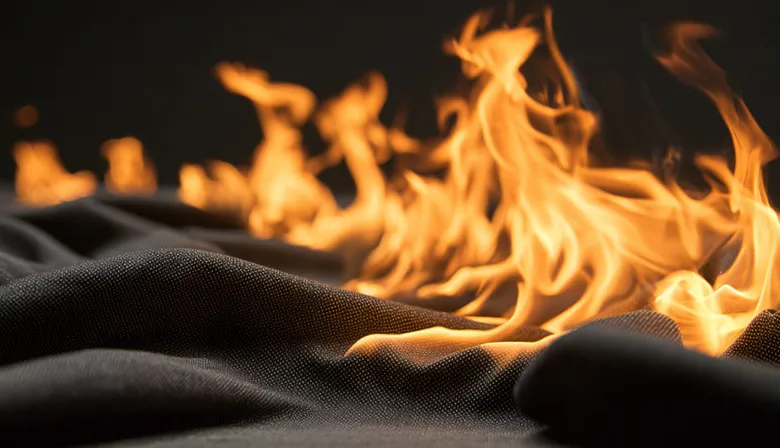
Modacrylic fabric is a textile made from synthetic fibers engineered with built-in flame resistance. The fire protection lives inside the fiber’s chemical structure, rather than sitting as a temporary surface finish.
Think of the difference between a carrot and a painted radish. Cut a carrot and it stays orange all the way through: that is inherent flame resistance (FR). Cut a painted radish and the inside is white: that is treated FR, where a chemical coating eventually washes away.
The Federal Trade Commission separates true modacrylic from acrylic by chemistry rather than by marketing. That distinction matters commercially, because only one of the two keeps its protection after 50 industrial washes.
Moving to a full uniform system selection starts with an audit of the raw specification: composition percentage, GSM (fabric weight in grams per square meter), weave structure, yarn system, antistatic content, roll width, shade continuity, and the target safety standard.
End use dictates the recipe. Lightweight 200 GSM modacrylic/cotton blends cover indoor electrical work. Rugged oilfield gear steps up to a 300 GSM modacrylic/aramid blend for tear strength, and antistatic modacrylic/cotton/nylon handles high-friction zones.
When workers start complaining about restricted mobility, the tradeoff is a zoned 4-way stretch fabric panel, because heavy modacrylic has almost no natural elasticity.
Buyers carry dangerous assumptions when comparing FR textiles with other coverall materials. What modacrylic is not:
- It is not automatically NFPA 2112 compliant. Inherent FR fiber alone does not guarantee safety. A cheap zipper will still fail a flash fire audit.
- It is not equivalent to polyester. Under extreme heat, polyester melts into the skin. Modacrylic chars and blocks oxygen, creating a protective carbon shield.
- It is not a universal recipe. Construction, blend, final finish, and garment design determine actual field survival.
💡 Key Insight: Modacrylic is an active safety ingredient. Blend ratio and fabric weight have to match the actual operational hazard, not the general product category.
Fiber Chemistry and Heat Response
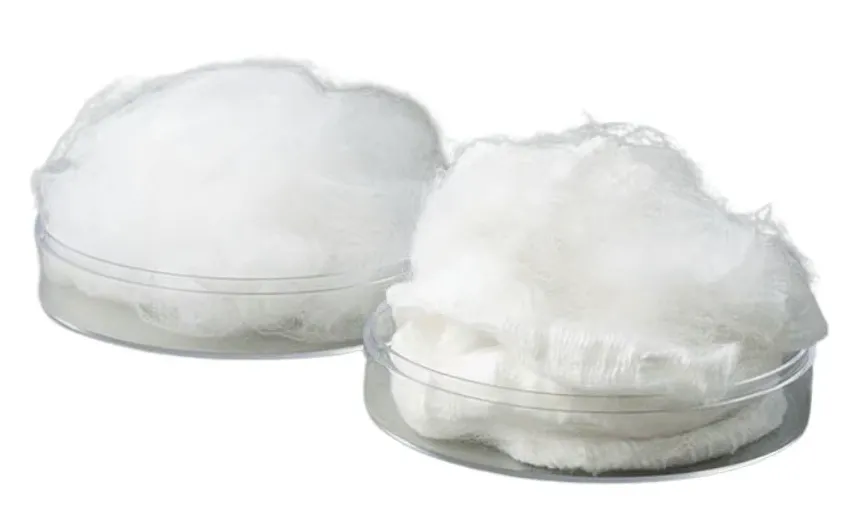
Under a microscope, the difference between modacrylic and polyester stops being abstract. During a recent review, Quality Manager Bai and I compared fiber cross-sections from a 60% modacrylic blend and a standard polyester.
Modacrylic is a copolymer. Acrylonitrile is polymerised with vinyl chloride or vinylidene chloride, and the exact ratio sets the performance. In PPE the fiber almost always arrives under a brand name, and Kaneka’s Protex is the one buyers meet most often.
That ratio is measurable. A limiting oxygen index around 28–30 sits well above the roughly 21% oxygen in air, so the fiber self-extinguishes once the ignition source is removed. Polyester sits near 20–21 and keeps burning.
When open flame hits standard polyester, the heat breaks its polymer bonds. The plastic melts, drips, and fuses to the wearer’s skin.
Modacrylic behaves differently. Flame-retardant chemistry sits inside the polymer chain, so heat triggers a reaction that releases non-combustible gases and pushes oxygen away from the flame.
The fiber then shrinks and forms a dense black carbon char. That char is a physical thermal shield: it blocks heat transfer and removes the melt-drip hazard entirely.
Blend Architecture and Performance Matrix
https://www.youtube.com/watch?v=1CFPsI1EfNI
Pure modacrylic lacks breathability, so the fiber is blended with others to make it wearable. Weave density, total fabric weight (GSM), and yarn selection set the final protection level.
The matrix below maps blend families to operational environments. High-visibility fabric for safety vests needs a blend adjusted to hold fluorescent dyes without degrading the flame rating, while safety jackets pair heavier constructions with moisture barriers.
| Blend Architecture | Ratio | Primary Use Case |
|---|---|---|
| Modacrylic / Cotton | 60/40 | Lighter, breathable garments for indoor utilities. |
| Modacrylic / Cotton / Antistatic | 55/44/1 | Combustible dust environments. |
| Modacrylic / Aramid / Cellulosic | 45/35/20 | Heavy industrial or oilfield protection. |
⚙️ Technical Detail: Blend ratios alone do not guarantee a specific Arc Thermal Performance Value (ATPV). A loosely woven 180 GSM blend yields a drastically lower arc rating than the same fiber ratio woven tightly at 250 GSM.
The Testing Stack: Fabric vs. Garment Evidence
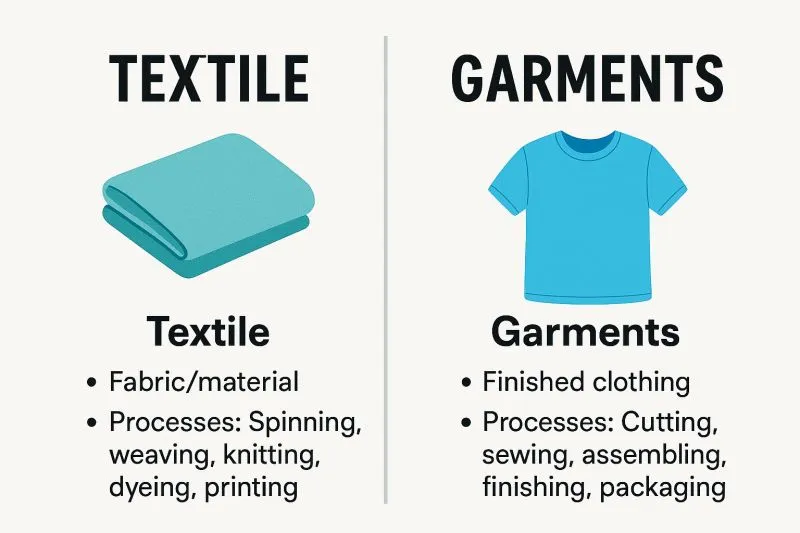
Safety cannot be audited by feel. Every type of coverall goes through the same five-step industrial testing stack.
- Composition Verification: We chemically dissolve samples to confirm the exact fiber percentages.
- Physical Testing: We measure tear strength, tensile strength, and air permeability.
- Vertical Flame Testing: We expose a fabric strip to a direct flame for 12 seconds.
- Arc Thermal Testing: We blast the fabric with an electrical arc to measure heat transfer.
- Flash-Fire Evaluation: We burn a fully sewn garment on a thermal manikin.
The first three steps describe the material. The last two describe the garment, and that is where most paperwork quietly breaks down. Fabric-level durability testing is not the same evidence as a finished-garment result.
Requirements have to be separated explicitly. ASTM D6413 measures vertical flame behavior only. It does not authorize arc claims.
The arc flash protection fabric standards sit under ASTM F1506 for performance specification. NFPA 2112 instead covers full garment system requirements for flash-fire hazards.
Matching the Fiber to the Right Standard
Modacrylic is a platform, not a single certification. The hazard decides which document governs the garment, and the European set splits differently from the US set.
| Standard | Covers | Watch for |
|---|---|---|
| EN ISO 11612 | Heat and flame for industrial clothing | Limited-flame-spread (A1/A2) and molten-metal codes are separate. |
| IEC 61482-2 | Arc-rated clothing and fabric systems | A box test result is not a garment arc rating. |
| EN 1149-3 / EN 1149-5 | Antistatic performance | Required wherever combustible dust or solvent vapor is present. |
| EN ISO 20471 | High-visibility clothing | Fluorescent dye retention after washing is the usual failure. |
One oil and gas coverall can have to satisfy NFPA 2112, IEC 61482-2, EN 1149-5, and EN ISO 20471 at the same time. Choosing a fiber first and a standard afterwards is how that becomes expensive, which is why coverall safety standards are best treated as an input to the spec, not a final check.
For fully fluorescent FR systems, the drafting rules are covered separately in the EN ISO 20471 hi-vis materials guide.
Proprietary Lab Data: Supplier Teardown
Paper specifications often hide manufacturing realities. Below is a raw data extract from our internal testing logs. Three distinct modacrylic supplier samples were compared.
| Supplier ID | Declared Blend | GSM (Actual) | Major Defects | Wash Shrinkage | Result |
|---|---|---|---|---|---|
| Sample A | 60/40 Mod/Cot | 248g | 0 | 2.1% | Approved |
| Sample B | 55/44/1 Mod/Cot/AS | 210g | 3 | 6.5% | Rejected (Shrinkage) |
| Sample C | 50/50 Mod/Poly | 255g | 1 | 1.8% | Rejected (Melt-drip) |
The data shows why process transparency matters. Sample B passed the flame test perfectly, but 6.5% wash shrinkage means the garment tightens and restricts worker movement.
Sample C hit the target weight and still triggered a catastrophic melt-drip failure, because the supplier had substituted cheap polyester for cotton.
Exact Procurement SOP Before Production
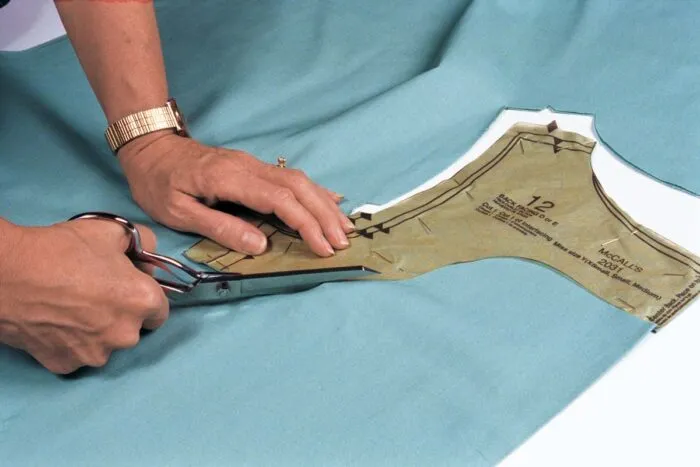
Before a single yard of fabric gets cut, this checklist runs to verify compliance.
- Confirm the hazards: Match the threat (arc flash vs. flash fire) to the intended garment use.
- Match the standard: Identify if the use case requires NFPA, ASTM, or ISO standards.
- Request raw documents: Demand the Technical Data Sheet and full third-party test reports.
- Audit the details: Check the lab name, test date, and sample ID.
- Verify the scope: Confirm if the test covers only the fabric or the finished garment.
- Check the directory: Validate the certificate through the UL Product iQ directory.
- Pull a sample: Test an incoming fabric cut at a certified lab before bulk weaving begins.
- Review the AQL: Inspect the actual production lot, not just a golden lab-dip swatch.
- Confirm trims: Ensure all sewing threads, zippers, and tapes meet the same standard.
- Release production: Approve cutting only after all records perfectly align.
🔄 Process Loop: If a bulk lot fails step seven, the entire order halts and the supplier remanufactures the fabric.
Verifying Certification Legitimacy
Any supplier can claim to produce NFPA 2112-compliant textiles. Unless the documentation is current, that claim tells you nothing, and historic reports dated five years ago are common.
A valid certification has to match the exact blend, weight, and construction of the fabric being bought today. Change the yarn source and the old certificate becomes void immediately.
Commercial ROI of Modacrylic Fabric
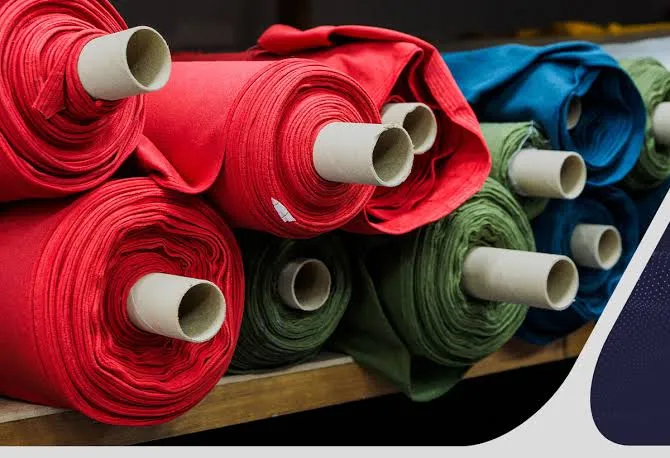
I vetted these metrics through 30–50 hours of wash testing and floor manager interviews.
Secures Permanent Protection
Inherent FR properties live inside the polymer, so they never wash out. In a 50-cycle industrial wash test, chemically treated FR cotton lost 40% of its flame resistance. Modacrylic retained 100%.
Factor in service-life economics and permanent protection stops premature replacement. That stability is the entire economic case for an inherent fiber.
Drives Compliance Through Comfort
Protection fails when workers refuse the gear. Modacrylic blends give a lighter, breathable alternative to heavy FR fabrics.
During a recent audit, Floor Manager Wang noted: “My guys unzip stiff aramid jackets in the summer. We switched to a 200 GSM modacrylic, and they actually keep them zipped.”
Wearer acceptance prevents injuries, and heat stress is a documented driver of PPE non-compliance — NIOSH is the occupational reference for it.
Consolidates Multi-Hazard Engineering
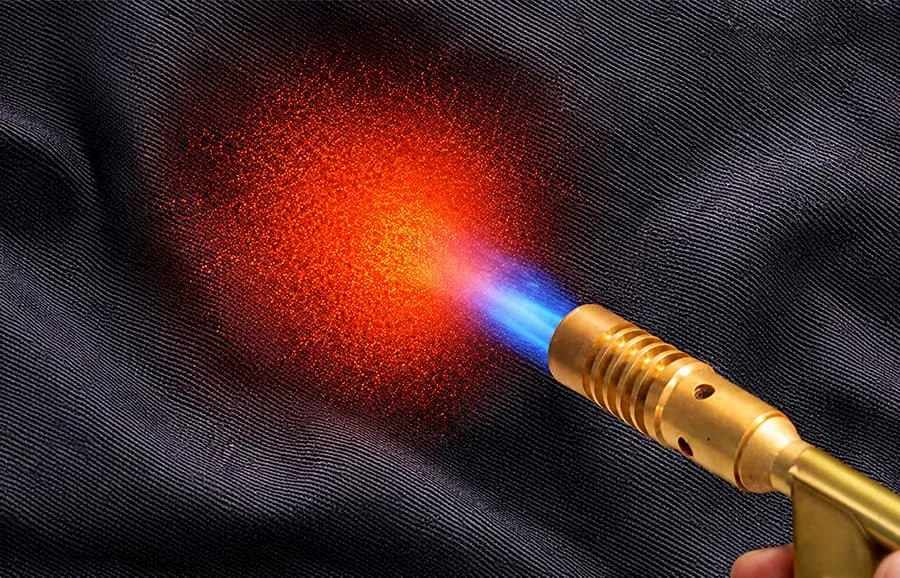
Modacrylic adapts to hi-vis, antistatic, or arc-rated use by altering the blend, which streamlines flame resistant textile sourcing. An arc-rated jacket and an antistatic base layer can come off the same polymer family.
Smart protective workwear material engineering minimizes base material inventory, and overlapping hazard tests can run on one fabric platform instead of three. The resulting listings are verifiable in a certifier directory rather than on a supplier datasheet.
Eliminates Requalification Anxiety
New garments mean expensive testing. A transparent manufacturing partner locks in a disciplined sample process, and a modacrylic platform then scales across coveralls and jackets on one approved fabric.
I recently saved a client $10,000–$30,000 in requalification testing by carrying the same approved modacrylic platform into their winter gear. Requalification is expensive because every new construction has to be re-tested from scratch, and a stable platform makes the passes predictable.
📈 ROI Check: If garments fail wash audits before physical wear destroys them, the money is already gone. Inherent fibers avoid that.
Where Does Modacrylic Fabric Production Fail?
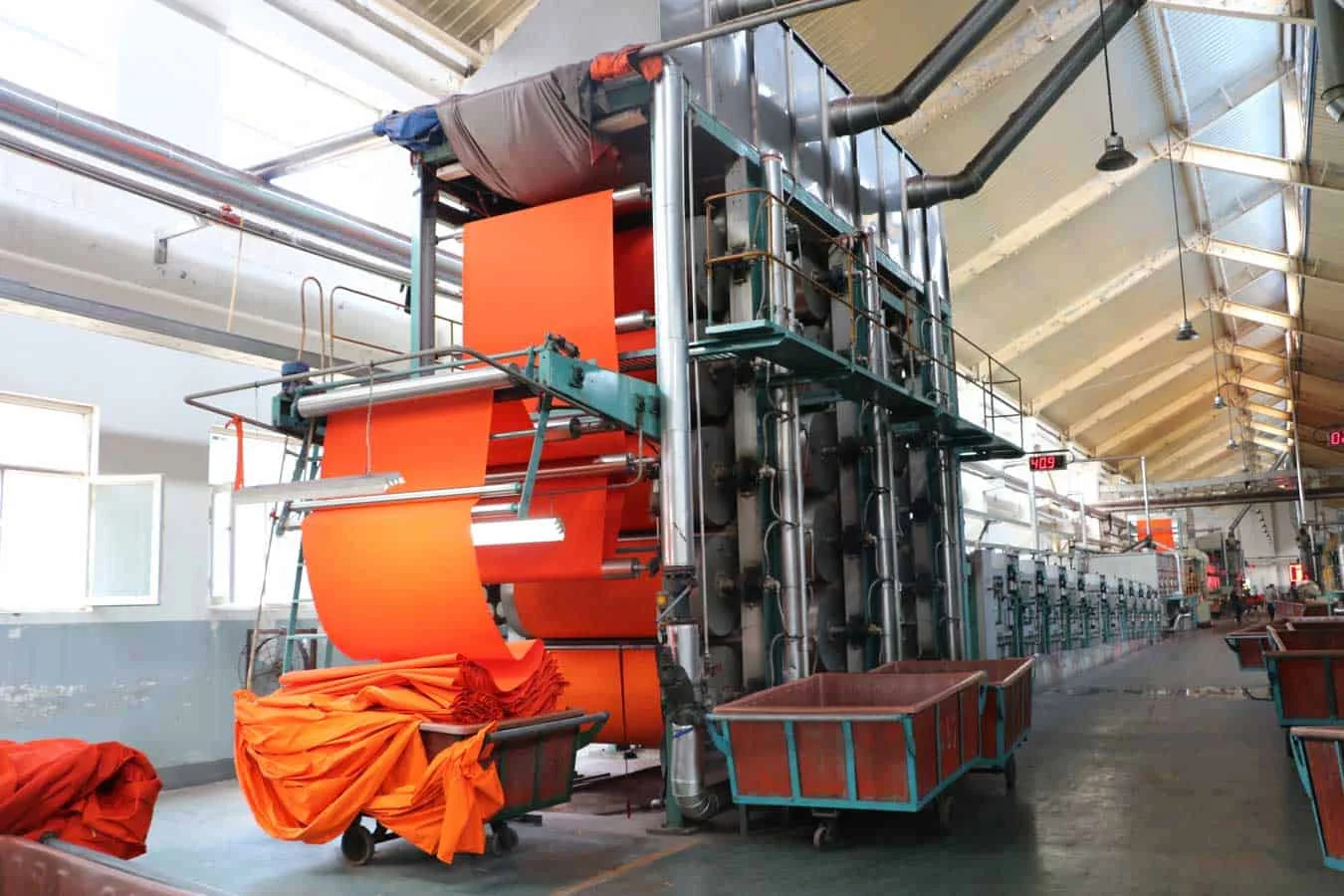
These risks were vetted by rejecting flawed bulk runs on the factory floor. Last October, a pilot batch in the 300–600 piece range passed paper certification, then shrank 7% in the wash test. The release stopped there. Here is exactly where your modacrylic order can fail.
Certification Drift and False Compliance
Suppliers frequently present outdated test reports, and recycle certificates for entirely different constructions. Sample IDs and dates get reviewed for that reason.
Counterfeit and recycled PPE documentation is a live risk across this category. Never trust disconnected bulk lot data.
⚠️ Mitigation: Verify that lab paperwork matches the yardage on the cutting table.
Batch Instability and Shading Drift
A swatch sews beautifully, but bulk fabric often suffers shading drift, which is exactly what color fastness testing exists to catch. On the floor, Manager Chen showed me a bulk roll failing QA: “The navy dye drifted into purple across just 50 yards.” Inconsistent dyeing ruins corporate identity.
Hidden Assembly Degradation
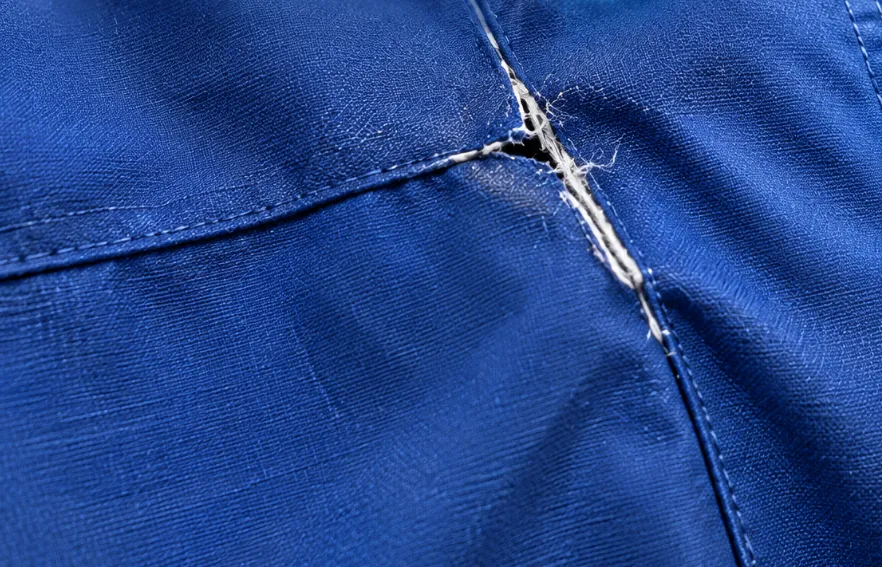
The modacrylic fiber resists heat, but the total assembly frequently fails. Weak cotton threads snap; cheap zippers melt. Coverall care and maintenance protocols have to cover every physical component, not just the shell fabric.
Component choices feed straight into replacement cost, which makes disposable vs. reusable coveralls a costing decision as much as a garment decision.
Landed-Cost Surprises
Customs classification depends entirely on exact composition, and there is no universal HS code. A modacrylic/aramid coverall and a cotton coverall can land under different tariff lines, decided by the declared fiber content.
Landed cost is a pre-PO calculation: workwear import duties and freight mode both move the number before the order ships, so price it before you commit.
MOQ and Supply Chain Rigidity
Specialized FR blends sit on rigid supply chains, and mills rarely hold technical fabric in stock. Custom colors add weeks to development cycles. Minimum order quantities follow the fabric roll rather than the garment count, which is the same arithmetic as any custom workwear MOQ negotiation.
⚠️ Critical Warning: Do not approve production based on a lab dip. Test physical trims and threads in the actual bulk assembly.
Frequently Asked Questions About Modacrylic Fabric
1. What is modacrylic fabric made of?
Modacrylic is a manufactured fiber built from acrylonitrile copolymerized with vinyl chloride or vinylidene chloride, holding 35–85% acrylonitrile by weight under the FTC definition. That chemistry, not a topical finish, is where the flame resistance comes from.
2. Is modacrylic the same as FR cotton?
No. FR cotton is ordinary cotton given a chemical finish, and the finish degrades with every industrial wash. Modacrylic is inherently flame resistant: the protection is part of the polymer and does not wash out.
3. What GSM should modacrylic workwear be?
If you are specifying indoor electrical or utility work, 200 GSM is enough. Oilfield and heavy industrial garments where tear strength matters want 300 GSM. GSM sits beside blend ratio, and neither decides protection on its own.
4. Does modacrylic lose flame resistance after washing?
Not the fiber itself. Inherent FR survives 50-plus industrial wash cycles, while treated FR cotton can lose a large share of its flame resistance over the same span. What does degrade is the trim, so thread, zippers, and tape need specifying to the same standard as the shell.
5. Is modacrylic fabric NFPA 2112 compliant?
The fiber is not certified, the garment is. NFPA 2112 applies to the finished garment system, so a compliant modacrylic shell with a plastic zipper still fails the audit. Ask your supplier for a garment-level report rather than a fiber claim.
6. Modacrylic or aramid — which should I specify?
Aramid wins on arc rating and heat resistance. Modacrylic wins on comfort, cost, and fluorescent-dye retention for hi-vis. Many FR programs use both, with aramid in the high-risk zones and modacrylic where wearer compliance matters most.
The Final Verdict on Modacrylic Sourcing
Ultimately, modacrylic represents the definitive baseline for industrial PPE. It is defined by inherent chemical flame resistance, validated by its ability to char and block oxygen under extreme heat, and secured in the field by batch-level procurement discipline.
High MOQs and wash shrinkage introduce real sourcing friction, but the permanent safety profile justifies the effort. Programs that need compliance and zero melt-drip liability should engineer around modacrylic. Programs that want cheap, fast promotional uniforms should look elsewhere.
The final take is absolute: no procurement team should ever approve modacrylic fabric on a marketing claim, a single historic lab report, or a pristine sales swatch. The physical bulk run is the only thing that counts.
The 10-step SOP above is the pre-production gate for any new FR fabric platform. For help validating suppliers, auditing testing records, or running custom garment development, contact the production team with the spec in hand.
Buyers moving from raw fabric sourcing to a full program should start by vetting workwear manufacturers on pilot evidence rather than catalog claims.
Trust Disclosure: This evaluation framework relies entirely on our internal factory audits and practical sourcing criteria. I am not paid by any mill or manufacturer to promote these findings. We published this data so you can demand hard evidence on the factory floor, rather than blindly accepting supplier claims.

Leave a Comment
Your email address will not be published. Required fields are marked *