Chapter 1: Fabric
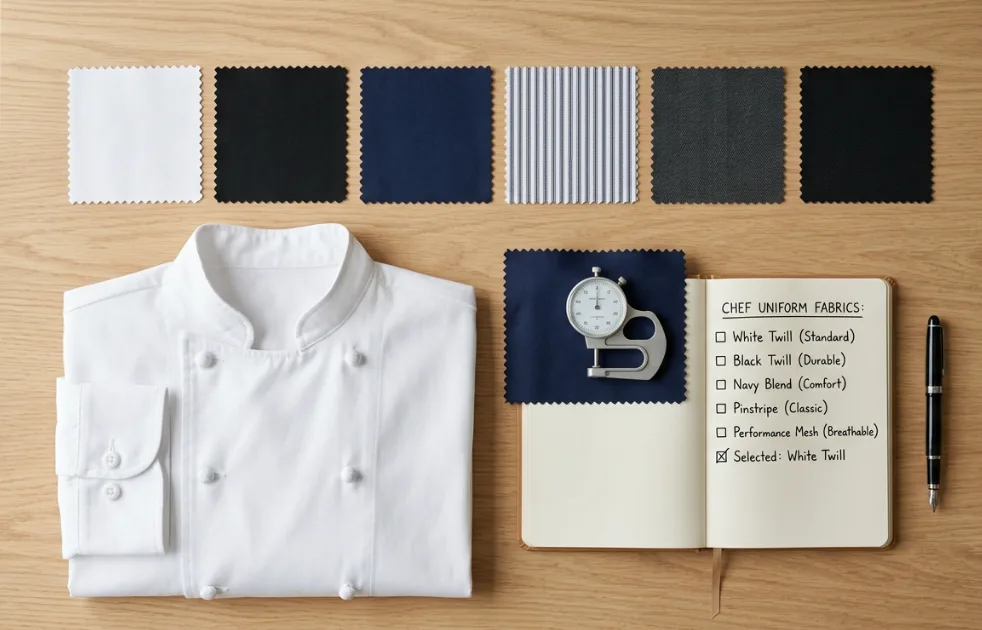
7 Steps to Master Chef-Uniform Fabric Selection: A Tested Buying SOP
7-step buying SOP for chef uniform fabric selection: map kitchen stations, set pass/fail specs, compare poly-cotton blends, stress-test 50+ washes.
Your complete guide to workwear fabrics. Understand material properties, durability ratings, and textile performance to make informed workwear sourcing decisions.
14 articles
7-step buying SOP for chef uniform fabric selection: map kitchen stations, set pass/fail specs, compare poly-cotton blends, stress-test 50+ washes.
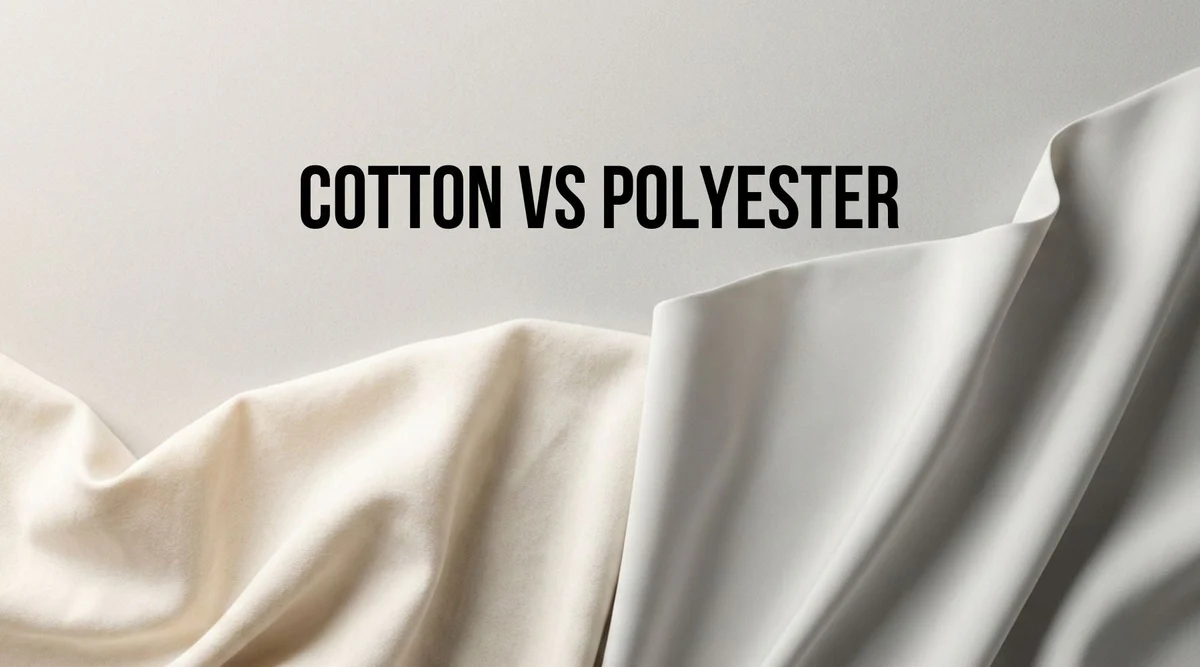
Cotton vs polyester for enterprise uniform programs: why polyester is the safer default at 5,000+ units and where cotton wins.
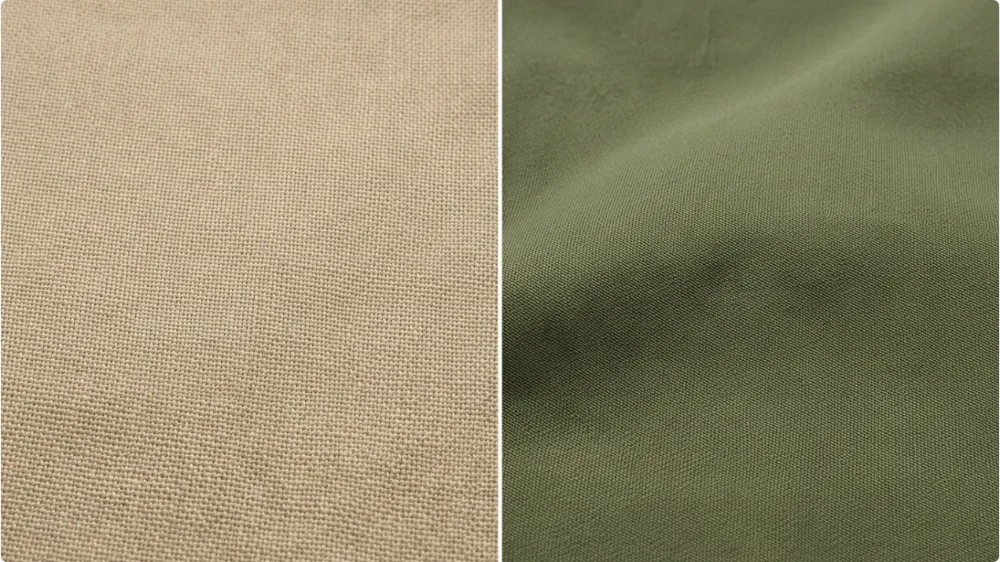
Canvas vs ripstop for workwear: canvas wins for spark-heavy trades, ripstop for mobile crews. Compare abrasion, weight, and cost before buying.
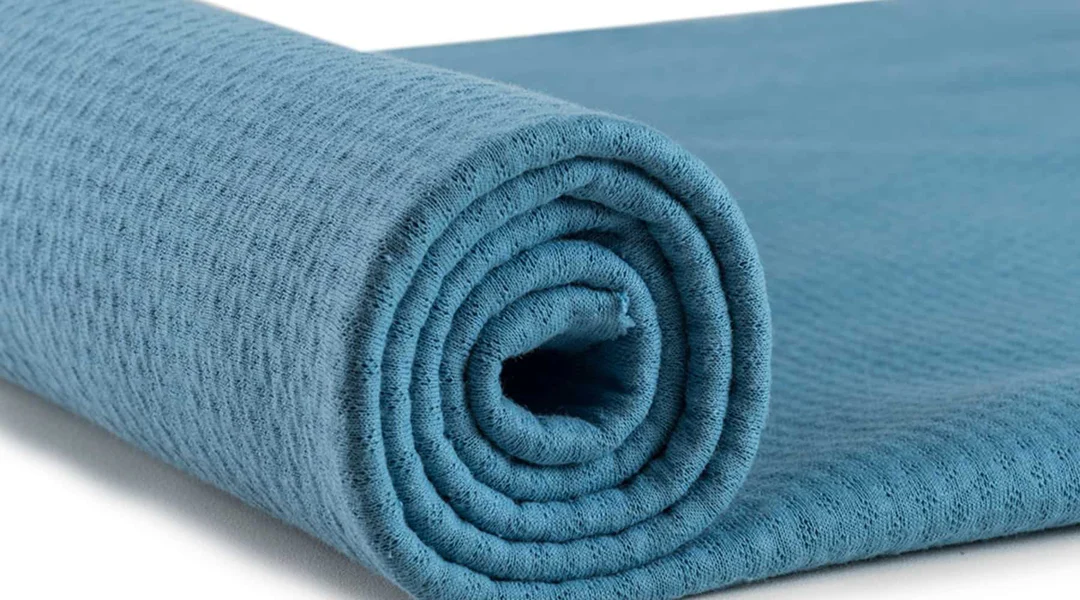
Anti-pill & anti-fade fabric that survives 30 commercial washes — stop premature garment degradation, replacement costs, and brand damage.
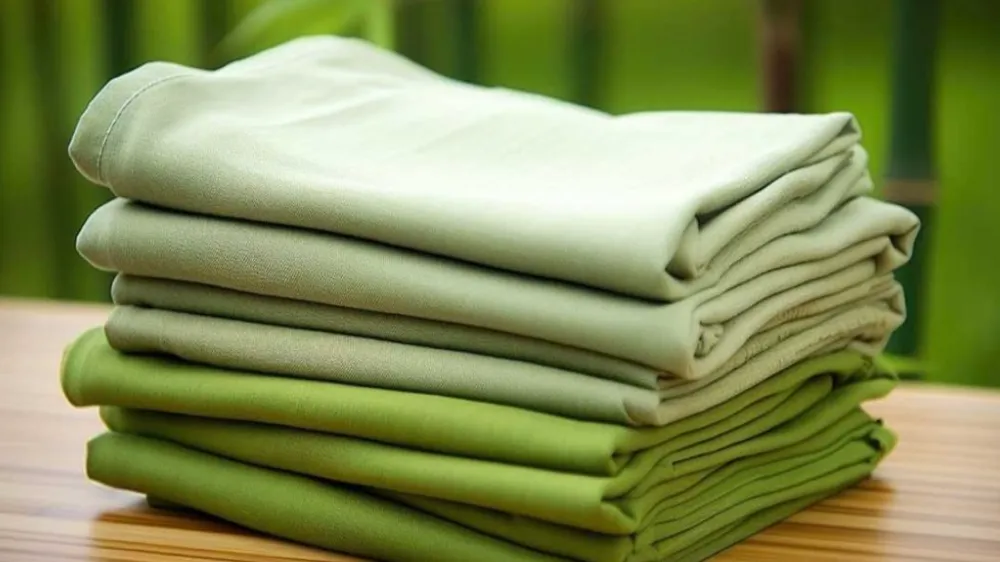
What is moisture-wicking fabric for uniforms: keep workers dry, cut heat-stress PPE abandonment, and protect OSHA compliance.
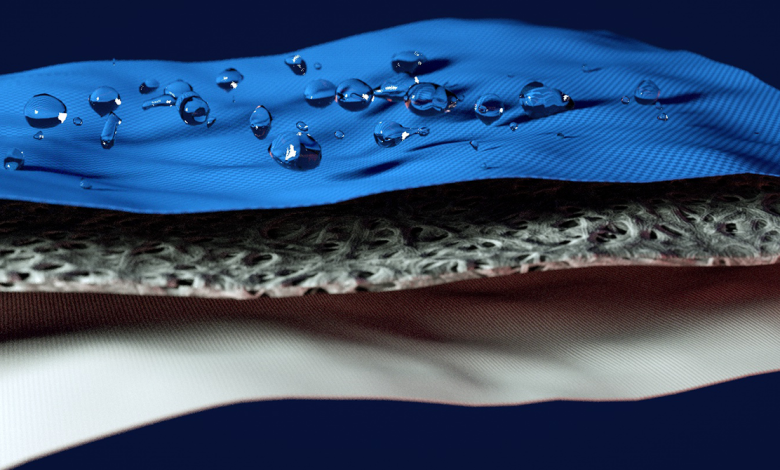
Waterproof fabric for workwear: 9 factory-certified options that survive 30 industrial wash cycles without seam leakage.
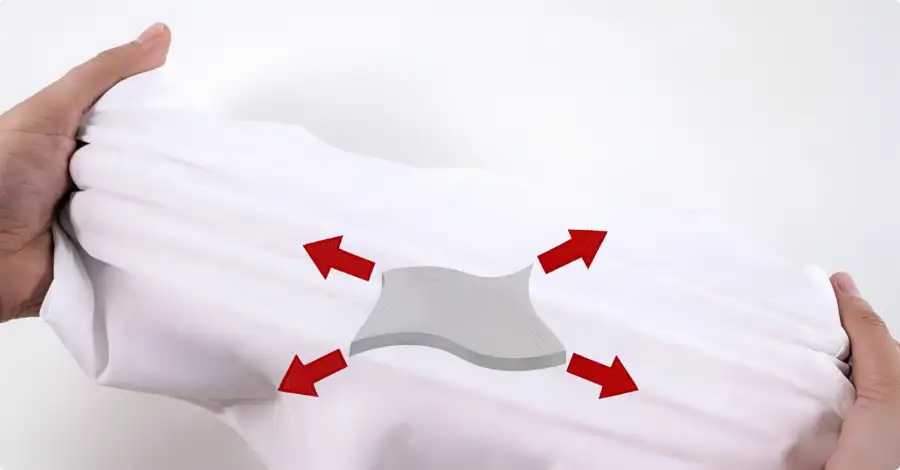
4-way stretch fabric for workwear: how to choose one that survives 5,000-unit bulk runs, industrial laundering, and audits.
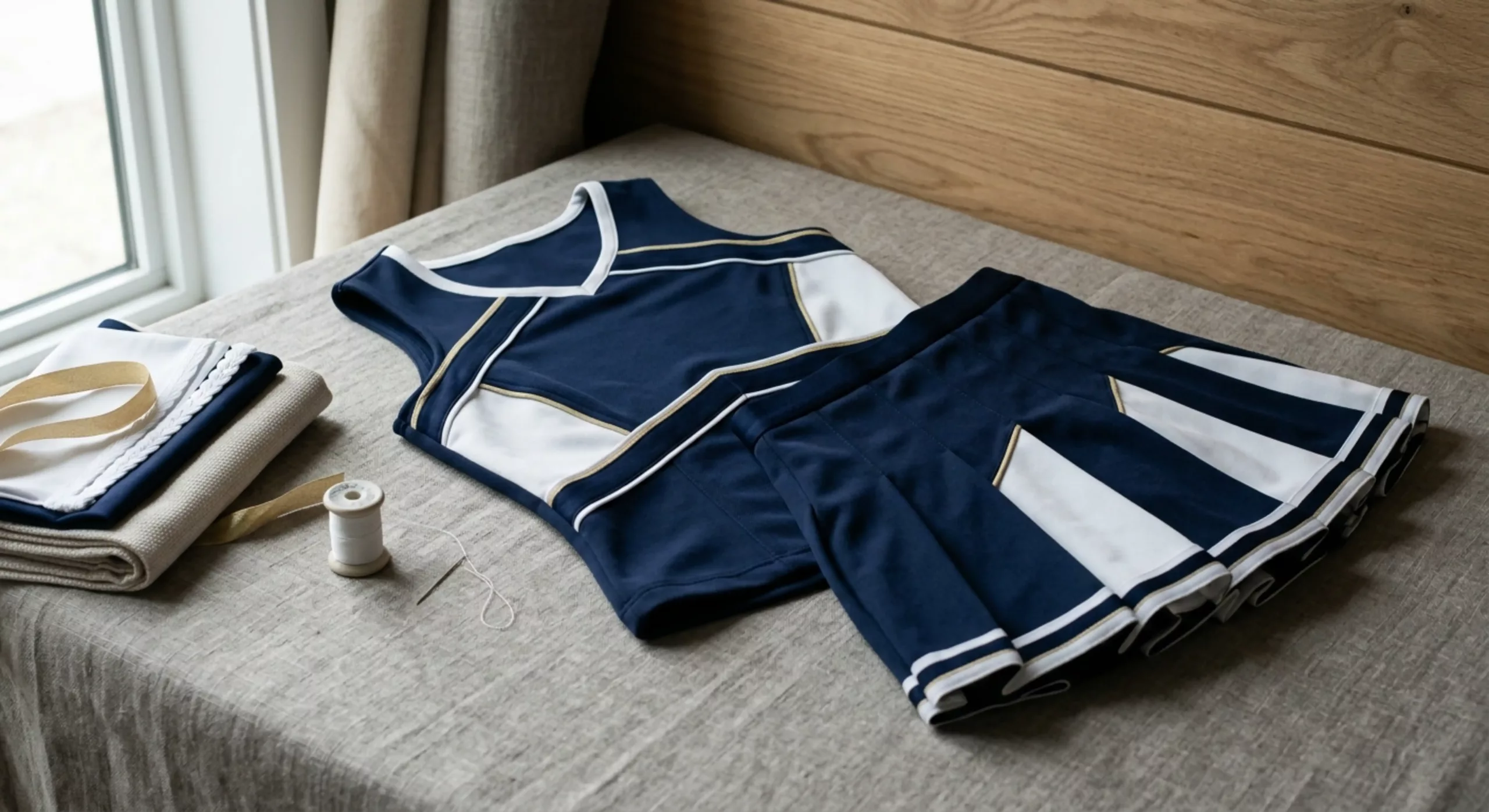
5 cheerleading uniform materials tested to AATCC wash standards — choose durable, high-performance fabric that survives competition season.
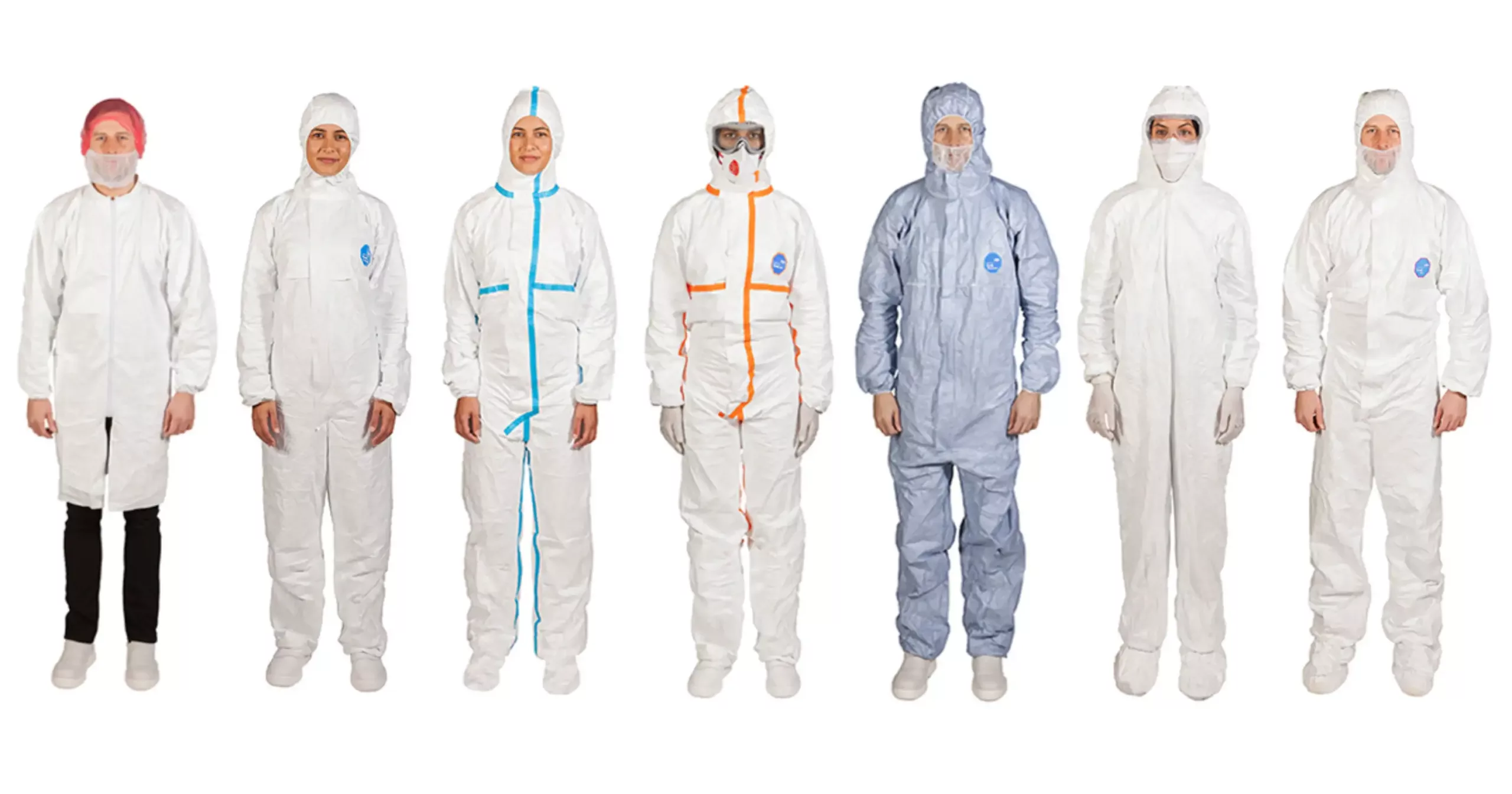
Coverall material guide: match fabric to site hazards to avoid catastrophic failures — a 10-year supply-chain audit perspective.
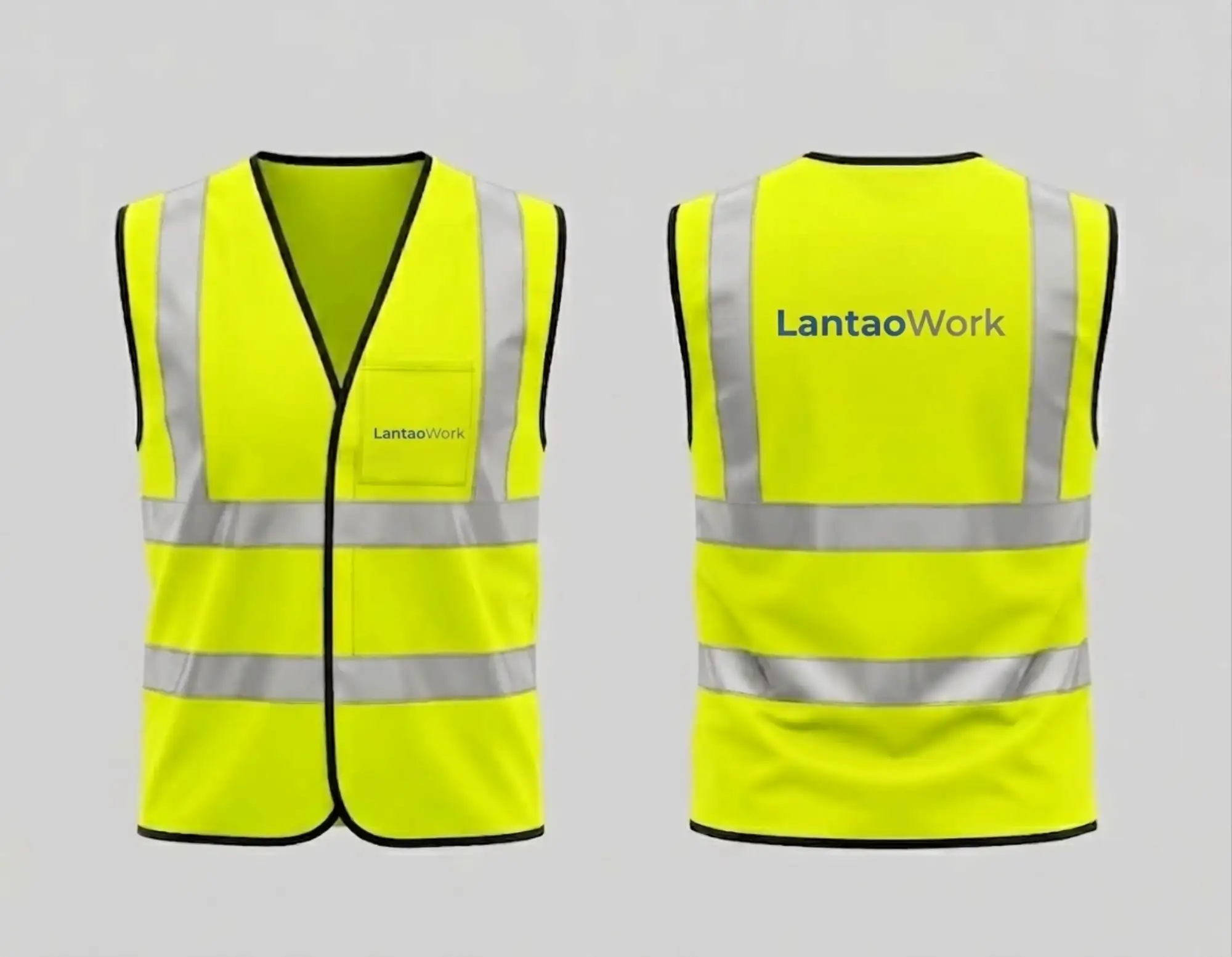
Fabric for safety vests: lightweight strength that passes site audits — how to stop treating high-visibility gear as a commodity.

Best fabric for bartender aprons: choose material that resists syrup, citric acid, and sanitizer, stays stain-free, and survives high-volume service.
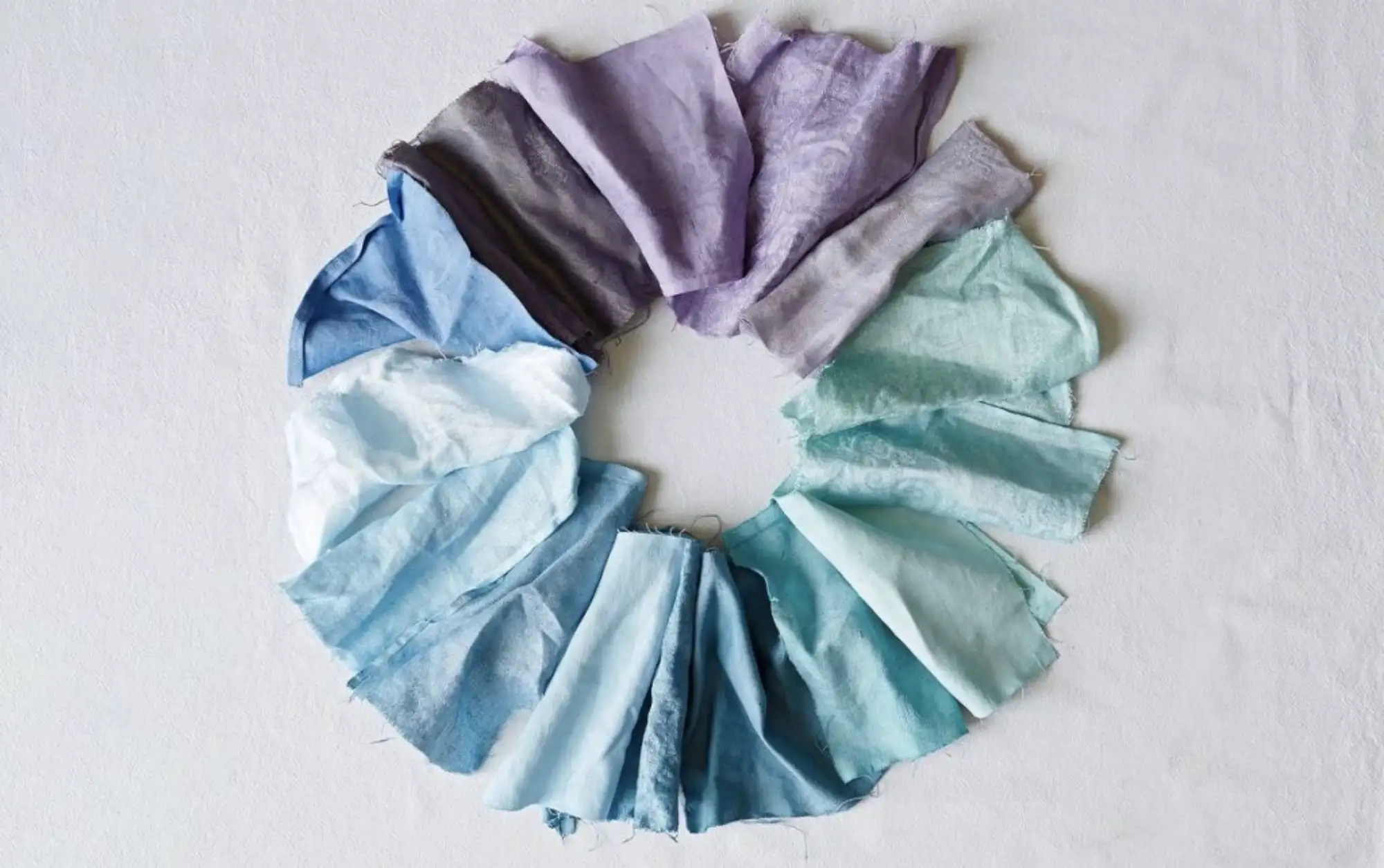
Best fabric for restaurant uniforms: 65/35 poly-cotton, matched to hot kitchens and aprons. It stays cool, crisp, and wash-fast.
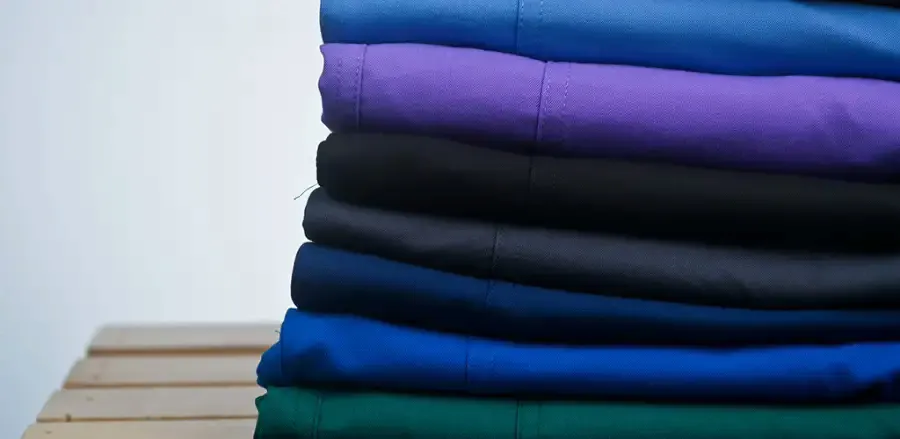
Scrub fabric guide: softer, stronger clinical uniforms that stop overheating, clinging, and collar chafing on long shifts.

Uniform fabrics: choose by comfort, OSHA compliance, and brand durability — not hand feel alone.