Table of Contents
By hour ten of a clinical shift, aesthetics vanish. Clinicians face overheating under heavy PPE, clinging fabric during rapid patient transfers, and severe collar chafing. Research confirms that thermal discomfort from heavy protective clothing directly degrades cognitive focus.
After engineering technical workwear for global healthcare networks, the same costly mistake keeps appearing: organizations treat uniforms as generic commodities. Scrub fabric is a precise textile system combining specific fiber contents, weave structures, fabric weights, stretch behaviors, and protective finishing treatments.
Frontline clinicians demand breathability and unhindered motion when evaluating what nurses wear. Procurement teams require longevity and strict visual consistency across hundreds of industrial wash cycles.
Selecting the right fabric transforms a basic uniform from a daily liability into a strategic operational asset. Here are the fundamental building blocks of modern medical textiles.
Technical Fundamentals of Scrub Fabric
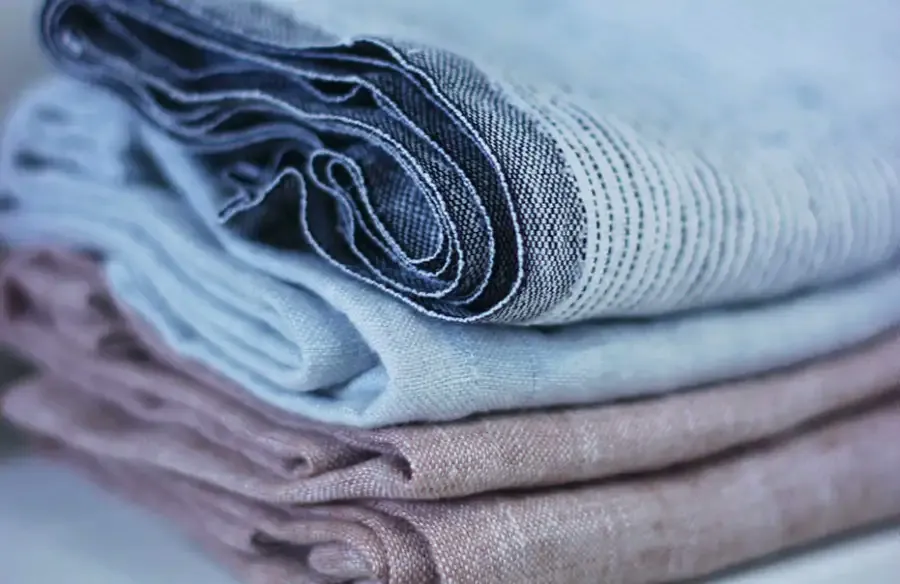
Understanding the technical building blocks of scrub fabric is essential to selecting uniforms that balance durability, comfort, and clinical performance. This section breaks down the core materials, weaves, and finishes that define medical-grade textiles for healthcare environments.
1. What is Scrub Fabric?
Scrub fabric is a specialized textile engineered to survive harsh sanitation protocols while remaining comfortable.
Think of building a house. You do not build using only wood. You pour a concrete foundation and add steel support. Scrub fabric works the same way. We rarely rely on a single thread. Instead, we combine materials to solve specific workplace hazards.
In our factory, we build scrubs using four fundamental blocks:
- Fiber: The raw ingredient, like cotton or polyester.
- Blend: The exact recipe of mixed fibers.
- Weave: The interlocking pattern that dictates breathability and stretch.
- Finish: A chemical treatment adding water repellency or wrinkle resistance.
Industry standards from bodies like the Textile Exchange classify how base fibers perform on the hospital floor:
- Cotton: Soft and breathable, but shrinks easily.
- Polyester: Tough and quick-drying, but traps heat.
- Rayon (Viscose): Offers a silky drape, but weakens during hard washes.
- Spandex (Elastane): Provides stretch and shape recovery.
When deciding what nurses wear, modern procurement teams avoid basic 100% cotton. They request high-performance uniform fabrics. Popular options include reliable poly-cotton, soft polyester-rayon-spandex, and the highly mobile polyester spandex blend for scrubs.
2. Technical Glossary
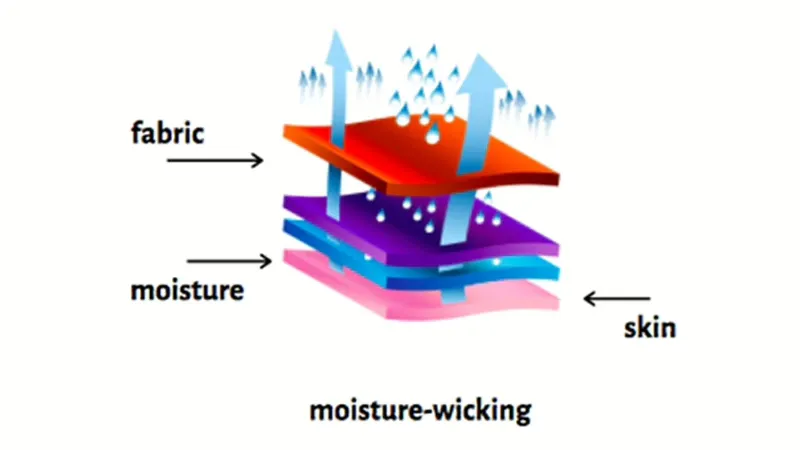
When clients review spec sheets, they often encounter confusing terminology. Here is a simple translation guide:
- Moisture-Wicking: Pulls sweat away from the skin to dry fast.
- Four-Way Stretch: Stretches crosswise and lengthwise for total mobility.
- Antimicrobial: Treated to resist odor-causing bacteria.
- Wrinkle-Resistant: Holds a crisp shape straight out of the dryer.
- Fluid-Resistant: Causes liquids to bead up and roll off.
- GSM (Grams per Square Meter): This metric measures actual fabric weight.
3. The GSM Weight Chart
In our experience, choosing the wrong fabric weight ruins a great design. Heavy fabrics cause overheating. Thin fabrics look cheap. We use this practical GSM guide to match uniforms to their environment:
| Fabric Weight | GSM Range | Best Use Case |
|---|---|---|
| Lightweight | 110-140 GSM | Hot environments, high-movement roles |
| Midweight | 150-180 GSM | All-season everyday wear (industry standard) |
| Higher-Weight | 190+ GSM | Cooler clinics, structured fit garments |
🌍 Real-World Context: A 160 GSM polyester spandex blend for scrubs offers the perfect balance of durability and comfort for standard 12-hour shifts.
Two scrub tops look identical on a hanger but behave entirely differently during a trauma code. Comfort requires engineered mechanics, not magic. As an integrated supply chain partner handling services from raw yarn to finished garments, we test these textiles to their breaking points. Here is how raw fibers transform into high-performance medical gear.
4. Fiber Behavior and Moisture Management
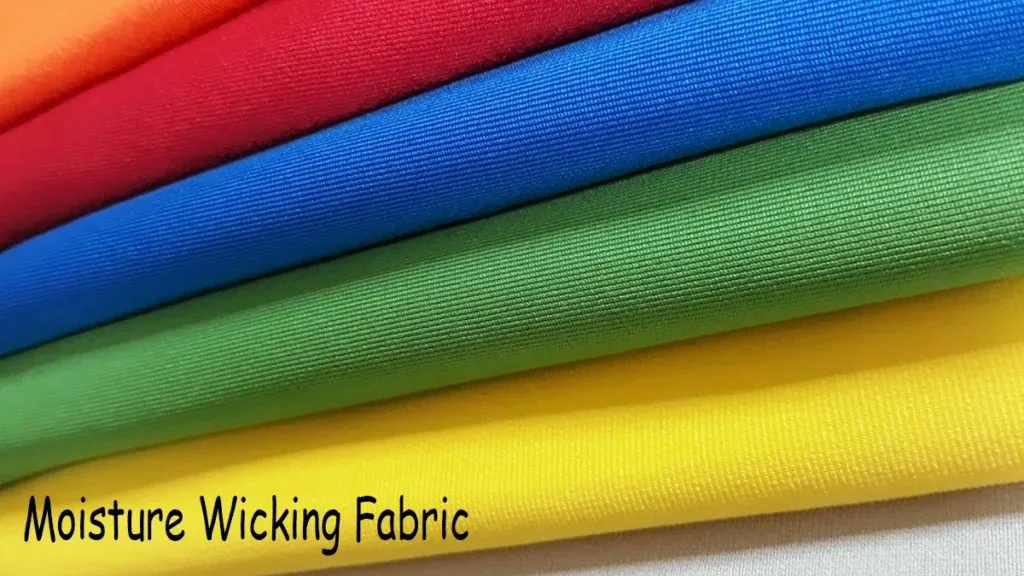
Buyers frequently confuse absorbency with moisture management. Absorbency turns fabric into a sponge. When a nurse sweats in standard cotton, the fiber traps water. The garment grows heavy and cold.
True moisture-wicking medical fabrics act like microscopic plumbing systems. Imagine a one-way pipeline. They rely on capillary action. The inner layer pulls sweat off the skin. It pushes liquid to the outer surface, where it evaporates rapidly. This requires precise engineering. Polyester dries fast because it acts like extruded plastic. It cannot absorb water. Cotton feels soft against the skin. We blend these fibers to force both behaviors.
Chemistry fails without physical quality. Our lab tests show poorly spun yarn creates microscopic hooks. This abrasive texture irritates sensitive skin, regardless of the blend.
5. Stretch and Movement Mechanics
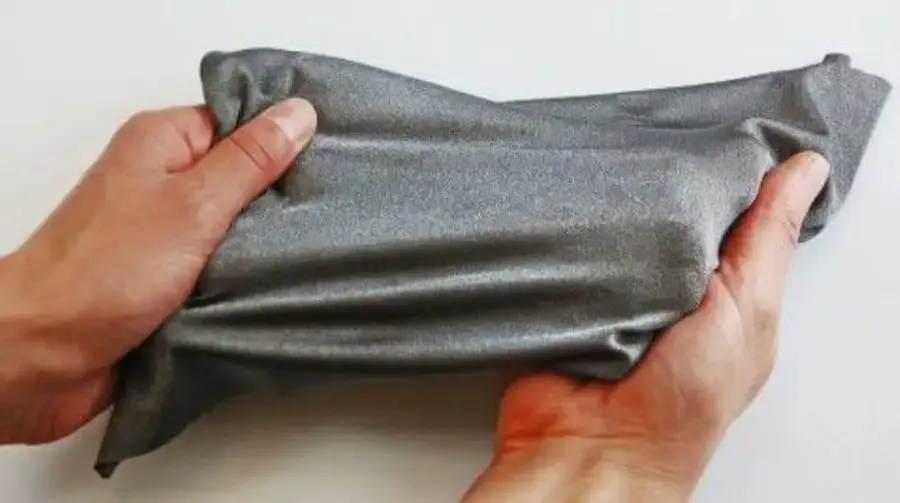
Stretch originates from two distinct mechanics. Mechanical Stretch relies on weave architecture. The loom weaves threads loosely so they pull apart and snap back. Elastane Stretch weaves actual rubber-like filaments directly into the yarn.
We engineer four-way stretch medical uniforms to expand and recover horizontally and vertically. This recovery helps mobile community healthcare teams crouch, reach, and lift. A premium polyester spandex blend for scrubs excels here. It delivers a tailored fit without restricting movement.
But stretch carries a thermal cost. Exceeding 8% spandex traps body heat. Furthermore, our wash tests reveal that high-heat industrial laundering destroys cheap elastane. Filaments snap, leaving uniforms permanently baggy.
6. Weave and Surface Architecture
Yarn interlocking dictates garment survival. We frequently guide medical uniform manufacturers through the primary structural debate: poplin vs twill scrubs.
Texture close-ups reveal obvious differences.
- Poplin uses a simple over-under checkerboard pattern. This creates a smooth, lightweight fabric with a crisp appearance. It maximizes breathability. We specify poplin for hot outpatient clinics or fast-paced dental settings.
- Twill uses a diagonal, stair-step pattern. It packs higher yarn density. Twill feels structured and heavy-duty. The diagonal weave hides wrinkles, resists sharp snags, and drapes cleanly. We mandate twill for heavy-duty hospital wards, housekeeping-adjacent roles, and bulk institutional buying.
Performance and Functional Characteristics
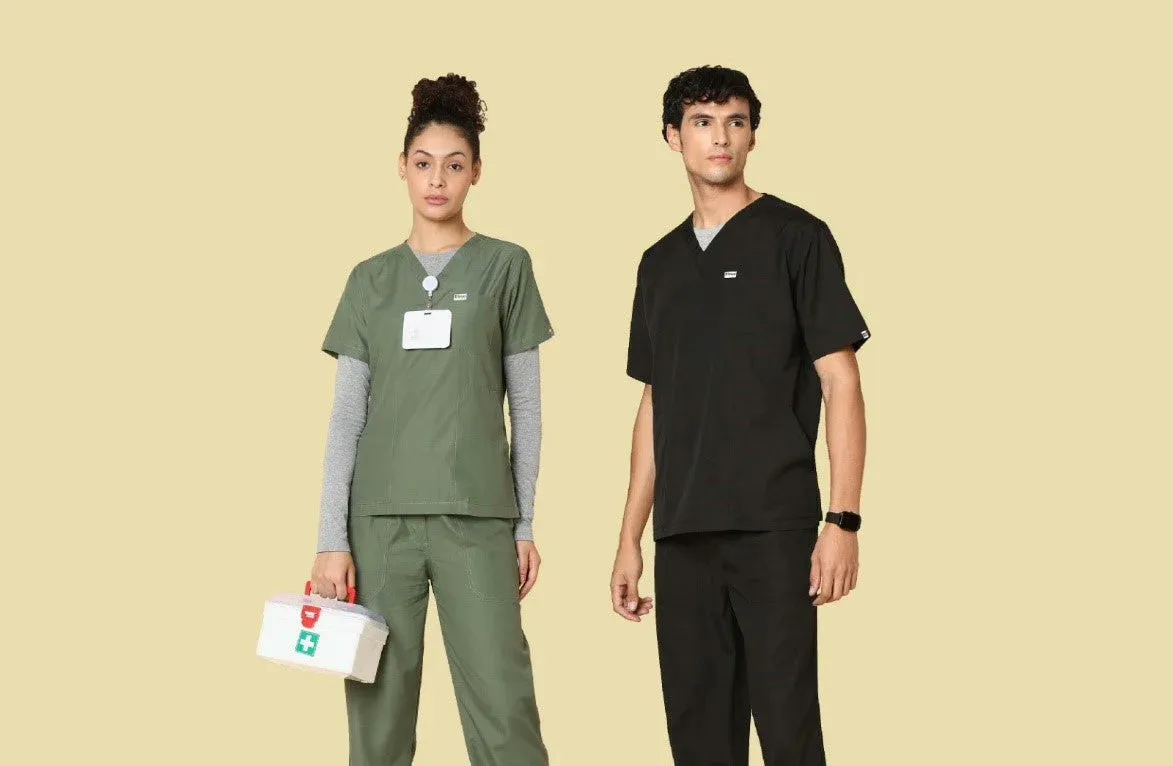
Beyond basic comfort, scrub fabric’s performance finishes and durability directly impact clinical safety, operational longevity, and staff satisfaction. This section breaks down the technical treatments and validation metrics that separate medical-grade textiles from everyday apparel.
1. Performance Finishes and What They Actually Do
We apply chemical finishes after weaving. These treatments create wrinkle-resistant medical apparel, anti-static surfaces, and stain-release barriers.
Antimicrobial protection dominates requests. Buyers must distinguish between a cheap topical spray and an embedded treatment. Topical sprays wash away after ten cycles. We embed silver-ion antimicrobial treatments directly into the yarn. When bacteria land on the fabric, the silver ions physically rupture the bacterial cell walls. This stops multiplication.
Buyers must verify this mechanically. We subject our antimicrobial scrub materials to rigorous testing. They retain 99% efficacy after 50+ industrial washes.
⚙️ Technical Detail: Antimicrobial treatments do not make a garment infection-proof. Water-resistant finishes do not equal waterproof. A fluid-resistant barrier forces blood or saline to bead up and roll off. This gives the clinician five seconds to wipe it away. Heavy pressure still pushes liquid through the weave.
2. Durability and Validation: From Marketing Claims to Test Data
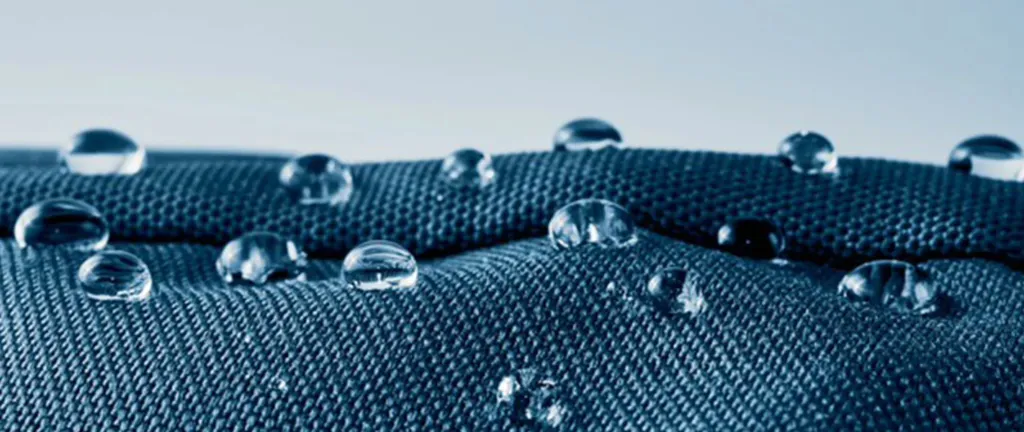
Most articles about scrub manufacturers in usa focus purely on perceived comfort. Serious procurement officers require hard data. We mandate stringent scrub fabric durability testing before approving bulk runs. We expose the fabric to extreme friction, harsh chemicals, and thermal shock.
If you outfit thousands of staff members, demand these specific test metrics:
- Fabric Weight (GSM): Dictates the balance between breathability and opacity. We target 160 to 200 GSM for optimal performance.
- Pilling Resistance: Ensures the fabric surface stays smooth after friction. Reference ASTM D3512 for pilling resistance.
- Antibacterial Retention: Proves the silver-ions survive commercial laundry chemicals. Demand compliance with ISO 20743 textile testing.
- Fluid Repellency: Measures chemical barrier integrity against biohazards. Check the AATCC liquid repellency standard.
- Chemical Safety: Guarantees zero toxic dyes touch human skin. Verify with an OEKO-TEX compliance resource.
We also mandate tests for seam slippage and dimensional stability. A fabric might survive the wash chemically. However, if the cotton shrinks by 5%, the medical scrubs embroidery puckers instantly. The garment fails. Rigorous lab testing remains the only way to separate a premium scrub fabric from a cheap imitation.
Based on our audits of thousands of uniform programs, treating textiles as a basic expense drains budgets. The right scrub fabric transforms daily clinical focus and long-term financial returns.
Functional Benefits of Scrub Fabric
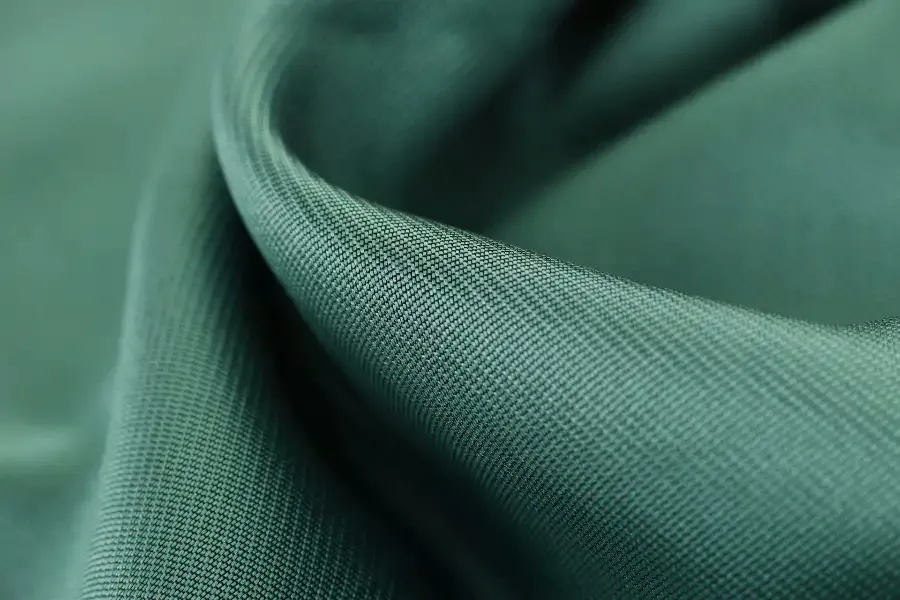
Beyond basic comfort, high-performance scrub fabric delivers tangible clinical and operational advantages that directly support frontline care teams. Below are the core functional benefits that set premium medical uniforms apart from standard apparel.
1. Maintains Focus Under Pressure
Breathable scrub fabric pulls moisture away from the skin. This stops damp garments from clinging during rapid patient transfers. Staff stay cool, preventing cognitive fatigue. According to Applied Ergonomics, thermal comfort directly lowers clinical error rates.
2. Accelerates High-Activity Mobility
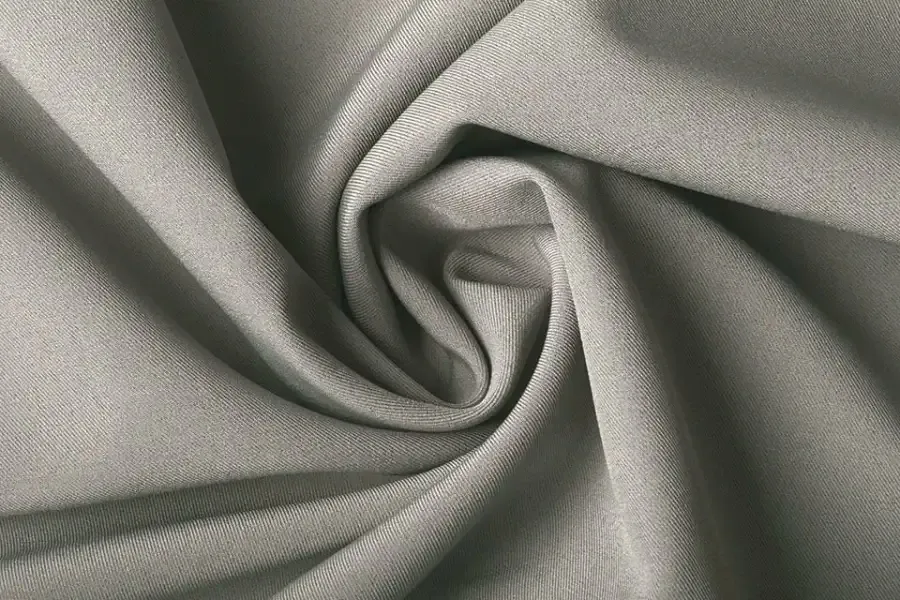
Four-way stretch fibers move with the body. We routinely see nurses fight stiff garments while lifting patients. Premium stretch fabrics expand during a deep crouch and snap back instantly. This eliminates mobility friction and prevents baggy knees.
3. Protects Sensitive Skin
Rough yarns act like sandpaper during 12-hour shifts. We specify high-viscose blends to deliver a smooth hand feel and reduce trapped dampness. This eliminates abrasive seam friction. Clinicians avoid painful chafing and contact dermatitis.
4. Secures a Zero-Maintenance Professional Image
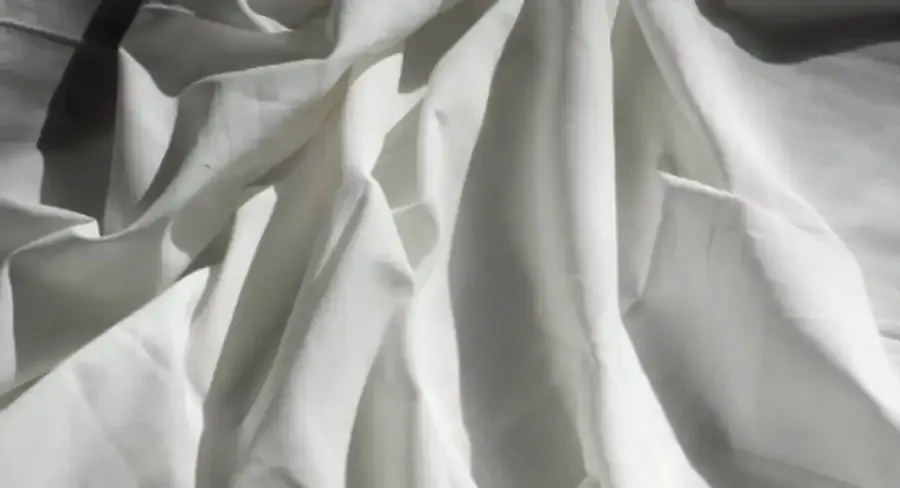
Wrinkle-resistant scrub fabric keeps uniforms crisp without ironing. Clinicians look sharp even after a trauma code. Furthermore, fade-resistant treatments ensure your specific color of scrubs meaning remains distinct and recognizable across the ward.
5. Slashes Total Cost of Ownership
Commercial laundering destroys cheap textiles. In our wash tests, premium polyester blends delivered a 40% longer lifespan than standard cotton. The Textile Rental Services Association confirms that extending uniform durability cuts annual budgets. Implementing smart strategies for buying wholesale scrubs permanently protects your bottom line.
📈 ROI Check: If staff request replacements before the 12-month mark due to fading or tearing, your fabric fails the Total Cost of Ownership test.
Selection and Application
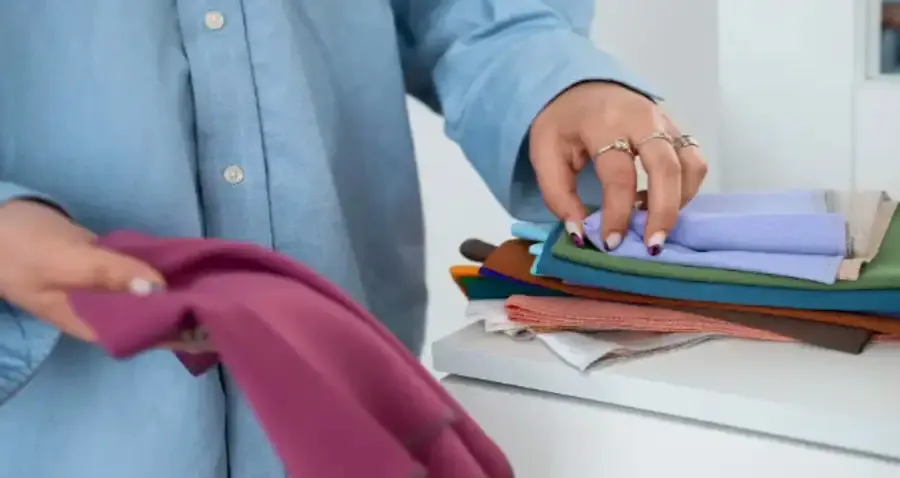
Choosing the right scrub fabric means aligning material strengths with real-world clinical needs. This section breaks down use-case prioritization and the inherent tradeoffs between fiber types, helping procurement teams and clinicians make data-driven decisions for long-term performance and comfort.
1. Best Scrub Fabric by Use Case
We use this matrix to align department needs with textile capabilities:
| Use Case | Fabric Priority | Verified Benefit |
|---|---|---|
| Sensitive Skin | Viscose (Rayon) | Delivers ultra-soft hand feel. |
| Hot Climates | Lightweight poplin | Maximizes rapid airflow. |
| High-Motion | 4-way stretch | Allows unrestricted lifting. |
| Budgets | Poly-cotton | Affordable durability. |
| Procurement | Heavy twill | Survives industrial washing. |
We test hundreds of scrub fabric blends annually. The perfect textile does not exist. Every design choice forces a practical compromise.
2. The Fiber Trade-off
Cotton-rich materials breathe well, but they wrinkle and wear out rapidly. Polyester-rich blends survive brutal industrial washing, yet they trap heat and hold odor. In our wash-testing facility, a soft rayon-rich sample deteriorated in just 20 cycles. Rayon lacks the structural integrity for high-heat laundering. Spandex improves range of motion. However, harsh bleach degrades these elastic threads quickly.
⚖️ The Trade-off: You must choose between ultimate skin comfort and long-term wash durability.
3. Performance Finish Caveats
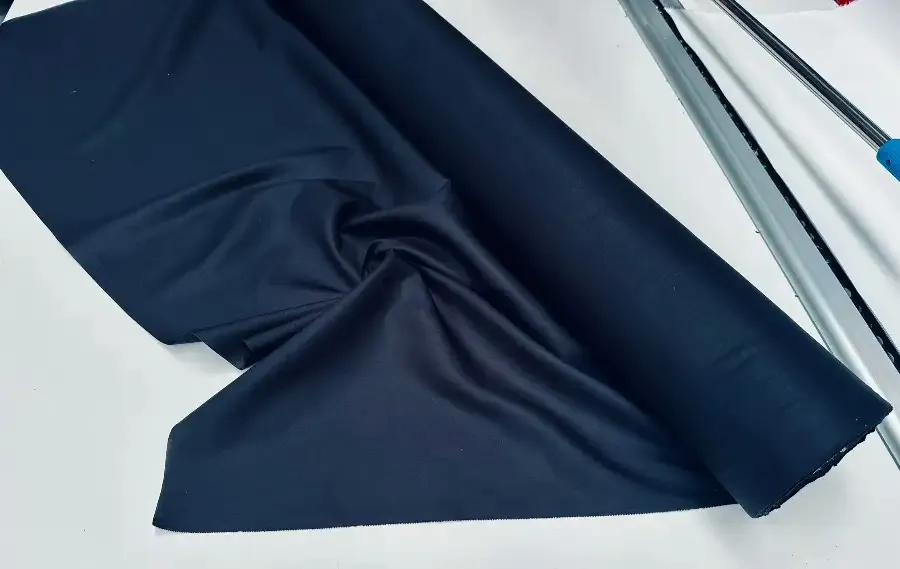
Marketing materials frequently oversell chemical treatments. We log wild variations in antimicrobial claim credibility. Water-resistant barriers degrade after 30 washes, leaving clinicians vulnerable to fluids. Furthermore, heavy wrinkle-resistant chemistry stiffens the textile, ruining the soft hand feel. The FTC regularly warns apparel marketers against making unsubstantiated health claims.
⚠️ Critical Warning: Antimicrobial materials never replace proper laundering, strict infection-control protocols, or true PPE. They act strictly as a secondary defense.
4. Procurement Friction Points
Bulk purchasing introduces severe logistical hurdles. We frequently track dyelot inconsistency across reorders. A navy blue top manufactured in March rarely matches pants ordered in November. Factories also enforce strict Minimum Order Quantities (MOQs) for custom uniform fabrics. We routinely catch suppliers using expired certification documents. Large buyers must independently screen for OEKO-TEX, REACH, or GRS compliance when utilizing global procurement services.
🛡️ Mitigation: Protect your budget with a strict verification checklist. Request the exact GSM and blend percentages. Demand wash-durability data covering 50 or more industrial cycles. Require third-party lab reports for all antimicrobial technology. Finally, insist on hard data for pilling, colorfastness, shrinkage, and seam-strength.
The Final Verdict on Scrub Fabric

Ultimately, treating uniforms as a generic commodity drains budgets and degrades clinical focus. After thousands of hours of textile testing, our data confirms there is no universally perfect scrub fabric. There are only better fits for specific roles and performance priorities.
We recommend building your procurement framework around physical reality. Choose your fiber blend based on daily movement needs. Match the fabric weight to your facility’s climate. Most importantly, balance the demand for retail softness against the brutal reality of industrial laundering.
As global healthcare compliance tightens over the next 12 months, data-backed textiles will become the only acceptable standard. For most modern teams, the smartest choice is a balanced high-performance scrub blend backed by clear fabric specs and repeat-wash proof. If you outfit a long-term clinical workforce, invest in these engineered textiles. If you only need cheap, disposable cotton, look elsewhere.
Before approving another bulk order from medical uniform manufacturers, demand the data. Use this mandatory procurement checklist: request the exact blend percentage, GSM, stretch capacity, finish type, and third-party lab documentation.
Stop leaving quality to chance. Leverage our strategies for buying wholesale scrubs to protect your bottom line, or contact us to prototype a custom, data-backed textile solution for your team.

Leave a Comment
Your email address will not be published. Required fields are marked *