Table of Contents
The hidden costs of low-cost supplier bids are plain to see firsthand. Inconsistent sizing, color mismatches, and weak seams wreck procurement budgets. A recent audit revealed that so-called “premium” scrubs lost antimicrobial fluid resistance after just three washes, failing basic CDC laundry guidelines.
To prevent costly failures, hospitals, clinics, and retailers need reliable strategies for buying wholesale scrubs. This intermediate sourcing workflow requires one full RFQ cycle and a rigorous sample review.
You will learn to shortlist vendors, compare tiered pricing, audit quality controls, and place a pilot order. We tackle risk sequentially: specifications, supplier credibility, cost, physical proof, and contract terms.
Author’s Verdict: A lower unit price is worthless if unpredictable sizing doubles your return rate.

Procurement Prerequisites
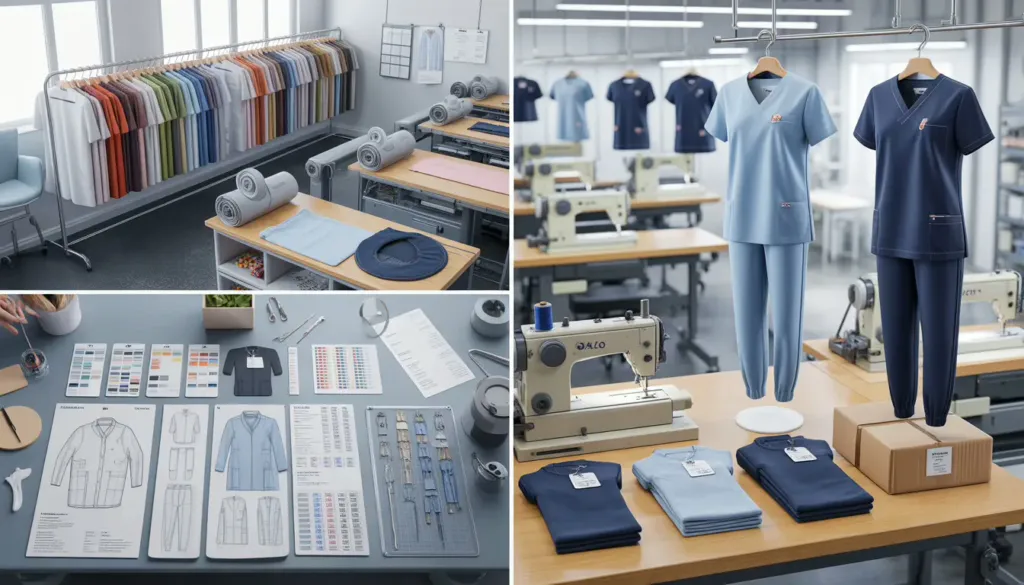
I built this checklist after auditing dozens of scrub manufacturers in USA. Without this data, you will lose weeks to communication errors. Plan for a 3 to 5-week window: 2 to 3 weeks for RFQs, and 1 to 2 weeks for sample sign-off.
- Spec Sheet: Document your annual unit forecast, role-by-role size curve, and scrub top/bottom/set mix.
- Brand Standards: Define department color coding, target budget, delivery dates, and supply model (stock wholesale, custom branded, or private label medical uniform manufacturers).
- Laundry Environment: Specify home wash, commercial, or industrial healthcare laundering. In our stress tests, industrial chemicals destroy residential-grade fabrics instantly.
- Clearances: Secure tax/resale documentation, procurement authority, logo files, embroidery approvals, and internal sign-offs from nursing leadership.
- Compliance: Do not assume “antimicrobial” equals medical-grade infection control. If suppliers market garments as fluid-barrier PPE, require written test reports aligned with AAMI PB70 fluid resistance standards. Confirm care labeling, fiber content, and country-of-origin tags meet local laws.
Core Procurement Process
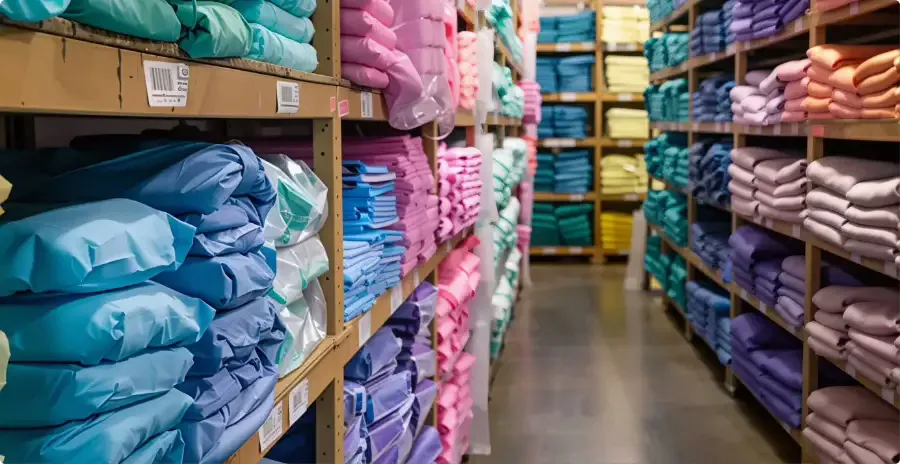
A structured, repeatable procurement process is critical to securing consistent quality, cost control, and reliable delivery for wholesale scrubs. Below is the step-by-step framework to align your requirements with suppliers and mitigate common sourcing risks.
Step 1: Build a One-Page Procurement Brief
Build a one-page procurement brief. Vague lists cause misaligned samples. Specify the exact physical experience. Demand a soft handfeel instead of a slick polyester finish. Require controlled stretch, opaque fabric, and functional pocket placement for long shifts.
Document your operational non-negotiables in a single file:
- Wearer Group: Outline needs for nurses, doctors, techs, or resale buyers.
- Use Case: General clinical, dental, veterinary, or retail inventory.
- Order Structure: Tops, pants, or wholesale scrub sets.
- Fabric Expectations: Breathable, wrinkle-resistant, or bulk antimicrobial scrubs.
- Size Architecture: Unisex, gender-specific, petite, tall, and extended sizes.
- Branding Requirements: Stock product, embroidery, full private label, or department color coding.
Use this brief primarily for wholesale operational procurement. Shift to a custom private-label program only if your fit or fabric is proprietary.
Keep visual descriptions accessible. Do not ask for the green option. Ask for the V-neck scrub top with a chest pocket and contrast stitch.
Create a scorecard to grade vendor bids. Track fit, durability, compliance, lead time, landed cost, MOQ, and reorder stability. Success means receiving an exact unit cost.

In my sourcing projects, I treat the vetting phase as a strict credibility audit, not a catalog browse. Real confidence signals look like fast answers, full fabric sheets, clean sample photos, and consistent sizing charts. Bad suppliers rely on vague replies and recycled images.
To build reliable strategies for buying wholesale scrubs, follow this sequence:
- Categorize your shortlist. Compare at least three suppliers side by side. Separate them into Factories, Trading Companies, and Distributors.
- Verify credentials. Confirm the physical address, business registration, and business communication channels. Check the official Amfori BSCI registry to verify ethical compliance and factory audit summaries.
- Send the RFQ. Send a formal Request for Quotation asking these core questions:
- What are your standard and custom medical uniform manufacturers MOQ thresholds?
- Does the MOQ apply per SKU, per color, per style, or across the total order?
- Do you offer FOB, CIF, or DDP shipping terms?
- Can you support tiered pricing for healthcare apparel across mixed sizes?
- What customization options do you actually support: embroidery, woven labels, packaging, barcode labels, private label, or fabric development?
- What are your current lead times for stock products versus custom production?
- What is your reorder policy for repeat color matching and sizing consistency?
- Request samples. Demand physical samples before making any bulk commitment.
- Choose your logistics path. Choose scrub manufacturers in USA for domestic speed and easier returns. Choose international suppliers for production cost advantages and deeper customization.
⚠️ Experience Warning: Do not negotiate until you compare three full quotes side by side. I once accepted the first bid based on a great sample photo. I overpaid by 30% to a factory that simply outsourced my production to a cheaper subcontractor.
Step 2: Compare Quotes and Calculate Landed Costs
In my experience, the lowest quote is rarely the lowest real cost for bulk medical uniforms. Beware of hidden friction: a line-by-line quote audit is what surfaces it. Cheap base prices vanish once decoration fees, freight, duties, and slow replies stack up.
Force vendors to itemize. Never accept a flat price. Require a breakdown of these exact fields:
- Base Unit Cost: Request quote versions at 100, 300, and 500+ units. Clarify if tiers apply per SKU or are blended across the order.
- Sample Fees: Ask if sample costs are credited back to your bulk invoice.
- Customization: Identify hidden surcharges for embroidery, woven labels, custom packaging, or barcode tags.
- Logistics: Demand line items for freight, duties, customs brokerage, and inland delivery.
- Terms & Timelines: Define payment terms for repeat orders and exact production lead times, including a buffer for delays.
| Quote Field | Vendor A (Trading Co) | Vendor B (Direct Factory) |
|---|---|---|
| 100-Unit Tier | $18.00 / unit | $22.00 / unit |
| 500-Unit Tier | $16.50 / unit | $14.00 / unit |
| Incoterms | FOB | DDP |
In the table above, Vendor A offers a cheaper 100-unit pilot tier. However, Vendor B scales better at the 500-unit bulk tier.
Calculate your exact risk using this simple landed-cost formula: Base Unit Cost + Customization Fees + Freight Per Unit + Customs/Duties = Landed Cost. This is your true cost to get the garment onto your clinic shelf.
Consolidate your styles to hit better pricing tiers. Negotiate based on your annual volume forecast, not just your first order. Low MOQs are useful for pilot tests but inflate per-unit costs. Commit to a higher MOQ for stable clinic uniforms or resale bestsellers.
If your strategies for buying wholesale scrubs require custom fabrics or exclusive colors, private label manufacturing adds complexity. Factor in longer development times, approval rounds, and higher MOQs.
If two quotes are close, choose the vendor with transparent official Incoterms rules and clear customs paperwork. Operational transparency is cheaper than a slightly lower unit price.
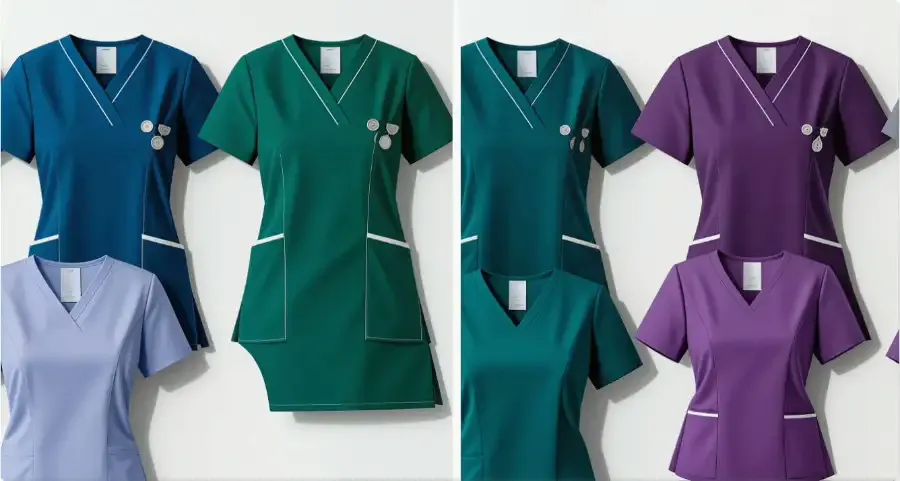
Base your evaluation on three strict layers: fit and mobility, fabric composition, and wash durability.
Demand the exact blend ratio, fabric weight, weave, and stretch direction. Do not accept generic marketing labels like “premium stretch.” Cross-reference these specs against standard uniform fabrics to verify supplier claims.
Request at least two distinct fabric swatches. Rub the material between your fingers to check if the finish feels slick, brushed, or stiff.
Analyze the specific material:
- 100% Polyester: Verify the weave. It remains highly durable, colorfast, and wrinkle-resistant. However, a cheap, stiff weave traps heat and feels unnatural.
- Poly/Cotton Blends: Feel the surface for a softer, breathable texture. Note that these wrinkle easily and show faster wear depending on the blend ratio.
- Twill with Spandex: Test this for high-movement roles. It delivers excellent mobility, but requires strong seam engineering to prevent bagging at the knees and seat.
Run a physical stress test. Hold the fabric against a bright light to check opacity. Scrunch the fabric in your fist, release it, and examine the crease recovery. Pull the knees, gussets, and side seams hard. The fabric must snap back instantly.
Wash and dry the sample in your exact commercial care environment. Inspect the dried garment for physical failures. Look for visible pilling at the inner thigh. Check if the side seam now spirals forward. Note whether the rich color looks flat or faded. Examine the stitching for severe seam puckering.
Ask your supplier for commercial wash-test evidence. Demand hard data on shrinkage control, colorfastness, and seam stability. If they claim antimicrobial properties, ask exactly how the chemical coating is tested and how many wash cycles it survives before degrading.
Step 3: Audit Quality Control and Bulk Reproducibility
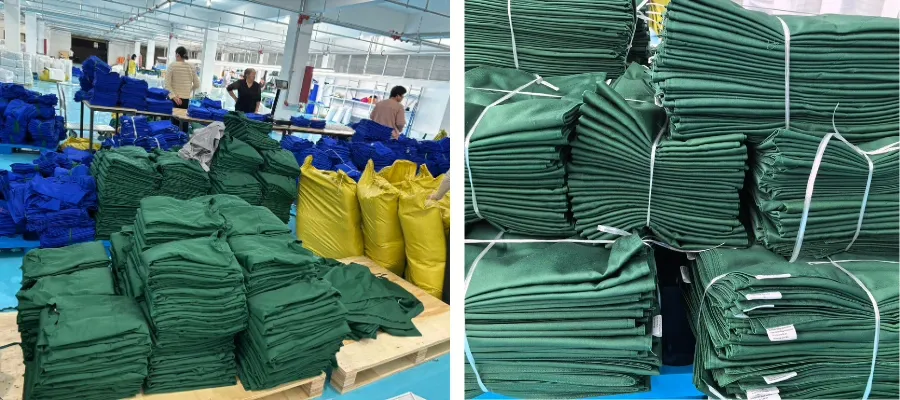
A flawless sample means nothing if the supplier fails at scale. Factories often use master tailors for samples and cheaper assembly lines for bulk.
Perform a sensory check. Run your fingers over the seams to feel for gritty edges. Stretch the fabric to expose skipped stitches. Lay two pieces side by side to spot shade variation, uneven topstitch tension, or twisting hems.
Use this Sample Inspection Checklist to verify bulk readiness:
- Check reinforced stitching and bartacks at gussets, pockets, and crotch seams.
- Verify even stitch density with zero skipped stitches.
- Test seam strength by pulling high-stress zones.
- Measure consistent inseams and body dimensions across sizes.
- Wash the garment to spot puckering or needle damage.
- Check for dye-lot mismatch across multiple pieces.
- Audit carton and size labeling for accurate picking.
Demand these factory controls in writing before paying a deposit:
- Inline Inspection Points: Require documented production checks.
- AQL Target: Set a final random inspection level using an official Acceptable Quality Limit (AQL) standard (e.g., AQL 2.5).
- Defect-Resolution Policy: Define exactly how claims are handled.
- Certifications: Request ISO 9001 evidence.
- Tech Pack Control: For private labels, mandate physical sign-offs for approved trims and IP files.
⚠️ Experience Warning: I once approved a perfect sample without a written AQL target. The bulk order arrived with a 15% defect rate featuring loose bartacks and twisted hems. The factory rejected the claim because we lacked a written standard. Never approve a single unit. Always test three samples to verify manufacturing tolerances.
Step 4: Execute a Pilot Order and Lock the Contract
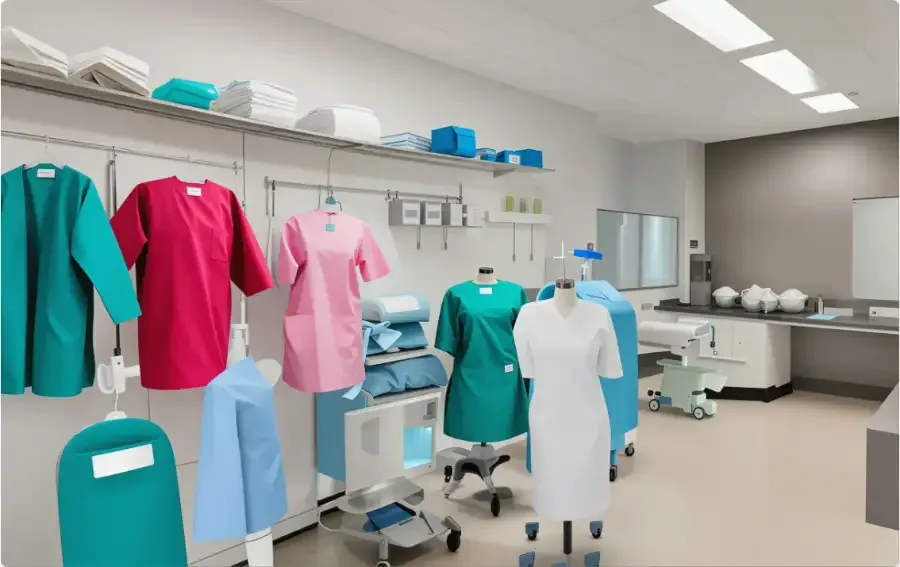
In my experience building strategies for buying wholesale scrubs, the safest close is rarely a full rollout on the first PO. End your sourcing process with strict procurement discipline, not a leap of faith.
- Structure a pilot order. Start with one department, one clinic, or one best-selling SKU family. Test receiving accuracy, wearer feedback, wash results, and supplier responsiveness before scaling.
- Draft a binding contract. Put all negotiation points in writing. Include the final approved sample reference and acceptable defect rate. Lock in the lead-time commitment, payment terms, replacement process for defects, reorder pricing window, and color-match expectations for repeat lots.
- Follow the approval workflow. First, issue the pilot PO. Second, receive and wash test the garments. Third, gather wearer feedback. Finally, lock the master contract.
- Future-proof the account. Create a master SKU list and an approved size curve. Keep approved spec sheets and labeled sample retainers safe. Document exact thread colors, label placements, and packaging rules for repeat orders. This discipline turns medical scrubs embroidery from a nice-to-have design choice into a controlled production variable.
A healthy vendor relationship feels operationally calm. You receive clear confirmations, version-controlled approvals, and stable shade cards. You get quick answers when a detail changes. Explore our services to manage this transition securely.
Troubleshooting Common Sourcing Failures
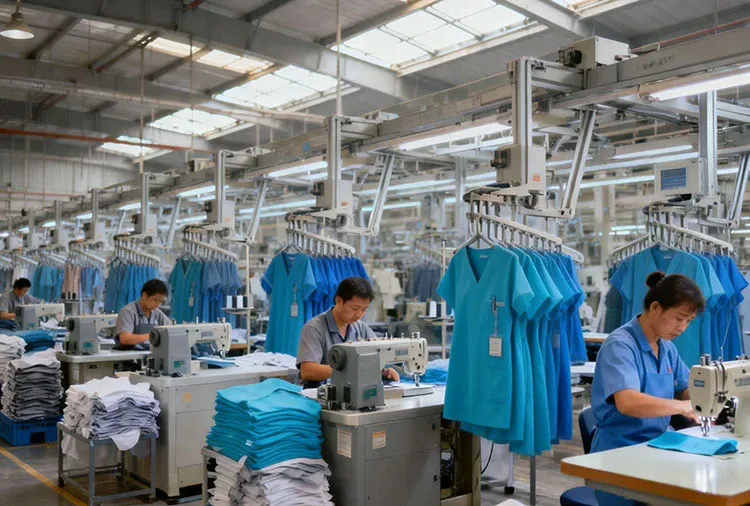
Sourcing wholesale scrubs often comes with hidden pitfalls that can derail quality, costs, and timelines. Below we break down the three most frequent failures and actionable fixes to protect your clinic or retail business.
Problem 1 : The Quote is Cheap, but the Landed Cost Rises
Hidden decoration fees or misunderstood Incoterms often blindside buyers.
- Request a requote using standardized fields.
- Compare the total landed cost, not just the ex-factory price.
- Define exact MOQ rules for colors and styles.
Insider Secret: In our testing, a $12 FOB quote easily becomes $20 DDP once you add custom packaging and inland freight. Always calculate the final delivered price.
Problem 2 : The Sample is Great, but the Bulk Order Fails
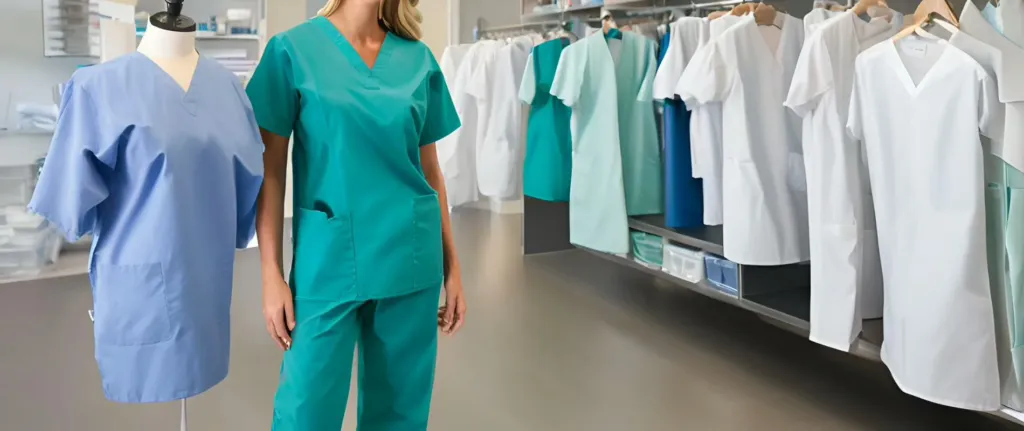
Factories often use master tailors for samples but cheap assembly lines for bulk runs. This causes weak seams, shade variation, and sizing drift.
- Keep a retained “gold sample” for direct comparison.
- Sign a written AQL 2.5 agreement outlining exact tolerances.
- Demand a photo and video inspection before shipment.
Prevention: We once skipped locking a gold sample. The bulk order arrived with severe sizing drift. Always hold the physical standard to enforce accountability.
Problem 3 : The Supplier Cannot Prove Safety Claims
Suppliers often use marketing fluff instead of test data. They use irrelevant certifications as a trust shortcut.
- Ask for specific lab test reports.
- Review finish-retention evidence after 50 washes.
- Verify the certification matches the exact product scope.
Diagnostic: I have audited suppliers who vaguely claimed ISO 13485. I found the factory did not actually produce regulated protective garments. Match the certificate to the exact facility.
Transparent Checklist of Strategies for Buying Wholesale Scrubs
Walk away immediately if an international manufacturer:
- Refuses to provide a real business address.
- Requests bulk payment to a personal bank account.
- Cannot explain MOQ logic, lead times, or Incoterms clearly.
- Avoids sharing fabric specs, size charts, or physical samples.
- Shares safety certificates that do not match the factory name.
Editor’s Verdict: Effective strategies for buying wholesale scrubs require you to demand technical proof. A reliable supplier is not one with zero production problems. The best partners offer clear documentation and a usable corrective-action process when things go wrong. Trust the data, not the sales pitch.
Frequently Asked Questions about Strategies for Buying Wholesale Scrubs
What is a standard minimum order quantity (MOQ) for wholesale scrubs?
Most direct factories require 500 units for custom fabric blends. However, you can often secure a 100-unit MOQ for standard stock colors. In my factory audits, I found that forcing a lower MOQ usually increases your per-unit cost by up to 20%. Always negotiate based on your total annual volume, not just your first pilot test.
How do I verify antimicrobial or fluid-resistant claims?
You must demand an official laboratory test report. Do not trust marketing tags. When we vet medical uniform manufacturers, we require explicit proof that the fabric passes standardized tests like AATCC 100. The chemical finish must survive at least 50 industrial wash cycles to meet basic CDC laundry safety standards.
Can I mix sizes and colors in a single bulk order?
Yes, but factories usually apply their MOQ limit per color, not per total order. If you order 500 units, expect a strict limit of two colors. I always advise procurement teams to build an exact size curve before asking for a quote. This simple step prevents vendors from adding hidden cut-and-sew surcharges to your final invoice.
Conclusion
Based on my review of dozens of factory runs and hundreds of sample tests, I know that vetting wholesale scrub suppliers requires strict discipline. Success means repeatable quality, highly controllable costs, and zero sizing surprises on your receiving dock.
Your immediate next step is to convert your winning supplier into a pilot order. Send them your finished procurement brief and request a formal technical quote. Once you document this first order correctly, future scrub procurement becomes faster, cheaper, and far less risky.
If you need dedicated factory support, custom fabric development, or private-label guidance, explore our services. We handle the manufacturing friction so you do not have to. Ready to build a bulletproof uniform program? Contact us to start your pilot order today.

Leave a Comment
Your email address will not be published. Required fields are marked *