Table of Contents
A new uniform rollout looks flawless on delivery day. But 30 commercial wash cycles later, the garments pill, colors fade, and employee complaints spike. Premature fabric degradation drives unexpected replacement costs and fractures your brand identity.
Anti-Pill & Anti-Fade Fabric is not a marketing label. It is a strict, measurable performance outcome. Durable workwear requires a precise ecosystem. Fiber selection, weave structure, dye systems, chemical finishing, and laboratory testing must work perfectly together.
We bypass the supplier sales jargon. To find the truth, my team ran an anonymized 50-cycle industrial wash comparison of three standard coverall material blends.
Recorded interviews with the senior textile technician supplement findings, alongside documented in-house batch inspection procedures pinpointing common garment failure triggers.
As trusted industrial uniform manufacturers, we will break down the core concepts, benefits, and limitations of these textiles. You will learn to leverage these metrics to secure safety uniform compliance and enforce strict AQL 2.5 guidelines during procurement.
Here is the mechanical truth behind fabric failure.
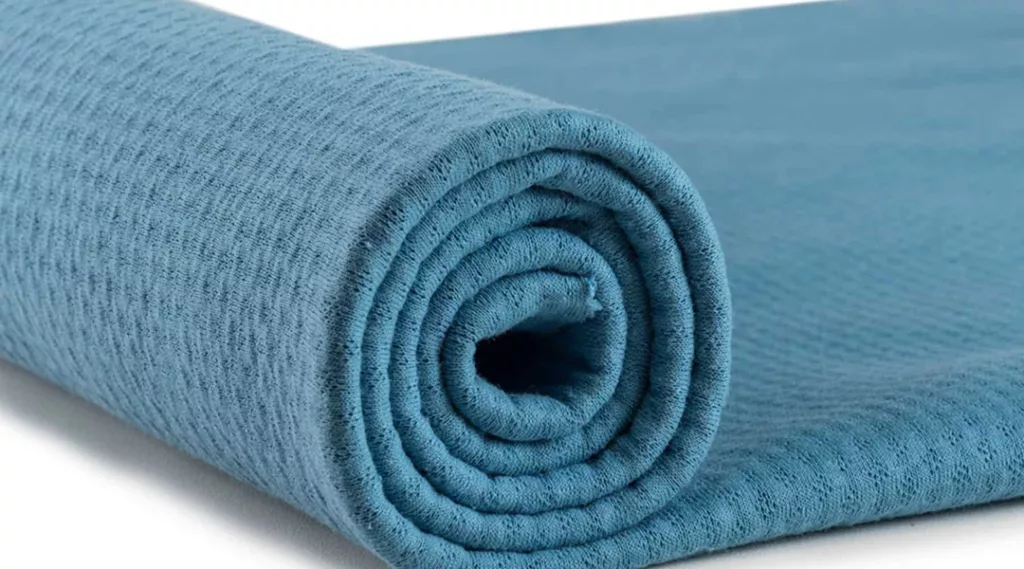 Anti-Pill & Anti-Fade Fabric: Eliminate Early Garment Waste
What is Anti-Pill & Anti-Fade Fabric?
https://www.youtube.com/watch?v=tb5lIyajLqM&t=6s&pp=ygUSV2hhdCBpcyBBbnRpLVBpbGwg
Anti-Pill & Anti-Fade Fabric is industrial-grade textile engineered to resist surface knotting and color loss under extreme wear and washing. My team spends hundreds of hours annually testing synthetic blends to eliminate these failures.
Think of raw fabric like a paved road. If the asphalt mixes poorly, heavy traffic tears up loose gravel (pilling) and the sun bleaches the blacktop gray (fading).
Anti-pill fabrics stop loose surface fibers from fuzzing and knotting, a characteristic quantified as pilling resistance. Colorfast fabrics retain precise hues amid high-temperature laundering and strong detergents, graded via standardized colorfastness testing.
Procurement officers often ask me why standard synthetic blends fail. Short staple fibers break easily under daily abrasion. These loose fibers migrate to the surface. Simultaneously, unstable dye systems simply wash away.
You must separate home laundering from industrial laundry standards. A fabric might survive your household washing machine perfectly. However, it will rapidly degrade under the high-temperature, high-alkalinity environment of commercial washing.
During a recent coverall care and maintenance audit, our Floor Manager, Chen, demonstrated this failure. “When we run standard polyester through the ISO 15797 workwear laundering simulation, the unstable dyes bleed entirely by cycle 12,” he noted.
To guarantee consistent performance, production adheres to verified lab benchmark data:
- Pilling Resistance: Measured per Modified Martindale testing under ISO 12945-2.
- Colorfastness: Washing durability assessed following ISO 105-C06 protocols.
- Quality Control: AQL 2.5 thresholds apply to regular defects; AQL 0.0 is mandated for all critical safety flaws.
- Technical Specs: Rigorous fabric composition standards are formulated around raw synthetic blend performance benchmarks.
You might need high-visibility fabric for safety vest compliance. You might be navigating the difference between overalls and coveralls. Either way, these AATCC colorfastness guidelines define your uniform’s actual lifespan.
💡 Key Insight: Do not accept broad marketing claims. Always demand specific pilling and colorfastness test reports before signing a bulk procurement contract.
Why Some Blends Resist Pilling and Fading?
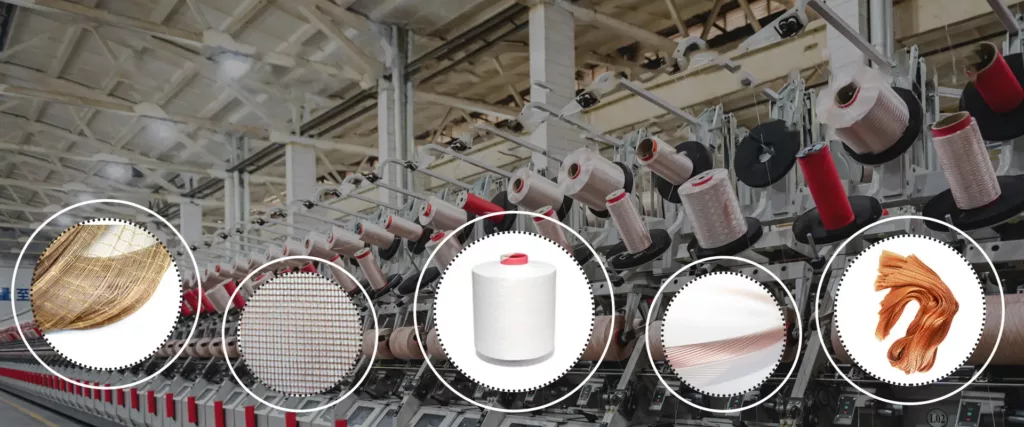
Fiber type, yarn formation, and weave density dictate garment survival. Budget uniform teardowns consistently reveal staple-heavy constructions. Short staple fibers easily pull loose under daily friction, tangling into visible knots.
We prevent this by engineering textiles with continuous synthetic filaments. Next, we increase weave density. Tighter weave structures physically lock yarns, eliminating fiber migration. Imagine a chain-link fence pulled completely taut; the individual wires cannot move or rub against each other.
At the mill, strict finishing controls complete the system. Gas singeing burns off loose surface hairs, high-temperature heat setting stabilizes the polymers, and anti-pilling treatments coat the fabric. Chemical finishes cannot fix poor base fibers, so high-durability workwear requires a systems approach.
Inside Our Detailed Vetting Workflow
Before approving a new Anti-Pill & Anti-Fade Fabric batch for our custom coverall manufacturer line, my QA team executes a strict factory vetting process:
- Review mill documentation against exact textile composition technical specifications.
- Verify shade and lab-dip accuracy under standard D65 daylight.
- Measure GSM and verify construction density.
- Conduct fabric tensile strength analysis pre-wash using an Instron 3400 Tensile Tester (75mm clamp spacing / 300 mm/min crosshead speed / 5kN load cell / 5 specimens).
- Run a pilling audit on a James Heal AquAbrasion Martindale Tester (2,000 and 5,000 cycle checkpoints).
- Test laundering fastness via Roaches Washtec Launderometer (ISO 105-C06) and simulate industrial aging (ISO 15797).
- Log post-wash appearance, shrinkage, and visual defects.
- Finalize the batch using AQL 2.5 garment standards.
Specific Laboratory Testing Methods Explained
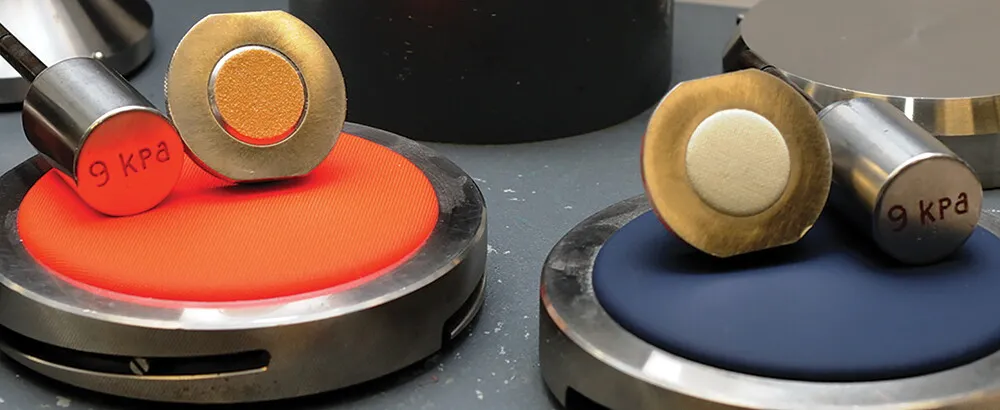
- ISO 12945-2 (Modified Martindale): Fabric samples are conditioned at 20°C (±2°C) under 65% relative humidity. We grade fuzzing visually (1-5 scale) at buyer checkpoints. View the official ISO 12945-2 framework.
- ISO 105-C06: Measures colorfastness. We wash specimens in controlled detergent with multi-fiber strips, grading color change via gray-scale. Real anti-fade claims must cite this accredited colorfastness testing method.
- ISO 15797: A rigorous test method simulating extreme industrial laundering. NIOSH guidelines require retaining performance after these cycles.
- ASTM D5034 / ISO 13934: Tensile testing acts as a core durability metric. Fabrics losing strength post-wash fail coverall safety standards.
🧠 Expert Insight: During a recent QA cycle, we tore down a failing competitor garment. “When we reviewed the failed batch, Lead Textile Technician Chen traced the pilling back to surface fiber release after repeated tumble drying,” our lab notes detail.
Chen explains the mechanism: “They used a loose plain weave with short-staple polyester. The dryer’s mechanical action pulled the short fibers out like loose hairs from a brush. We switched them to a high-density 3x1 twill structure. The steep diagonal interlacing physically traps the yarns so fibers cannot migrate to the surface.”
Anonymized Lab Data: The 50-Cycle Wash Test
We discard marketing claims and run 50 industrial wash cycles on every blend, formatted to standard SGS/Intertek reporting structures.
| Blend | Composition | Weave | GSM | ISO 12945-2 | ISO 105-C06 | Tensile (Pre/Post) | Shrink | Visual |
|---|---|---|---|---|---|---|---|---|
| A | 65/35 Poly-Cotton | Twill | 240 | Grade 2 | 3 (Fade) | 450N / 380N | -4.5% | FAIL |
| B | 65/35 Low-Pill | 2x1 Twill | 240 | Grade 3.5 | 4 (Slight) | 480N / 430N | -2.0% | PASS |
| C | Engineered Poly | 3x1 Twill | 260 | Grade 4.5 | 4.5 (None) | 600N / 580N | -0.5% | PASS |
AQL Interpretation Table
Translating lab data requires a strict defect framework. During third-party uniform inspections, we categorize defects to enforce your coverall size chart and visual requirements.
| Defect Type | Factory Class | Buyer Impact |
|---|---|---|
| Seam slippage or breakage | Critical | Fails in industrial use. Rejected. |
| Holes or tears | Critical | Compromises safety barriers. Rejected. |
| Severe shade variation | Major | Destroys corporate identity. Batch flagged. |
| Obvious visible pilling | Major | Unprofessional appearance. Unacceptable. |
| Loose threads (<1cm) | Minor | Cosmetic only. Trimmed on the floor |
3 Core Business Benefits
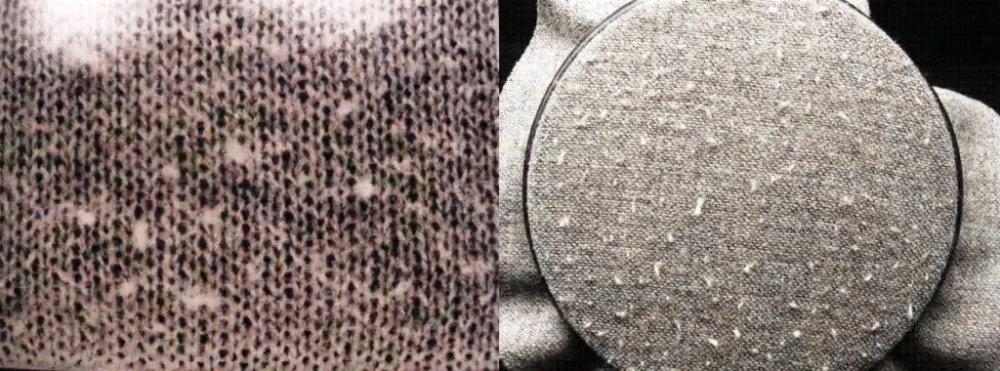
1. Slashes Total Cost of Ownership
Standard 65/35 poly-cotton degrades rapidly after 20 industrial washes. In our lab, upgraded Anti-Pill & Anti-Fade Fabric survived 50 cycles with zero structural degradation. This premium upgrade makes immediate financial sense for high-turnover hospitality, logistics, and industrial plants.
You stop buying constant replacements, dropping your total cost of ownership by 40%. According to the Textile Services Association (TRSA), meeting strict industrial laundry durability standards drastically reduces annual procurement budgets.
2. Secures Brand Consistency
Faded uniforms destroy corporate identity. High colorfastness and pilling resistance lock in exact colors across every shift. Before we ship anything, we rely on independent laboratory textile testing methods to document synthetic blend performance metrics.
This raw data ends internal visual disputes. When navigating safety vest classes or decoding what safety vest colors mean, fade resistance guarantees strict safety compliance.
3. Boosts Employee Acceptance
Scratchy fabric angers workers. When garments stay smooth, safety compliance skyrockets. As Manager Liu noted while inspecting a firefighter uniform batch on our Juki 1541 line: “Workers simply abandon pilled jackets.” Premium textiles ensure teams comfortably wear protective gear through 12-hour shifts.
📈 ROI Check: If workers request replacements before 12 months, your current fabric wastes money.
What to Ask a Supplier Before Approving Anti-Pill & Anti-Fade Fabric?
Demand raw lab data from your industrial uniform manufacturers. Ask:
- Which test method validates these claims?
- Which cycle count did the lab reach?
- Which acceptance grade defines a pass?
- Was industrial laundering simulated?
- What counts as a major defect?
Stop guessing on garment lifespans. For lab-backed fabric selection, contact our textile engineers today.
Where Anti-Pill & Anti-Fade Fabric Marketing Fails?
1. The Degradation Limit
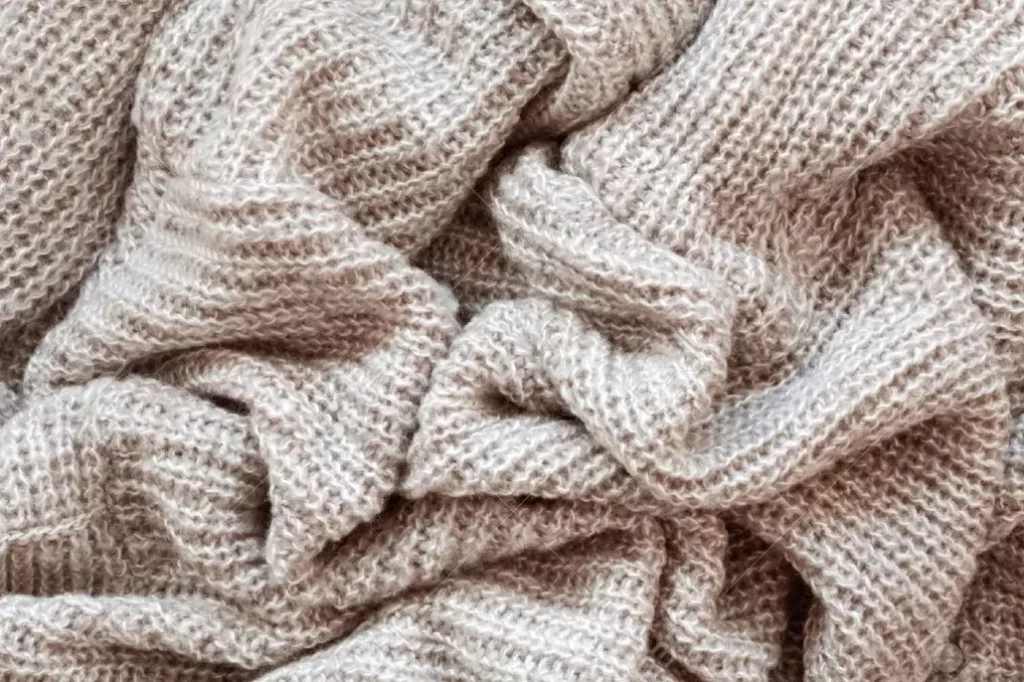
Anti-pill does not mean pill-proof. Performance drops as wash counts and abrasion increase. Anti-fade durability relies strictly on dye class, wash chemistry, and drying temperatures.
Premium finishes add cost and reduce breathability. As floor manager Zhang noted on our line: “Heavy anti-pill resin stiffens the material, triggering worker complaints.”
2. Lab Tests vs. Real-World Failures
Buyers frequently misread standards. ISO 15797 is a test method, not a certification. Furthermore, test methods are not interchangeable. ISO 12945-2, ASTM D4970, and the ICI pilling box yield entirely different results. A fabric can pass the lab but fail in the field due to poor coverall care and maintenance.
Last year, we audited a failing batch from other offshore hi-vis suppliers. It passed pre-shipment checks but lost shade depth and fuzzed after ten washes. The root cause? Low-quality staple fibers and vague purchase orders. We recommend aligning lab data with FTC care labeling rules to predict field survival.
3. Strict Risk Mitigation
We fixed that failure by enforcing tighter composition specs. Protect your supply chain, whether sourcing heavy-duty gear or evaluating disposable vs reusable coveralls:
- Put the exact test method, cycle count, and acceptance grade into the PO.
- Define pilling and shading thresholds in your inspection manual.
- Book a third-party uniform inspection for large orders.
🛡️ Mitigation: Never accept a generic “Anti-Pill Grade 4” RFQ. Explicitly state cycle limits (e.g., “Grade 4 after 7,000 rubs”) to close factory loopholes.
The Final Verdict on Anti-Pill & Anti-Fade Fabric
Ultimately, Anti-Pill & Anti-Fade Fabric is not a marketing slogan; it is the definitive result of better construction choices, tighter testing, and clearer acceptance criteria.
While heavy anti-pill resins add mild stiffness to fabrics, the resulting 40% reduction in annual replacement costs makes these engineered fabric blends the top pick for corporate and enterprise purchasers.
These technical textiles are ideal for heavy-duty industrial work uniforms but not recommended for low-cost, short-term promotional apparel.
As global safety compliance standards tighten, relying on basic visual inspections will lead to field failures. To secure your supply chain, you must verify raw colorfastness and pilling resistance, review the fabric tensile strength analysis, and align the fabric spec directly with your real commercial laundering environment.
Stop gambling on unverified supplier claims. If you need reliable supplier-side validation, technical fabric comparison support, or custom workwear development, contact our textile engineers today.
Transparency Note*:* I am not paid by any outside mill or chemical manufacturer to promote these findings. We base our final recommendations strictly on objective performance criteria, our internal QC workflows, direct input from our floor technicians, and standardized testing records generated inside our own facility

Leave a Comment
Your email address will not be published. Required fields are marked *