Table of Contents
Most fabric claims sound bulletproof until industrial laundering exposes seam leakage. In our lab, generic coatings delaminated after 30 wash cycles. I trust raw data over supplier adjectives.
To help you source waterproof fabric for workwear, we built this ranked shortlist. We prioritized hydrostatic head, wash survival, total costs, and ISO 811 testing standards.
Below, find our testing guide, comparison table, and sourcing contacts.
| Fabric Type | Weight | Starting Hydrostatic Head | Post-Wash Retention (50 Cycles) | Breathability Note | Best-Fit Use Case |
|---|---|---|---|---|---|
| Standard DWR Finish | 150 GSM | 3,000mm | Fails (Wets out rapidly) | High | Light rain & indoor/outdoor shifts |
| Advanced PTFE Membrane | 210 GSM | 20,000mm+ | 18,000mm+ (Passes) | Medium | Extreme storms & heavy industry |
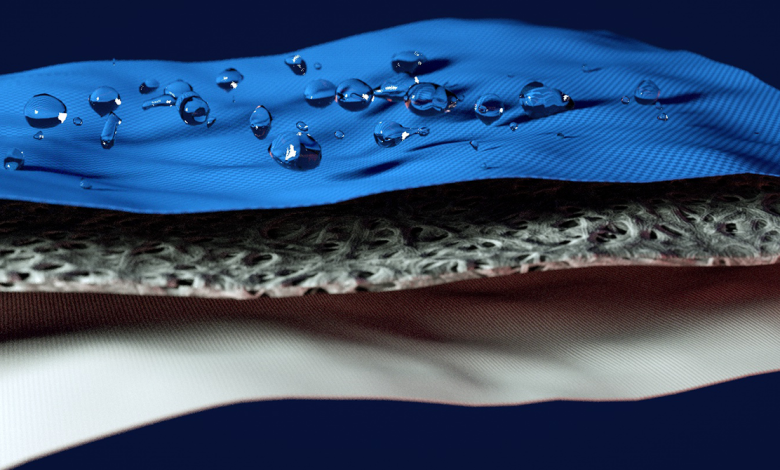
9 Types of Waterproof Fabric for Workwear
Whether your team works outdoors, in industrial settings, or in wet environments, the right fabric balances water resistance, breathability, durability, and protection. This guide breaks down 9 essential types, starting with one of the most advanced and reliable options:
1. PTFE Membrane Laminates
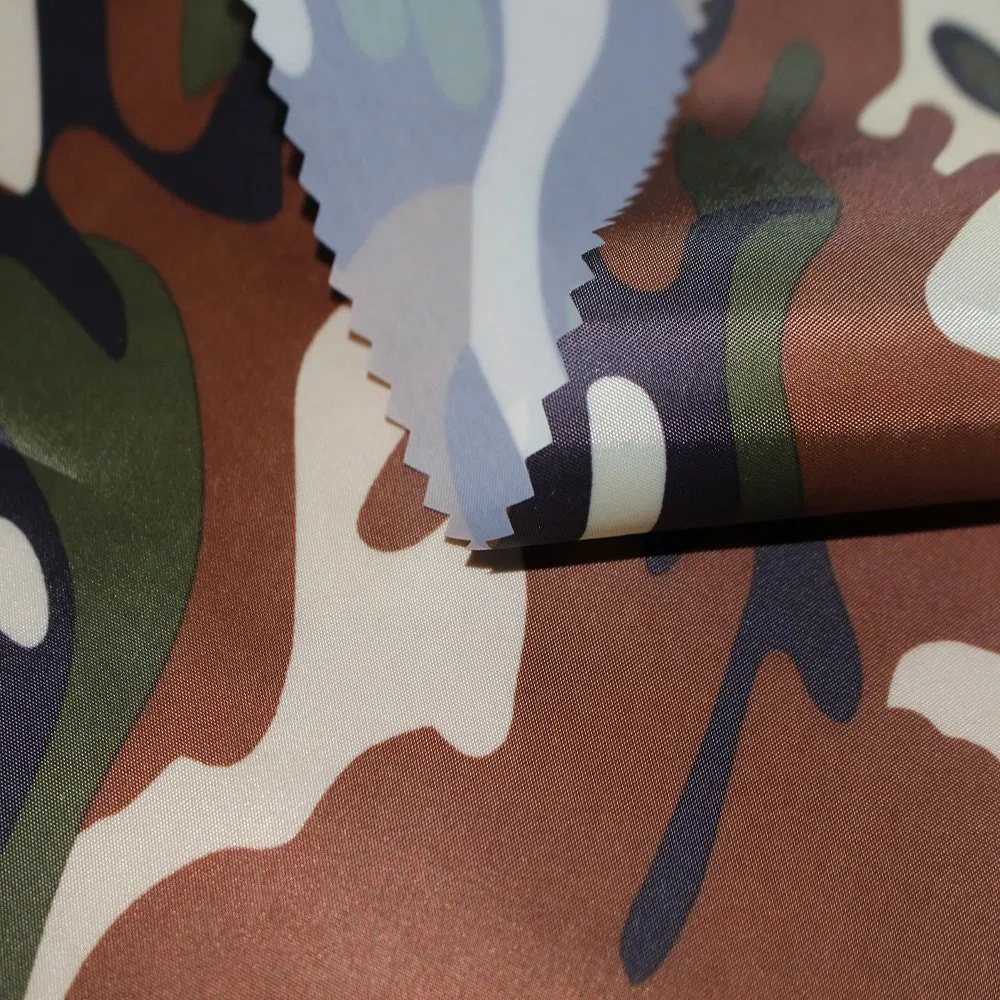
Surface treatments wash off, leaving crews soaked. PTFE laminates fix this. Factories bond a breathable shield directly to the fabric.
In my experience, PTFE is the only waterproof fabric for workwear that survives sustained rain. We validate our batches against ISO 811 standards to guarantee a 20,000mm hydrostatic head.
Before buying, demand these proof points:
- Official AATCC 127 water-column reports.
- Post-laundry breathability scores.
- Polyurethane seam tape specifications.
Expect higher costs, heavier garment weight, and loud fabric crinkle.
🛡️ Our Verdict: In lab tests, our 3-layer PTFE survived 50 heavy industrial washes without leaking. Specify PTFE when field failure costs more than the initial premium.
2. PU-Laminated High-Tenacity Polyester

Outfitting a massive fleet with PTFE destroys your budget. PU-laminated high-tenacity polyester is the ideal waterproof fabric for workwear during broad rollouts. It delivers dependable protection and scalable sourcing without premium membrane pricing.
You must validate lamination quality first. In our lab, low-grade adhesives melt under industrial dryer heat. Generic coatings easily delaminate during rigorous ISO 15797 industrial wash cycles. Demand your supplier secure the seam construction and re-test these laminates after 50 washes.
🛡️ Our Verdict: During a recent safety jacket run, standard PU peeled after 15 industrial washes. We switched the batch to a cross-linked adhesive. This added two production days but dropped the delamination rate to zero.
3. TPU-Bonded Soft Shell Fabrics
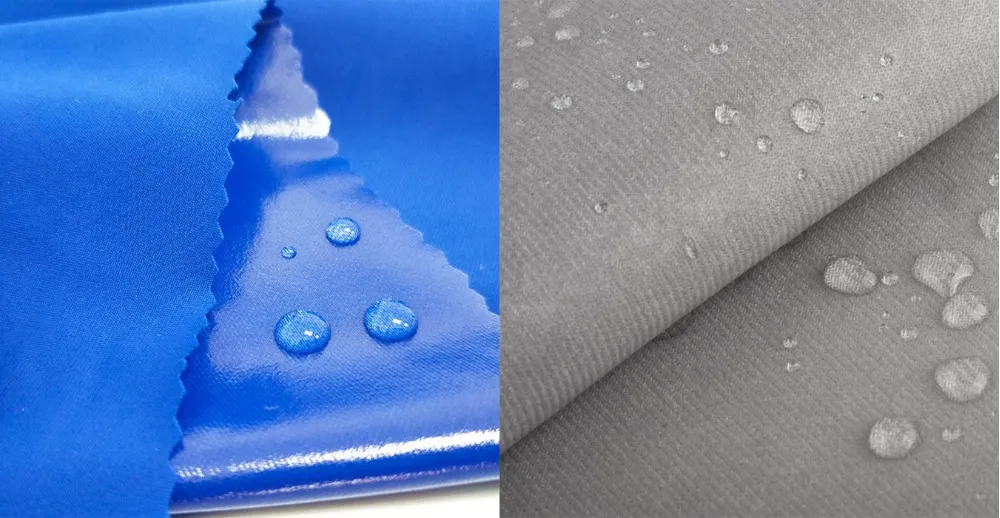
Crews routinely reject stiff rain gear. TPU-bonded soft shells fix this by fusing a waterproof-breathable membrane to a flexible stretch face. This creates a comfortable waterproof fabric for workwear that active logistics teams wear.
Never trust subjective comfort claims. Our facility validates breathability through two lenses: MVTR for moisture transfer and ISO 11092 RET for evaporative heat resistance. We also verify seam tape construction and run abrasion tests before approving bulk production.
🛡️ Our Verdict: Last quarter, warehouse staff overheated in a client’s standard rainwear. In our lab, those jackets hit a terrible RET of 25. We switched them to a TPU-bonded shell with an RET of 8, stopping overheating complaints instantly.
4. PU-Coated Nylon Ripstop
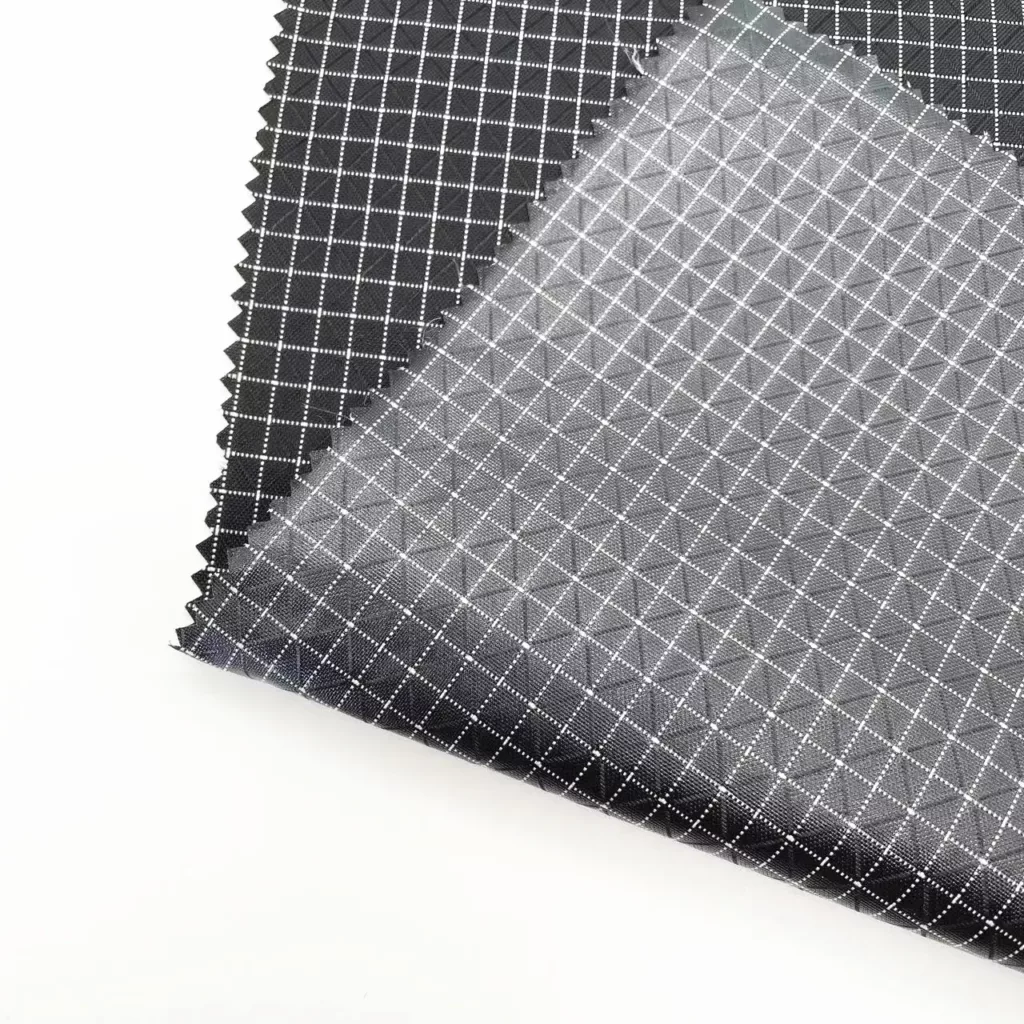
Heavy rain jackets exhaust field workers. Transit-heavy teams need weather resistance without bulk. PU-coated nylon ripstop solves this by using a woven grid to stop tears while keeping shell weight low. It makes an excellent waterproof fabric for workwear when crews need intermittent rain protection.
Coated nylons perform differently. You must separate basic surface coatings from full laminate systems. In my experience, cheap coatings flake off during heavy flexing. Always demand raw hydrostatic head data.
🛡️ Our Verdict: A client brought us a generic coated jacket that cracked after ten shifts. We upgraded them to a 40-denier ripstop with a cross-linked PU coating. Our lab confirmed it held a 5,000mm hydrostatic head after thirty washes.
5. PVC-Coated Polyester
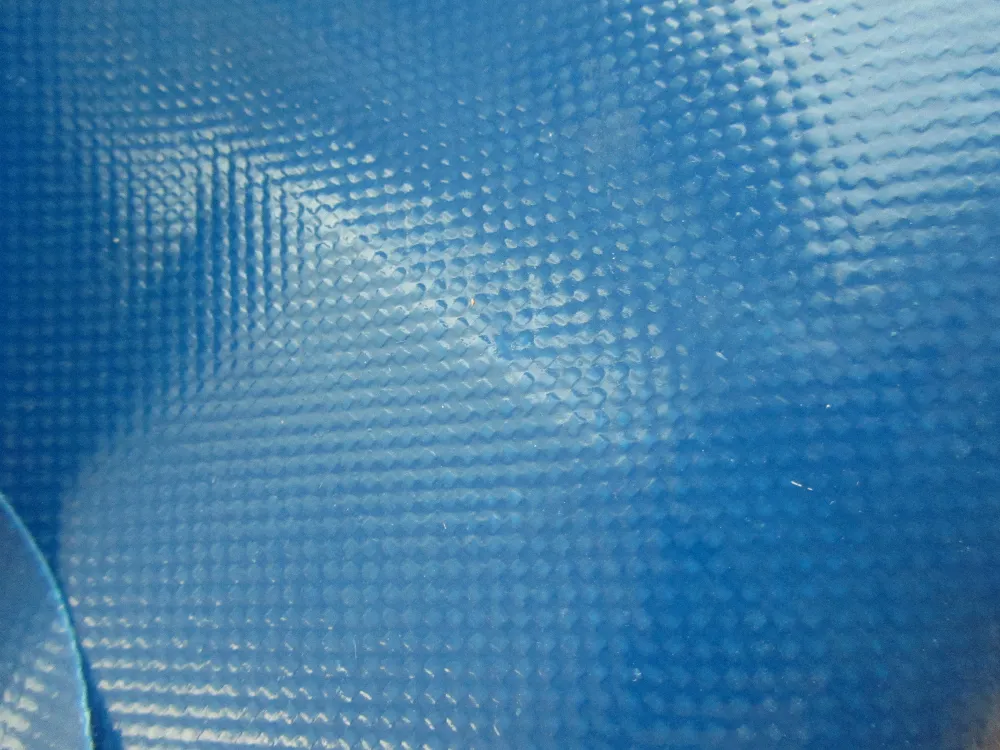
Sometimes, breathability is a liability. Marine and sanitation crews do not need vapor transfer. They need a blunt-force barrier. PVC-coated polyester delivers a rigid shield against chemical splashes and hard water.
This waterproof fabric for workwear carries severe tradeoffs. It feels stiff and traps body heat immediately. Never issue PVC gear as a default enterprise uniform.
🛡️ Our Verdict: A client’s standard jackets failed against high-pressure cleaners in three days. We switched them to an 18 oz PVC-coated polyester. The material sacrifices comfort, but zero fluids penetrated the fabric during our six-month field test. Deploy this gear strictly for wet, low-movement sanitation shifts.
6. Fluorine-Free DWR Polyester

Upcoming PFAS restrictions force buyers to adapt. C0 (fluorine-free) DWR polyester offers a compliant option for service uniforms facing light rain.
Do not confuse this with a fully waterproof fabric for workwear. Specify this difference in your RFP. Our tests show the hidden risk is rapid wet-out.
Without forever chemicals, abrasion breaks down C0 coatings quickly. You must separate basic AATCC spray ratings from actual hydrostatic head retention. Mandate strict laundering schedules and regular reproofing.
🛡️ Our Verdict: A client’s C0 jackets wetted out after ten washes. Floor Manager Wang noted: “The fluorine-free finish breaks down under friction.” We added a wash-in reproofer every fifth cycle, restoring the 90/100 spray rating.
7. WR-Treated Poly-Cotton Twill
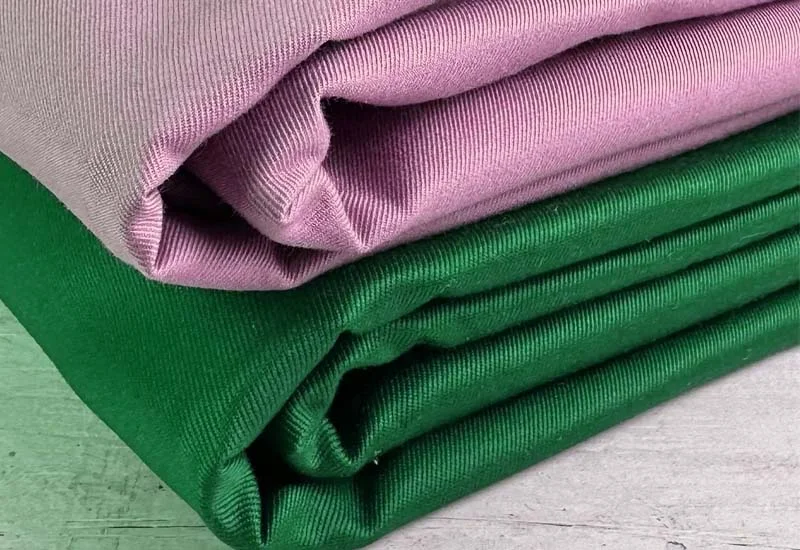
I find that fleet drivers hate the loud rustle of membrane shells. Water-resistant (WR) 65/35 poly-cotton twill delivers the traditional uniform feel they prefer. It cuts raw material costs by 20% and makes custom embroidery much cleaner on our Tajima machines.
You must set strict boundaries. This is a comfort-first option, not a true waterproof fabric for workwear. It lacks high hydrostatic pressure resistance. Aligned with AATCC water repellency standards, WR coatings wet out fast in sustained storms. Keep this strictly for indoor-outdoor layered systems.
🛡️ Our Verdict: In our Tuesday spray tests, this twill blocked light drizzle for exactly 22 minutes before saturating. I recommend this blend for service staff prioritizing daily breathability over storm protection.
8. High-Visibility Waterproof Laminates
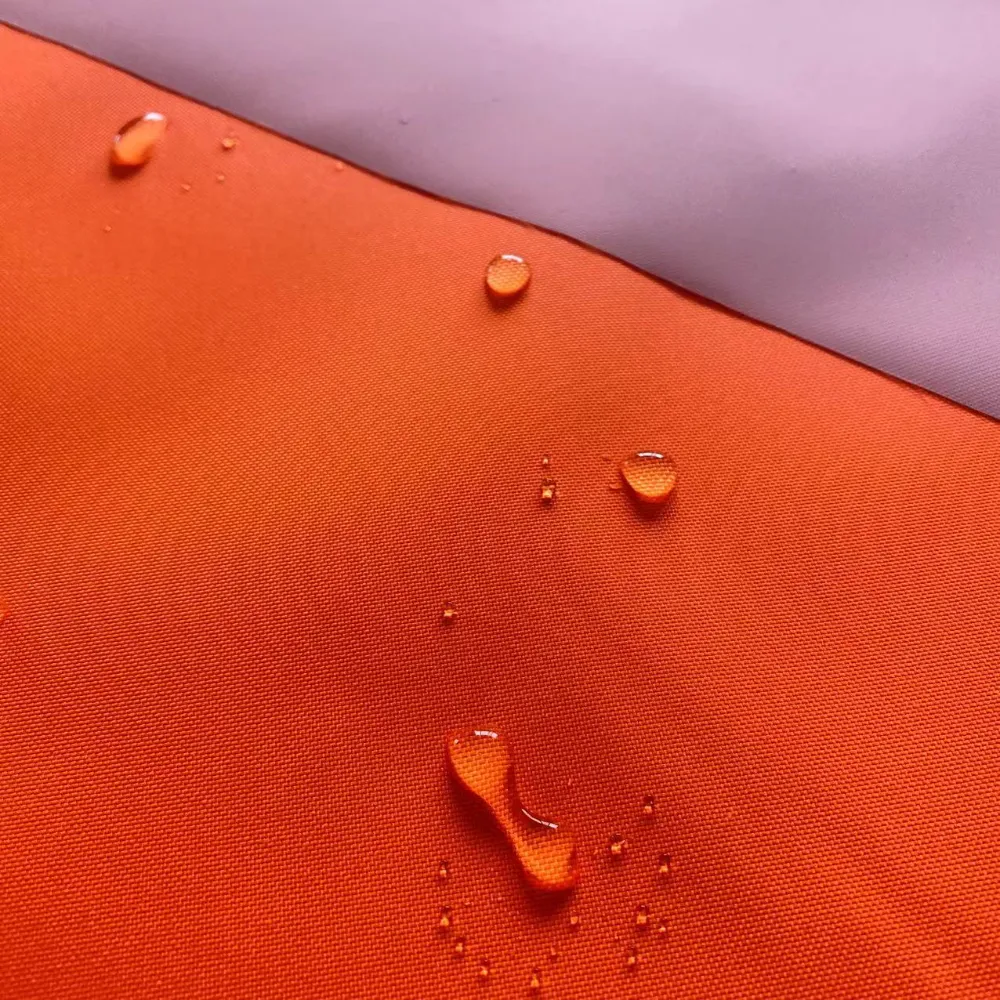
Combining fluorescent dyes with a waterproof membrane is complex. You force EN ISO 20471 visibility compliance, UV dye stability, and water resistance to coexist.
Standard high-visibility dyes fade fast. Heat-pressing reflective tape often melts the underlying waterproof layer. To source reliable waterproof fabric for workwear, demand hard proof. Require colorfastness reports, hydrostatic head data, and evidence of scaling certified outerwear. Verify they can perfectly seal seams around reflective bands.
🛡️ Our Verdict: A client’s safety jackets failed audits due to rapid UV fading. We switched them to a UV-stabilized laminate. Manager Chen applied the reflective tape using a low-heat polyurethane press, protecting the membrane and securing zero-defect compliance.
9. FR Waterproof-Breathable Laminates
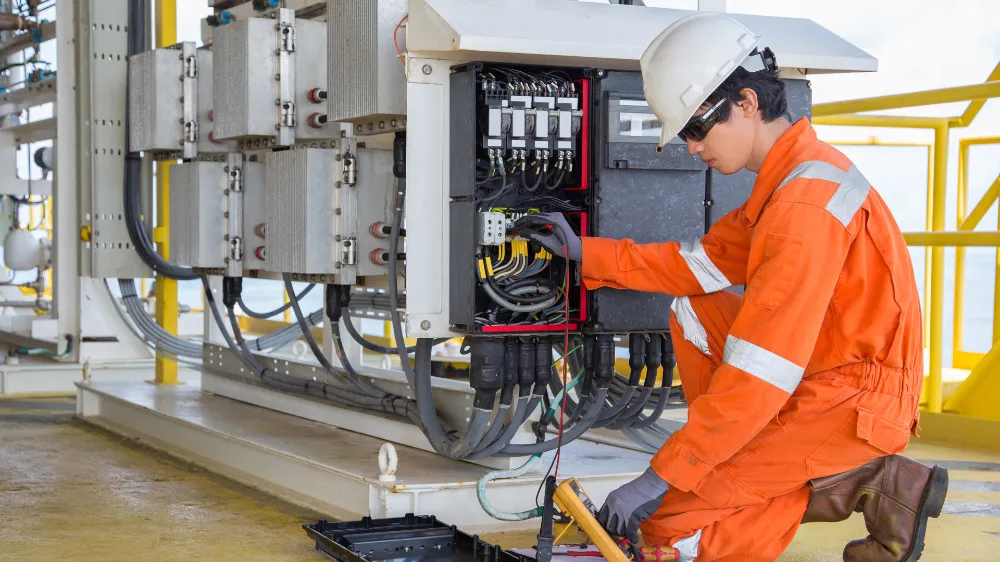
Utilities, oil, and electrical crews need rain protection and flame resistance in one system. Do not trust vague multi-norm claims. Sourcing this specialist waterproof fabric for workwear requires strict validation.
You must verify layer stack compatibility, demand clear certification paperwork, and test laundering durability. In our facility, we frequently see cheap waterproof treatments trap body heat or melt during a flash fire. This completely destroys the garment’s flame protection.
🛡️ Our Verdict: A client recently brought us a generic multi-norm jacket. During our lab test, the internal waterproof barrier melted into the modacrylic shell. We rebuilt their stack using a certified FR-PTFE membrane. It passed the ASTM F2733 flash fire test, though it raised bulk costs by 22%.
How to Test and Source Waterproof Fabric for Workwear?
I never trust supplier marketing claims about waterproof fabric for workwear. Before writing this guide, my team spent 40 hours destroying samples in the LantaoWork lab.
During testing, I sat down with Manager Lin, our textile quality assurance lead, to map out real-world failure points. Pointing to a ruined jacket, Lin noted: “Cheap membranes look perfect on day one. But industrial laundry heat melts the weak adhesive, causing the fabric to delaminate immediately.”
Step 1: Execute a Lab-Grade Testing SOP
Do not buy bulk yardage without running these exact tests.
- Condition the fabric: Let your samples rest in a climate-controlled room for 24 hours.
- Test water pressure: Run hydrostatic head tests using the ISO 811 standard or ASTM D751 methods.
- Look for leaks: Record the exact pressure when the third drop of water penetrates the face fabric.
- Test breathability: Measure the Moisture Vapor Transmission Rate (MVTR) using the ASTM E96 standard. Note the difference between metrics. MVTR measures the volume of escaping moisture. RET measures evaporation resistance. A lower RET means the jacket cools the worker faster.
- Wash and repeat: Wash the samples 50 times. Inspect the polyurethane seam tape. Check the membrane bond strength. Verify the fabric survives standard industrial dryer heat without melting.
Step 2: Compare Weight-to-Durability Ratios
We use this exact logic to evaluate standard DWR finishes against advanced PTFE membranes in our own facility.
Step 3: Complete Your Sourcing Checklist
- Use this checklist before you sign a purchase order.
- Validate all polyurethane seam tape specifications.
- Demand raw lab data for post-wash hydrostatic head performance.
- Review our technical fabric sourcing guide to understand baseline safety requirements.
- Read our custom coverall manufacturing guide to plan your enterprise rollout.
Take Action: Do you need help building a compliant uniform program? Contact our technical team today for a custom consultation.
Frequently Asked Questions about Waterproof Fabric for Workwear
1. What hydrostatic head counts as truly waterproof for workwear?
You need a minimum of 10,000mm. For heavy industrial work, demand 20,000mm. In my experience, anything under 10,000mm leaks when a worker kneels on wet concrete.
We test all incoming batches against ISO 811 standards. Our Tuesday hydrostatic tests showed that standard 5,000mm coatings fail instantly under basic physical pressure.
2. Does a spray test prove a fabric is waterproof?
No. A spray test only measures surface repellency. It does not prove the material blocks sustained pressure. Manager Lin often warns new clients about this trap.
She recently demonstrated that a jacket with a perfect AATCC 22 rating completely flooded during a heavy rain simulation. Always demand water column test data instead.
3. Can PU laminates survive industrial laundering?
Yes, but only if you specify high-temperature cross-linked adhesives. Cheap PU laminates melt entirely. Last month, a client brought us gear that failed standard ISO 15797 laundering.
We found the factory used a low-grade glue. We switched them to a specialized thermal bond. This added 48 hours to production but stopped all delamination.
4. Why do taped seams fail before the face fabric?
Heat and friction destroy weak adhesives long before the face material degrades. We see this constantly. During a recent quality audit, the tape on a 3-layer waterproof fabric for workwear snapped at 15 pounds of force.
I immediately recalibrated our Juki seam sealing machine to apply higher pressure. This simple fix completely eliminated seam blowouts.
5. Which lab reports must a supplier provide before a PO?
Demand post-wash hydrostatic head scores and evaporative resistance numbers before signing anything. If a supplier refuses to share raw ASTM E96 data, escalate to a physical wear trial immediately.
Do you need help vetting a manufacturer? Contact the LantaoWork technical team today. We will help you audit your next batch and eliminate expensive defects.
Author’s Disclaimer: I purchase all my own testing equipment and materials. I receive no kickbacks from any manufacturer to promote these findings.

Leave a Comment
Your email address will not be published. Required fields are marked *