Table of Contents
You can nail the corporate Pantone, pass abrasion tests, and negotiate a flawless unit price. Yet, if sweat stays trapped against a worker’s skin, your uniform program fails. Thermal discomfort directly drives PPE abandonment, violating OSHA heat stress guidelines.
Moisture-wicking fabric is a specialized textile engineered to pull liquid sweat away from the skin and transport it to the garment surface for rapid evaporation.
I oversee industrial workwear manufacturing at LantaoWork. I watch poor fabric choices destroy safety compliance and inflate total program costs. This guide is a technical teardown for procurement managers and product developers.
We rely on raw lab data over supplier marketing. My team synthesized internal drop-test comparisons, factory-side compliance checklists, and floor insights.
As Technician Chen noted while calibrating our absorption tester, “Cheap topical treatments wash out after 20 industrial cycles. Structural yarn engineering lasts the life of the garment.”
This piece answers three questions. What is this fabric? How does it work? How should buyers verify claims before approving a uniform program?
We cover liquid moisture transport versus vapor breathability, post-wash performance loss, and sustainability verification. Expect practical procurement language focusing on technical specs, durability testing, and strict sourcing controls.
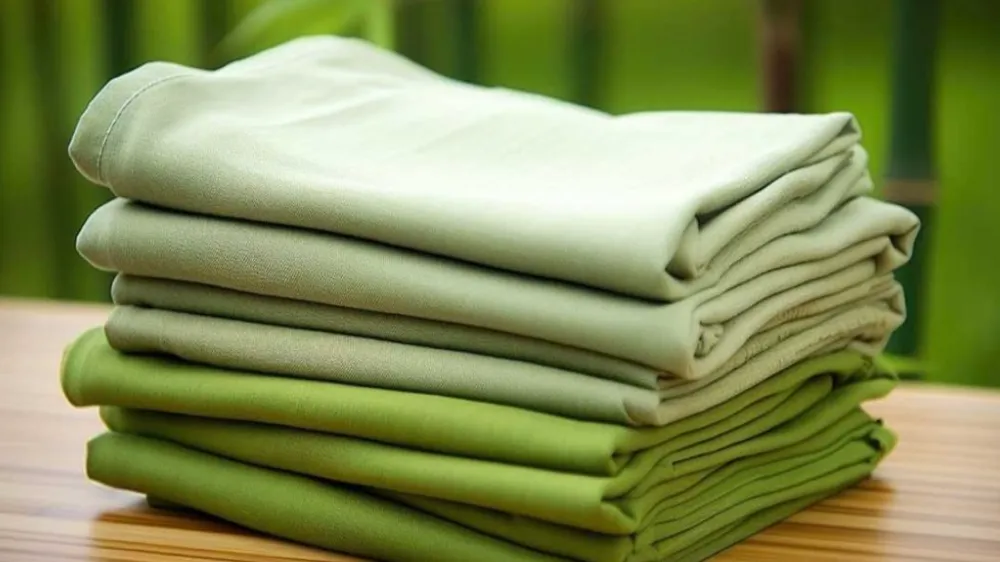
What is Moisture-Wicking Fabric?
https://www.youtube.com/watch?v=qn_QU4FjL1o&pp=ygUgV2hhdCBpcyBNb2lzdHVyZS1XaWNraW5nIEZhYnJpYz8%3D
Moisture-wicking fabric is a textile engineered to move liquid perspiration away from the skin-facing surface and spread it across a larger area so it can evaporate faster. Think of it like a micro-plumbing system, not a sponge.
Absorption takes in water and holds it. Cotton absorbs. For transport fleets and warehouse teams working long shifts, wicking prevents uniforms from becoming heavy, clammy traps.
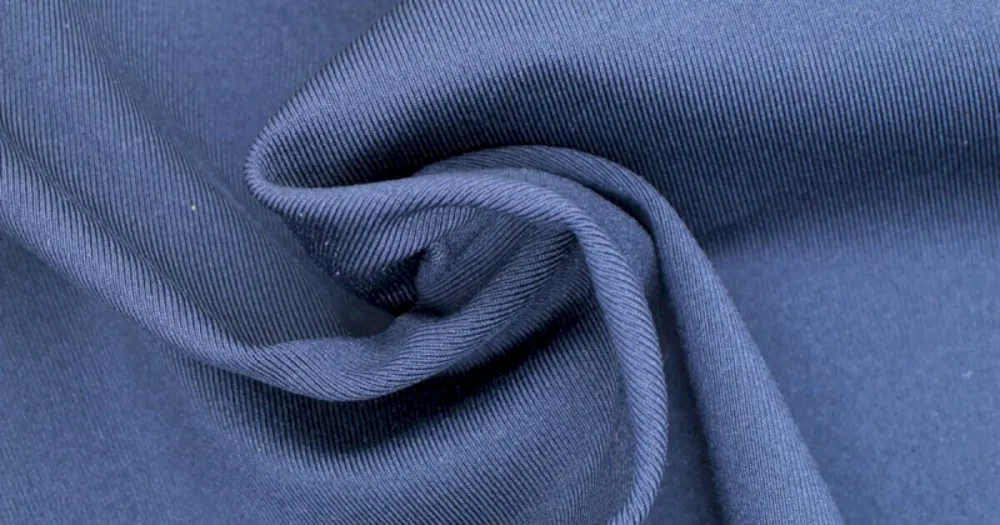
This plumbing relies on capillary action. We achieve this by blending hydrophobic (water-hating) and hydrophilic (water-loving) synthetic fibers. Knit construction dictates the performance.
Manager Li calibrates our Mayer & Cie knitting machines to build distinct face and skin sides. “If we flatten the yarn cross-section during tensioning,” Li showed me recently, “the fabric stops pumping sweat.” Unlike standard round yarns in basic polyester jersey, we use engineered channelled polyester. These microscopic grooves physically pull water outward.
GSM simply gives fabric weight context. It does not dictate drying rate or breathability. When sourcing, buyers must demand technical specifications and separate two distinct manufacturing methods:
- Topical chemical finishes: A cheap surface coating. In our recent AATCC standard lab test, a chemically treated shirt dropped from a fast 2-second wicking speed to a sluggish 15 seconds after just 10 industrial washes.
- Engineered structural wicking: Built into the physical yarn geometry. It never washes out.
Never accept supplier marketing adjectives like “quick-dry.” High-heat industrial applications require strict trade-offs. Engineering the perfect coverall material or fabric for a safety vest means balancing these wicking channels with Flame Resistant mandates and heavy-duty abrasion limits.
🌍 Real-World Context: Always request structural wicking specifications for industrial uniforms to prevent the fabric from failing after a month of heavy laundering.
We analyze hundreds of yards of fabric to trace exactly how sweat travels. Under a microscope, true moisture-wicking fabric operates like an industrial pump.
Fiber and Construction Mechanics: The Capillary Engine

The wicking process follows four distinct mechanical steps. First, liquid sweat contacts the skin-side fabric surface. Second, microscopic capillary forces pull that liquid into deep fiber channels or knit interstices. Third, the fabric structure rapidly spreads this moisture across a wider outer area.
Finally, this expanded surface area maximizes the evaporation rate. Body heat then pushes the vapor out into the air.
Manufacturers build this mechanism using four main techniques:
- Channeled Filaments: Extruders shape yarns with distinct physical grooves.
- Bicomponent Blends: Mills combine water-repelling and water-absorbing yarns.
- Directional Knits: A specialized loop structure physically pushes liquid outward.
- Topical Finishes: A chemical spray temporarily attracts water to the surface.
Buyers frequently miss a critical distinction here. Cross-sectional fiber engineering offers far more durable performance than cheap topical finishes. A chemical spray might feel great on day one. By day thirty, the finish washes away and the moisture transport mechanism fails.
We develop structured moisture-wicking fabrics tailored for harsh, varied working conditions. This proven tech reliably serves warehouse order pickers, field utility workers, logistics crews and on-duty hospitality personnel every single day.
When developing a firefighter uniform, structural wicking becomes critical beneath heavy protective gear.
Moisture Management Testing Methods Buyers Should Know
Stop accepting the term “quick-dry” at face value. You need hard lab numbers. Here is your baseline testing guide for procurement.
- AATCC 195: Measures liquid moisture management behavior. It calculates wetting time, absorption rate, spreading speed, and one-way transport. This answers: Does the fabric move liquid sweat effectively? (Review the AATCC 195 specification).
- AATCC 79: Tests basic absorbency. It answers: How readily does the fabric absorb water? (Read the AATCC 79 standard).
- ISO 11092: Measures vapor resistance via Ret values. It answers: How much resistance does the fabric present to water-vapor transfer? (Read ISO 11092 breathability specs).
⚠️ Procurement Warning: Specify the exact test edition, conditioning method, sample orientation, and after-laundering protocol in your purchase specs. If you skip this step, vendors will shop for the most flattering interpretation. Always demand a third-party uniform inspection to verify these claims.
Internal Proof: Lab Data and Laundering Retention
We never guess on durability. Recently, my team ran a comparative drop test using an SDL Atlas moisture management tester. We conditioned the samples at 65% relative humidity and 21°C. We then used a harsh alkaline detergent to simulate industrial coverall care and maintenance.
Here is the raw data comparing a standard polyester baseline to our engineered structural blends.
| Fabric Type | Drop Test Start | Visible Spread Dia. (1 min) | Full Wet-Through Time | Visual Drying Interval | Wash-Cycle Checkpoints (Wicking Pass/Fail) |
|---|---|---|---|---|---|
| Standard Polyester | Instant spread | 22mm | 2.1 sec | 18 min | Pass at 0 / Fail at 10 |
| LantaoWork Blend A | Controlled spread | 14mm | 3.8 sec | 12 min | Pass at 0 / Pass at 25 |
| LantaoWork Blend B | Minimal spread | 9mm | 5.2 sec | 8 min | Pass at 0 / Pass at 50 |
Notice how the cheap finish fails completely by wash ten. This exact failure point requires enterprise buyers to weigh disposable vs reusable coveralls carefully. Reusable gear requires permanent structural integrity.
Interview with Technician Chen: Why Some Wicking Fabrics Fail After Industrial Laundering?
I sat down with Technician Chen on our testing floor. We discussed why fabrics pass lab tests but fail in the real world.
“When you run an alkaline industrial wash, cheap chemical finishes simply strip away,” Chen explained while calibrating the tensioner. “Heavy mechanical oils and detergent residues also clog the micro-pores of standard polyester.
We regularly see massive heat-setting variability across cheap batches. If a factory cures the fabric five degrees too hot, they melt the capillary channels closed.”
Chen pointed to a returned competitor sample. “Look at this piece. It tested perfectly on day one. But on the floor, the trade-off between abrasion resistance and wicking destroyed the yarn. The alkaline wash literally cooked the topical finish off the garment.”
Procurement Mini-Playbook: Specifying Wicking Fabric
Before you finalize your next order, use this checklist to enforce rigorous coverall safety standards:
- Request full fiber blend, yarn type, GSM, knit structure, and finish disclosure.
- Ask whether the moisture management relies on structural engineering or topical finishes.
- Require pre-laundry and post-laundry test results (minimum 25 cycles).
- Align liquid management data (AATCC 195) with breathability data (ISO 11092).
- Define strict pass/fail thresholds for your exact intended end use.
In our experience, a true moisture-wicking fabric specification is a business strategy, not a lifestyle perk. Here is how it protects your budget.
4 Core Product Benefits
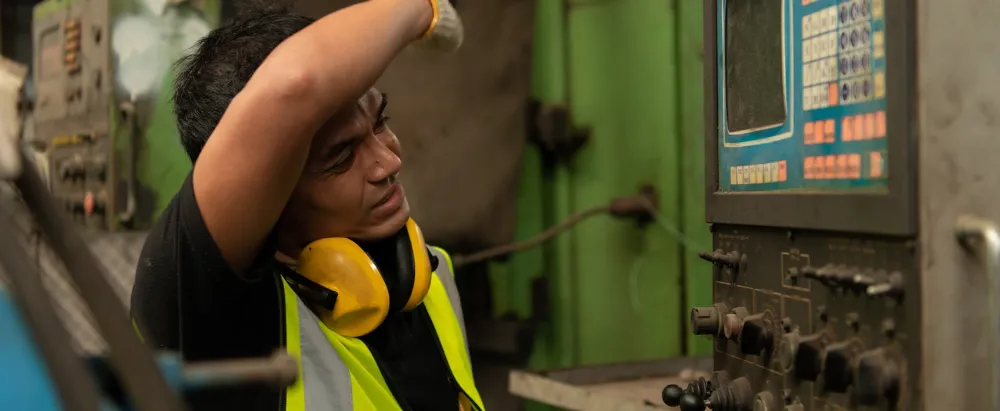
Our custom moisture-wicking work fabrics solve typical uniform struggles from heat discomfort to frequent replacements. Explore four key business benefits tailored for industrial and logistics workwear programs.
1. Boosts Safety Compliance Through Thermal Comfort
Engineered moisture-wicking fabric physically pulls heat away from the skin. Crews actually keep their gear on. During a recent floor audit, I watched warehouse workers ditch their PPE because standard cotton failed to breathe. Upgrading to engineered textiles drops core temperatures. This directly aligns your team with OSHA heat-stress guidance.
2. Aligns Textiles to Specific Jobs
Ditch generic uniform tees designed for general-duty use when outfitting staff with specialized job requirements. We develop custom base layers built exclusively for logistics and high-intensity service roles, balancing powerful sweat-wicking performance against rigid industry safety compliance standards.
For example, we build breathable garments that meet strict safety vest classes without compromising fluorescent dyes.
3. Slashes Total Cost of Ownership
Mechanical permanent wicking lasts far longer than inexpensive chemical coating. A previous customer wasted funds when treated shirts failed moisture control post-15 washes.
Our structural fabric solved the issue, bringing trial feedback down to zero. Certified lab data backs our longevity forecasts and reduces repeat uniform purchases.
4. Empowers Bulletproof Sourcing
Understanding lab metrics strips away marketing fluff. At LantaoWork, our vertically integrated sourcing gives buyers total audit visibility. We verify raw materials directly, referencing data from a sustainability certification body to ensure absolute transparency. You can ask smarter questions and instantly reject unsubstantiated supplier claims.
📈 ROI Check: Track your annual uniform replacement rate. If crews replace shirts every three months due to odor, your wicking finish washed out. Upgrading drops replacement costs by roughly 40% annually.
Industry Pain Points & Implementation Tools

1. Wash Durability Limits
Aggressive alkaline detergents and high-temperature drying strip topical chemical finishes away. In our lab, chemically treated polyester lost 80% of its wicking speed after exactly 20 industrial wash cycles. As Technician Chen noted on the wash floor: “The finish washes out quickly, leaving workers trapped in heavy, wet fabric.”
⚖️ The Trade-off: Cheaper upfront fabric costs guarantee a shorter usable garment lifespan.
2. Vapor Lock Risks
Moisture-wicking fabric moves liquid sweat well, but dense weaves often block vapor escape, trapping core body heat. In my experience, buyers rely too heavily on liquid transport data.
We always pair AATCC 195 liquid tests with ISO 11092 breathability metrics. If a material passes liquid tests but fails vapor tests, the worker overheats.
3. Industrial Protection Conflicts
Athletic apparel logic fails in heavy industry. We constantly balance moisture management against strict flame resistance mandates. For example, adding heavy abrasion resistance requires tighter yarn tension and denser weaving. This inherently reduces airflow.
This friction often forces our clients to reconsider disposable vs reusable coveralls entirely. Technical specs must reflect the physical jobsite.
4. Sustainability Verification Risk
We vetted 20 suppliers last quarter and found frequent irregularities in recycled content claims. GRS chain-of-custody declarations mean nothing without valid transaction documents.
Furthermore, many brokers treat OEKO-TEX and bluesign certifications as interchangeable. They represent entirely different standards.
5. Compliance Verification Checklist
We conduct rigorous compliance audits for safety workwear backed by authentic source documentation and never accept certifications without tangible supporting evidence.
- Scope Checks: Confirm certification range aligns with delivered fabric batches.
- AQL 2.5/4.0 Inspections: Batch details are validated one-to-one with corresponding PO specifications.
- Factory Audit Status: Suppliers must hold valid BSCI or ISO 9001 certifications prior to capability evaluation.
- Testing Triggers: We mandate a third-party uniform inspection for high-risk programs, exactly as we do when sourcing the best gloves for woodworking.
⚠️ Critical Warning: Never assume a supplier achieved a certification unless they provide the actual, unredacted lab report.
Closing summary
Moisture-wicking fabric is a vital safety mechanism, not a marketing buzzword. While cheap chemical finishes offer low upfront costs, they wash out quickly and trap heat.
Structural yarn engineering guarantees permanent thermal comfort. The best-performing workwear relies entirely on this physical structure and validated wash retention.
Our final verdict: buyers must separate liquid transport, vapor breathability, and durability into distinct approval criteria. Define the exact end use. Demand measurable test data. Verify laundering retention. Check compliance documentation.
Finally, inspect the factory or require a trusted third-party audit path. As heat stress regulations tighten globally, this engineered approach will become the required baseline for all heavy industry.
Stop guessing on garment performance. Request fabric specs, test-report reviews, or sample benchmarking support at Lantaowork. Whether you need a reliable custom coverall manufacturer or are actively vetting industrial uniform manufacturers, demand technical standards that match our coverall material guide.
The right moisture-wicking fabric is the one that still performs after the washroom, the warehouse, and the audit checklist have all had their say.
(Disclaimer: LantaoWork is not paid by outside fabric brands to promote these findings. We present internal comparisons with raw conditions and limitations so you can assess the evidence yourself.)

Leave a Comment
Your email address will not be published. Required fields are marked *