Table of Contents
A blown seam on a high-risk factory floor is a direct safety hazard and a massive compliance liability. I have watched enterprise companies burn through thousands of dollars and compromise their safety records simply because they prioritized unit price over garment durability.
When evaluating wholesale coverall suppliers, procurement teams often misunderstand the asset they are buying. We are engineering heavy-duty, reusable industrial workwear that keeps your workforce safe. We are not covering disposable medical barriers.
The manufacturing of coveralls is the precise engineering of technical fabrics, reinforced seams, and compliance-grade trims to create durable industrial garments.
Having developed custom technical workwear for thousands of frontline employees, my team knows exactly where catastrophic garment failures happen. Substandard PPE directly inflates annual replacement costs and violates strict OSHA regulations for personal protective equipment.
Manufacturers cannot stamp quality onto a garment at the shipping dock. They build it into the fabric, patterns, seams, and testing documentation from day one.
Real transparency demands visual proof. Before signing a contract, require high-resolution factory photos or videos showing cutting, sewing, and inspection in progress.
This guide offers a transparent view of quality-focused production to help buyers evaluate partners wisely. It covers fundamentals, core concepts, benefits of strict QC certifications, and challenges in standard supplier vetting.
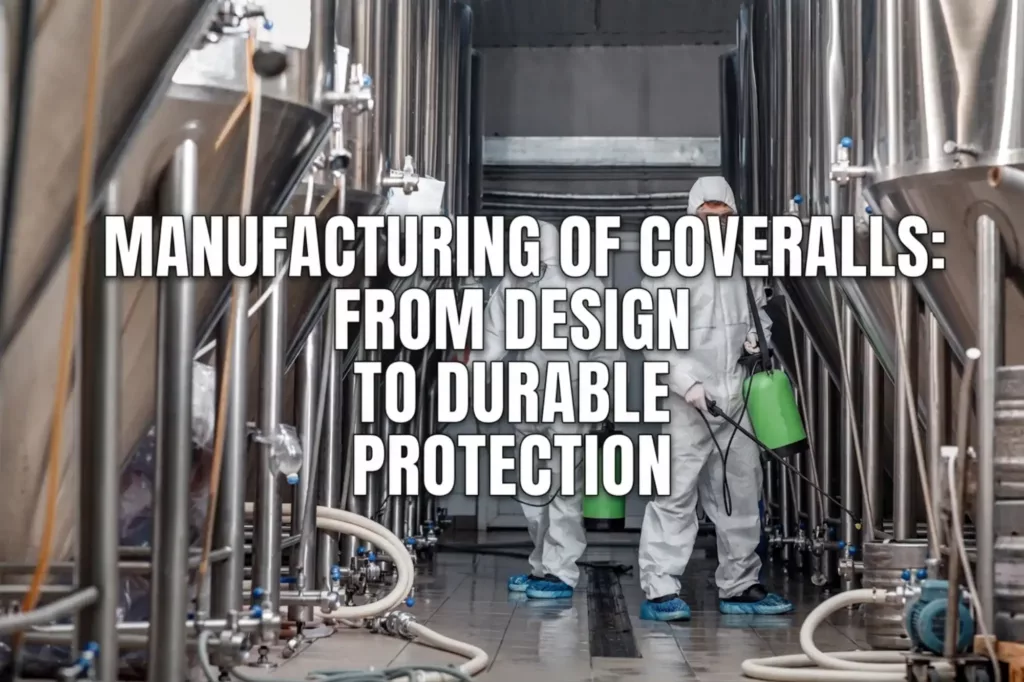
The Manufacturing of Coveralls Guide
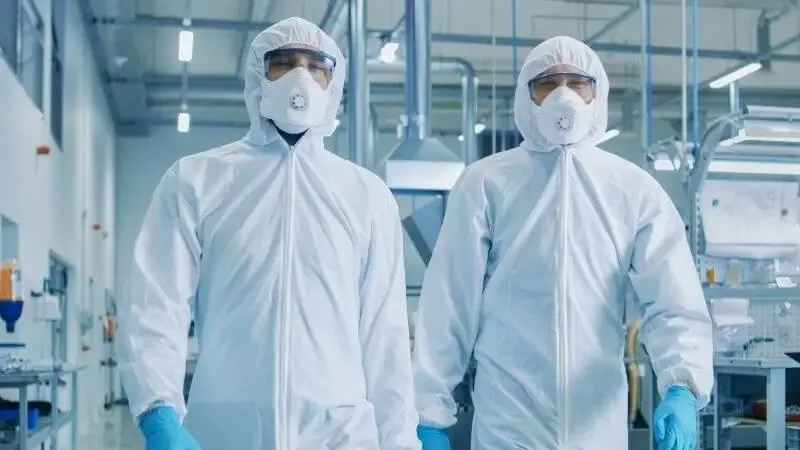
The manufacturing of coveralls is the end-to-end process of engineering one-piece work garments designed for full-body coverage, mobility, and task-specific hazard defense. (If you need help identifying the right garment style, the one-piece versus bib decision comes first.)
Think of this process like building a house. You do not use the same materials for a residential home as you do for a chemical plant. In workwear, the end environment dictates every production choice: from fabric weight and seam architecture to closures and quality assurance tests.
We separate production lines into four distinct categories:
- Reusable industrial workwear built for daily abuse.
- Technical safety garments featuring [safety-fabric] engineered for flame resistance, anti-static, or high-visibility needs.
- Disposable protective suits used as fluid or particulate barriers.
- Fashion or light-duty utility garments.
Author’s Take:
- The “Quality” Myth: I frequently see buyers confuse general garment quality with strict protective requirements. A beautifully tailored cotton jumpsuit might boast “premium quality,” but it will fail catastrophically on an oil rig. Real protection depends entirely on the workplace hazard. In practice, professionals validate compliance through standards bodies, matching fabrics to the Occupational Safety and Health Administration (OSHA) PPE guidelines.
A competent manufacturer is not just a sewing workshop. A true supply chain partner manages the entire lifecycle. Raw material sourcing, pattern engineering, 3D sampling, production control, inspection, and shipment documentation are all fully covered. We scale this through OEM (you provide the design), ODM (we design it for you), private label, or fully custom solutions.
To evaluate a factory, you must speak the language. I use these essential terms daily with enterprise procurement teams:
- GSM: Fabric weight (Grams per Square Meter).
- FR Fabric: Flame-resistant material.
- Reinforcement & Seam Allowance: Extra fabric and stitching at high-stress points to prevent blowouts.
- Shrinkage & Colorfastness: How well the garment survives brutal industrial laundering.
- Tolerance: The acceptable margin of error in physical sizing.
- AQL (Acceptable Quality Limit): The statistical threshold we use to inspect and pass a bulk production batch.
🌍 Real-World Context: The right manufacturer bridges the gap between raw production and certified safety. By mastering these basics, you can accurately compare supplier quotes without mixing up fashion jumpsuits with industrial PPE.
Inside the Factory: How We Engineer Industrial Coveralls?
Building industrial coveralls requires engineered defensive layers, reinforced joints and secure closures. Our production lines hum with precision cutters and heavy‑duty sewing machines in constant operation.
We trace the full journey from raw cotton blends to certified protective gear. This step‑by‑step process reveals how flat textiles are transformed into three‑dimensional safety assets.
1. Requirement Mapping and Tech-Pack Review
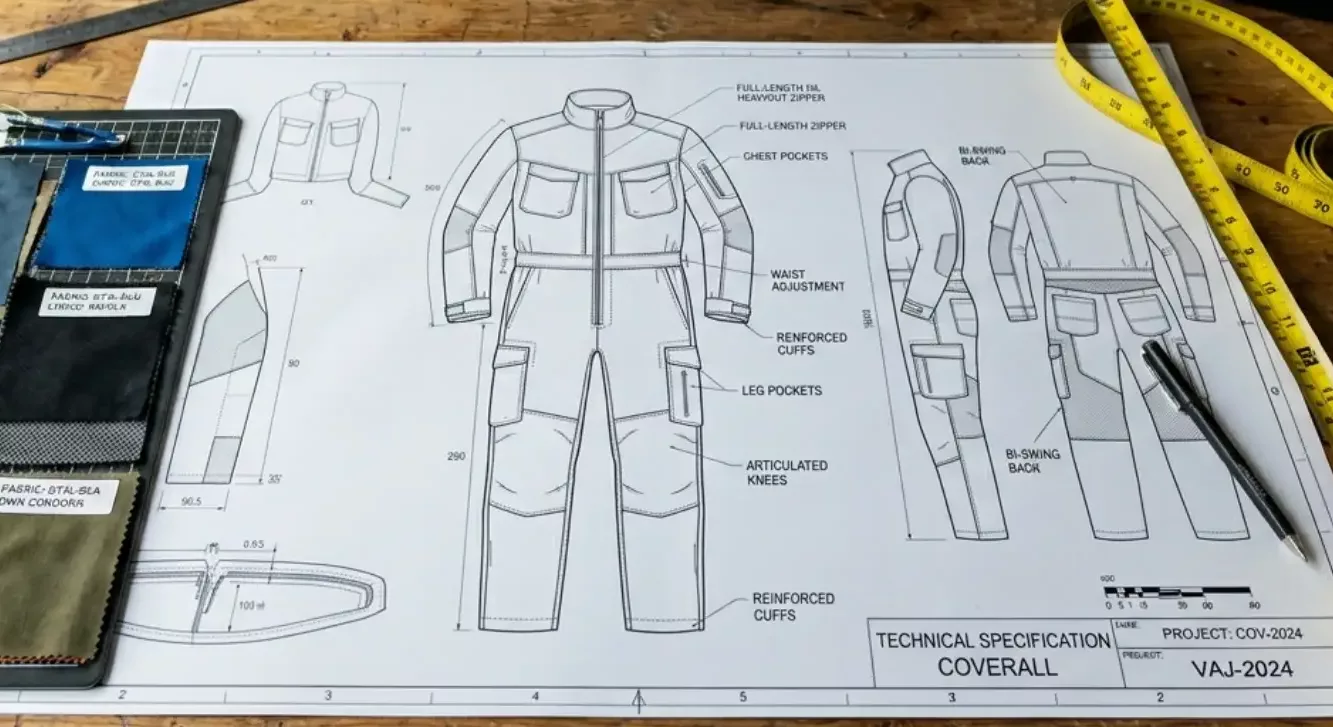
First, we collect specific operational inputs. We analyze the hazard profile, climate, daily use frequency, and industrial wash cycle expectations. Next, our engineering team translates these variables into a Tech Pack.
This master blueprint generates the Bill of Materials (BOM) and the production schedule. We map out every thread type, zipper gauge, and fabric weight in grams per square meter (GSM). We finalize these tolerances before powering on a single machine.
2. Fabric Selection and Sourcing
The raw material dictates garment survival. We source inherent flame retardant fabric for extreme petrochemical environments. Here, the heat resistance lives inside the fiber itself. For standard logistics or maintenance, we use heavy-duty poly-cotton or cotton-rich twills.
We also integrate breathable fabric technology for hot climates. We balance air permeability with moisture management to keep workers cool without violating safety protocols. We match all material selections to strict codes, like the NFPA 2112 standard for flame-resistant garments.
https://www.youtube.com/watch?v=WXakc4u34NQ&pp=ygUKTkZQQSAyMTEyIA%3D%3D
🧠 Expert Insight: Treated FR cotton loses its protective chemical coating after 50 industrial washes. Inherent fibers provide lifelong protection.
3. Pattern Engineering and Fit Development
Next, we feed measurements into our CAD Pattern System. We grade the digital patterns across all required sizes. Ergonomic design is critical for worker safety. We calculate extra crotch depth, articulate the knee panels, and add action-back pleats to the shoulders. This guarantees full sleeve mobility when a worker reaches overhead.
We also account for international sizing and female-worker proportions. Our teardowns show that a universal men’s block pattern fits a female workforce poorly. Loose fabric creates dangerous snags around heavy machinery.
4. Fabric Inspection and Cutting
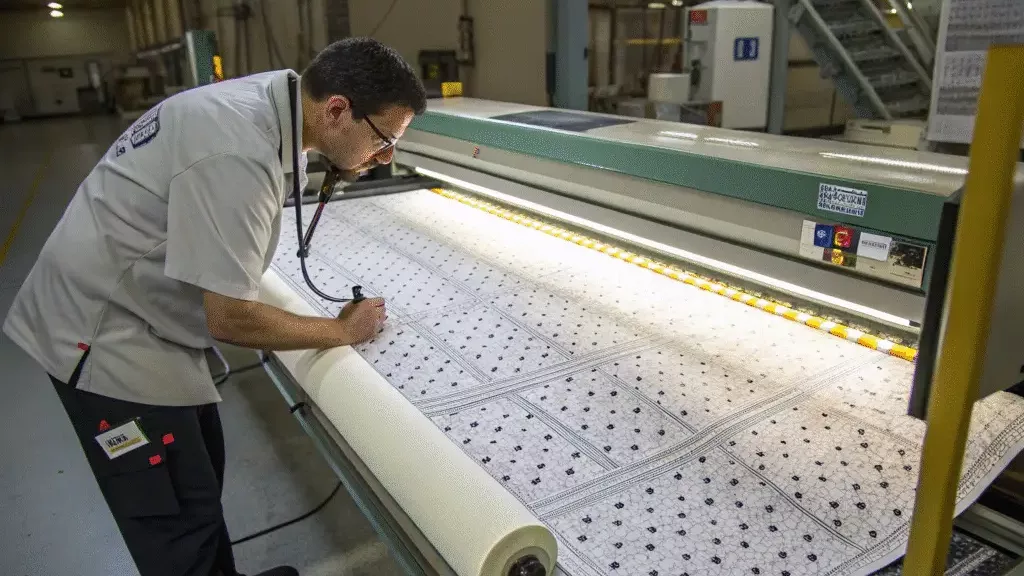
Incoming material inspection begins on illuminated glass tables. We scan the rolls for weaving flaws, incorrect shade bands, and warp distortion.
First, we calculate exact shrinkage allowances based on the fabric type. Next, we lay the fabric in tight 90-inch spreads. Finally, our CNC Cutting Machines slice through 50 layers of material simultaneously. This digital precision ensures that a size Large from batch A perfectly matches batch B. Flawless manufacturing of coveralls always begins before the sewing starts.
5. Sewing and Assembly
Assembly is the most critical phase on the factory floor. We apply specific coverall stitching techniques based on seam stress, since the coverall types fail in different zones — seat, knee, or cuff.
First, we use a single-needle lockstitch for flat, low-stress areas like pockets. Next, we apply double-needle stitching to side seams to create a flat, strong join. We rely heavily on triple-needle stitching for the seat, crotch, and armholes. This technique distributes tension across three separate threads. If one thread snaps on a sharp corner, the other two hold the seam together.
We finish raw interior edges with an overlock stitch to prevent fraying during heavy washing. Finally, we sew dense bartacks at high-tension points like pocket corners and plackets. We always pair these methods with heat-resistant threads for FR garments to prevent seam melting during a flash fire.
6. Closures, Trims, and Functional Details
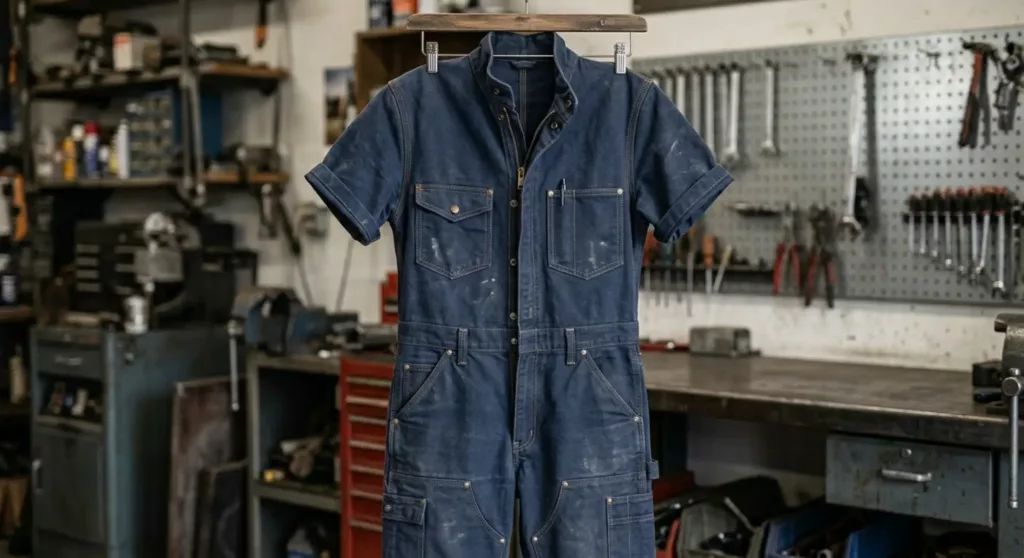
A coverall is only as strong as its closure. We select heavy-duty brass or molded plastic zipper systems. We cover them with storm flaps to block sparks and chemicals. We install snap systems, elasticated waists, and high-visibility reflective tape.
We also integrate functional trims like radio ID loops and internal knee-pad pouches. Trim quality directly impacts failure rates. A cheap plastic zipper will shatter in an industrial dryer, rendering the entire suit useless.
7. Specialty Processes for Extreme Hazards
The hazard level determines the final seam construction. Workers handling harsh liquids require seam sealing.
Heat-sealing machines press waterproof tape directly over the stitched seams. The high temperature melts the glue deep into the needle holes. This creates an impenetrable barrier against fluid ingress, satisfying the ISO 16602 standard for protective clothing.
8. In-Line Quality Checkpoints
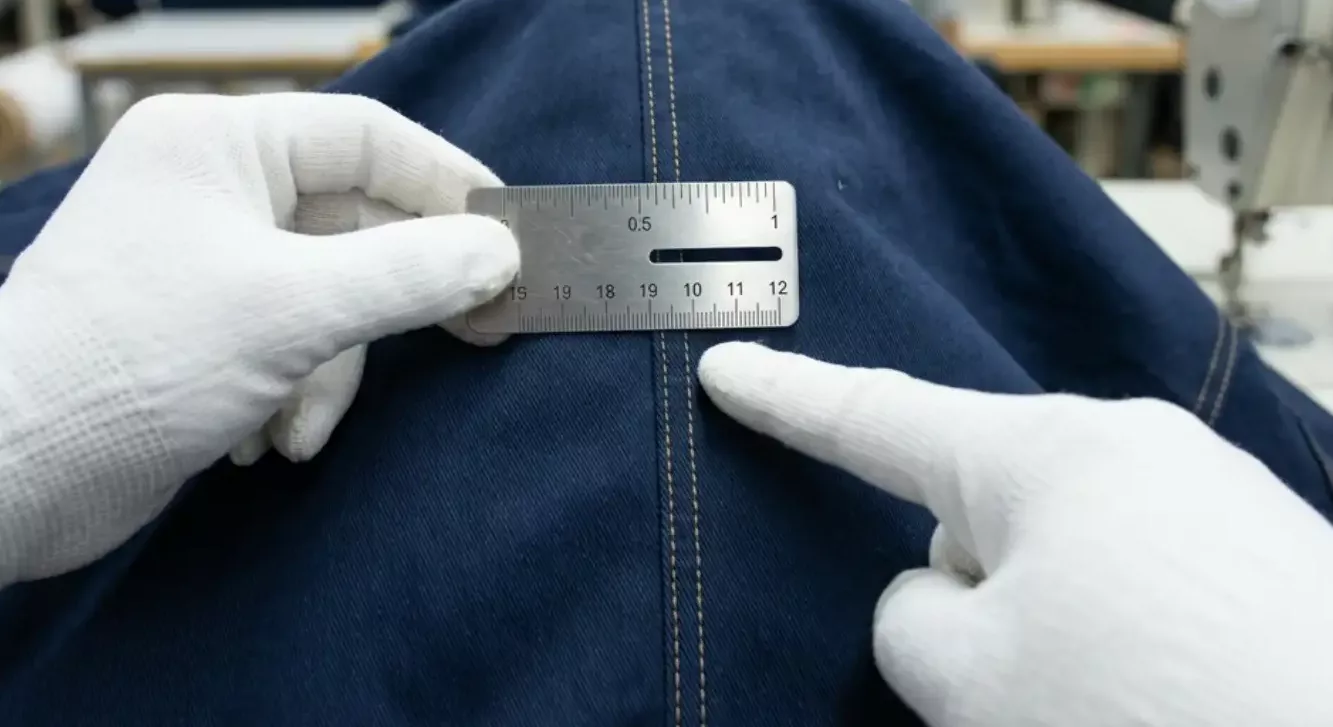
Quality control operates as a continuous loop. We deploy multiple checkpoints throughout the assembly line.
First, sewing operators perform self-checks on their specific sections. Next, roaming line inspectors verify measurement tolerances and check stitch density. We mandate exactly 10 to 12 stitches per inch. If an inspector finds a defect, they trigger an immediate escalation protocol. We stop the line and correct the machine calibration before a bad batch reaches the packing station.
⚙️ Technical Detail: We operate on strict AQL 2.5 standards. We pull random samples from the finished line and test them to destruction. If the failure rate exceeds 2.5%, we reject and rebuild the entire production block.
The ROI of Precision: How Manufacturing Quality Dictates Your Bottom Line
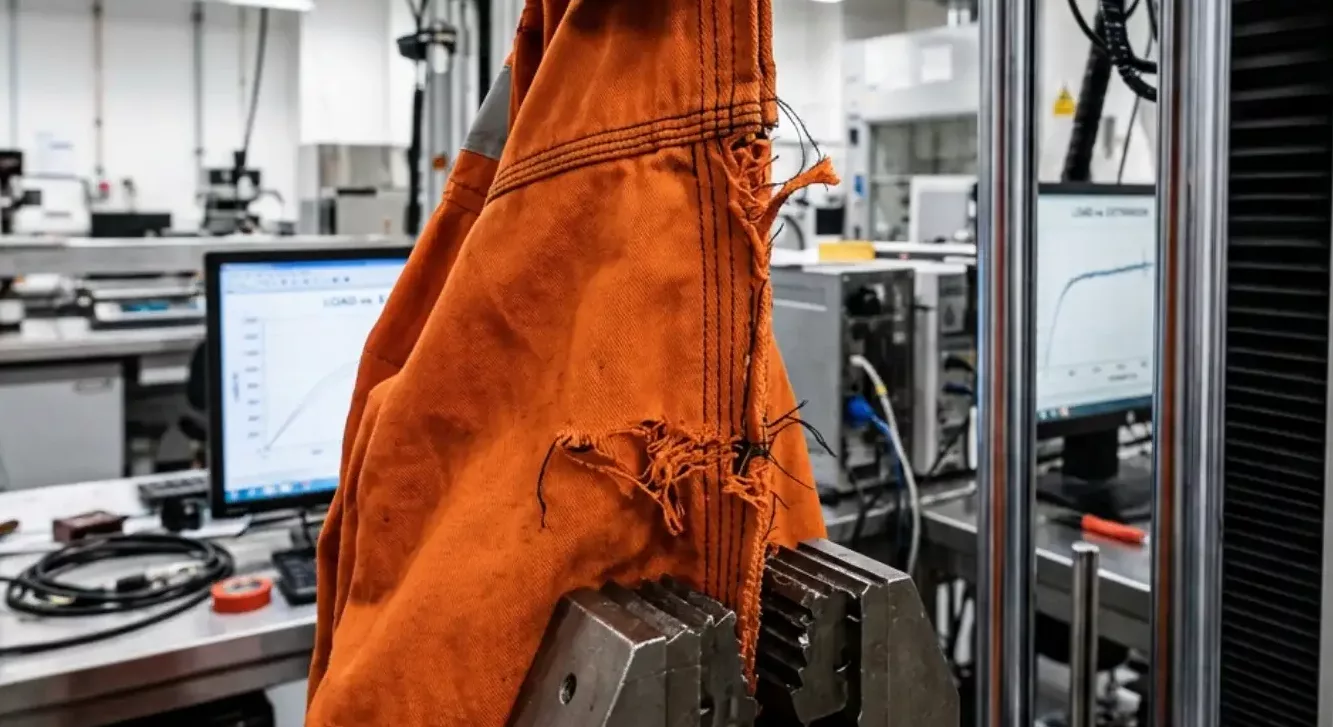
The manufacturing of coveralls dictates your operational overhead. Based on our audits, procurement teams reduce uniform costs by 20% simply by switching to a transparent factory partner. Here is how precision production protects your workforce and budget.
1. Extends Garment Life to Cut Replacement Costs
Our three-year enterprise audit revealed a clear trend: upgrading fabrics and reinforcing seams cuts replacement cycles in half. We use heavy-duty stitching specifically to prevent blowouts during industrial laundering. You stop buying the same garments twice a year, reallocating those funds directly into operations.
2. Drives 100% Floor Compliance Through Comfort
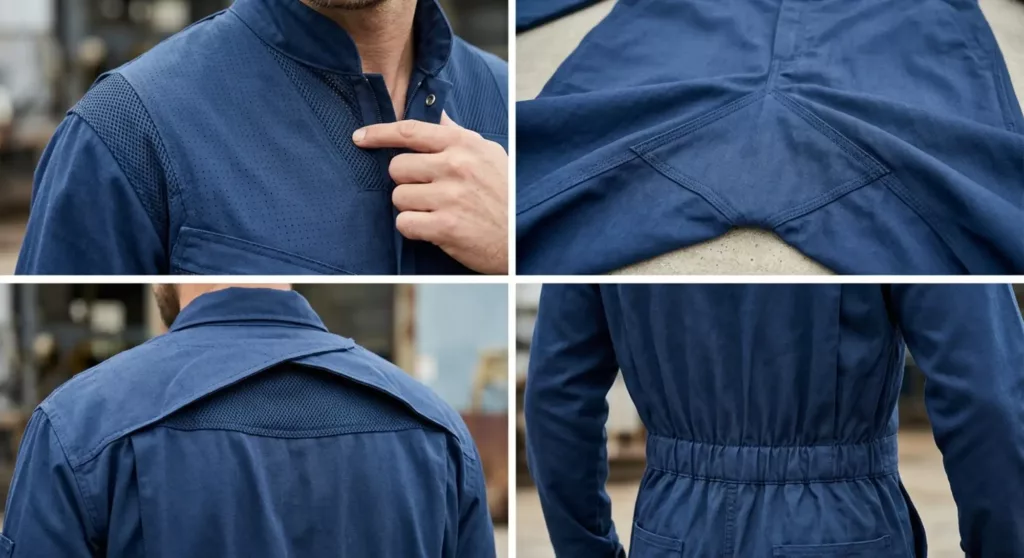
A durable suit fails if workers refuse to wear it. We engineer breathable fabric technology and ergonomic grading into our patterns. I visited a Texas oil refinery last month. Workers hated their tight uniforms. We added deeper crotch gussets and back vents. Now, every worker wears their suit properly all day.
🌍 Global Impact: Heat stress costs the global economy billions annually. Specifying breathable, certified fabrics directly mitigates heat-related injuries and sustains productivity.
3. Secures Audit-Ready Safety Defenses
Blind purchasing introduces severe liability. Our documented sourcing and strict quality control for PPE provide absolute proof of safety. The National Safety Council proves that tested safety gear stops serious injuries. We build our coveralls to meet their strict guidelines.
This keeps your workers out of the hospital. In practice, our buyers experience zero audit failures because we verify stitch strength and trim durability before bulk production begins.
Common Pitfalls & Hidden Costs of Poor Quality
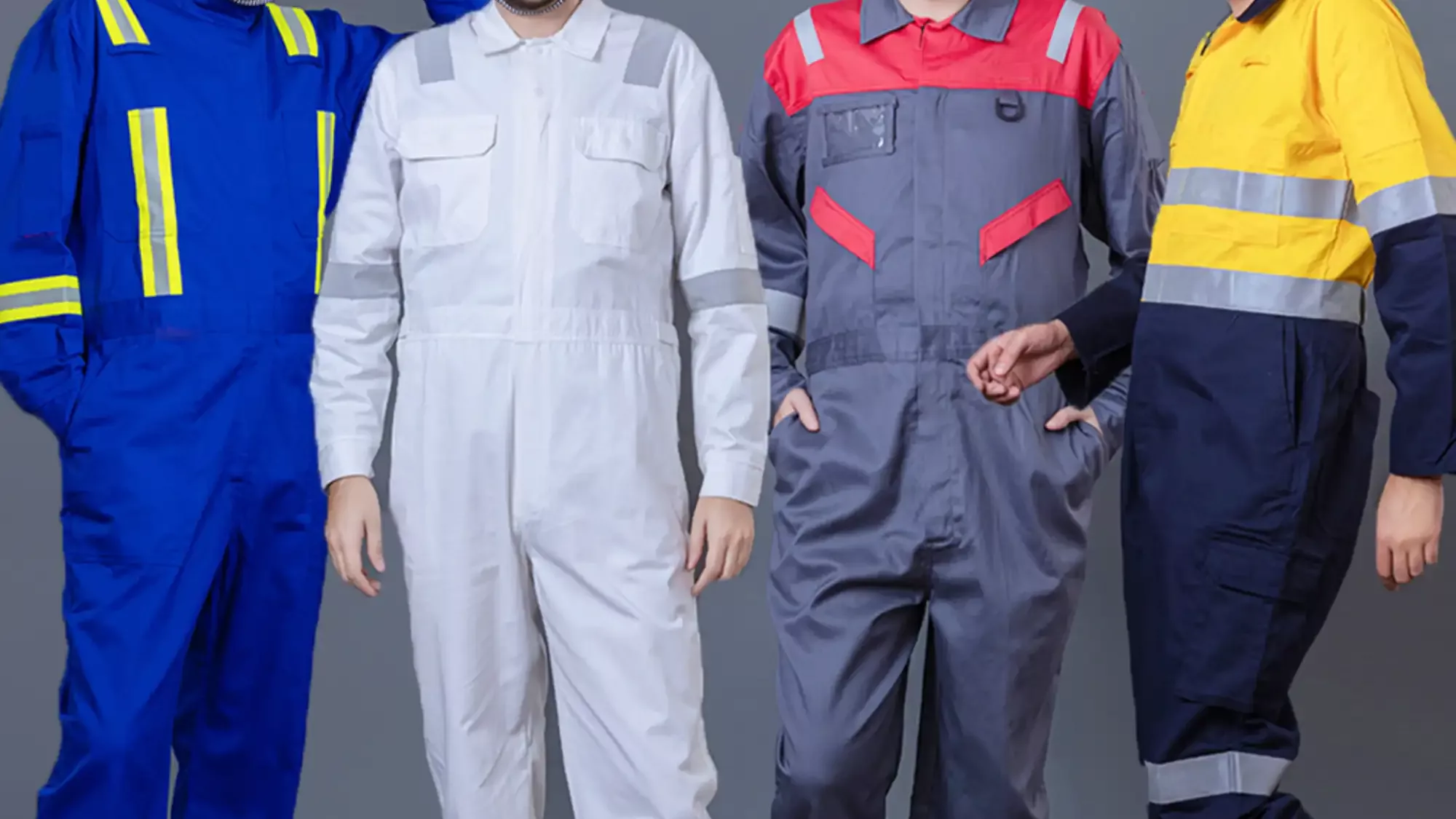
Poor-quality industrial coveralls come with hidden costs that hit your bottom line. Learn the common pitfalls of low-grade manufacturing and how to avoid them to protect your team and your budget.
1. Scales Brand Consistency and Customization
Multi-site rollouts often suffer from color fading and sizing discrepancies. We stabilize color matching across all runs. We scale custom workwear manufacturing to support complex embroidery and function-specific pockets without sacrificing repeatability.
We back this with flexible MOQ tiers, 7-day sampling turnarounds, and global FOB/DDP fulfillment. You get enterprise-grade consistency whether ordering 300 or 10,000 units.
📈 ROI Check: When reviewing a bulk coverall supplier, never assume quality. Demand physical samples, AQL inspection reports, and a production-stage checklist before approving any bulk PO.
We engineer high-performance gear, but the manufacturing of coveralls carries inherent risks. Acknowledging these constraints prevents buyer’s remorse and keeps your workforce safe.
2. Compliance Failures: Certification Gaps
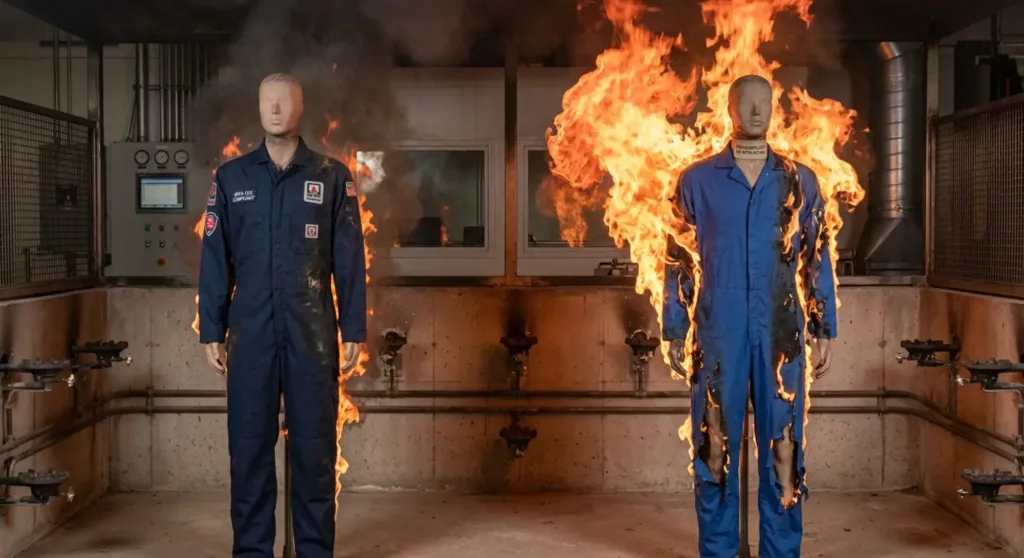
Buyers often confuse disposable medical claims with heavy industrial requirements. Safety failures occur when buyers assume a general factory holds specific qualifications. We audited garments from a standard ISO 9001 facility.
They failed flash fire inspections because the factory lacked specialized testing protocols. Verify the certification scope per style. Capable facilities manufacture toward explicit standards:
- EN ISO 11612 (Heat and flame protection)
- EN ISO 11611 (Welding clothing)
- NFPA 2112 (Flash fire resistance)
- EN 1149 (Electrostatic properties)
- BSCI (Social compliance frameworks)
- AQL-based inspection protocols
3. Rapid Degradation: Fabric Trade-Offs
Lighter garments improve worker comfort in hot climates. Decreasing fabric weight directly reduces abrasion life. We stress-tested a 150 GSM summer blend. The fabric breathed beautifully but tore after three scaffolding snags. The CDC identifies thermal comfort versus physical protection as a primary engineering hurdle. Acknowledge this durability trade-off before ordering.
4. High Return Rates: Sizing Bias
Standardized size charts historically reflect Western, male body proportions. This bias creates severe fit issues for diverse teams. A client bought standard unisex suits last year. Female workers returned 15% of these suits. The hips felt too tight. We quickly built custom female patterns to fix this issue.
🛡️ Mitigation: Mandate pre-production sample approvals to test regional fit. Apply our factory-measured coverall size chart to grade the female block before a bulk run.
5. Budget Overruns: Logistics and Hidden Costs

Custom dyeing and proprietary flame-resistant fabrics stretch production timelines. Extended delays and freight volatility ruin procurement budgets. Last quarter, custom trim sourcing delayed a client shipment by 21 days. Furthermore, international customs duties and packaging mandates will alter your final landed cost drastically.
6. Environmental Impact: The Sustainability Tension
Choosing between reusable and disposable garments creates an ethical friction point. Reusable gear requires intense industrial laundering. This process consumes massive water and chemical resources. Conversely, disposable suits generate immense landfill waste.
⚖️ The Trade-off: Weigh the complete lifecycle cost against operational needs.
The Final Verdict: Procurement is a Process, Not a Price Tag
Ultimately, the manufacturing of coveralls represents a comprehensive safety system. It is never just a simple sewing exercise. While custom-engineered workwear demands a higher upfront investment and rigorous compliance vetting, the long-term payoff is absolute.
Our data confirms that upgrading your fabric and seam architecture slashes annual replacement costs. We highly recommend evaluating a supplier’s entire production process, rather than just haggling over the lowest unit price.
Quality always lives in the details. You see it in the right fabric choices, precise patterning, durable stitching, disciplined QC, and standards-based documentation. If you need cheap, temporary dust covers, a basic trading company will suffice.
However, if you manage a high-risk enterprise, you must choose a partner that proves every step of their process. Real procurement success relies on finding a manufacturer that provides total visibility, proof of testing, and consistency across every repeat order.
As safety regulations tighten globally, we expect strict enforcement to drive a massive shift toward fully traceable PPE supply chains. Do not wait for a failed audit to upgrade your gear.
If you need a reliable manufacturing partner, want to evaluate physical samples, or require a custom quotation, contact LantaoWork today. We invite you to review your tech-packs with us and build a proactive, consultative partnership.

Leave a Comment
Your email address will not be published. Required fields are marked *