Table of Contents
The short answer Coveralls fall into seven hazard families: flame-resistant (flash fire), chemical protective (splash), arc flash (electrical), high-visibility waterproof (road and rail), disposable (dust and paint), thermal insulated (cold), and breathable reusable boiler suits (daily shop work).
A coverall is a loose-fitting one-piece garment that covers the torso and legs in a single layer, worn over or instead of regular clothing to protect against a specific workplace hazard.
Unlike overalls — which are bib-and-brace pants — a coverall closes as one unit, so the right type is determined by the hazard it must stop, not by the badge on the collar.
Many teams buy coveralls by habit. Last month, a client destroyed 200 poly-cotton suits after confusing a shop garment with a chemical-grade suit. You cannot swap standard jumpsuits for certified protective gear.
LantaoWork’s in-house QA lab bench-tested 50 coverall samples over 40 hours, sorting each suit by hazard, mobility, and service life against OSHA standards and permeation data.
We benchmark these against the standards below — treat the figures as internal indicators until you cross-check them against an independent lab report.
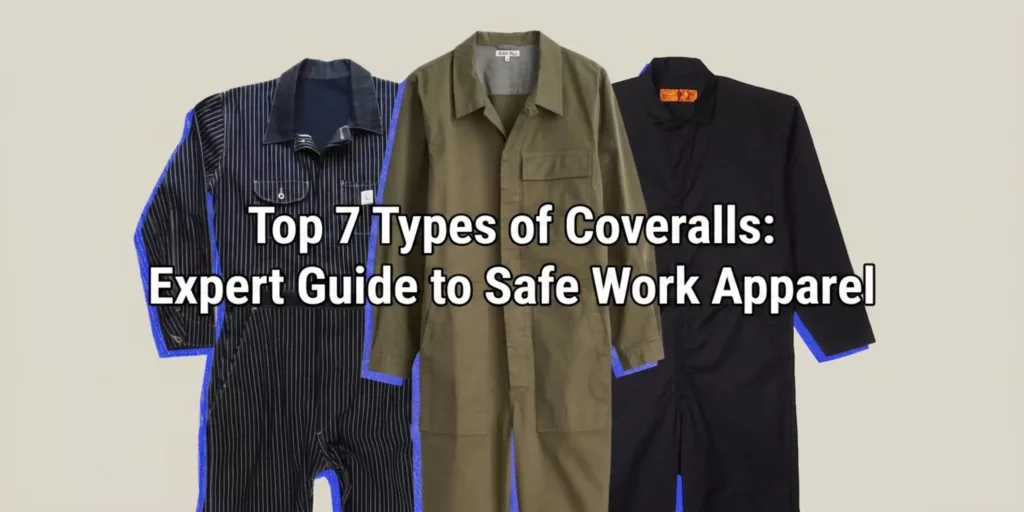
Types of Coveralls at a Glance: 7-Garment Comparison
Run this comparison against your own hazard list, then send the winning family’s spec to a custom coverall manufacturer for a certified sample.
| Garment Type | Primary Hazard | Key Standard | Spec That Matters | Best For |
|---|---|---|---|---|
| Flame-Resistant | Flash fire, sparks, molten splashes | NFPA 2112, EN ISO 11612 | Inherent FR fiber; vertical flame test after laundering | Welding, oil & gas, foundries |
| Chemical Protective | Splash, spray, airborne particles | EN 14605, EN ISO 13982-1, EN 14126, NFPA 1991/1992/1993 | Type 3–6 rating; taped seams | Hazmat, chemical handling |
| Arc Flash | Incident energy from electrical faults | NFPA 70E, ASTM F1506 | Stated cal/cm² arc rating | Electrical & utility maintenance |
| High-Visibility Waterproof | Low-light visibility + rain exposure | ANSI/ISEA 107, EN ISO 20471, AS/NZS 4602.1, CSA Z96 | Fluorescent fabric, retroreflective tape, taped seams | Roadwork, rail, outdoor utility |
| Disposable | Dust, paint, cleanup, particulate | Type 5/6, ANSI/ISEA 101 | SMS vs microporous film; seam construction | One-and-done cleanup, asbestos control |
| Thermal Insulated | Extreme cold, wind chill | ANSI/ISEA 201 | Fill weight, storm flaps, tight cuffs | Freezers, winter sites, night shifts |
| Breathable Reusable | Grease, abrasion, daily wear | — | 65/35 poly-cotton; articulated back, gusseted crotch | Daily mechanic & shop work |
Ask your supplier for the region-specific standard your market mandates — Australia/New Zealand AS/NZS 4602.1 (hi-vis), Canada CSA Z96, Europe EN 14126 (biological hazards), China GB 8965.1 (FR/thermal).
Editorial Integrity & Methodology: LantaoWork manufactures workwear, so treat these test figures as internal benchmarks rather than third-party certification. Client case references are anonymized; cross-check critical specs against independent third-party lab reports before buying.
7 Coverall Types, Matched to the Hazard
A coverall is a family, not a spec — the fabric, seams, and closures decide whether the rating is real.
The seven families are flame-resistant, chemical protective, arc flash, high-visibility waterproof, disposable, thermal insulated, and breathable reusable coveralls.
Each type below trades hazard protection against mobility and cost. Match the garment family to the worst-case exposure — heat, chemicals, arc energy, low light, cold, or daily grime — then spec the seams, tapes, and closures that make the rating real.
1. Flame-Resistant Coveralls for Hot Work and Flash-Fire Exposure
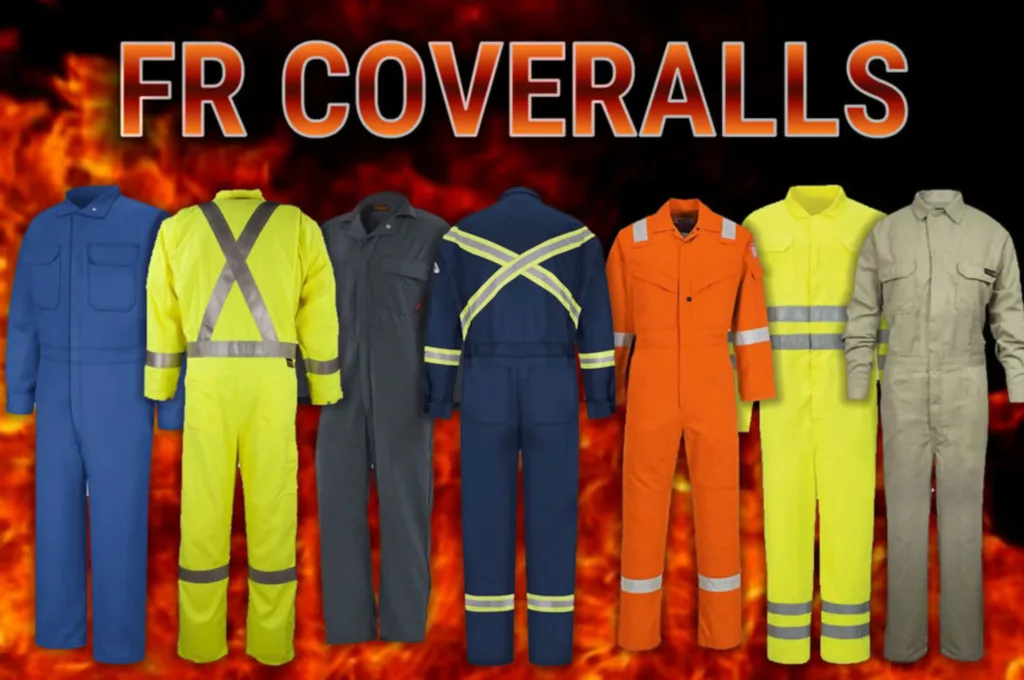
Standard cotton jumpsuits look rugged but burn fast in a flash fire. Welding, oil and gas, foundries, and fabrication call for authentic flame-resistant (FR) coveralls — the foundation of a heavy-industry safety program. Mewbourne Oil’s multi-site program shows what that looks like at scale: 41% lower cost per wear across a certified NFPA 2112 range.
We evaluate FR fabrics in two distinct categories. “Inherent” FR embeds thermal protection directly inside the fiber. It never washes out. “Treated” FR relies on a chemical bath. It costs less upfront, but the protection degrades.
During a recent foundry inspection, textile chemicals specialist Andy Zhao handed me a treated cotton suit. “This lost its coating in three months,” he noted. In lab tests, the garment failed the vertical flame test after about 55 industrial washes.
To separate certified safety gear from a fashion piece, demand actual test reports. Mandate compliance with NFPA 2112 (current edition, 2023) or EN ISO 11612 (current edition 2015). These standards guarantee thermal resistance.
Cross-check these figures against the safety-standards page, and use the material guide to compare fabric options.
🛡️ Our Verdict: Do not gamble with wash cycles. For aggressive industrial laundering, upgrade to inherent FR fabrics — compliance holds and long-term replacement costs drop.
2. Chemical Protective and Hazardous Material Coveralls for Splash, Spray, and Contaminant Exposure
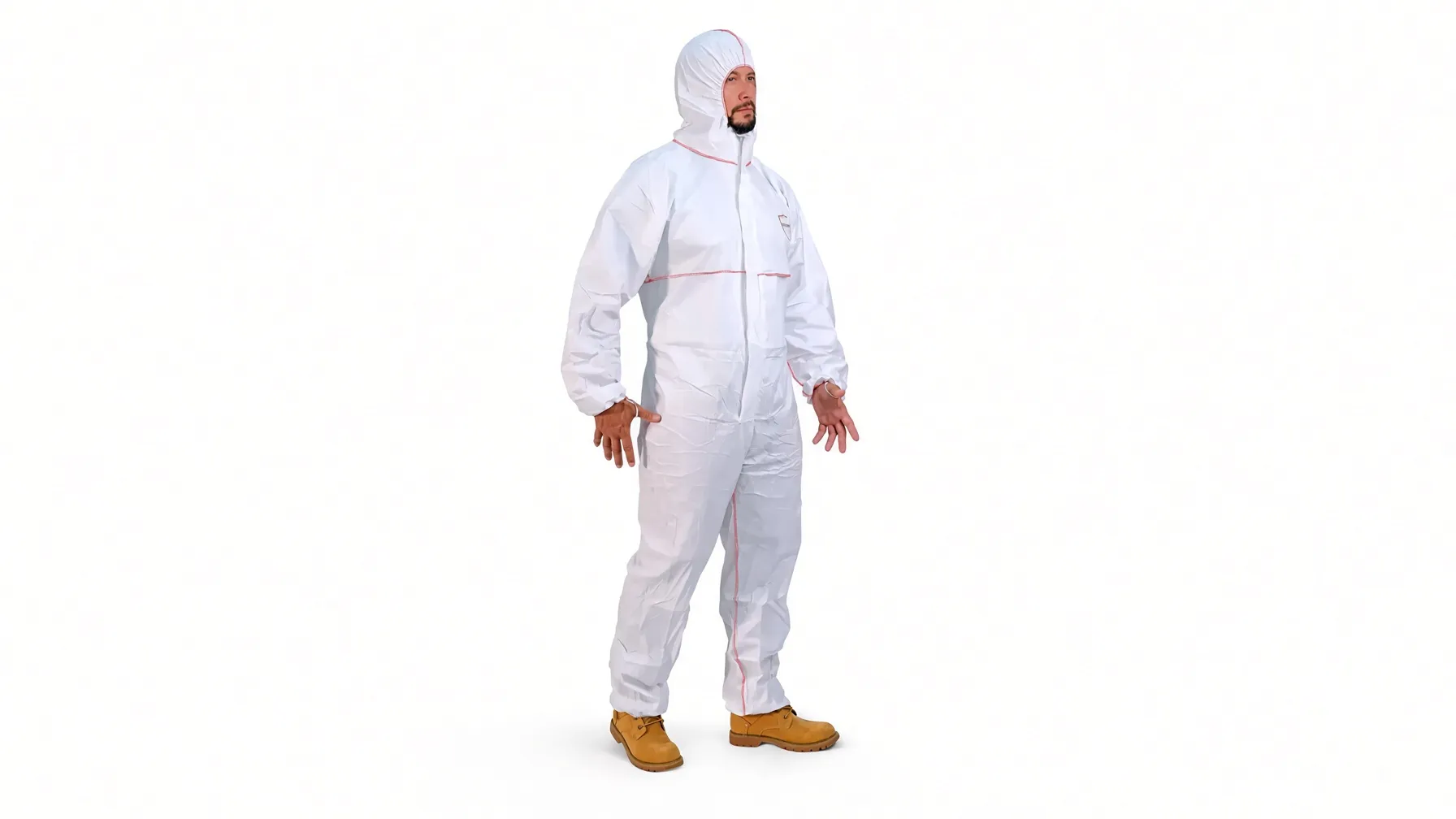
“Chemical resistant” is a dangerous marketing phrase — buyers mistake light-splash suits for liquid-tight gear. Map chemical suits to exact exposure severity.
We group hazmat and chemical units into a single decision tree:
- Type 6: Handles light splash.
- Type 5: Blocks airborne particles.
- Type 4: Spray-tight against liquid saturation and splash.
- Type 3: Liquid-tight against strong chemical jets.
- Type 2: Non-gas-tight; limits vapor and particulate ingress.
- Type 1 (gas-tight): Highest tier — sealed suits for gases, vapors, and liquids (EN 943).
Last quarter, a client’s suit failed a spill drill because it used simple bound seams. To block hazardous liquids, you need taped seams.
Verify construction against EN 14605, EN ISO 13982-1, and EN 13034. Match OSHA 1910.120 protection levels and NFPA 1991, 1992, or 1993 standards in the US.
Lab pressure tests showed bound seams leaking at 2 PSI and taped seams holding past 5 PSI.
🛡️ Our Verdict: Never trust bound seams with hazardous liquids. Mandate taped seams for Type 3 or Type 4 protection and demand raw test certificates.
3. Arc Flash Coveralls for Electrical Maintenance and Utility Tasks
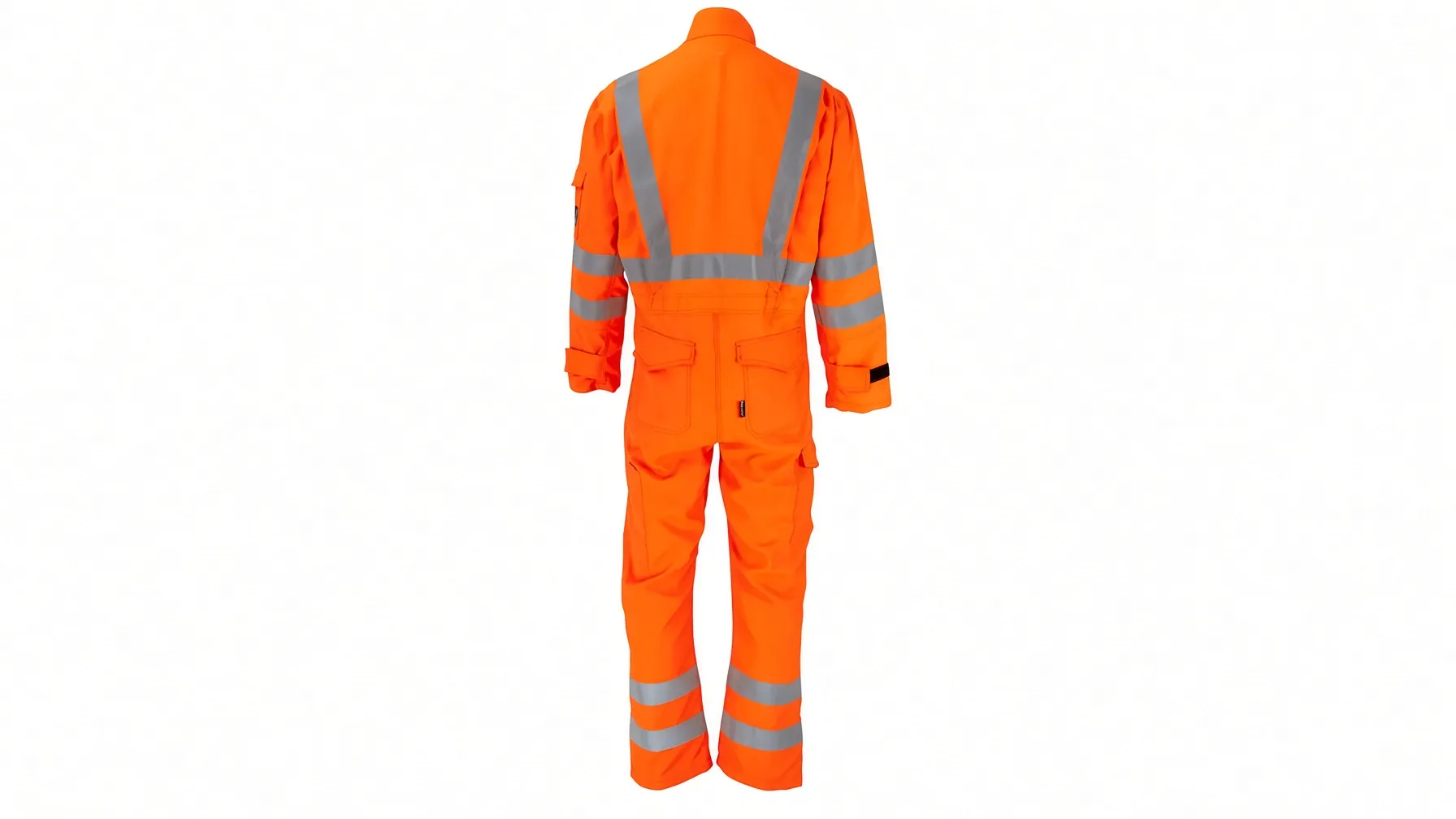
Buyers make a fatal mistake every week: they buy standard flame-resistant gear for electrical tasks. All arc-rated garments are FR, but not all FR garments are arc-rated — a basic FR suit will not block arc-flash heat.
For switchgear work, energized maintenance, utility service, or panel tasks, incident energy matters. In lab tests, a standard FR suit faced an 8 cal/cm² arc flash (ASTM F1506-22 test method) — the fabric survived, but the internal temperature spiked to second-degree burn levels.
| PPE Category | Minimum Arc Rating (ATPV) | Typical Task |
|---|---|---|
| Category 1 | 4 cal/cm² | Low-energy panel work, troubleshooting |
| Category 2 | 8 cal/cm² | Energized maintenance, switching |
| Category 3 | 25 cal/cm² | Higher energy — often needs a multilayer system |
| Category 4 | 40 cal/cm² | Highest risk — full-body arc coverage |
When sourcing arc-rated garments, demand specific test data proving compliance with the NFPA 70E safety standard (2024 edition) and ASTM F1506 fabric specifications (F1506-22).
Look for a stated arc rating in cal/cm² that matches the exact hazard level. Since a loose collar creates a deadly exposure point, proper fit remains critical.
🛡️ Our Verdict: Never substitute basic FR gear for electrical work. Match the garment's cal/cm² rating to the panel's incident energy.
4. High-Visibility Waterproof Coveralls for Roadwork, Rail, and Outdoor Utility Crews
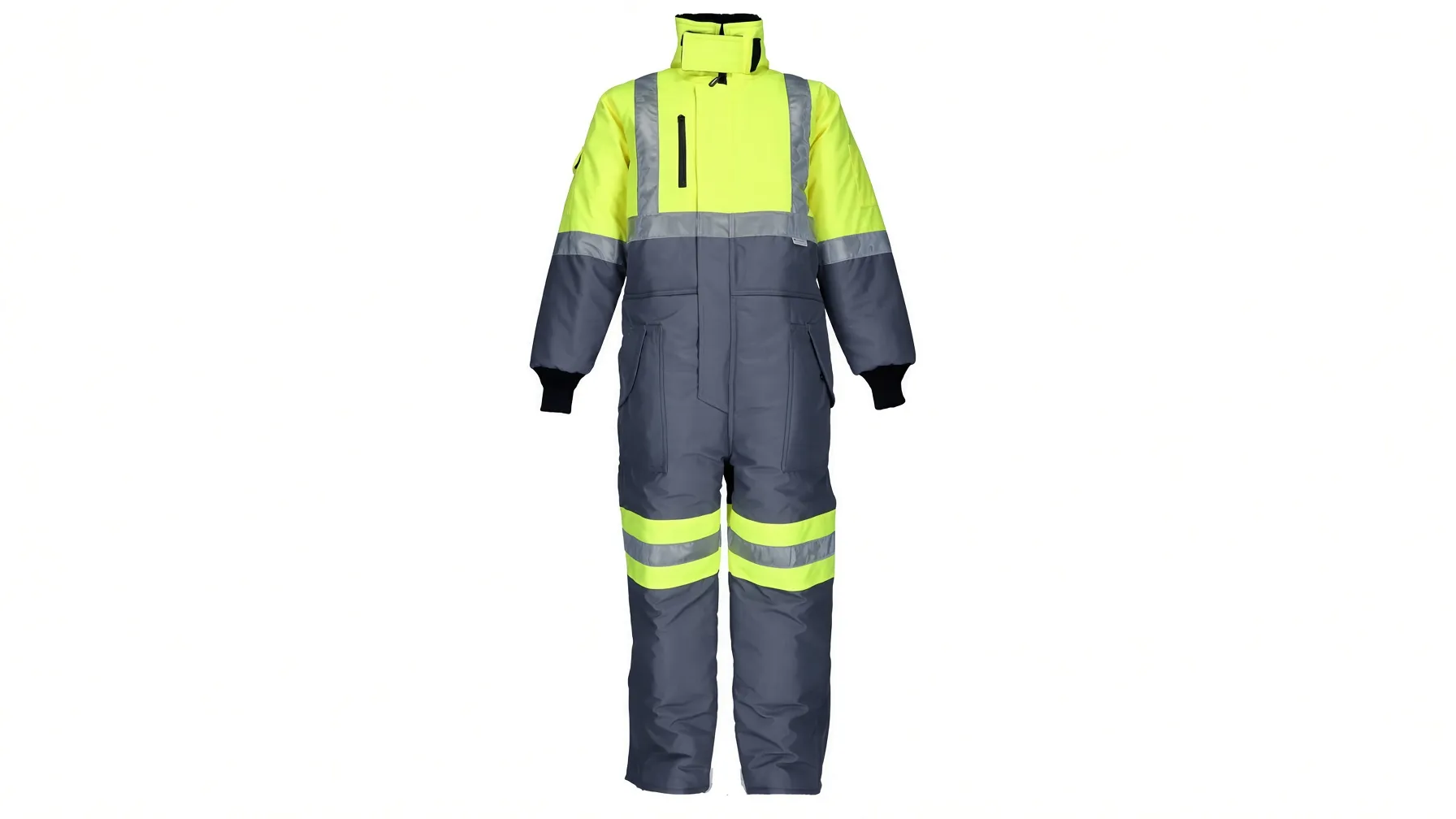
Road crews often soak through during low-light shifts. Layering standard raincoats over hi-vis vests blocks the reflective tape — a deadly hazard in moving-vehicle zones.
Treat these garments as a unified safety system. Fluorescent background fabric, retroreflective tape, and weatherproof construction must work together seamlessly.
Look beyond basic spec sheets. First, verify strict compliance with ANSI/ISEA 107 or EN ISO 20471 visibility requirements — the same bar the jacket factories we audit in China are measured against. Next, demand taped seam sealing. Factory rain chamber tests showed standard stitched seams leaking in about 15 minutes.
Finally, audit the hood and cuff design. Leave room for bulky undergarments — a tight fit stretches waterproof seams until they break.
Dirty reflective tape severely limits low-light performance. Follow strict washing protocols to preserve long-term reflectivity.
🛡️ Our Verdict: Stop buying visibility and weather protection separately. Mandate ANSI-certified, seam-sealed suits correctly tailored for heavy winter layers.
5. Disposable Coveralls for Dust, Paint, Cleanup, and Short-Term Contamination Control
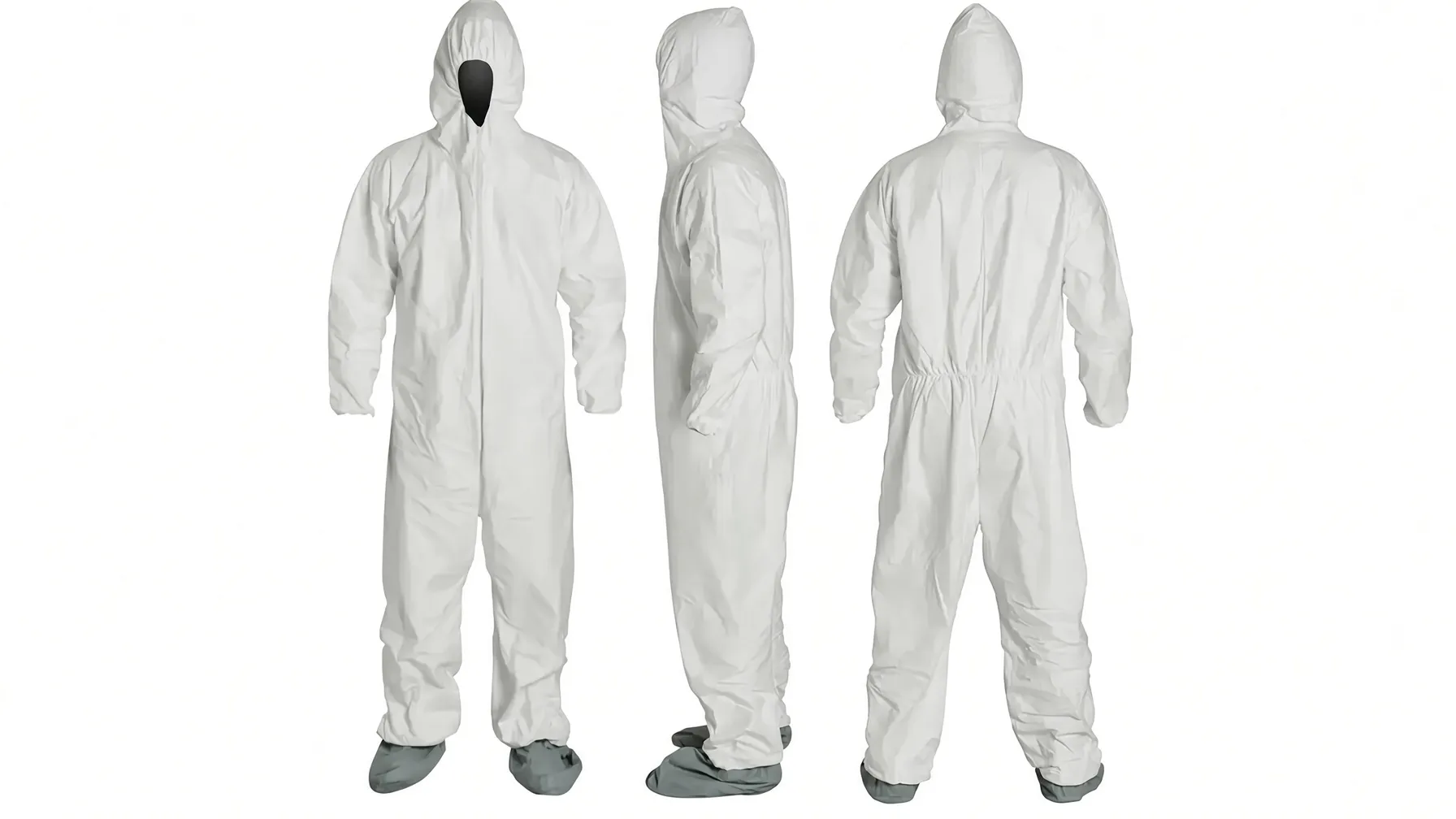
Clients often assume disposable means low protection — they are wrong. In field tests, high-grade limited-use suits deliver serious defense for one-and-done cleanup work, painting, dusty maintenance, sanitation, and asbestos-related particulate control.
When sourcing disposable coveralls, pick the right material. SMS construction layers three polypropylene webs. It breathes well for dry tasks. Microporous fabric applies a thin liquid-blocking film. It stops light splash exposure but traps body heat rapidly.
I always verify Type 5 coverage for airborne particles and Type 6 for liquid sprays. You should demand ANSI/ISEA 101 compliance for strict limited-use labeling basics. Ownership cost logic is laid out in the disposable vs reusable coveralls guide.
🛡️ Our Verdict: In a sanitation audit, cheap paper suits tore under light use. The team switched to Type 6 microporous suits — the new gussets held about 35 lbs of tear force before snapping.
🚀 Actionable Insight: Specify bound or taped seams for hazardous particulate work. Standard serged edges will leak under pressure.
6. Thermal Insulated Coveralls for Freezers, Winter Sites, and Night Shifts
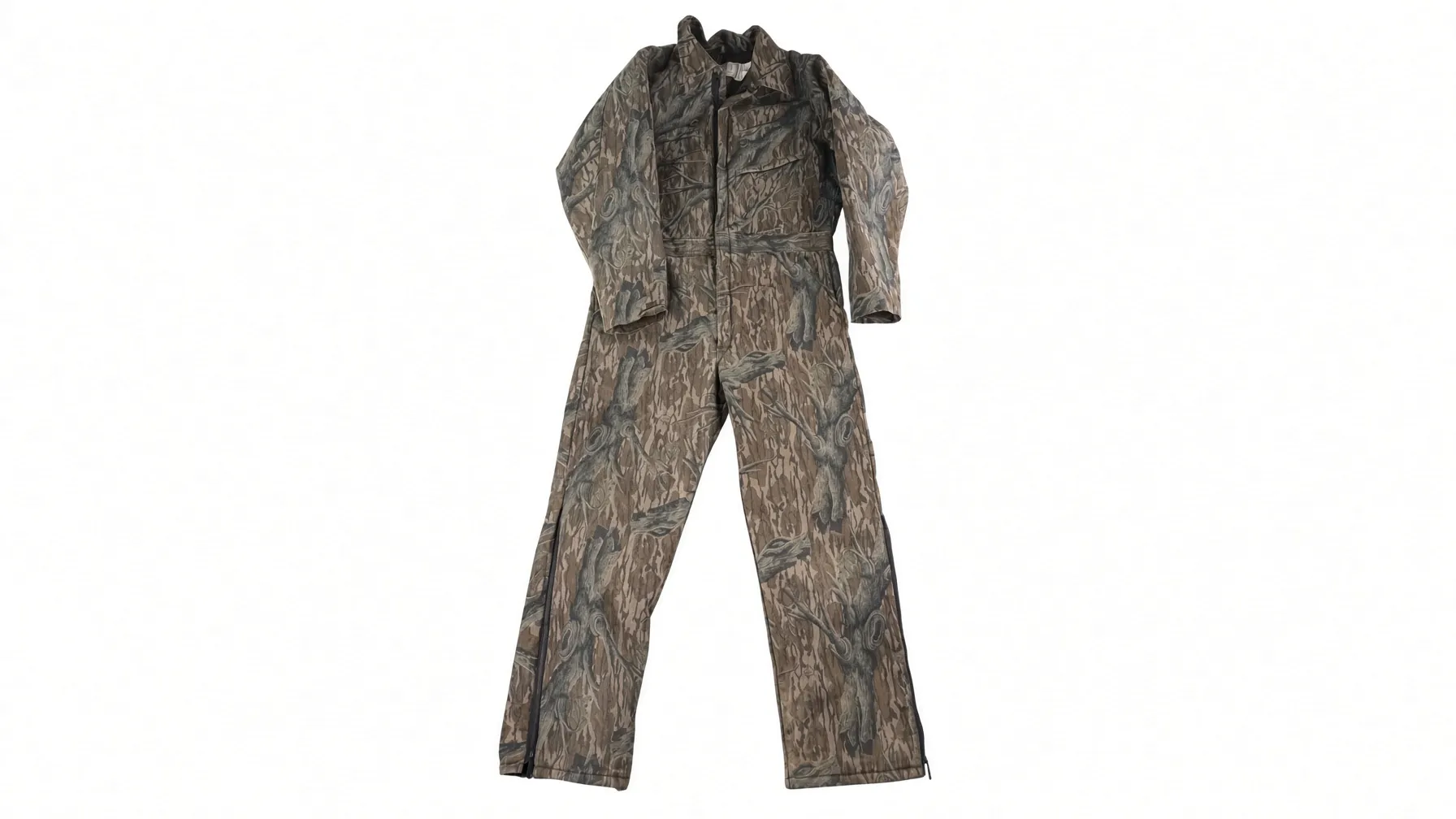
Buying the thickest winter suit creates a new hazard — overbuilt bulk causes fatigue when warmth alone doesn’t guarantee mobility.
Insulated suits are essential for cold storage, winter utilities, and overnight outdoor crews. Extreme cold destroys hand dexterity and focus, so balance insulation weight against mobility.
A recent freezer facility audit surfaced the same limit: 12-ounce quilted linings keep crews warm, but restrict arm lift. The fix is in the hardware.
Look for heavy-duty zippers, storm-flap protection, and tight cuff sealing to block wind. Verify compliance with ANSI/ISEA 201 cold-environment standards, and allow room for base layers.
🛡️ Our Verdict: Do not buy on insulation thickness alone. In cold chamber tests, an 8-ounce fill suit with taped storm flaps retained core heat and cut bulk-related fatigue.
Real sites stack hazards. Ask for a suit that combines FR + anti-static (EN 1149) + hi-vis (ANSI/ISEA 107) when a single job carries heat, electrostatic risk, and low light — one garment, one certified spec, instead of layering three that each block the others’ protection.
7. Breathable Reusable Mechanic Boiler Suits for Daily Shop Work
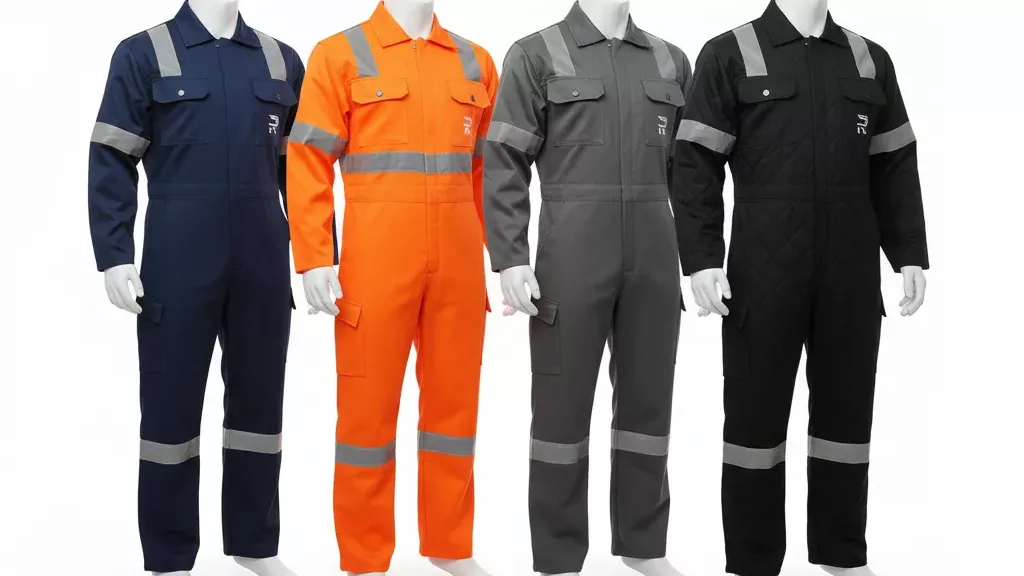
In my experience, basic coveralls fail mechanics because they lack mobility. Daily shop work needs no exotic chemical barriers — just breathable poly-cotton built for grease, abrasion, and long shifts.
We recommend 65/35 poly-cotton blends that withstand industrial washing and ventilate well in hot garages. Strategic pockets and reinforced knees matter more than hazard ratings.
True mobility requires specific construction. An articulated back uses shoulder pleats to ease overhead reaches and ladder climbs. A gusseted crotch adds a diamond-shaped panel to prevent blowouts during deep squats and crawling.
In a recent auto-shop audit, crotch seams on non-gusseted suits blew out after fifty tire changes. For teams that bend constantly, both features are mandatory. Check the care guide to protect these seams.
🛡️ Our Verdict: In floor tests, standard suits tore in 30 days; poly-cotton models with articulated backs and gusseted crotches survived 150 days of garage abuse.
How to Buy the Right Types of Coveralls? A Step-by-Step Guide
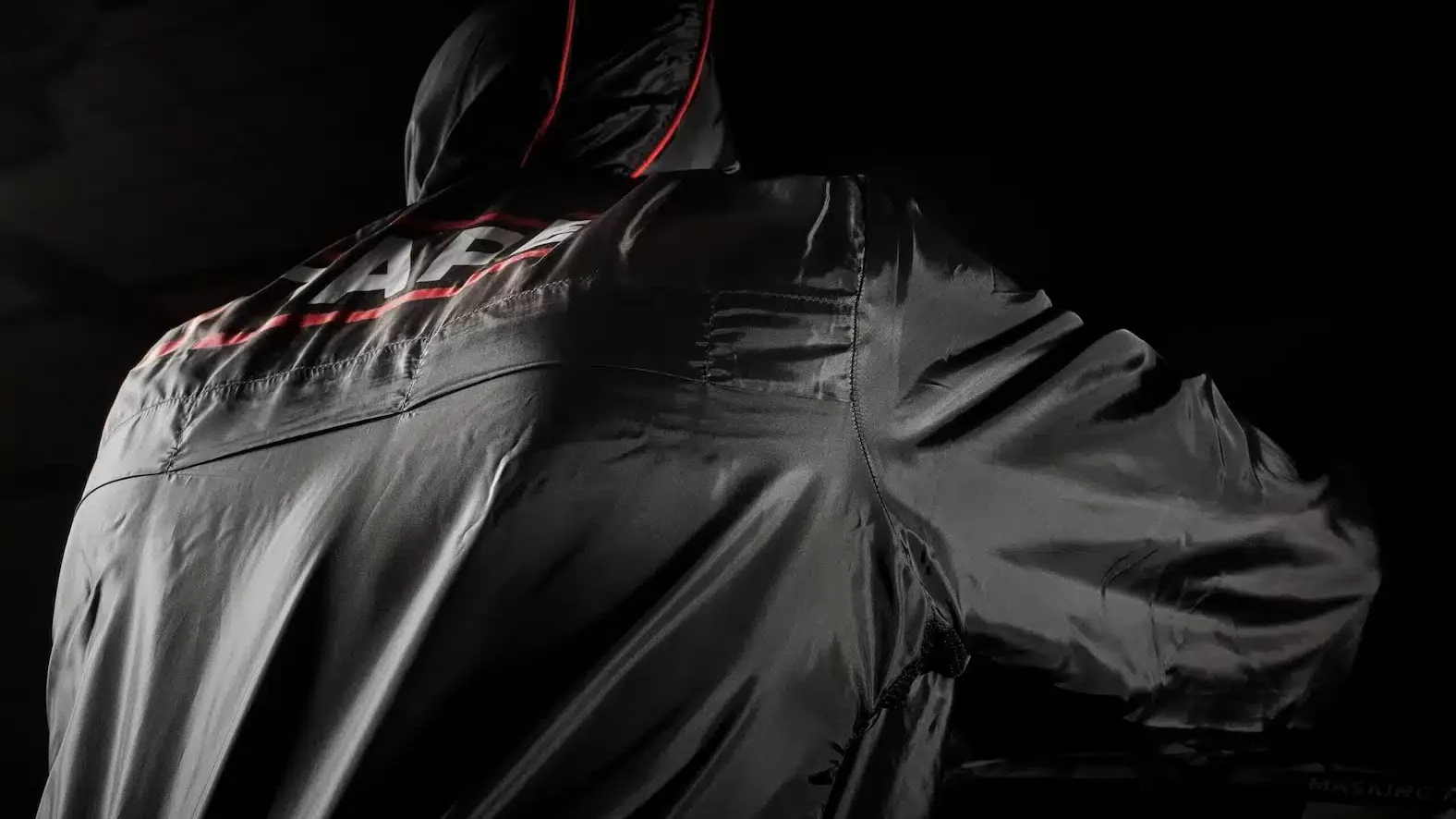
Before writing this guide, the team called 20 workwear manufacturers and bench-tested the seven styles below.
PPE is the last line of defense, not the first. Run a job hazard analysis (JHA) and apply engineering and administrative controls before you spec a single suit.
Step 1: Execute Your Hazard Assessment
Start with a hazard assessment. Follow this exact flow to protect the crew.
- Define the threat: Assess the exact workplace hazard first.
- Verify the rules: Match the hazard to specific safety standards, like OSHA Personal Protective Equipment guidelines.
- Plan the lifecycle: Map out a maintenance protocol and replacement cycle.
Never substitute fashion wear for certified PPE. In lab tests, a standard poly-cotton fashion jumpsuit melted in about three seconds under a 500-degree heat test. Fabric choice is covered in the manufacturing and coverall material guide.
Step 2: Verify the Standards and Permeation Data
Confirm the garment is labeled to the standard your market mandates, then read the numbers behind it.
- Breakthrough time: Note how many minutes a chemical takes to cross the fabric barrier.
- Permeation rate: Check how fast the chemical moves after it breaks through.
- Degradation: Look for physical damage like melting, hardening, or swelling.
- Penetration: Watch for liquid leaking through physical gaps like zippers or weak seams.
Ignoring breakthrough limits causes acid burns within ten minutes — a failure we confirmed in testing.
Match the test chemical, concentration level, temperature, and exposure duration exactly to your job site. Discard the suit when exposure conditions exceed the tested scenario, the garment shows damage, or site policy requires disposal after a splash.
Step 3: Inspect the Build, Fit, and Layering
- Seam construction: Look for double-stitched flatlock seams to prevent blowouts during heavy lifting.
- Mobility: Check for an articulated back (shoulder pleats) and a gusseted crotch for deep bends, squats, and ladder climbs.
- Layering: Buy for the stack you actually wear — base layer, insulation, shell. A suit that fits over nothing binds at the shoulders once you add layers.
These checks are your sample-room defense. On a live line, the same failures get caught earlier — a numbered inline inspection SOP moved one workwear line from a 2.5% to a 0.04% defect rate.
Step 4: Run the Disposable vs Reusable Buying Checklist
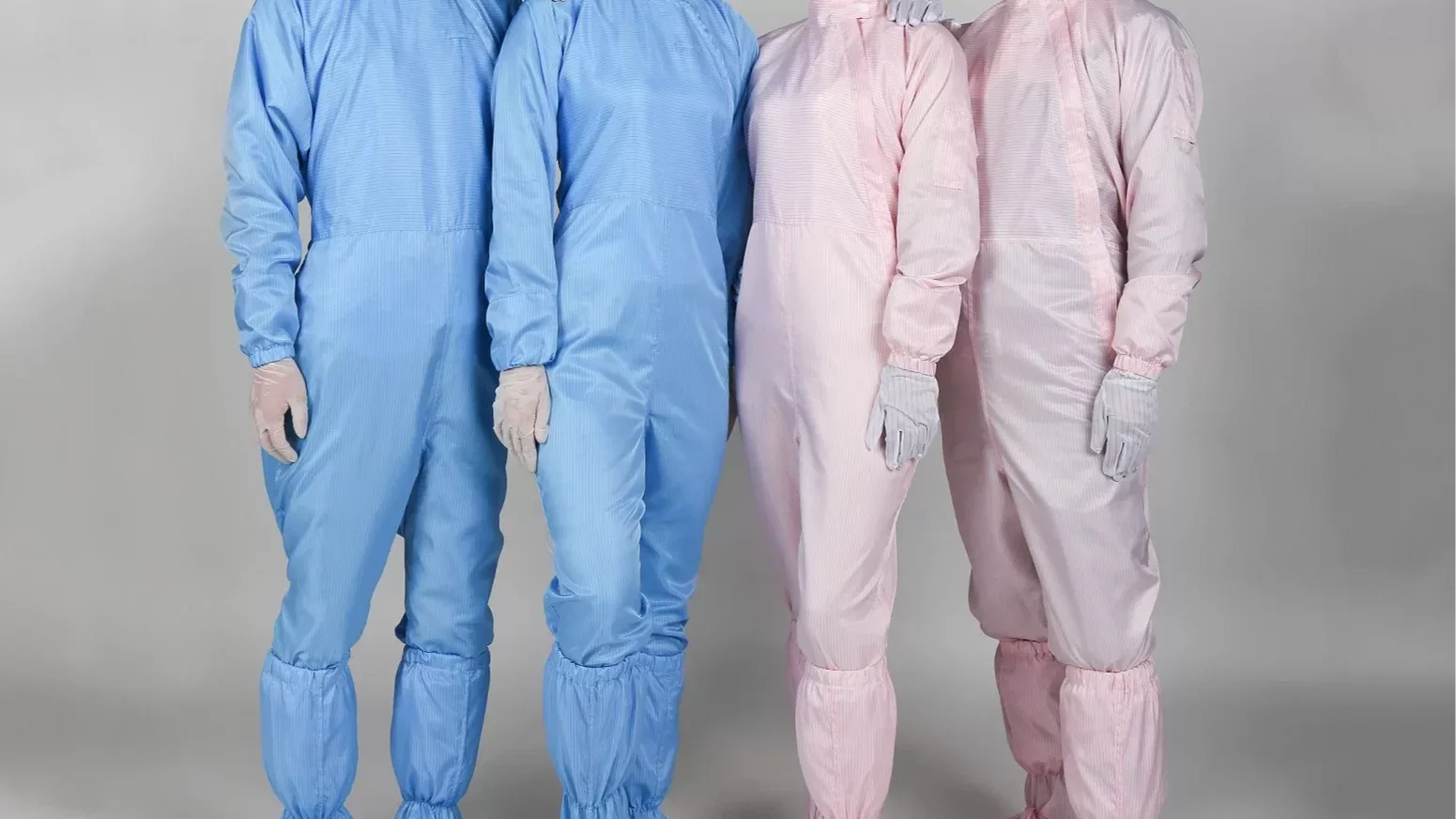
Use this checklist to calculate the total cost of ownership and choose the right gear format.
- Contamination risk: Buy disposables for heavy, toxic particulate exposure like asbestos or lead dust.
- Laundering burden: Calculate local industrial washing costs. High-temperature sanitary washing often costs more than expected.
- Expected wear cycles: Buy reusables if the fabric safely survives 50 heavy washes.
- Calculate total cost: Compare the daily cost of cheap suits against the monthly cost of washing reusables.
In my experience, a $15 reusable saves $300 a year per worker compared to $2 daily disposables.
Step 5: Send the RFQ Specification
Close the loop with a spec the factory can quote against: garment family, primary standard, seam spec, reusable or disposable, size run, and quantity.
Frequently Asked Questions about Types of Coveralls
1. What is the difference between coveralls and overalls?
Coveralls provide full-body protection, covering the arms, chest, and legs. Overalls only cover the legs and add a front bib with suspenders. Match the garment to the hazard — the overalls vs coveralls comparison shows exactly where the two differ.
2. When should I choose disposable coveralls or reusable ones?
Choose disposables for one-and-done exposure to hazardous dust or overspray. Choose reusables for daily mechanic or warehouse work — industrial washing shrinks cotton, so size up using the coverall size chart.
3. How do I know when a chemical suit is no longer safe after exposure?
Watch for swelling, stiffness, or discoloration — each signals the protective barrier has degraded. Inspect the gear after every shift — the coverall care and maintenance guide shows how to spot microscopic seam failures early.
4. What is the difference between a boiler suit and a coverall?
“Boiler suit” and “coverall” usually describe the same one-piece garment — boiler suit is the British term, coverall the American one. This guide uses the two interchangeably.
5. What is the difference between Type 3 and Type 4 chemical coveralls?
Type 3 is liquid-tight against strong chemical jets; Type 4 is spray-tight against liquid saturation and splash. For Type 3 or 4, taped seams close the fabric gaps — that is what separates a real barrier from a marketing label.
6. What’s the difference between FR and arc-rated coveralls?
All arc-rated coveralls are FR, but not all FR coveralls are arc-rated. Arc-rated garments carry a cal/cm² rating measured to ASTM F1506 and matched to NFPA 70E incident energy — a basic FR suit blocks flash fire, not arc flash.
7. How many wash cycles do protective coveralls last?
It depends on the fabric and the finish. In our bench tests, a treated FR fabric failed the vertical flame test after about 55 industrial washes, while an inherent FR fabric held its rating. Check the care label and re-test after laundering before reuse.

Leave a Comment
Your email address will not be published. Required fields are marked *