Chapter 7: Selling
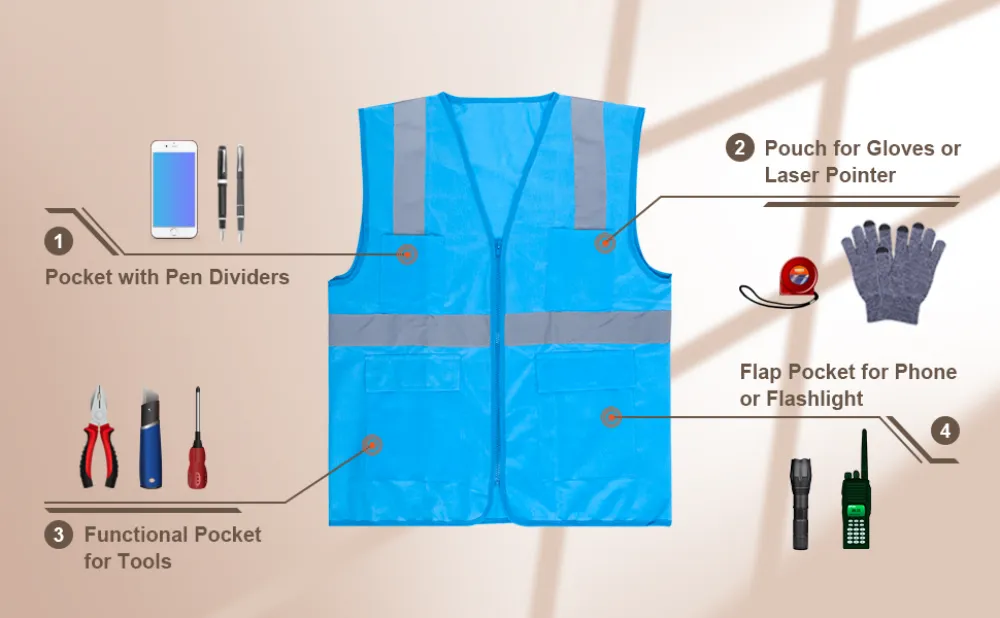
Safety Vest Pocket Configurations: Layout Recommendations
Safety vest pocket configurations: choose layout by gear and tape placement, not pocket count, to keep vests compliant and usable.
Market intelligence and industry knowledge for workwear professionals. Trends, product deep-dives, and strategic insights to navigate the global workwear market.
23 articles
Safety vest pocket configurations: choose layout by gear and tape placement, not pocket count, to keep vests compliant and usable.
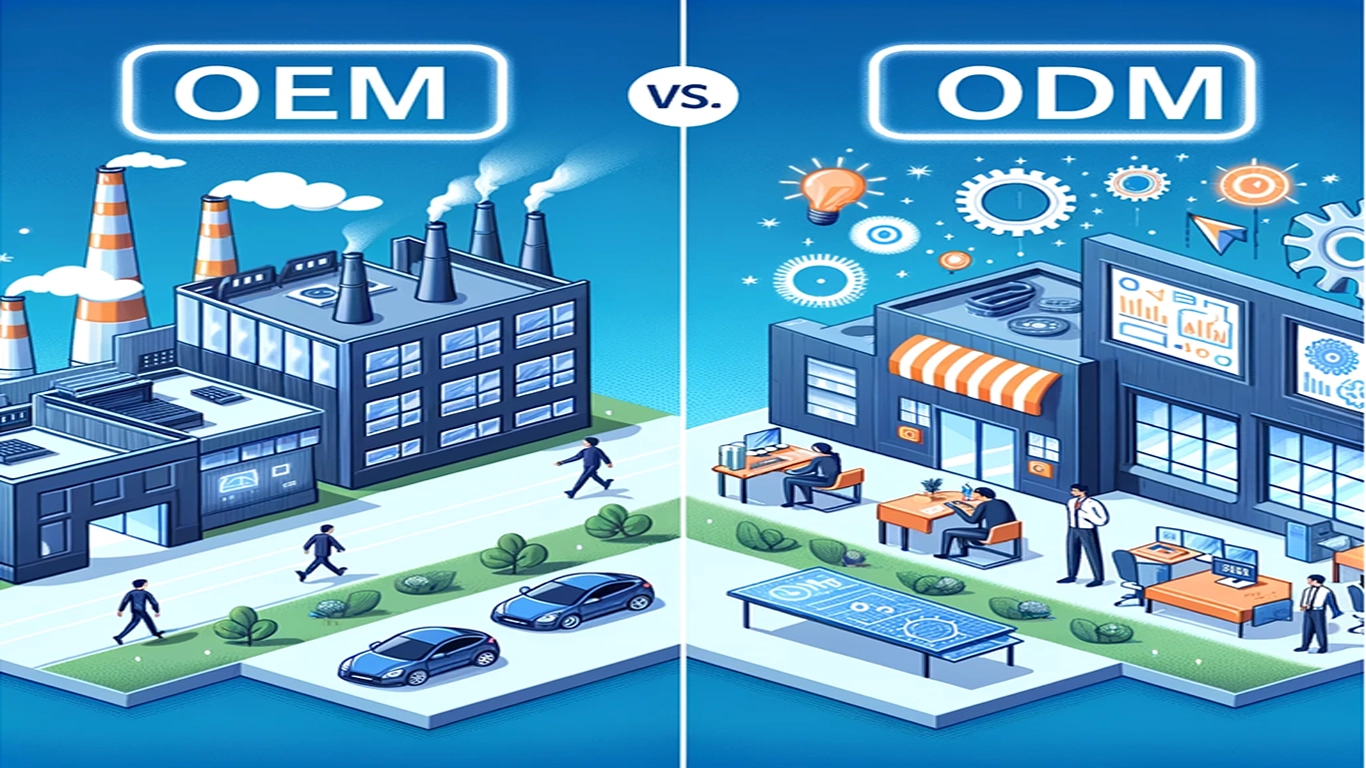
OEM vs ODM workwear: why OEM gives you full safety compliance control, and what ODM’s lower upfront cost really hides.
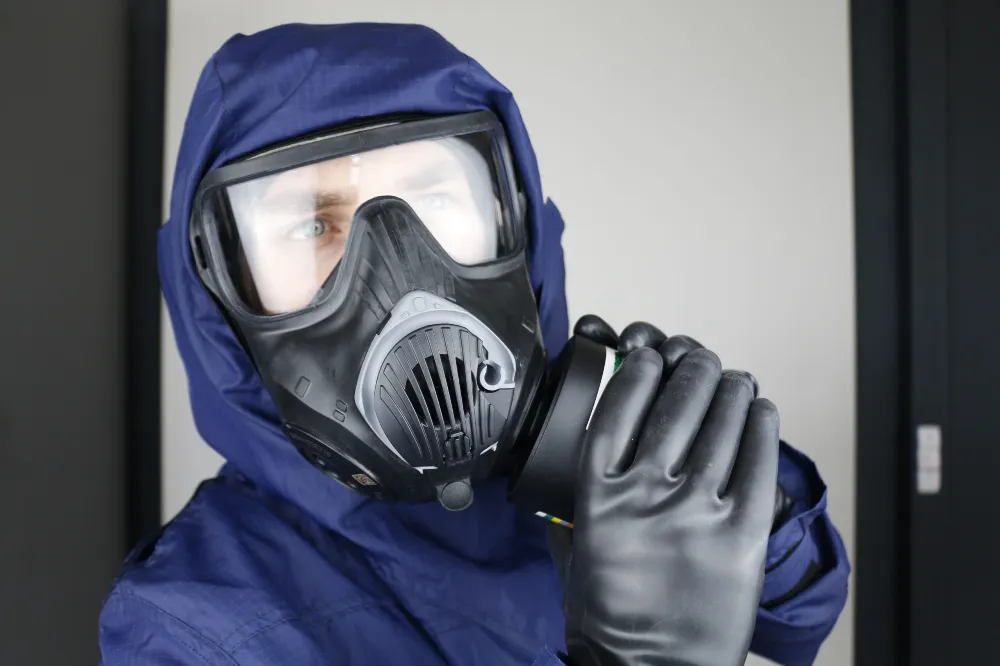
5 types of respiratory protection masks: choose by contaminant and exposure level, not brand — OSHA-aligned compliance notes.
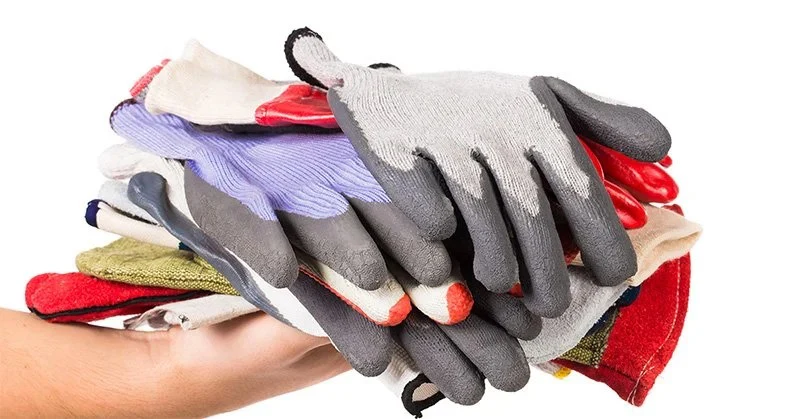
Cut-resistant glove levels explained: ANSI/EN388 ratings that match real hazards, so workers keep protective gear on through the shift.
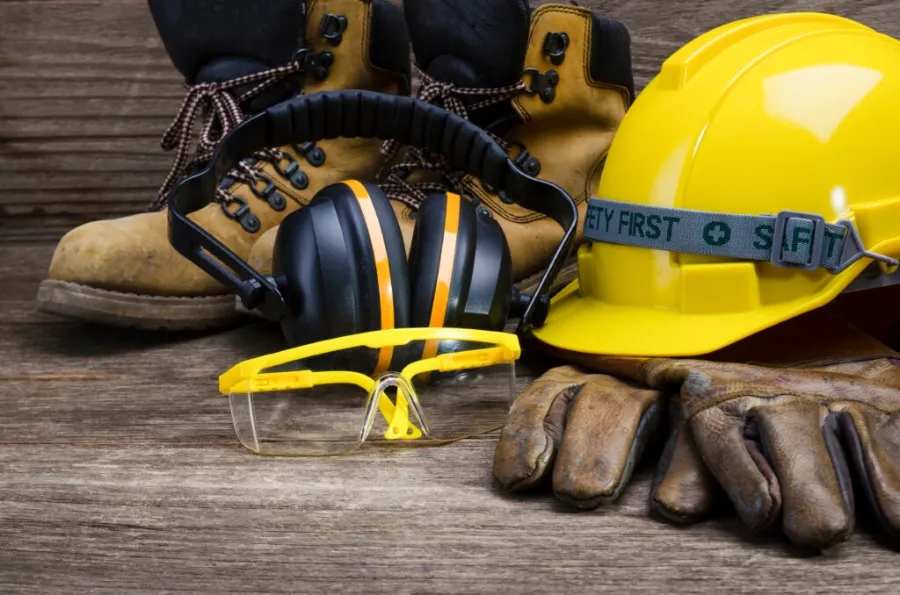
Safety PPE deep dive: why cheap PPE is expensive at failure — what post-laundry audits reveal about long-term protection.
RFP vs RFQ: use an RFQ when specs are locked, an RFP when you need a supplier to solve the program problem, not price a SKU.
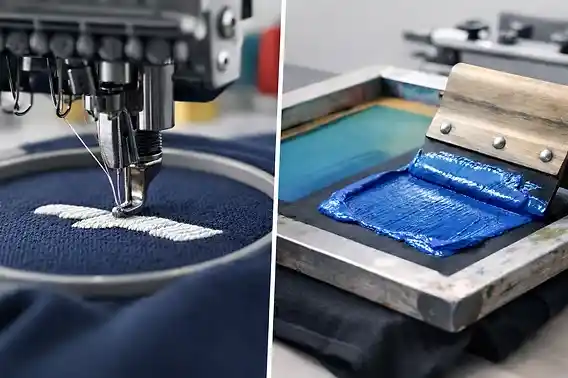
Embroidery vs screen printing: which wins for corporate uniforms? Compare perceived quality, durability, and high-volume cost.
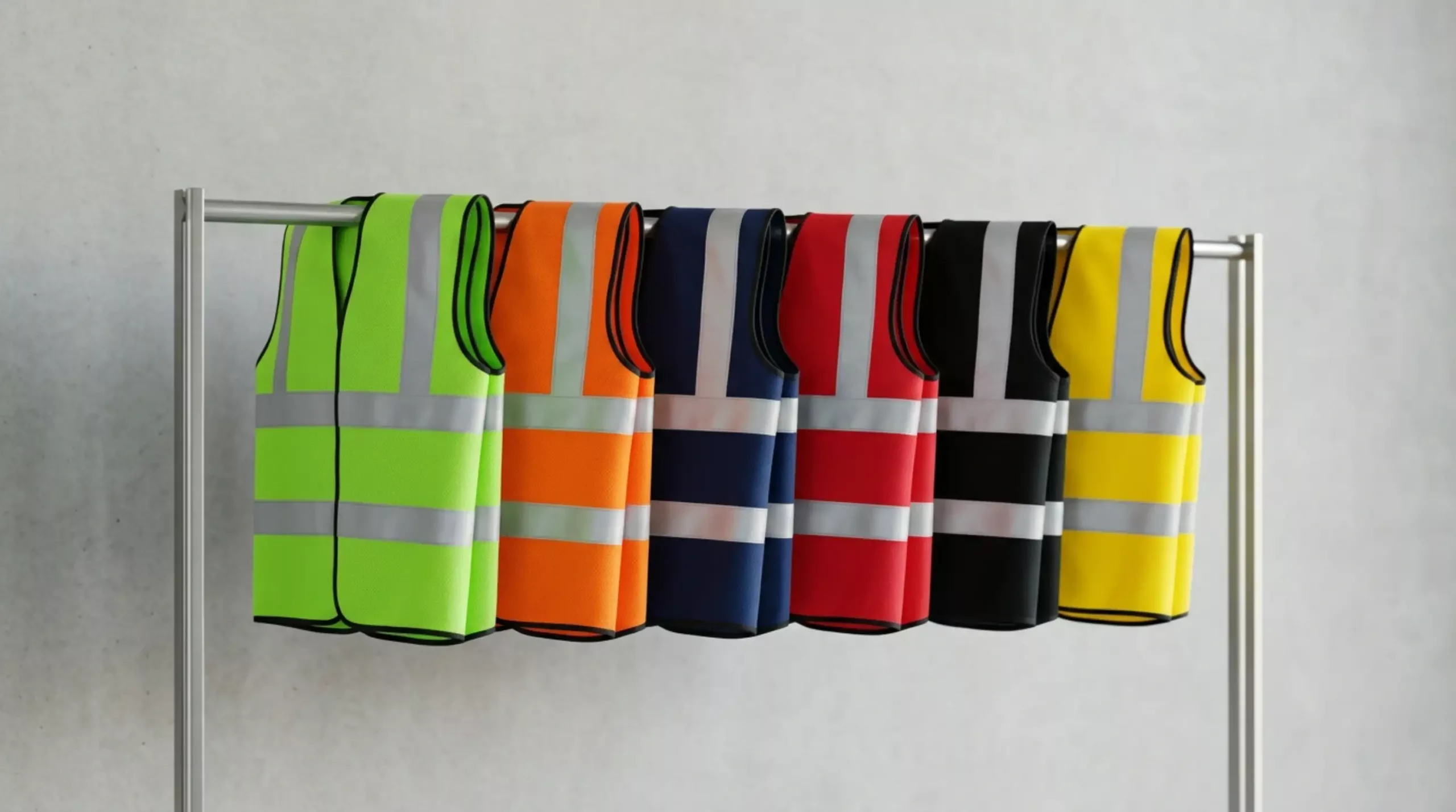
What do safety vest colors mean: ANSI classes and visibility rules that keep workers seen on site — not a style choice.
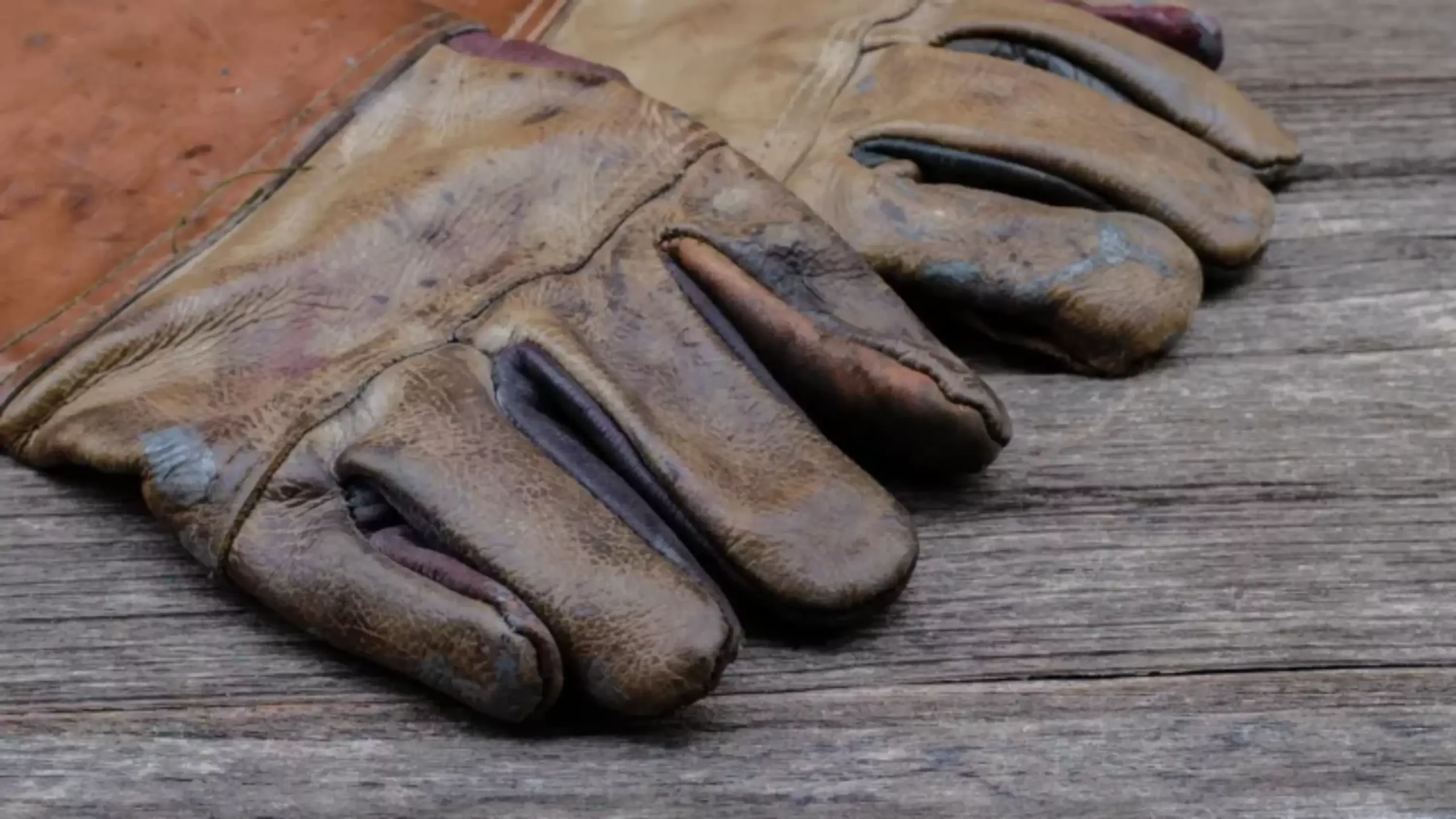
Best gloves for woodworking: match material ratings to each task and hazard — cut, abrasion, grip — for safer, more efficient workshops.
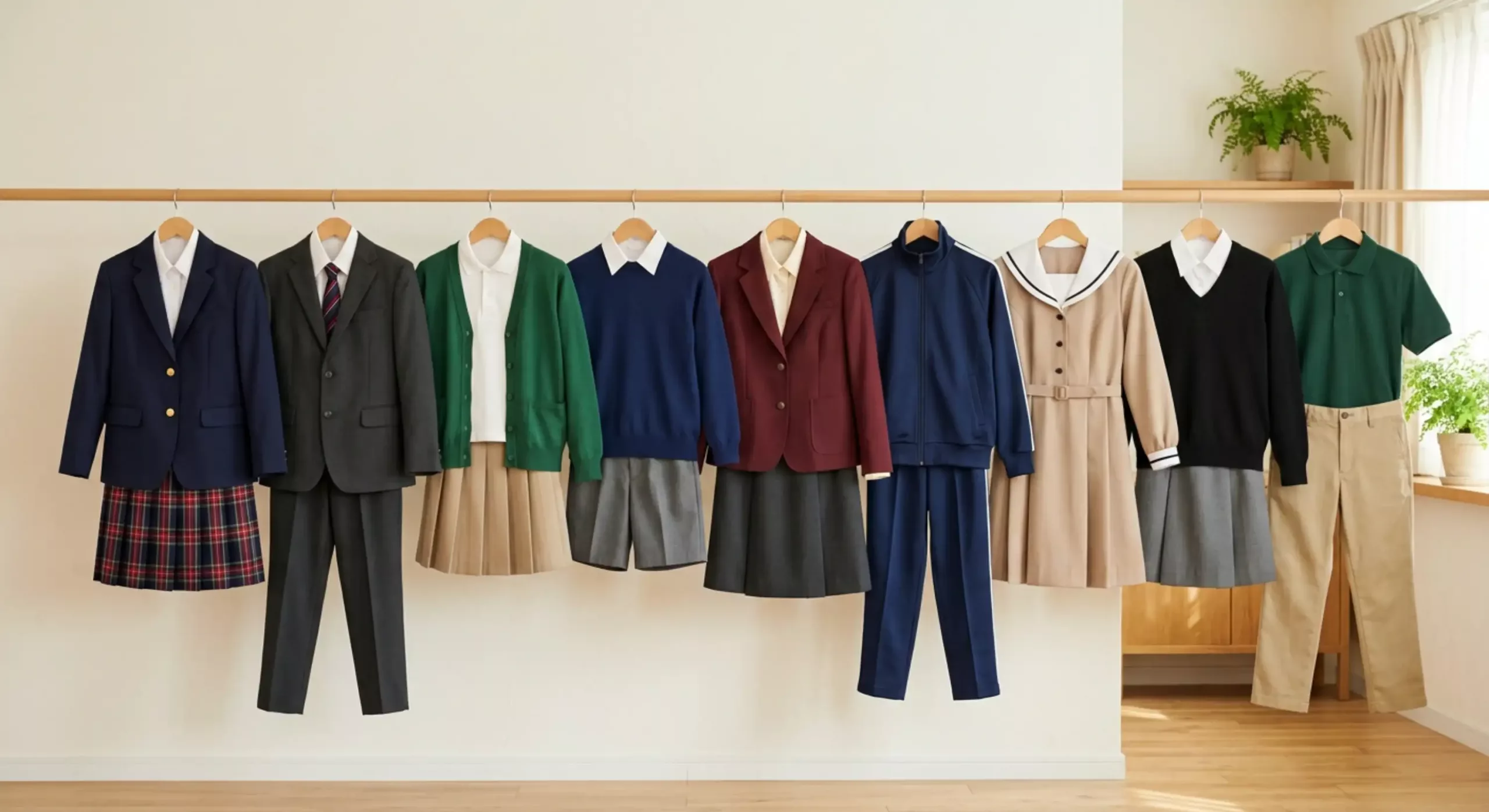
8 essential school uniform types: buy by procurement logic, not fashion labels, to simplify bulk ordering and cut waste.
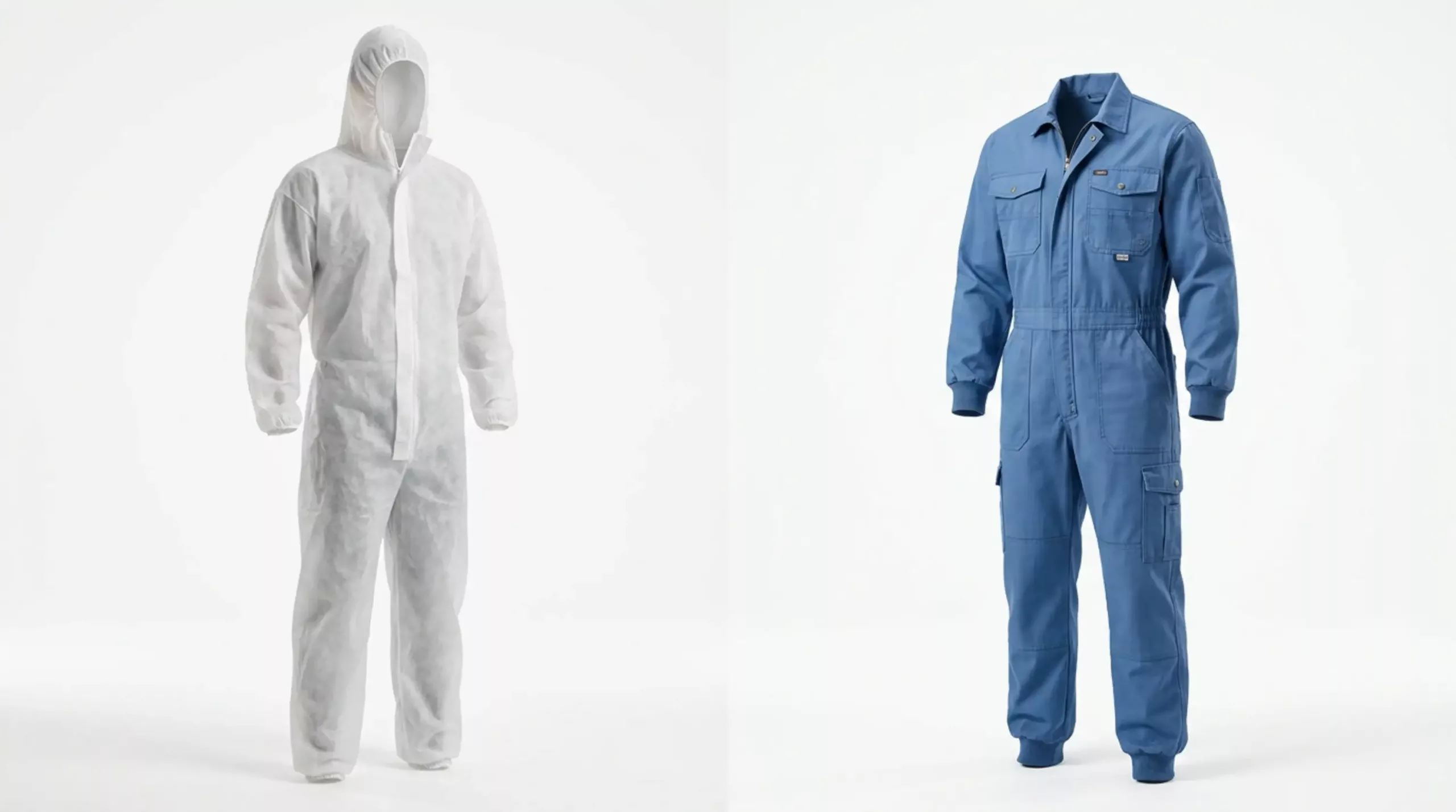
Disposable vs reusable coveralls: barrier performance or lower cost? Match the type to your shift duration and contamination risk.
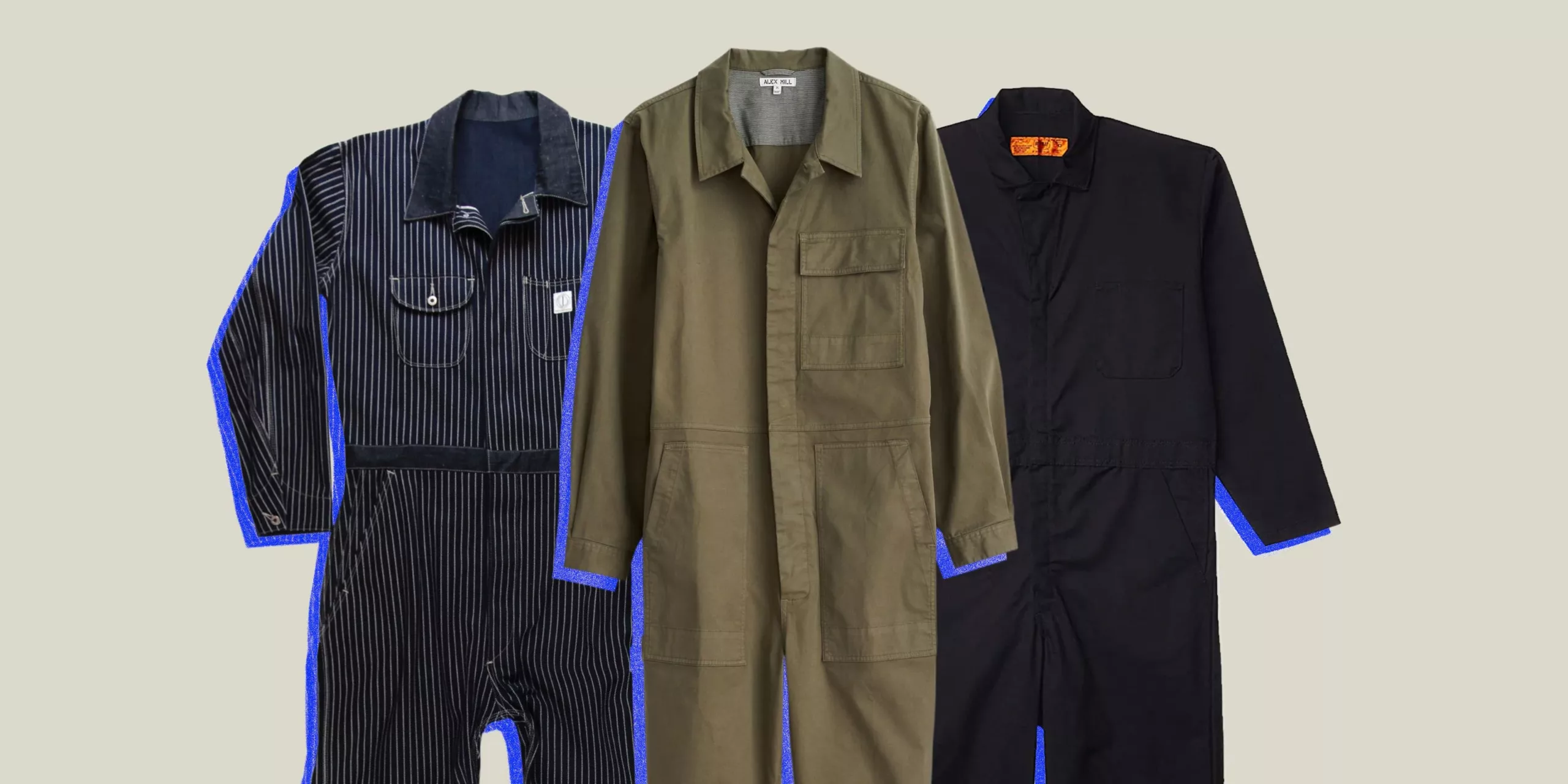
7 types of coveralls for FR, chemical, arc flash, hi-vis and shop work — match the hazard, seams and certs before you issue an RFQ.
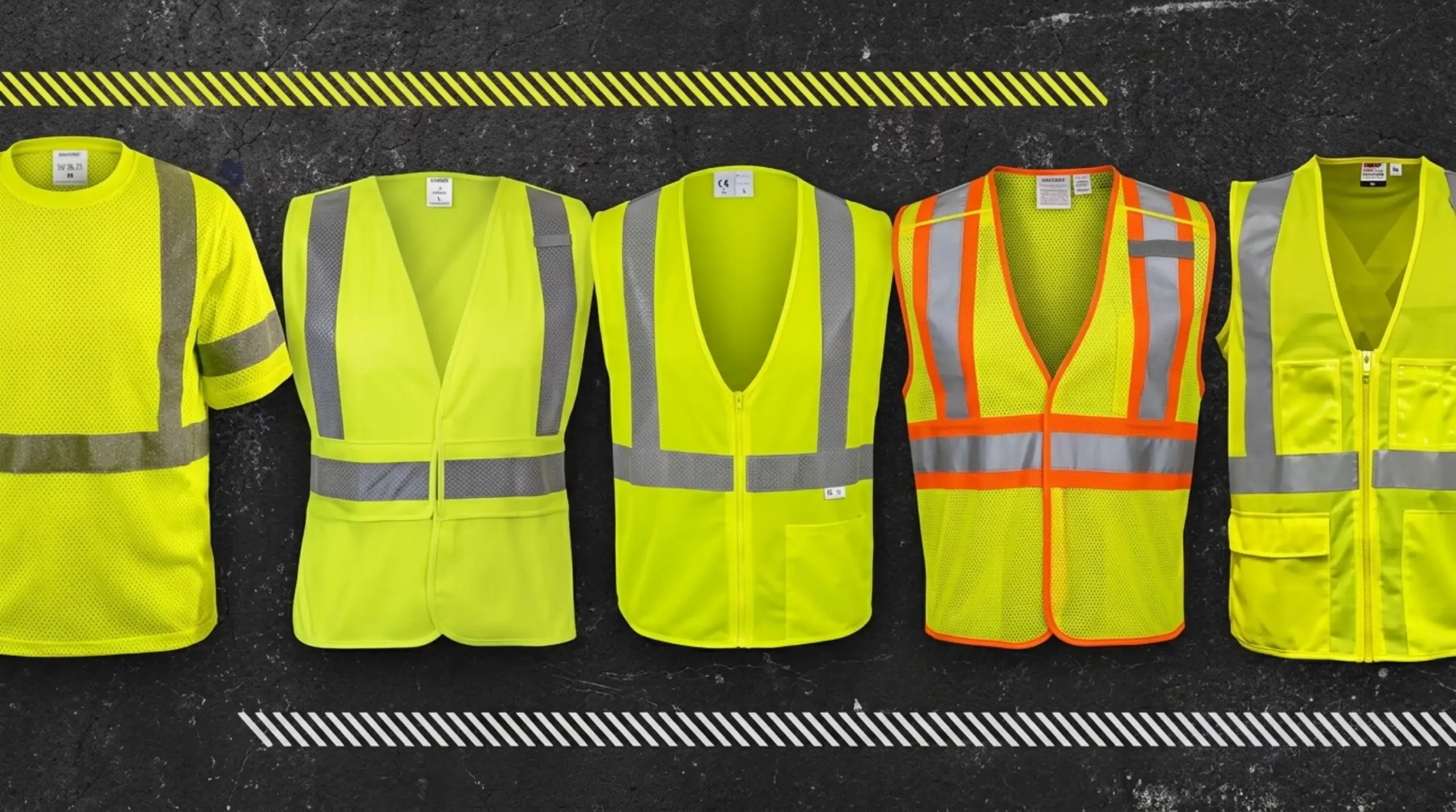
Safety vest classes explained: 8 critical differences that stop audit failures and struck-by hazards on the jobsite.
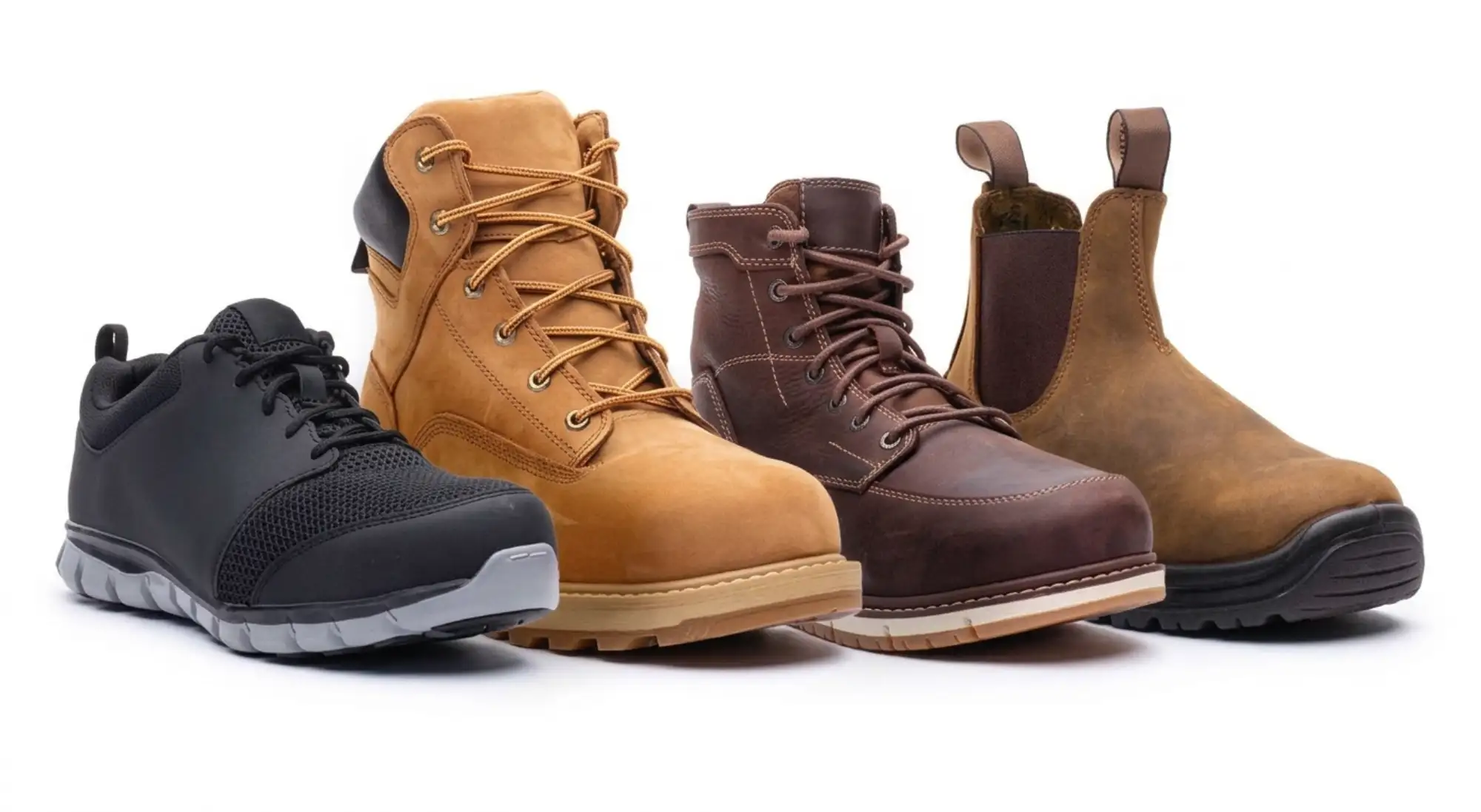
8 types of safety footwear: buy for the floor, not the spec sheet — avoid heavy over-specced boots that drain budgets.
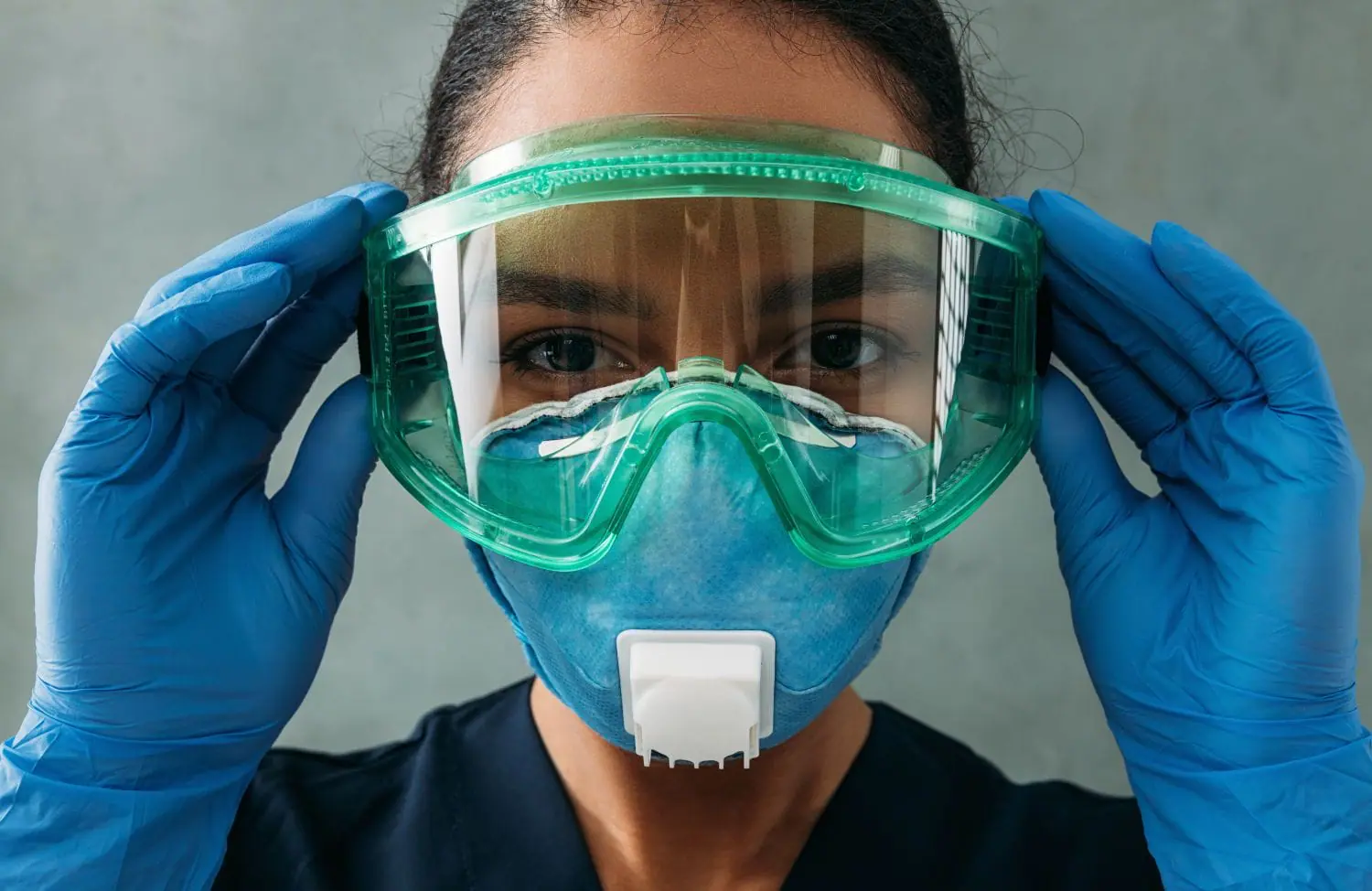
6 types of safety glasses: match lens to the hazard — chemical splash, impact, glare — and stop style-driven compliance failures.

Hospitality uniform trends 2026: uniforms that reduce turnover and lift guest perception, not just brand color on fabric.

7 types of medical scrubs: pick by fabric weight and workflow, not style — avoid 150-GSM traps that overheat clinicians.

History of chef uniforms: why the toque, double-breasted coat, and neckerchief still matter in today’s commercial kitchens.

Why do chefs wear white uniforms: hygiene, heat control, and authority — the real reasons behind the pristine kitchen coat.
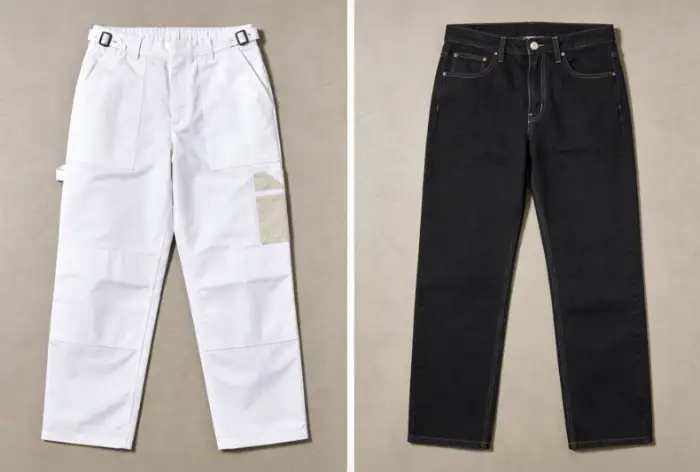
Chef pants vs normal pants: why professional kitchen pants outperform jeans on the line — heat, movement, and hygiene explained.

What do nurses wear today: high-performance clinical uniforms built for biohazard exposure and constant movement.
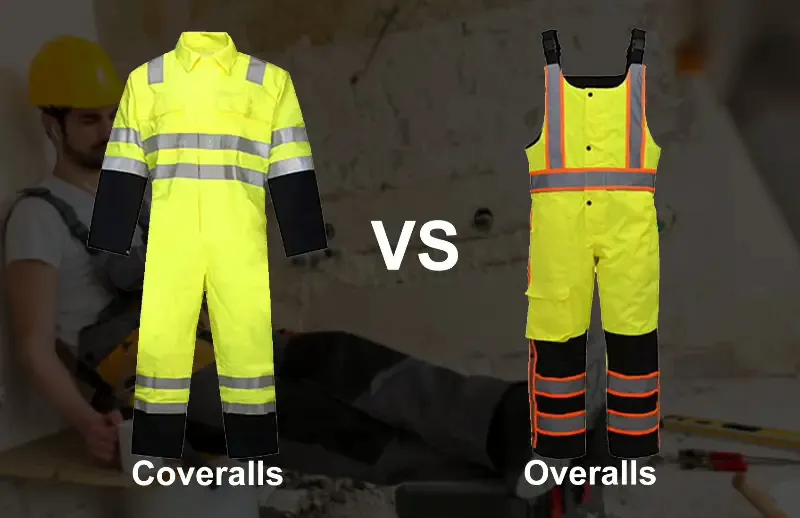
Difference between overalls and coveralls: full-body protection vs. freedom of movement — which garment fits your safety-critical job?

Color of scrubs meaning: how hospitals color-code roles and departments — so you buy the right uniforms and avoid costly assumptions.