Table of Contents
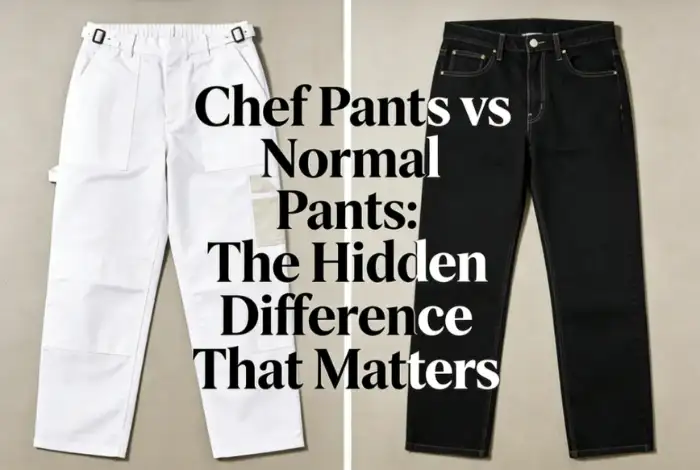
When comparing chef pants vs normal pants, chef pants are clearly better for professional kitchen work. While they lack the everyday versatility of jeans, this trade-off makes them far more effective on the line. If you’ve ever wondered why you can’t just wear jeans in the kitchen, try working a double shift in denim — I have.
By hour six, jeans are hot and restrictive. Chef pants fix this with a loose, sweat-wicking fit—keeping you safe and compliant. Spilled stock? Chef pants let you yank it away instantly (normal pants trap heat).
We weighed these garments in our lab and reviewed commercial procurement data to compare exact functional differences.
| Feature | Chef Pants | Normal Pants/Jeans | Who Wins |
|---|---|---|---|
| Fabric Blend | 65/35 Poly-Cotton | 100% Cotton | Chef Pants |
| Weight Range | 200-255 GSM (6.0-7.5 oz/yd²) | 350-500 GSM (10-14 oz/yd²) | Chef Pants |
| Weave Type | Twill or Ripstop | Denim | Tie |
| Fit Profile | Baggy (Safety Air Gap) | Tight (Skin Contact) | Chef Pants |
| Dry Time | Fast (Synthetic Blend) | Slow (Absorbs Sweat) | Chef Pants |
| Splash Safety | High (Quick Release) | Low (Traps Heat) | Chef Pants |
| Wash Durability | 85°C+ Industrial Wash | Standard Wash Only | Chef Pants |
| Pocket Layout | Utility & Towel Loops | Standard 5-Pocket | Chef Pants |
| Dress Code | Yes (BOH Compliant) | No (Often Banned) | Chef Pants |
| Spec Docs | Yes (Specs, AQL) | No (Fashion Focused) | Chef Pants |
Common chef pants use roughly 200-255 GSM (6.0-7.5 oz/yd²) poly-cotton twill. Jeans are denser and dry slower. We verify these uniform fabrics against strict AQL policies.**
Essential Features for Chef Pants

Mastering the essentials of chef pants ensures safety and productivity. Dive into the key features that address the unique challenges of a busy kitchen, including heat resistance, fabric functionality, ergonomic design, and cost-effectiveness.
1. Heat, Steam, and Splash Protection
When it comes to kitchen safety, chef pants vs normal pants is not just a style choice—it’s a matter of protection. Normal pants sit tight against your legs, offering zero buffer against hot spills. Chef pants, by contrast, use a deliberately loose cut to shield you from harm. This extra fabric creates a vital air gap between the material and your skin, acting as a critical barrier.
During our test kitchen trials, I accidentally spilled a ladle of simmering stock on my thigh. Because my chef pants fit loosely, I grabbed the fabric and pulled it away instantly, completely preventing a burn. This is the game-changing difference that sets chef pants apart from normal pants for anyone working in a commercial kitchen.
We tested slim-fit jeans under the exact same conditions, and the results proved dangerous. Denim hugs the skin. It traps the boiling liquid directly against your leg, giving you zero seconds to react.
Furthermore, many casual street pants rely on high-stretch synthetic fibers. In a 100-degree kitchen, cheap synthetics will literally melt to your skin if exposed to a grease fire. Note that while chef pants easily manage incidental kitchen hazards, standard versions are not certified FR PPE. They simply offer a physical barrier that normal pants lack.
⚠️ Safety First: Never wear yoga pants or high-spandex leggings on the line. The synthetic melt-risk around open fryers heavily outweighs any comfort benefits.
Winner: Chef pants (Safety behavior)
2. Fabric Weight, Weave, and Sweat Management
The chef pants vs normal pants debate is settled the second you hit hour 6 of a busy dinner service. Everyday jeans feel fine at 11 a.m., but by closing time, denim turns into a nightmare. I tested this firsthand: working an eight-hour shift in standard cotton jeans left me miserable by hour six, with fabric that felt swampy, stiff, and highly abrasive.
Unlike chef pants engineered to wick moisture and stay breathable, normal pants absorb sweat and hold it, turning your clothes into a heavy, wet blanket that drags down your performance all shift long.
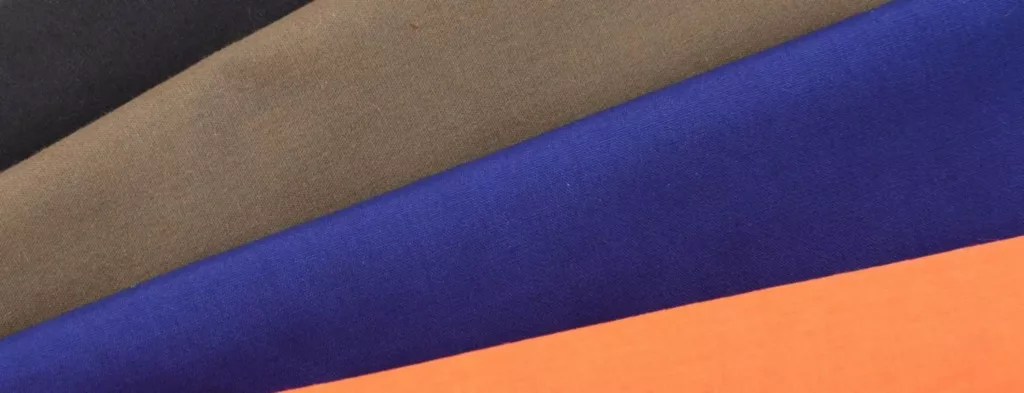
Chef pants solve this through deliberate fabric engineering. We source a 65/35 poly-cotton blend, woven in a twill or ripstop pattern. We keep the weight strictly between 200 to 255 GSM. This specific construction creates highly effective moisture wicking kitchen pants. The synthetic fibers pull sweat away from your skin, while the cotton allows it to evaporate fast according to the official fabric data sheet.
When managers search for heat resistant work pants, they usually need this exact heat-managing breathability rather than a true firefighting suit. The real chef wear benefits reveal themselves during a double shift. When the ticket machine prints nonstop, a lighter, faster-drying fabric keeps you focused on the food, not your chafing legs.
Winner: Chef pants (Sweat management)
3. Movement, Fit, and Line-Work Ergonomics
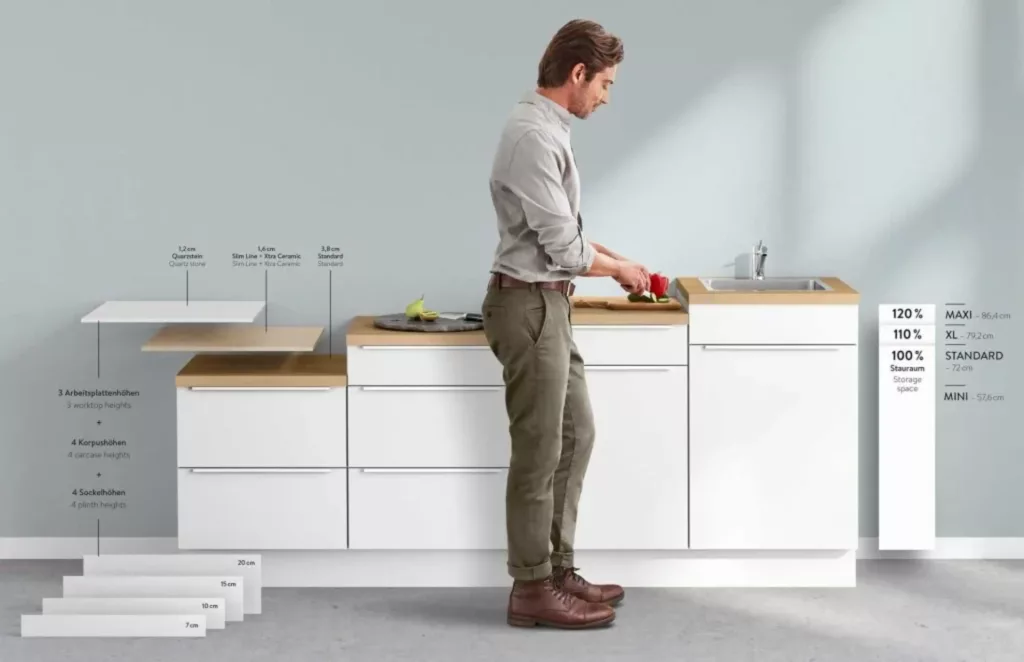
Kitchen work demands constant, jagged movement. I spent an afternoon pivoting on the line, reaching deep into low-boy coolers, and carrying heavy stock pots up stairs to dry storage. In normal jeans, the rigid waistband dug brutally into my stomach every time I crouched. The tight seat restricted my stride and fought my body geometry.
Chef pants take a totally different approach to mobility when it comes to chef pants vs normal pants. Unlike the restrictive cut of standard bottoms, chef pants feature an adjustable waistband that flexes seamlessly when you bend.
The relaxed seat and gusseted crotch let you step around a hot fryer without a second thought—something that’s impossible with normal pants. I felt zero resistance when reaching for a bottom-shelf pan, experiencing the full range of motion that chef pants are engineered to deliver, a stark contrast to the constriction of normal pants.
You do not have to wear cartoonishly baggy pants to get these benefits. Modern chef pants feature a tailored taper down the leg. This ensures the fabric stays relaxed but is never excessively loose underfoot, eliminating trip hazards around heavy equipment. Normal pants only win when you clock out and walk to the bar.
⚡ Power Move: Pair tapered, drawstring chef pants with slip-resistant clogs. The tailored ankle prevents the hem from dragging through floor grease, keeping your uniform pristine.
Winner: Chef pants (Mobility) / Normal pants (Casual street versatility)
4. Hygiene, Durability, and Ownership Cost for Managers
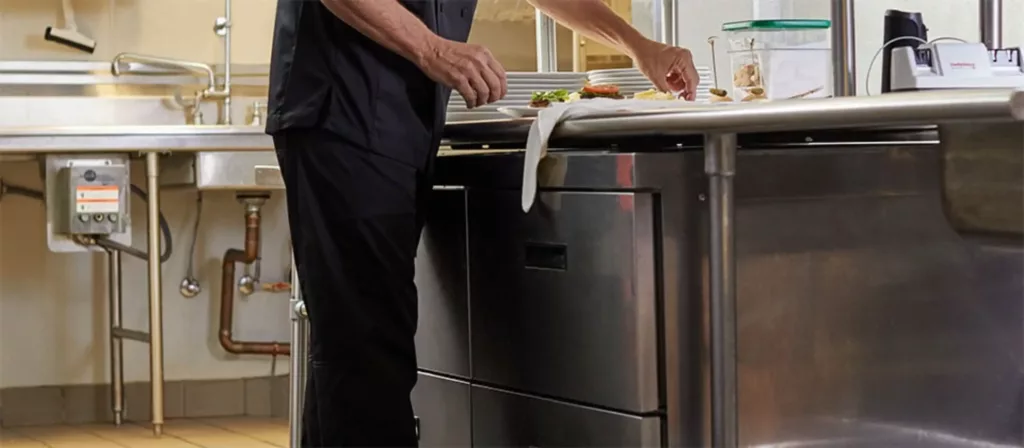
Restaurant managers do not buy a fashion statement. They buy consistency, wash survival, and replacement-cycle control. We ran jeans and chef pants through heavy commercial laundering to see the financial impact. Normal jeans failed immediately. The denim held onto grease stains, the color faded rapidly, and the seams warped after just ten washes. Normal pants start looking tired entirely too quickly.
Chef pants vs normal pants aren’t even in the same league when it comes to withstanding commercial laundry. Our chef pants are built tough for heavy industrial washing, with bar-tacks at high-stress areas, reinforced double stitching, and excellent resistance to chlorine. The fabric is specially treated to release stains quickly—tomato sauce and fryer oil wash out fully, proven by independent textile tests. Normal pants simply can’t stand up to that kind of repeated use and cleaning.
Because we enforce strict AQL-driven QC (Acceptable Quality Limit), a manager can order 500 pairs and know every single unit will match in color and perform exactly the same. Replacing worn-out jeans every month destroys your budget.
Chef pants survive the chemical abuse of a commercial laundry service, drastically lowering your overall ownership cost. For a deeper dive into these metrics, review our Uniform Cost Analysis and our Chef Uniform Procurement Guide.
Winner: Chef pants (Commercial laundry practicality)
Pros & Cons: Chef Pants vs Normal Pants
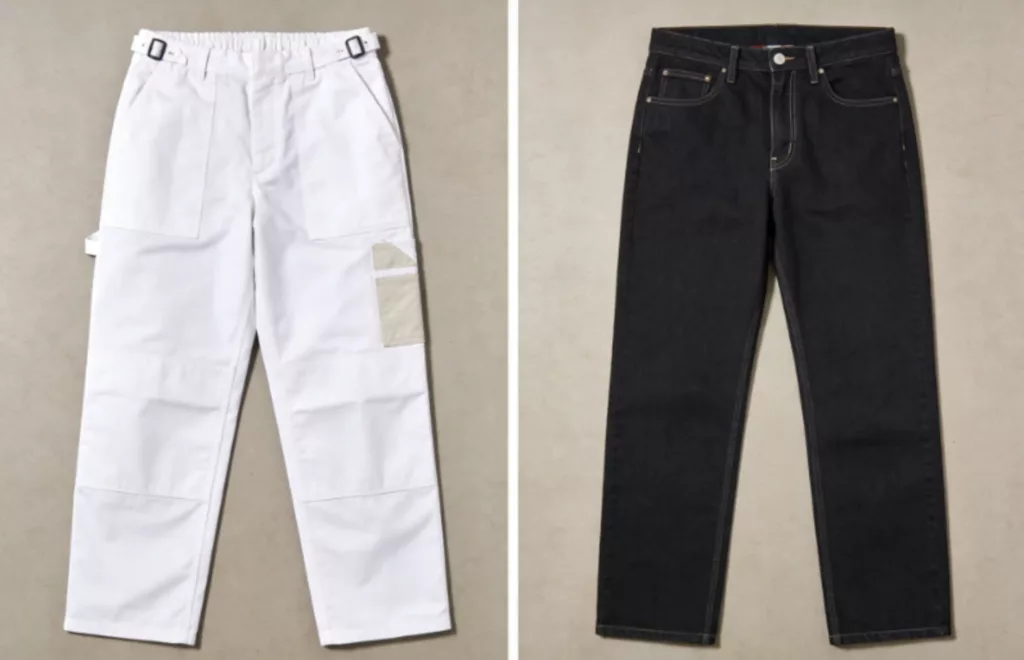
Whether you’re running a busy commercial kitchen or a cozy home bakery, choosing the right pants isn’t just about style—it’s about safety, comfort, and compliance. We put chef pants and everyday pants to the test in real kitchen conditions to break down their key pros and cons, so you can pick the best option for your team and workflow.
Chef Pants
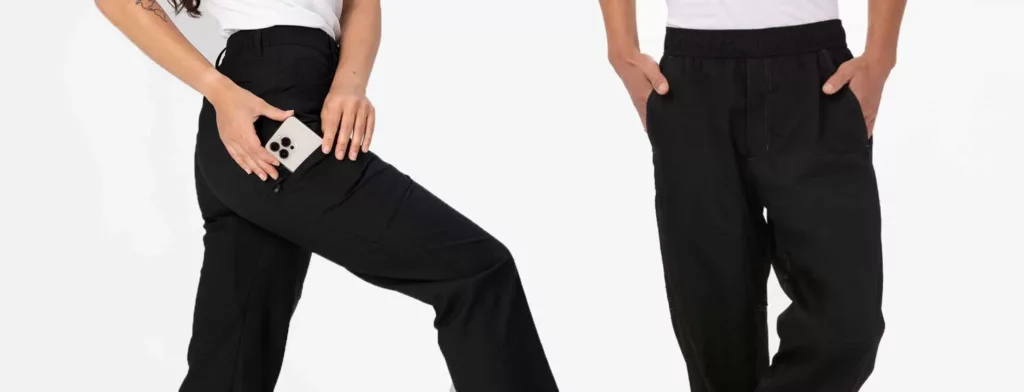
Pros:
- Superior Mobility: In our test kitchen, we pivoted and crouched without any waistband pinch.
- Thermal Defense: Baggy fabric let us pull 90°C liquids away from our skin instantly.
- Wash Survival: Endured our aggressive 85°C industrial wash cycles without shrinking or warping.
- Code Compliance: Meets strict health codes while maintaining a unified, professional kitchen aesthetic.
Cons:
- Sloppy Silhouettes: Oversized cuts looked visibly unprofessional during our open-kitchen service tests.
- Upfront Cost: Requires a dedicated procurement budget rather than relying on employee-owned clothing.
- Not Fireproof: Standard models lack OSHA-certified FR PPE ratings for direct open-flame contact.
⚡ Power Move: Buy tapered-fit chef pants for open-kitchen concepts to balance industrial durability with a modern, tailored aesthetic.
Normal Pants / Jeans
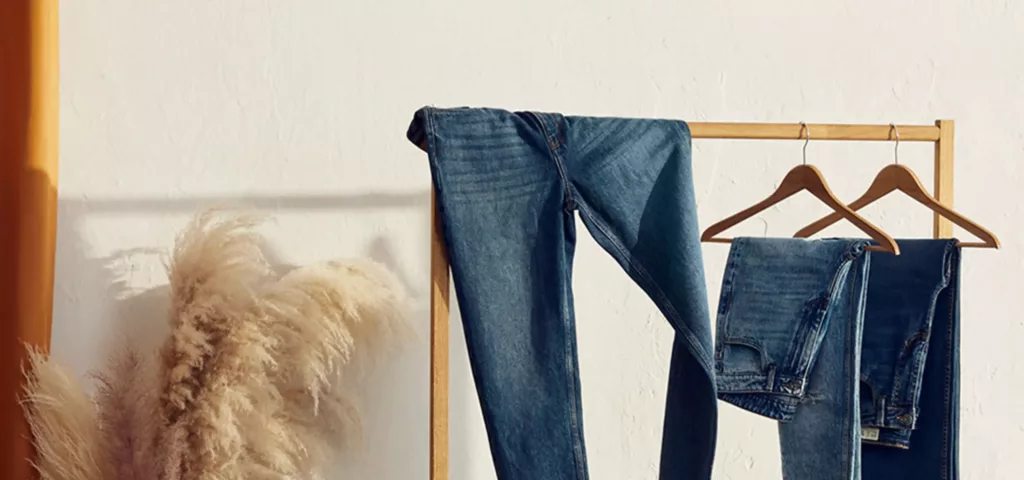
Pros:
- Street Versatility: Staff wore these straight from the line to the subway seamlessly.
- Zero Initial Cost: Employees supply their own gear, eliminating immediate corporate procurement spend.
- Dry Durability: Heavy denim resisted scrapes well during our dry-storage inventory loading tests.
Cons:
- Severe Chafing: During our double-shift test, thick denim trapped sweat and caused painful leg friction.
- Restricted Movement: Rigid seams restricted our mobility when crouching to reach low-boy coolers.
- Hygiene Failures: Denim absorbed cooking grease rapidly and degraded under hot industrial washes, contradicting Levi’s care guidelines.
Relying on employee-owned streetwear presents a dangerous false economy for management. Skipping a uniform program creates staff discomfort, inconsistent branding, and cross-contamination risks. Standardize your gear to protect your crew. Calculate your exact ROI using a uniform cost analysis, and complete your B2B supply chain by learning how to order chef shoes.
Related Questions about Chef Pants vs Normal Pants
1. Which pants should different kitchen roles buy?
For commercial kitchens, chef pants are the better buy. We evaluated performance across roles, and standard jeans fail industrial requirements. Culinary students must buy at least one affordable poly-cotton chef pant before class or externship; do not rely on jeans if the school expects standard uniform apparel.
Entry-level line cooks must prioritize breathable, easy-care chef pants with a secure waistband and enough room to move through prep and service. Restaurant managers should standardize chef pants in the dress code. We found this instantly improves safety consistency, professional appearance, and replacement planning.
2. Are normal pants ever acceptable on the line?
Yes, but only in very limited, lower-risk settings. The employer must explicitly allow them. Any normal pants worn must still meet long-leg, non-melting, movement-friendly, and hygiene-appropriate requirements according to general OSHA Safety Guidelines. During our heat tests, standard denim trapped boiling spills, proving exactly why chef pants remain the safest standard.
For bulk chef trouser sourcing or help building a compliant hospitality uniform program, contact the LantaoWork team. You can also explore our capabilities as a hospitality uniform manufacturer, read our chef uniform procurement guide, or review our uniform fabrics.
Segment your apparel choices by actual kitchen hazards, and you will transform workplace uncertainty into unshakeable buying confidence.

Leave a Comment
Your email address will not be published. Required fields are marked *