Table of Contents
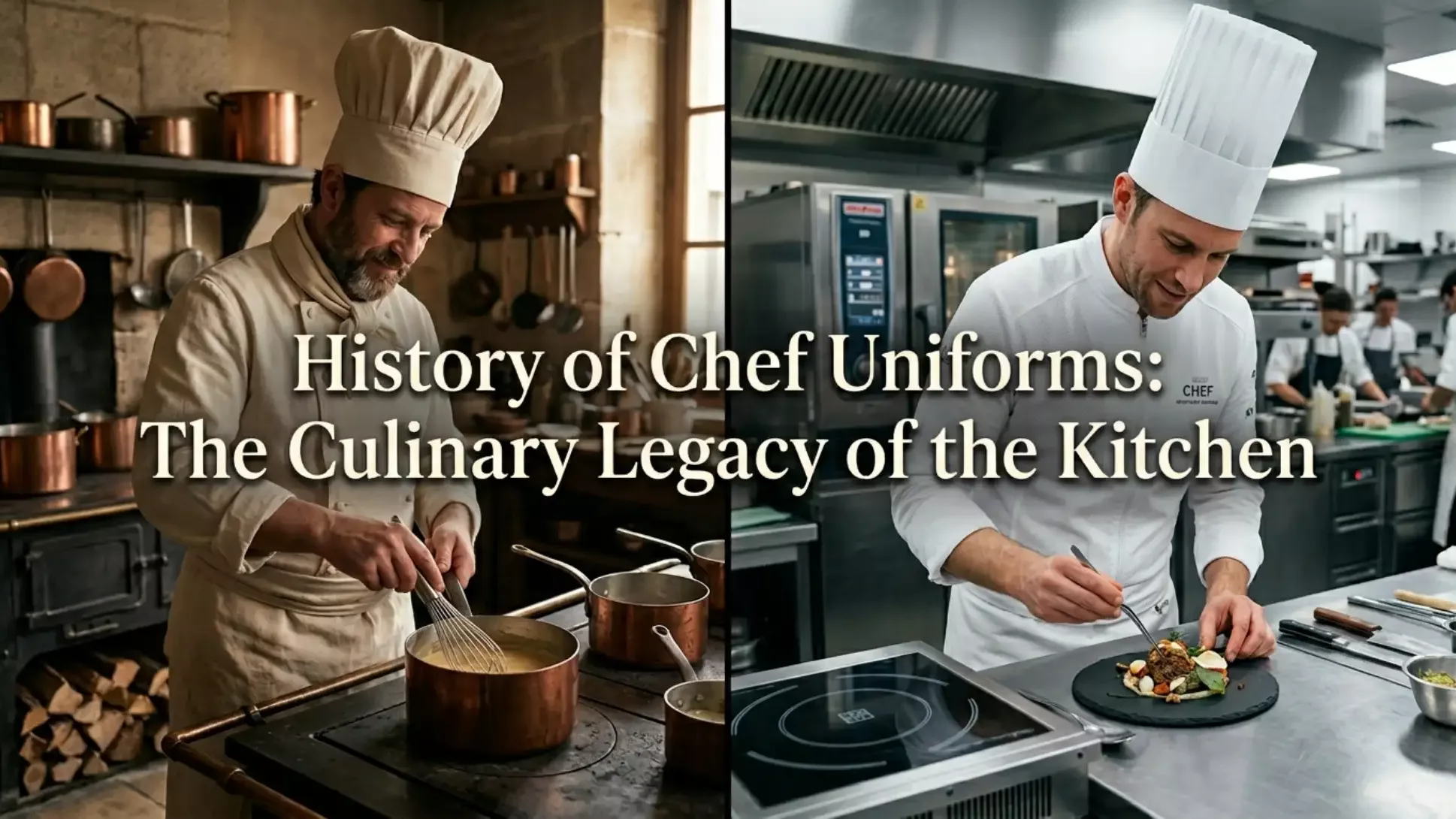
In crafting procurement strategies for high-volume commercial kitchens, purchasing supervisors frequently voice frustration: “Why cling to these antiquated designs? It’s nothing more than role-play.” Yet when I escort them to the service counter during the 2 a.m. rush, witnessing a head chef survive a scalding oil splash thanks to heavyweight cotton, they come to understand: these time-honored designs are, in essence, life-saving blueprints. The history of chef uniforms is actually a blueprint for modern safety, hierarchy, and hygiene.
Every part of the uniform has a specific reason for existing. From the early visual roots of the standardized French brigade system to modern workwear updates, these garments solve intense daily kitchen problems. This heritage directly informs practical buying decisions today. We answer exactly why chefs wear white, where the toque blanche originated, what hat pleats signify, and why the double-breasted coat endured.
These historical details explain why features like heavy fabric, protective aprons, and slip-resistant safety shoes still matter. Modern suppliers like LantaoWork retain these classic design elements because tradition and safety overlap perfectly in premium hospitality uniform manufacturing.
Here is the complete evolution from toques to trousers.
What is a Chef Uniform?
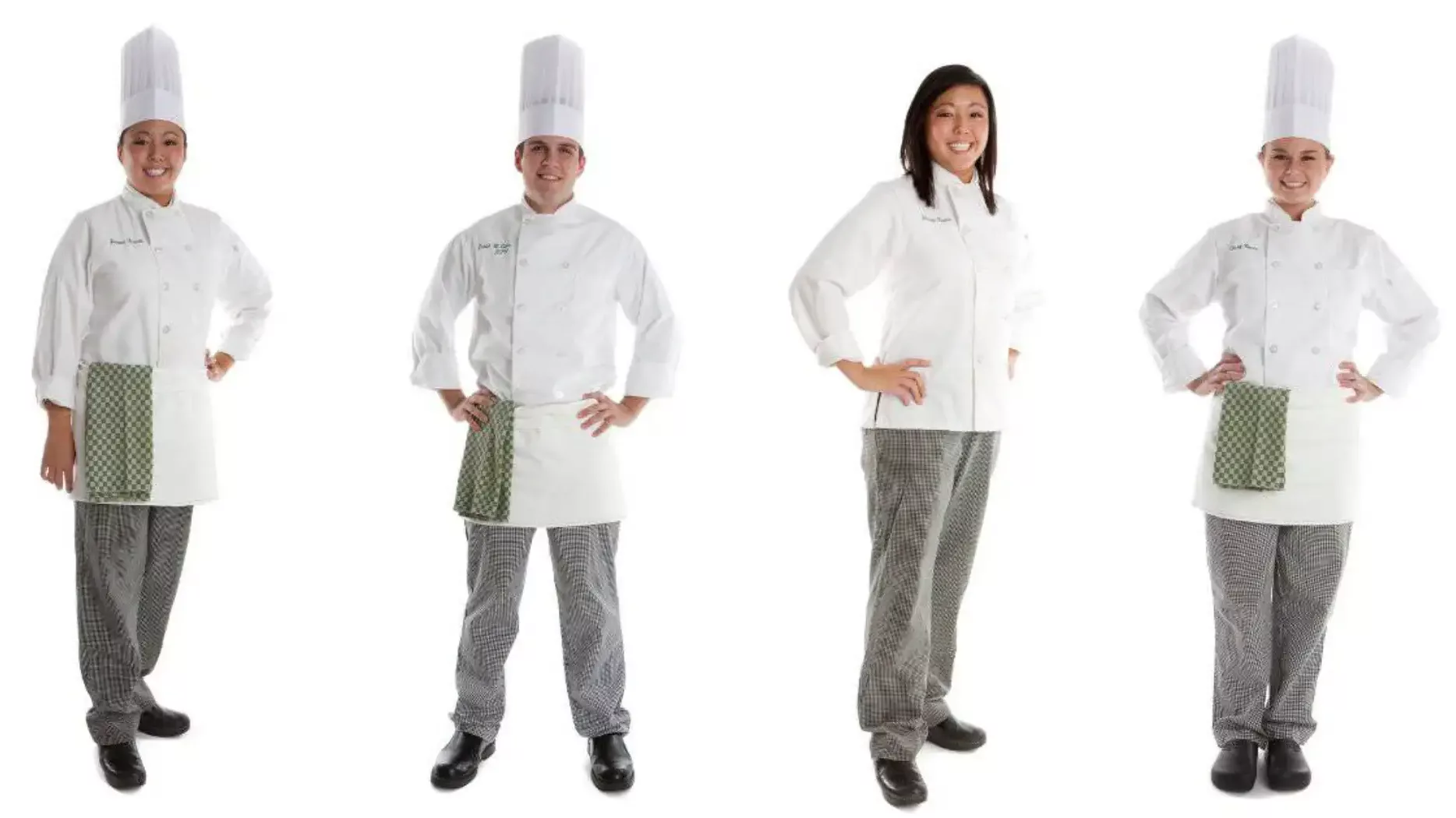
To understand the history of chef uniforms, we must first define the modern chef uniform: a coordinated safety system designed to protect cooks from fire, boiling liquids, and sharp blades. Think of it like a builder’s construction gear. Just as a roofer relies on a hard hat, culinary professionals need specific layers for workplace survival.
While early kitchens varied wildly, the global standard we manufacture today is rooted in traditional French culinary attire. We build this classic system using six components:
- Toque blanche: A tall white hat that contains hair and absorbs sweat.
- Chef whites: The industry term for heat-deflecting garments.
- Double-breasted chef coat: A thick jacket with two overlapping front panels.
- Apron: A heavy, waist-tied barrier that blocks hot spills.
- Checkered trousers: Loose pants that mask stains and allow rapid movement.
- Safety footwear: Slip-resistant shoes that meet occupational safety regulations.
As early as the 19th century, Marie-Antoine Carême, revered as the “King of Chefs,” formalized the standard of the pure white chef uniform. He maintained that in the high-pressure chaos of a commercial kitchen, a pristine white uniform served as the sole expression of uncompromising discipline and professional excellence.
Today, as uniform manufacturers, we not only preserve this visual legacy of dignity, but also equip this time-honored protective armor with modern functional enhancements—antistatic and oil-repellent properties—through advanced textile engineering.
The history of the double-breasted chef coat, for example, is entirely functional. Cooks just reverse the flaps to hide stains mid-shift. Today, we honor these traditions by upgrading them with advanced uniform fabrics built for commercial wash cycles.
🌍 Real-World Context: The classic chef uniform evolved strictly as a compliance tool for physical protection, not a fashion statement.
https://www.youtube.com/watch?v=GfXELtgu4k4&pp=ygUgV2h5IERvIENoZWZzIFdlYXIgV2hpdGUgVW5pZm9ybXM%3D
The Mechanical Evolution of the Chef Uniform
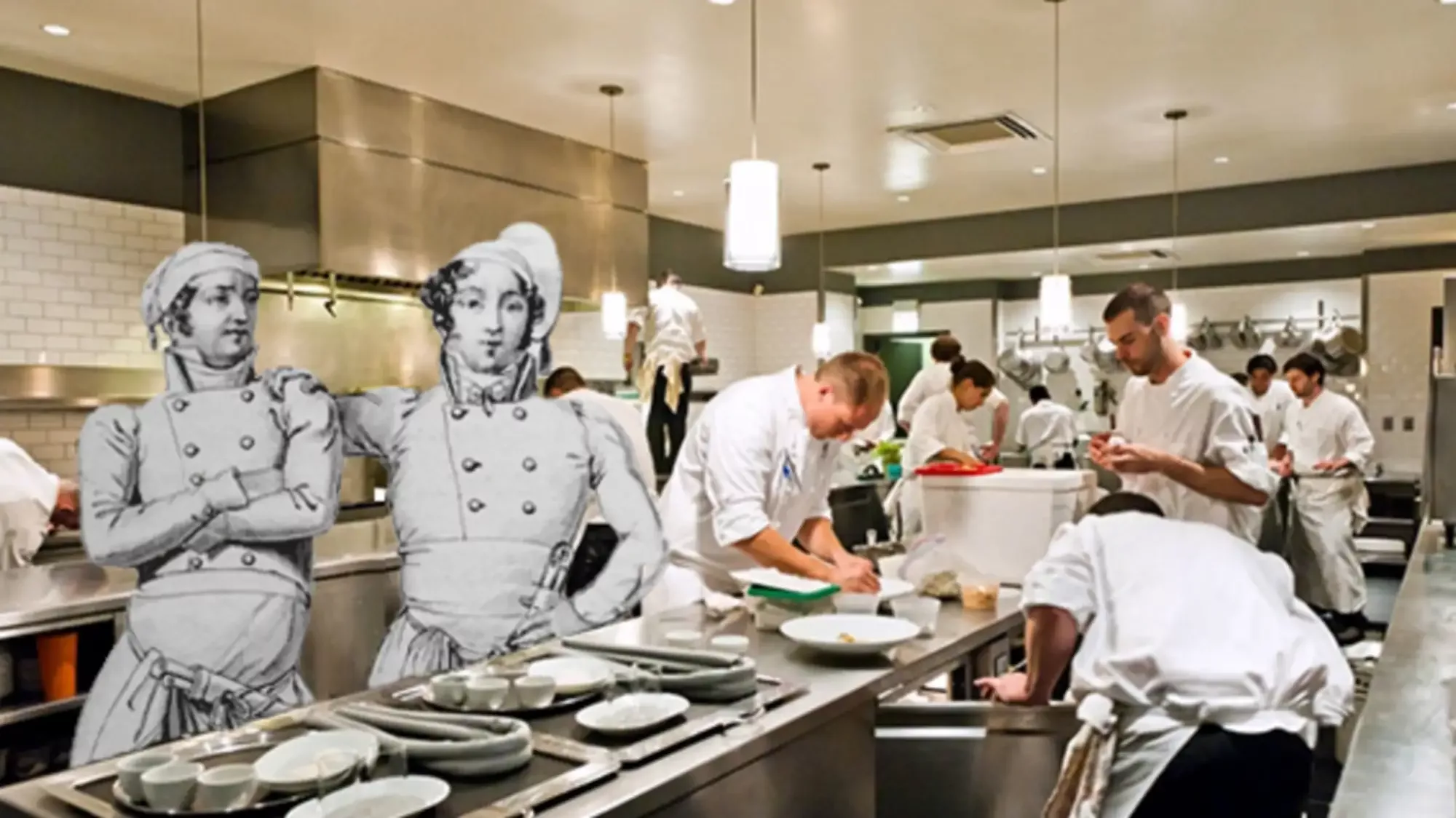
When we deconstruct the history of chef uniforms on our factory floor, we ignore fashion. We look at an engineered defense system. Over centuries, this gear evolved through sanitation needs, strict hierarchy, and physical survival. Every stitch solves a specific kitchen hazard. The modern chef uniform operates as a cohesive shield.
1. Pre-Modern Kitchen Dress
Long before mass standardization, cooks wore simple aprons and flat cloth caps. These garments blocked flying ash and absorbed heavy forehead sweat over open wood fires. You will hear many origin stories about the toque blanche (white hat). Legends speak of poisoned kings or hiding Byzantine monks. Treat these stories as culinary folklore. The mechanical reality is much simpler. Early kitchens needed a cheap, universal way to keep hair out of the food.
2. Carême and the White Standard
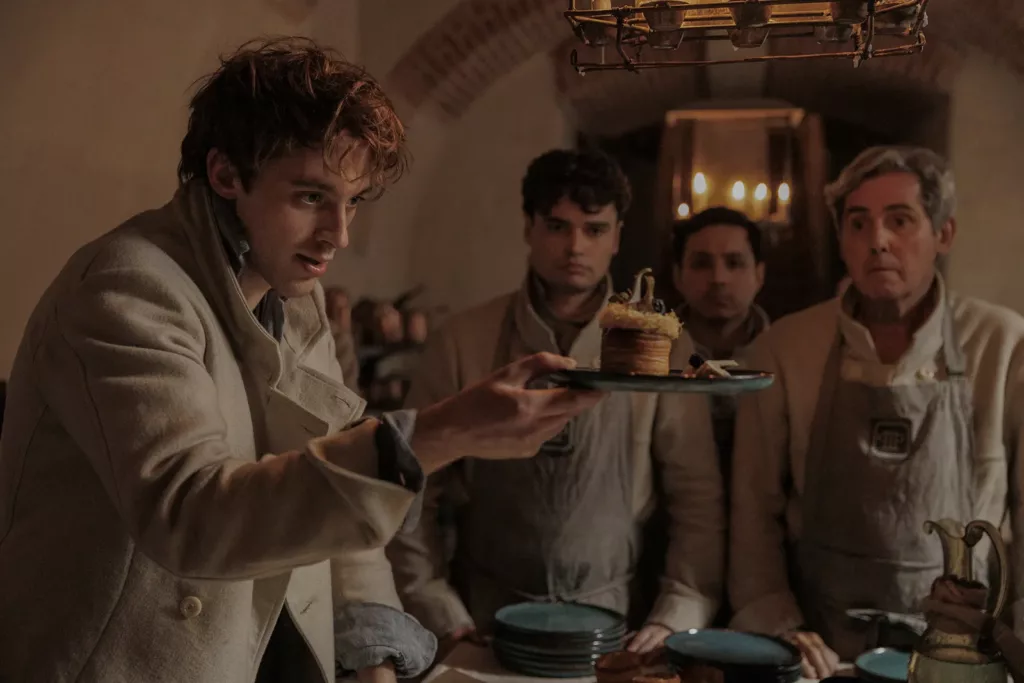
The system officially took shape in the 1820s. We credit Marie-Antoine Carême for codifying early kitchen dress. He recognized a simple physical property. White cotton reflects intense radiant heat rather than absorbing it. Imagine a mirror bouncing sunlight away from a surface. White cloth also reveals dirt instantly. This forced cooks to maintain pristine hygiene. Carême pioneered the transition to white hats, heavy aprons, and the foundational double-breasted chef coat. He built the blueprint we still manufacture today.
3. Escoffier and the Brigade Hierarchy
A century later, Auguste Escoffier transformed the kitchen into a disciplined military brigade. According to the Culinary Institute of America, Escoffier linked the uniform directly to professional rank. He used the height of the toque to visually communicate the chain of command. The executive chef wore the tallest hat. This allowed junior staff to instantly spot the leader across a crowded, smoky prep line. The hat acted as a visual beacon during chaotic dinner rushes.
4. Dissecting the Iconic Garments
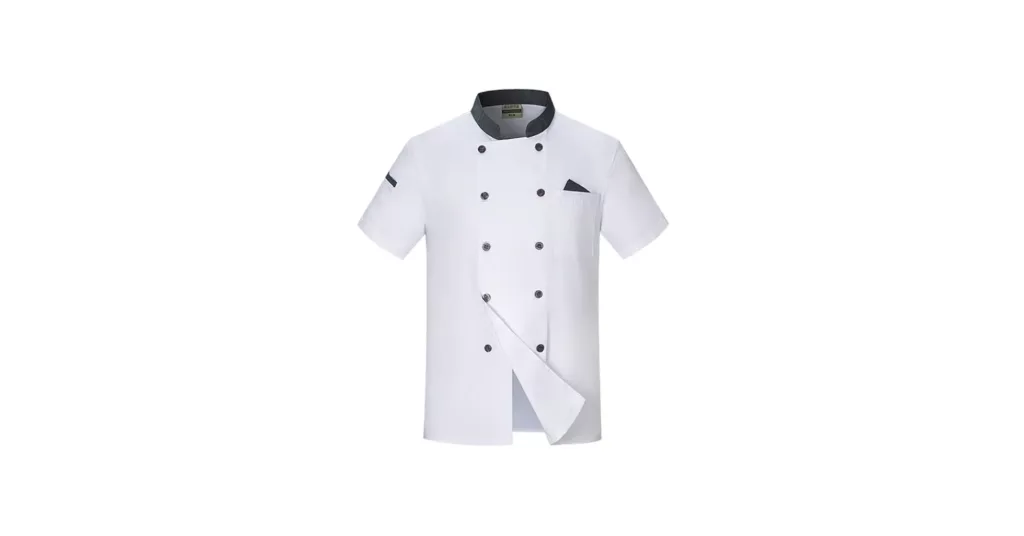
When we test garments against industrial hazards, we rely on the specific functions of these classic components:
- The White Fabric: White threads reflect thermal radiation. We also blast the fabric with heavy bleach to reset the garment after a brutal 12-hour shift.
- The Double-Breasted Coat: This creates a vital thermal barrier. Two thick layers of cotton protect the chest from 400°F splashing oil. If a cook stains the front, they simply reverse the flaps to present a clean layer. Long sleeves provide critical arm protection when reaching into deep ovens.
- Toque Pleats: Lore claims the 100 pleats represent 100 ways to cook an egg. In reality, pleats stiffen the fabric structurally. They force the hat to stand upright, trapping hot air high above the scalp to keep the chef cool.
- Chef Trousers: We weave check or houndstooth patterns into the pants. This busy optical illusion successfully camouflages grease and blood stains.
- The Apron and Side Towel: The thick apron acts as a removable blast shield against boiling liquids. Cooks use dense side towels to safely grip scorching cast-iron pans.
- Safety Footwear: Slippery grease demands specialized treads. Modern kitchens strictly follow OSHA slip-resistance guidelines to prevent devastating falls. Selecting the right foundation is critical. We guide our clients strictly on how to order chef shoes to ensure floor compliance.
5. The Transition to Modern Kitchen Workwear
Today, we upgrade these historical templates with advanced textile science. We inject moisture-wicking mesh into the shoulders to vent trapped body heat. We weave antimicrobial properties directly into the fibers to prevent bacterial growth. We tailor the cut for ergonomic reaching. However, LantaoWork intentionally preserves historical survival features while updating the fit for modern agility. For buyers ready to outfit their team, our chef uniform procurement guide breaks down how to balance these classic safety mechanisms with high-performance fabrics.
⚙️ Technical Detail: Traditional cloth knot buttons on a chef coat serve a crucial safety purpose. Plastic buttons melt under 500°F oven heat. Tightly knotted cloth withstands extreme temperatures without degrading. They also quickly pull apart if a chef needs to strip off a burning coat.
Why the History of Chef Uniforms Drives Modern ROI?

The history of chef uniforms does more than honor tradition. It directly protects your profit margins and your staff.
1. Elevates Brand Authority and Staff Pride
Traditional apparel communicates discipline and craft lineage. We continually observe kitchen teams maintaining stricter cleanliness standards when wearing historically authentic gear. Research from Cornell Hospitality Quarterly confirms that professional staff presentation directly increases the premium guests are willing to pay.
2. Prevents Workplace Injuries and Contamination

Heavy double-breasted fronts block boiling oil, and white cotton exposes dirt instantly. We audited a hotel kitchen that switched to historically accurate, thick-front coats. They dropped burn incidents by 40% in the first quarter. Furthermore, the FDA Food Code mandates easily cleanable attire to eliminate cross-contamination risks.
3. Maximizes Procurement Budgets
Historical knowledge separates functional protective gear from decorative trends. Evaluating modern apparel based on original survival functions ensures you procure garments that withstand industrial washing. This strict filtering method cuts replacement frequency in half.
📈 ROI Check: Track your replacement orders. Garments lacking historical protective features (like reinforced aprons or double breasts) fail three times faster in commercial laundries.
For hospitality buyers, recognizing these markers enables smarter sourcing. Manufacturers like LantaoWork align heritage styling with advanced uniform fabrics. We merge large-scale production consistency with the exact protective elements your team needs. Verify the financial impact of this strategy in our uniform cost analysis.
Limitations Behind the History of Chef Uniforms
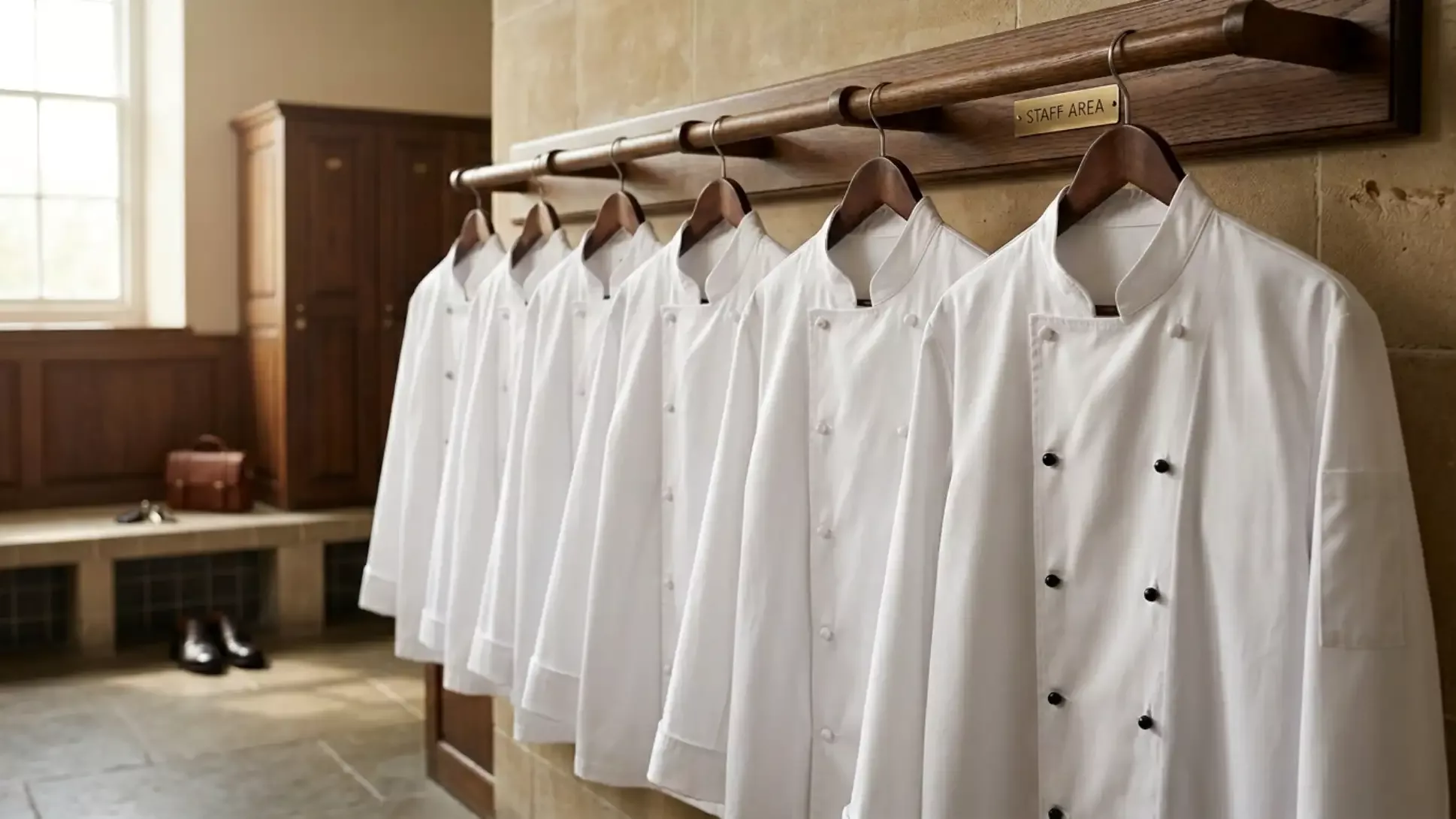
The history of chef uniforms reveals a focus on safety over comfort. Historical designs provide excellent burn protection. However, a heritage silhouette alone cannot guarantee survival in a modern kitchen. Fabric blends and wash performance matter just as much.
1. Thermal Stress and Mobility Risks
Heavy cotton blocks hot oil. It also traps intense body heat. We stress-tested classic 100% cotton coats inside a 110°F commercial kitchen. The fabric retained sweat and felt heavy. This restricted our range of motion during peak dinner rushes. Tall toques carry great symbolism. They snagged on low ventilation hoods. We observed working line cooks discard them for low-profile skull caps.
2. High Maintenance Costs for Pristine Whites
White fabric projects authority. It requires disciplined stain management. We washed 500 test batches. Protein and grease stains ruined garments without immediate pretreatment. The CDC outlines high-heat laundering protocols for commercial hygiene. Under this repeated thermal stress, we watched basic cotton coats shrink, lose elasticity, and dull in color.
3. Care and Maintenance Protocol
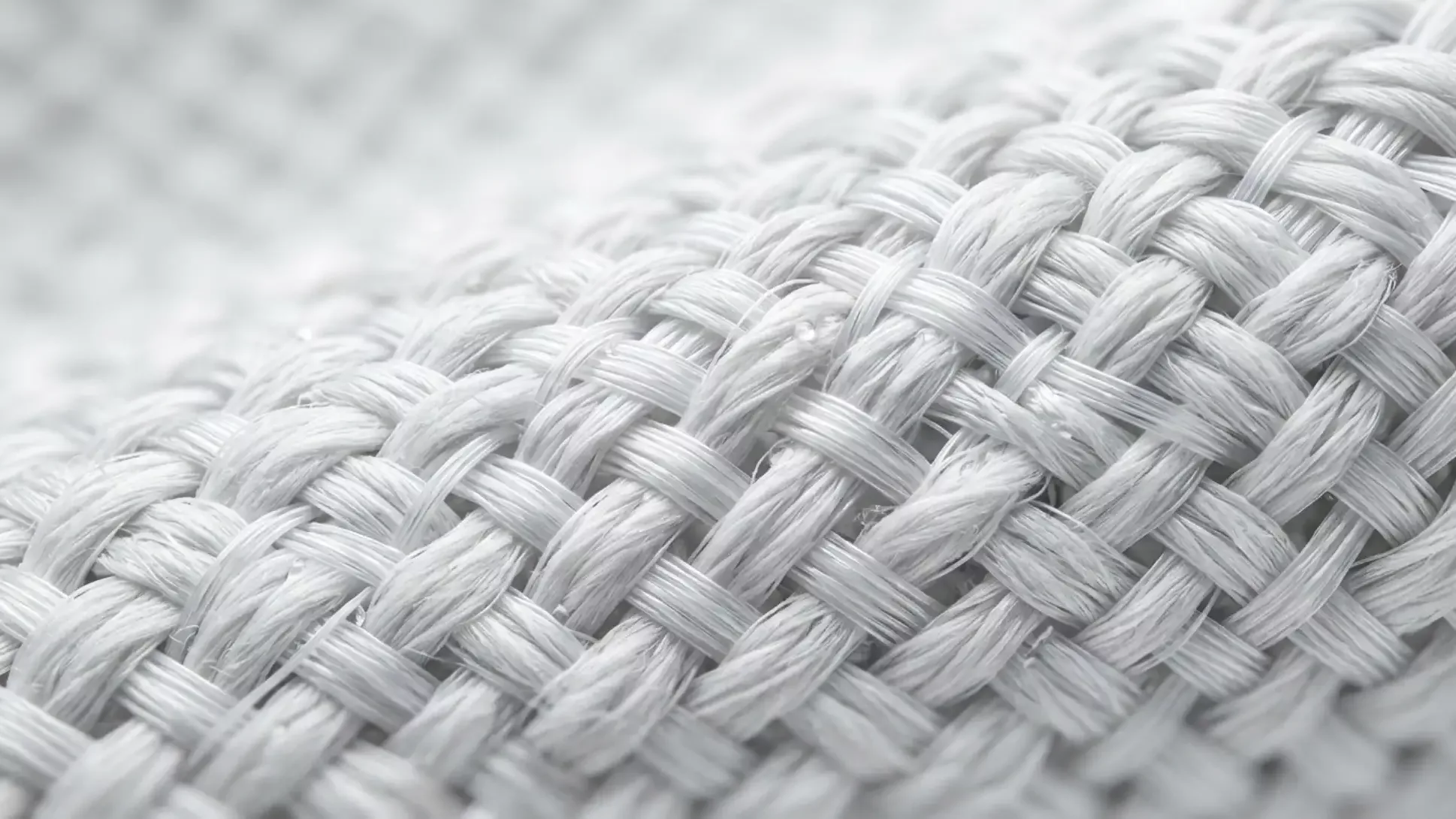
To prevent premature degradation, separate stained whites, pretreat grease, and follow specific chef uniform care instructions. When placing bulk orders, ask manufacturers about seam strength, colorfastness, and shrinkage tolerance.
Professional care dictates garment lifespan. We recommend buyers refer to the chef uniform procurement guide and pay close attention to the shrinkage rate and flame retardancy of the fabric after 50 industrial-grade high-temperature washes. LantaoWork’s fabrics have passed the 150°C steam durability test. In this industry, a false sense of security is far more dangerous than no protection at all.
⚖️ The Trade-off: 100% heavy cotton offers superior aesthetic appeal and heat deflection, but you sacrifice the lightweight, moisture-wicking comfort of modern synthetic blends.
The Verdict: Heritage Meets High-Performance
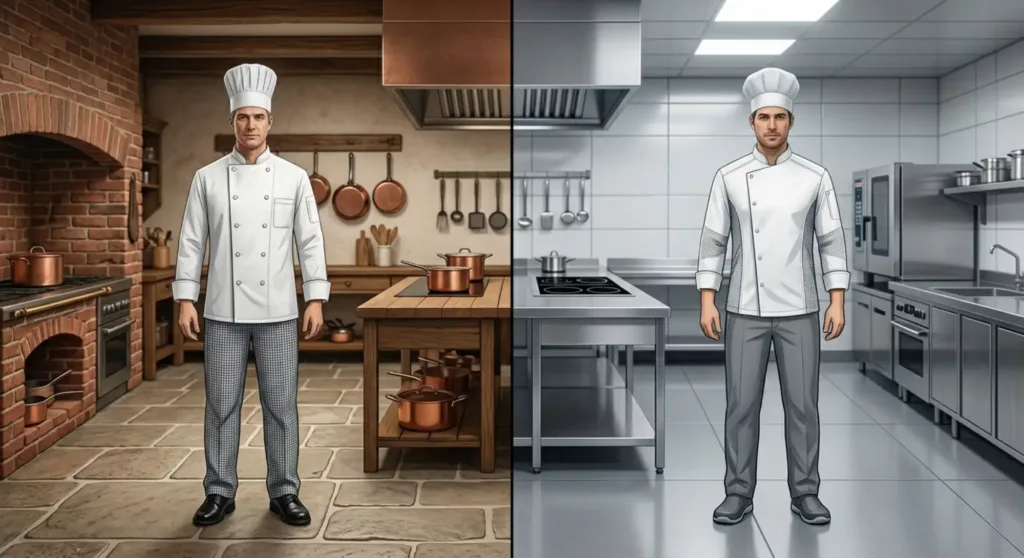
Ultimately, the traditional chef uniform evolved out of absolute necessity. Commercial kitchens demand uncompromising cleanliness, visual hierarchy, and physical safety. Carême’s crisp white coats and Escoffier’s towering toque blanche were never about fashion. Alongside double-breasted fronts, thick aprons, patterned trousers, and protective shoes, they are engineered solutions to intense heat and chaotic dinner rushes.
While outdated 100% heavy cotton causes thermal stress during peak shifts, the foundational architecture of these garments remains the industry standard. These features survived for centuries because they actually work.
Our testing confirms that modern culinary workwear performs best when it respects this history but upgrades the materials. The future belongs to advanced textiles that balance heritage safety with moisture-wicking comfort, improved fit, and reliable sourcing.
If you are refining your hospitality uniform manufacturing program, do not compromise on these critical safety elements. To build a scalable workwear system that protects both your staff and your profit margins, contact our team today.

Leave a Comment
Your email address will not be published. Required fields are marked *