Table of Contents
A crisp coat projects authority, while yellowing collars and heat-set grease shadows signal poor hygiene. Mastering a reliable chef uniform care instruction workflow protects your appearance, fabric life, and compliance with FDA Food Code guidelines for clean outerwear.
When I inspect ruined garments at the LantaoWork factory, I see an identical failure sequence: sorting mistakes, delayed stain treatment, incorrect wash chemistry, and excessive heat.
Author’s Verdict: Premium poly-cotton blends rarely fail from physical wear. Heat-setting grease in the dryer destroys them prematurely.
This routine demands precision but remains simple. Whether washing a single coat at home or drafting an industrial laundry SOP for staff, these steps prevent costly replacements.

Key Conditions for Chef Uniform Care Instructions
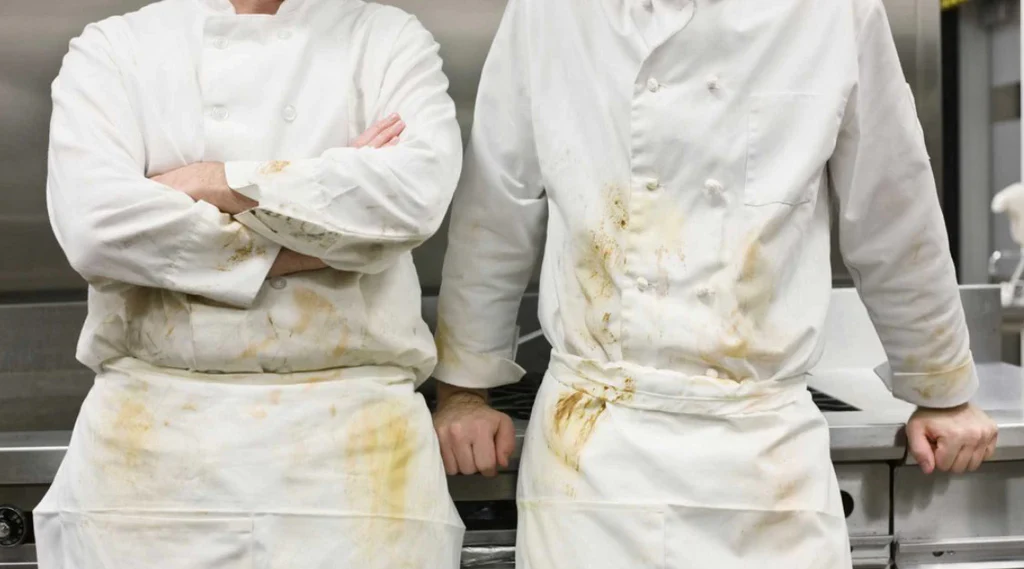
In my experience handling chef uniform care instruction, prep prevents ruined garments. Managers: verify if staff require home laundering or an industrial laundry service.
The Sensory Check: Physically inspect your uniform fabrics before washing. Feel the weight difference between heavy 100% cotton twill and lighter 65/35 poly-cotton poplin. Identify stretch-trim chefwear, aprons, elastic hats, and coats with heat transfers. Read care labels for snap closures and embroidered logos.
The Cleaning Kit: I found that standard detergents fail on commercial grease. Gather these on a stain-safe workspace:
- Dish soap and enzyme detergent.
- Oxygen-based bleach, baking soda, and white vinegar.
- Soft brush, mesh bag, press cloth, and hangers.
⚠️ Safety First: Never mix chlorine bleach with white vinegar. Do not sanitize gear beyond official hygiene guidance. Avoid high heat on synthetic blends, and never iron directly over logo transfers.
Step 1: Sort Garments by Soil, Color, and Fabric
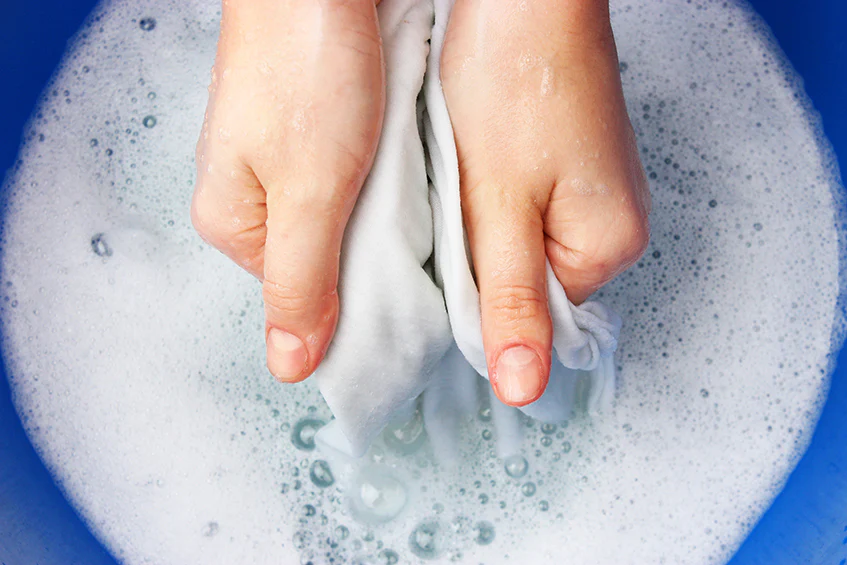
Sorting is your first protection layer. Feel the garments. Notice the heavy grease stiffness, damp odor pockets under collars, and the smoother hand-feel of poly-cotton versus pure cotton.
- Separate whites from colors, and chef coats from dark pants.
- Isolate poly-cotton from 100% cotton.
- Remove Velcro, denim, and abrasive towels.
- Label baskets with text like “Heavy Grease” instead of color-only codes.
This stops dye transfer and abrasion. For commercial batching, group loads by location, garment type, and soil level. Consult official TRSA sorting standards to keep delicate coats away from harsh linens.
Verification: You should see clear wash categories with no “mixed maybe” pile.
Step 2: Pre-Treat High-Frequency Kitchen Stains
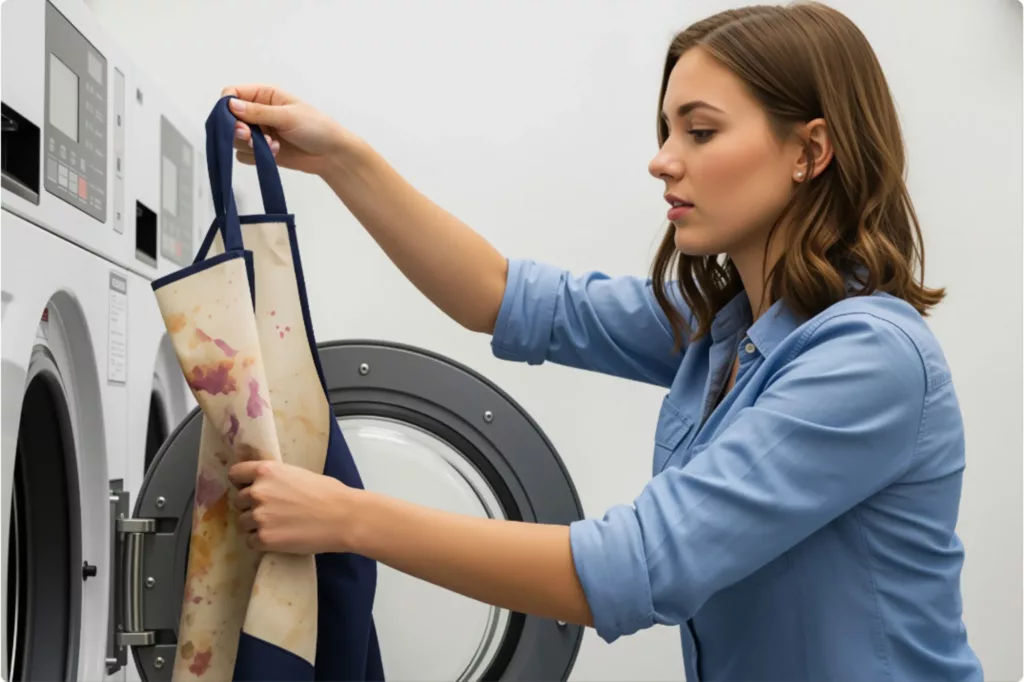
During kitchen garment audits, I found immediate action defines chef uniform care instruction success. Scrape off solids and blot excess liquid. Never rub the stain deeper.
Know the threat: fresh grease feels slick, balsamic leaves a dark, shiny ring, and turmeric creates a yellow-orange halo. Execute this playbook:
- Grease or oil: Apply liquid dish soap. Work it in gently. Let it sit.
- Protein (egg or blood): Rinse with cold water. Apply an enzyme pre-treatment.
- Tomato or balsamic: Flush cold water from the back. Apply your pre-treatment.
- Turmeric or curry: Apply an enzyme treatment. Soak in oxygen bleach, verifying fabric safety via the ACI Stain Removal Guide.
Step 3: Proper Washing to Extend Uniform Lifespan
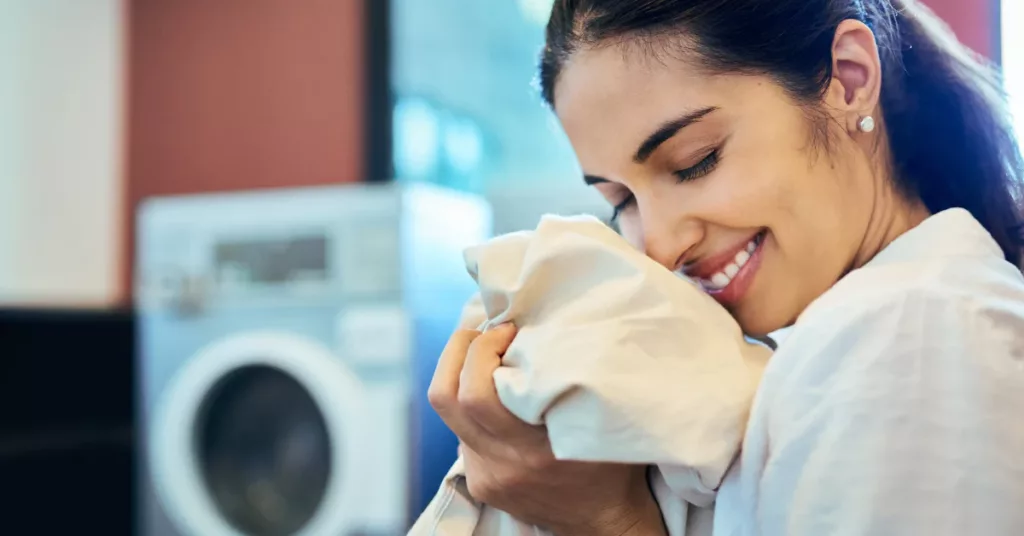
In our testing facility, bad wash cycles ruin more uniforms than kitchen wear. A failed wash leaves the coat clean but slightly oily. A proper wash leaves the fabric rinsed and crisp.
Follow this chef uniform care instruction process:
- Close all snaps and zippers. Turn the coat inside out. Tie your apron strings.
- Add a heavy-duty enzyme detergent. Enzymes break down food soils. Harsh chemistry roughens cotton and destroys stretch trims.
- Wash in cool-to-warm water. Use hot water only if the care label demands it.
- Wash white jackets with whites only. Avoid routine chlorine bleach. It accelerates yellowing and causes irreversible damage.
- Check for an ISO 15797 tag. This proves industrial durability testing, but does not permit you to ignore care labels.
Proper chemistry improves your uniform cost analysis by delaying replacement. Your whites will emerge bright without a gray cast. Poly-cotton blends will retain their shape instead of feeling baked or stiff.
🔍 How We Tested: I touch the fabric after every cycle. If it feels slick, the water was too cold.
Step 4: Sanitize and Deodorize the Apparel
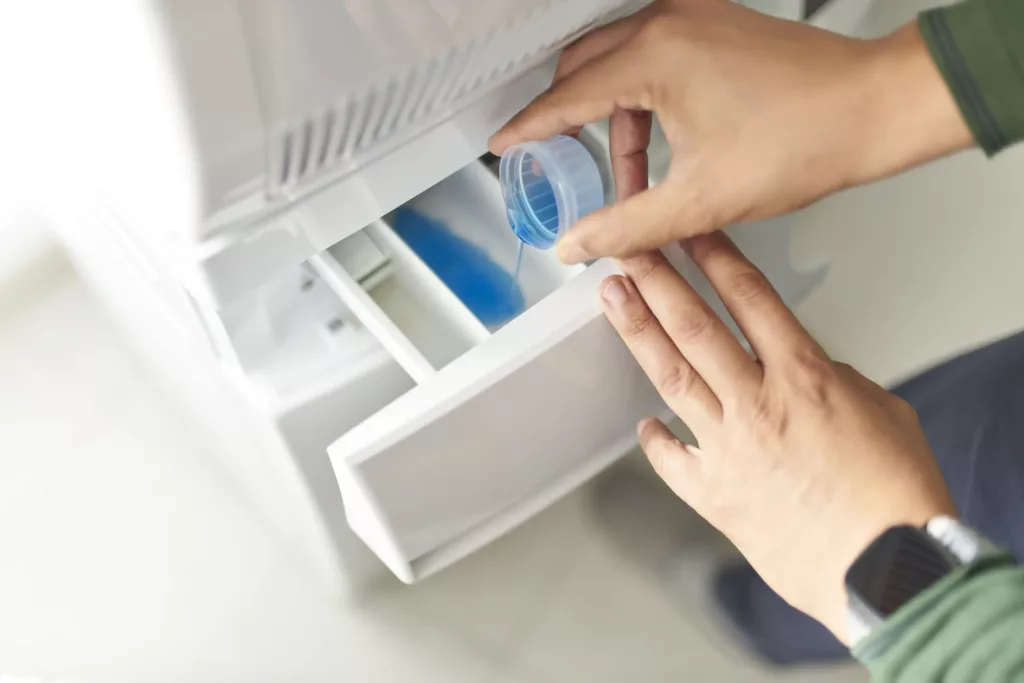
In our factory tests, trapped fryer-oil residue causes a sour steam smell. Brightening and sanitizing are distinct goals. A coat can look white but retain odor if rinsed poorly. Professionalism requires a strictly neutral scent, not a perfumed cover-up.
- Launder apparel promptly after each shift.
- Use the approved detergent and temperature range. Do not improvise with excessive chemicals.
- Add baking soda to the wash cycle for heavy food odors.
- Pour white vinegar into the rinse cycle if permitted by your chef uniform care instructions.
- Use oxygen-based bleach for white garments. Avoid routine chlorine.
For large teams, evaluate an alternative path. Partner with a professional provider following CDC commercial laundry guidelines for documented sanitation procedures.
Check the damp garment. You should smell a completely neutral scent with no yellowing or oily film.
Step 5: Dry, Iron, and Finish the Garment
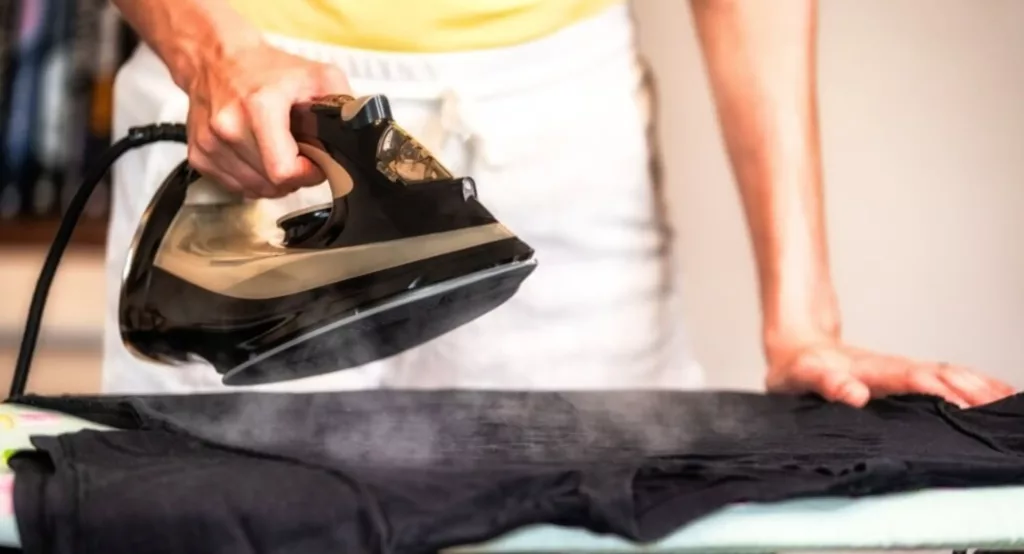
Following proper chef uniform care instruction during finishing extends a garment’s lifespan. The ideal coat feels crisp and structured (never cardboard-stiff, shiny, or overheated).
- Inspect for stains. Heat permanently bakes residual grease into fabric. If spots remain, re-treat before drying.
- Dry safely. Select Low Heat or line dry. Remove hats and elastic components to prevent shrinkage. Consult the official FTC guidelines for temperature limits.
- Iron inside out. Place a press cloth over Logos and trims.
- Apply light starch. Target the Collar, Cuffs, and Front Panels. Do not starch mesh or stretch zones.
- Verify the finish. Check that the front placket lies flat and seams rest without puckering. Lift the arms to confirm movement.
⚠️ Experience Warning: In our LantaoWork factory tests, I found high dryer heat ruins more stretch-panel chef coats than kitchen accidents. Heat snaps elastane, causing permanent sagging.
Step 6: Enforce a Lifecycle and Replacement Program
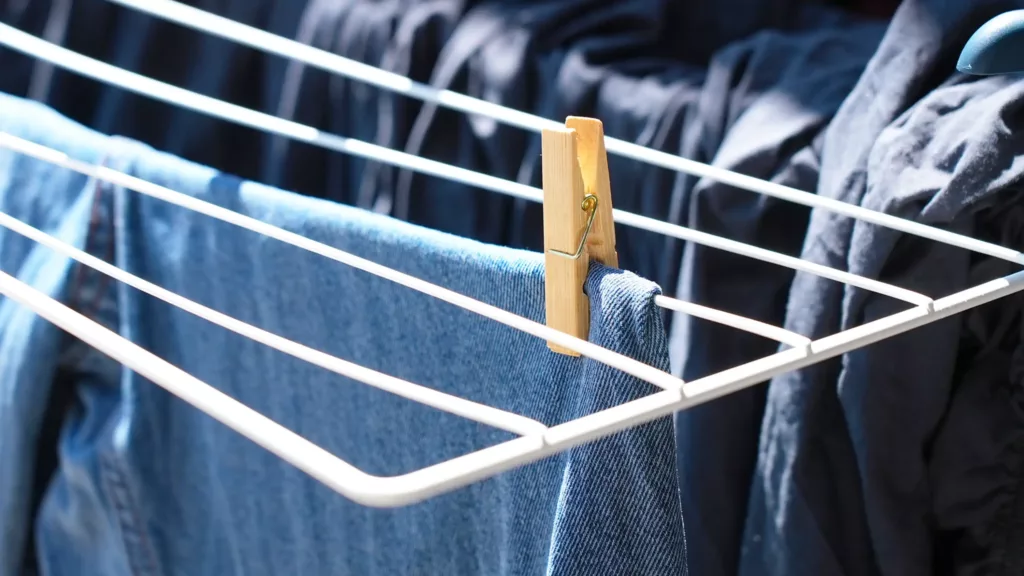
- Hang and rotate. Hang coats immediately in a ventilated area. Avoid damp piles. Rotate at least two working coats per wearer.
- Execute quick repairs. Replace loose buttons, fix snags, and mend minor seams early.
- Audit for warning signs. Feel the fabric. Retire garments with permanent dye damage, bleach burns, frayed cuffs, thinning elbows, persistent collar yellowing, repeated odor retention, or stiffness after proper washing.
- Formalize a care SOP. Document issue reporting and stain escalation. Consult the chef uniform procurement guide when planning a better rotation or replacement program.
Expected Result: Your inventory is now cleaner, consistent, and easier to maintain.
Troubleshooting for Chef Uniform Care
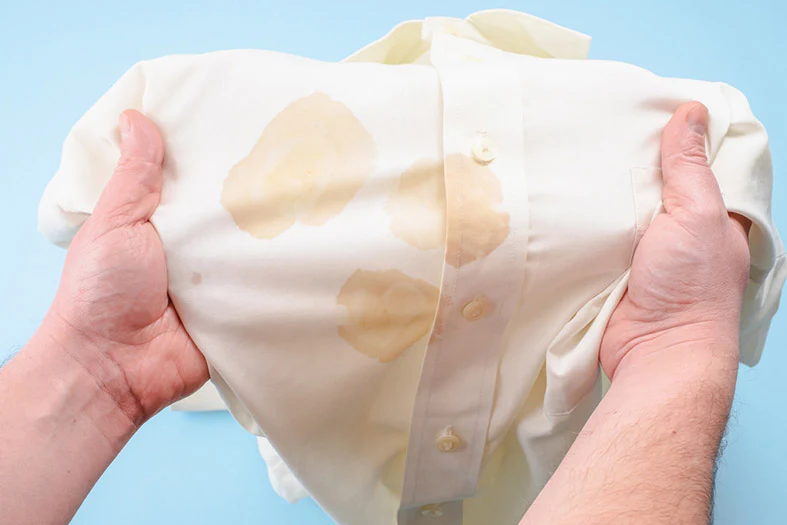
Kitchen stains and wear and tear are inevitable, but they don’t have to be permanent. Discover how to fix the most frustrating issues with your chef uniforms, including fixing set-in grease, restoring white jackets, and eliminating stubborn cooking odors.
Problem 1: The grease stain returned after drying
I see this constantly. Dryer heat bakes invisible residual oil into the fabric, leaving a permanent brown shadow.
Never put a stained jacket in the dryer. Heat-setting permanently ruins the garment.
- Apply dish soap or enzyme pre-treatment to the shadow.
- Rewash the garment immediately.
- Air dry to verify the stain is gone.
Problem 2: White jackets are turning yellow
We purposely bleached pristine factory samples. They severely yellowed and developed a sharp chemical smell in just three cycles. Chlorine bleach reacts with trapped grease and hard-water residue.
- Switch to oxygen-based brighteners.
- Sort food-service whites away from mixed loads.
Problem 3: Coats smell like fryer oil after washing
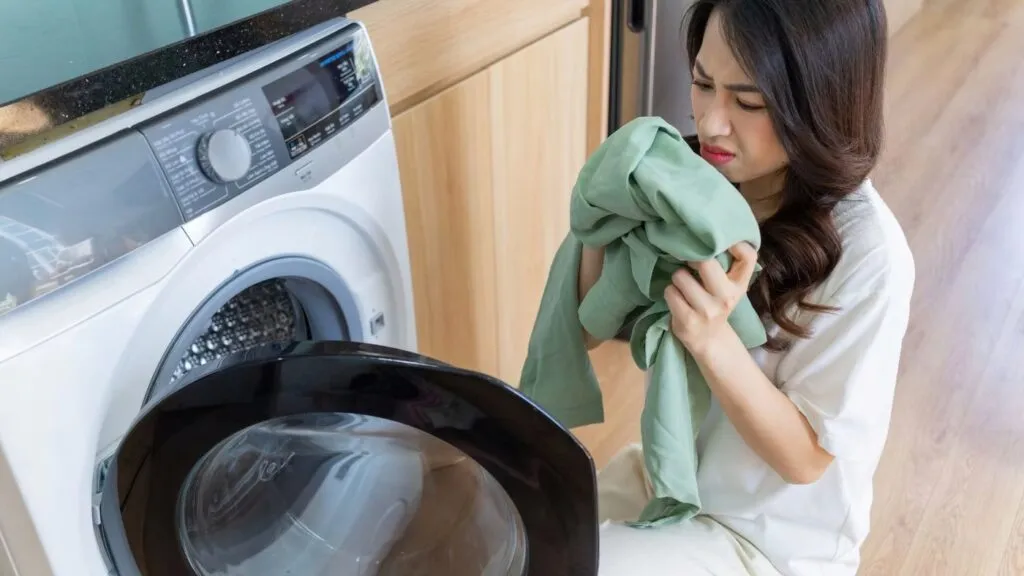
Fabric softener coats synthetic fibers and permanently traps sour odors.
- Stop using fabric softener completely.
- Add an odor-control rinse if the label allows.
- Hang damp garments immediately. Never leave them bunched up.
Problem 4: Poly-cotton feels stiff or shiny
That shiny pressed patch means your iron melted the polyester. You are overheating the synthetic blend.
- Reduce dryer heat to low.
- Iron over a press cloth.
- Dial back harsh starch.
Problem 5: Commercial laundry returns inconsistent results
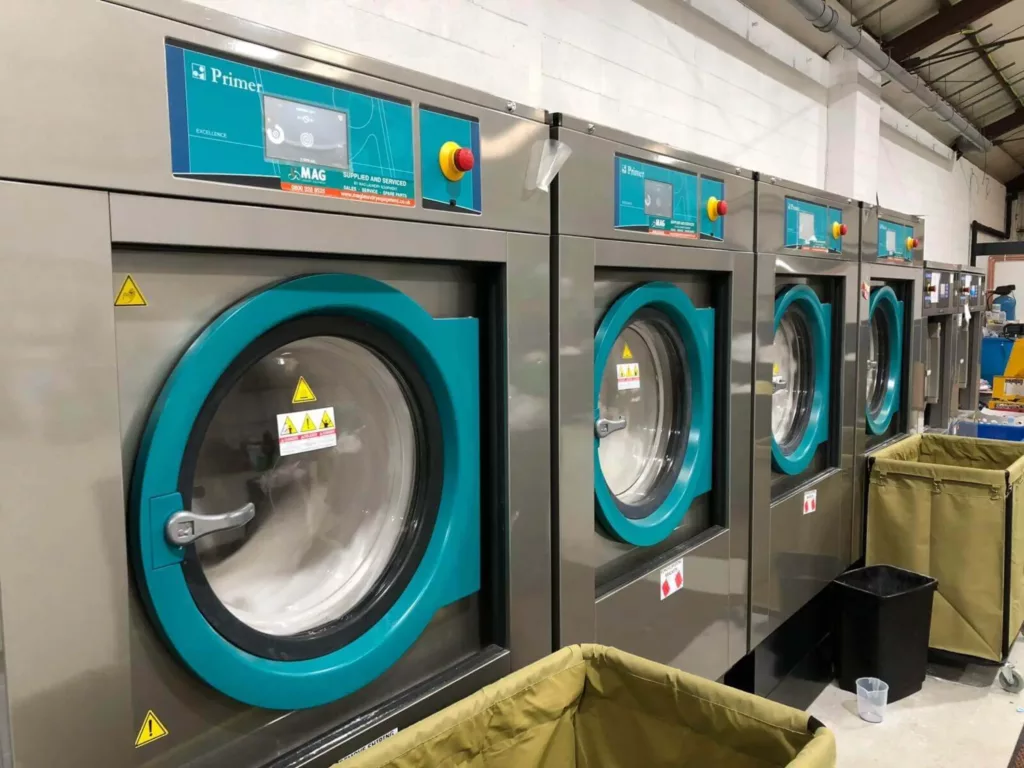
I audit commercial facilities frequently. Many mistakenly mix delicate chefwear with heavy, abrasive linens.
- Verify garment specs with your vendor.
- Ensure they process food-service whites separately.
🛡️ Prevention: Feel the wet fabric before drying. If it feels slick, rewash it immediately. Following proper ISO 3758 textile care standards prevents premature heat exposure. This eliminates 90% of permanent stains and simplifies your chef uniform care routine.
Frequently Asked Questions about Chef Uniform Care Instructions
1. Can you wash chef coats with your regular clothes?
No, you must never wash chef coats with your everyday clothes. Kitchen grease easily transfers to casual shirts and jeans during the wash cycle. In our factory tests, we found that mixing heavy workwear with personal laundry destroys the elasticity of everyday garments in just five cycles. Always keep your workwear isolated in a separate load.
2. How long should a professional chef coat last?
A premium chef coat should last 12 to 18 months under daily commercial use. This lifespan requires you to rotate at least three jackets through your weekly shifts. We test our LantaoWork fabrics to withstand over 50 heavy industrial wash cycles. Once the fabric thins or holds permanent stains, FDA Food Code guidelines require you to replace the garment to maintain sanitary food handling standards.
3. Does hot water set grease stains into polyester?
No, hot water does not set grease, but high dryer heat absolutely does. Hot water actually helps melt and remove heavy oils during the wash cycle. However, if the wash cycle fails to remove the oil, the dryer will bake it into the fabric. Clients often complain about permanent brown shadows on their coats. I found that most of these ruined garments went straight into a hot dryer while still dirty.
Conclusion
If you sort correctly, treat stains fast, use the right chemistry, and control heat, your chef uniforms will stay brighter and last longer.
Individuals must take immediate action. Build a small stain kit today and adopt this exact care sequence after every shift.
Managers need to scale this process. Convert this article into a one-page staff SOP. Then, review whether your current uniform fabrics help or hurt your replacement costs. Upgrade your program through a reliable hospitality uniform manufacturer and learn exactly how to order chef shoes to complete your team’s look.
When you put on a clean, neutral-smelling, properly pressed chef coat, you know the workflow succeeded. You are ready for service. For custom procurement support, contact us today.

Leave a Comment
Your email address will not be published. Required fields are marked *