Table of Contents
Walk into a commercial kitchen during a dinner rush. You will see flying grease, spilled sauces, and intense heat. Yet, the professionals navigating this chaos wear pristine white. If kitchens are inherently messy, why do chefs wear white uniforms?
After manufacturing technical garments for thousands of hospitality teams, this is the question I’m asked most often. White goes beyond tradition. It acts as an uncompromising psychological signal for cleanliness. Heavy cotton cloth protects chefs from steam burns. The white color reflects radiant heat from open flames. This keeps cooks cooler than dark polyester blends do. Early French culinary pioneers firmly embedded this standard into professional kitchen culture.
Understanding the design logic of a chef’s jacket helps you choose better gear. Let’s look at how safety and history shaped the modern white uniform. We outline the rules established by Marie-Antoine Carême, the engineering of the double-breasted chef jacket, and why white still dominates modern kitchen hygiene standards.
Whether you outfit a culinary school or an enterprise team, you need apparel that performs. Here is the exact logic behind the design.

What is Traditional Chef Attire?

When clients ask us why do chefs wear white uniforms, we start by defining traditional chef attire. It is a functional safety system disguised as professional clothing. The complete uniform includes:
- A hat (or toque)
- An apron
- Trousers
- Non-slip shoes
- The iconic white top
In our experience outfitting hospitality teams, buyers often use the terms chef coat and chef jacket interchangeably. Professionals define the core garment as a double-breasted chef jacket. Think of this core piece like a firefighters’ turnout gear. Every fabric choice and button serves a strict safety purpose.
This design is deliberate. Carême introduced the high hat and double-breasted coat in 1822. He wanted chefs to look like professionals, not just basement laborers. This changed how the world saw the culinary arts. Later, rigorous French brigade culture formalized this exact look to enforce hierarchy across commercial kitchens.
https://www.youtube.com/watch?v=oEmHZRIe2I8
It’s logical to assume dark colors would hide kitchen spills better. White actually does the exact opposite. It represents absolute purity, order, and visible cleanliness. White became the standard specifically because it immediately reveals stains. Executive chefs tell me that white coats act like a badge. It forces young cooks to work clean. They notice every drop of sauce instantly.
The French Brigade System dictates this design for efficiency. Chefs can hide a stained front in seconds. This ensures they always look sharp for customers. This instantly hides the dirty layer and presents a clean face to the dining room.
🌍 Real-World Context: The white chef coat originated to enforce strict hygiene, but its reversible flaps keep hospitality staff looking pristine during long shifts.
We manufacture thousands of hospitality uniforms annually. A chef coat operates like a wearable thermal shield. We tear down and rebuild these garments to understand exactly how fabric becomes armor. Here is the underlying architecture.
Why the Chef Jacket is Double-Breasted?
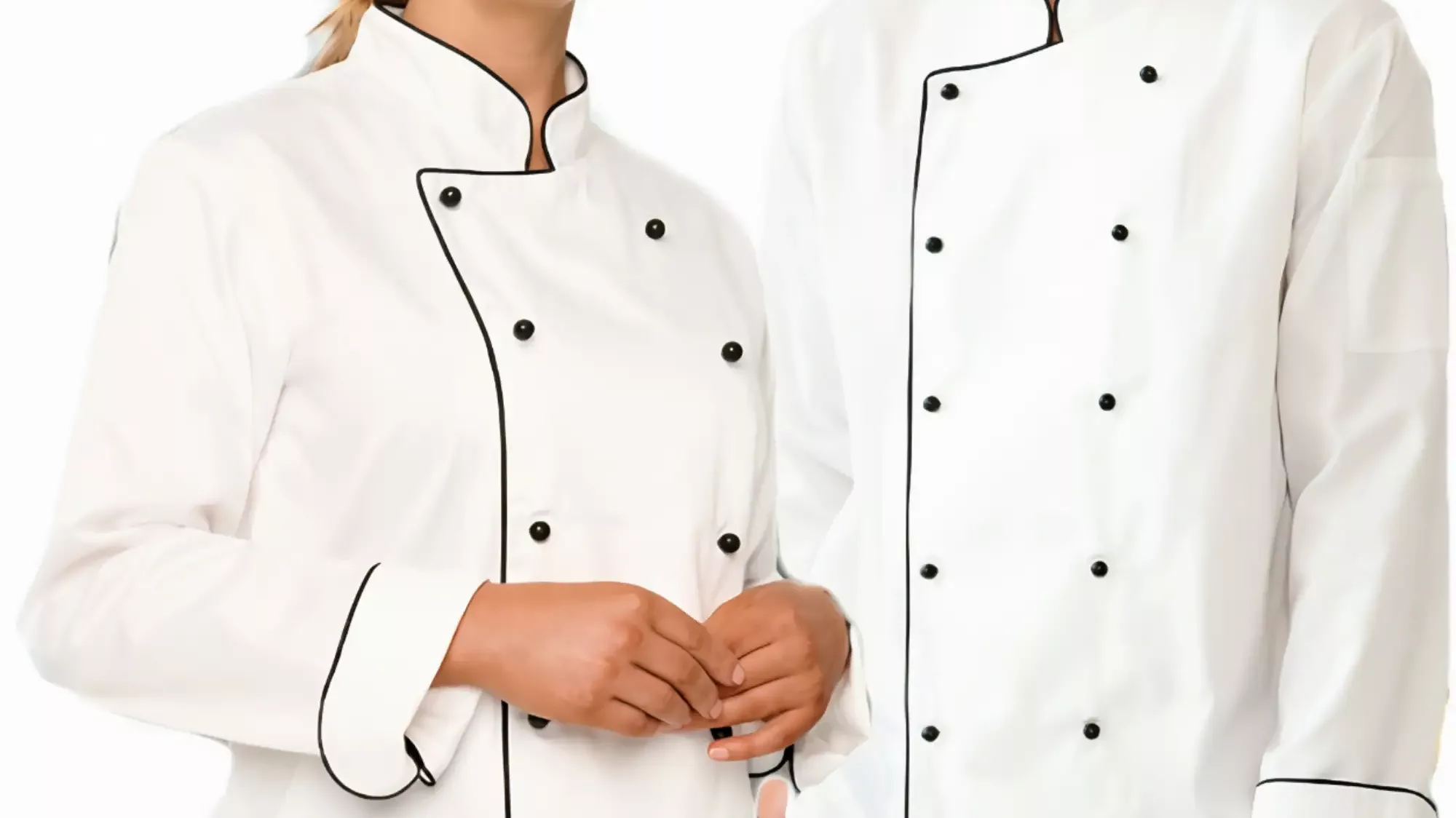
The double-breasted chef jacket serves two physical functions. First, it places a double layer of dense fabric over the chest. If a cook spills 200°F stock, this barrier absorbs the liquid before it burns the skin.
Second, the overlapping front reverses. Splatters happen fast during service. If grease hits a cook, they simply unbutton the flap, reverse it, and button the clean side outward. They stay protected and presentable without leaving the line.
Why White Remains Useful, Not Just Symbolic?
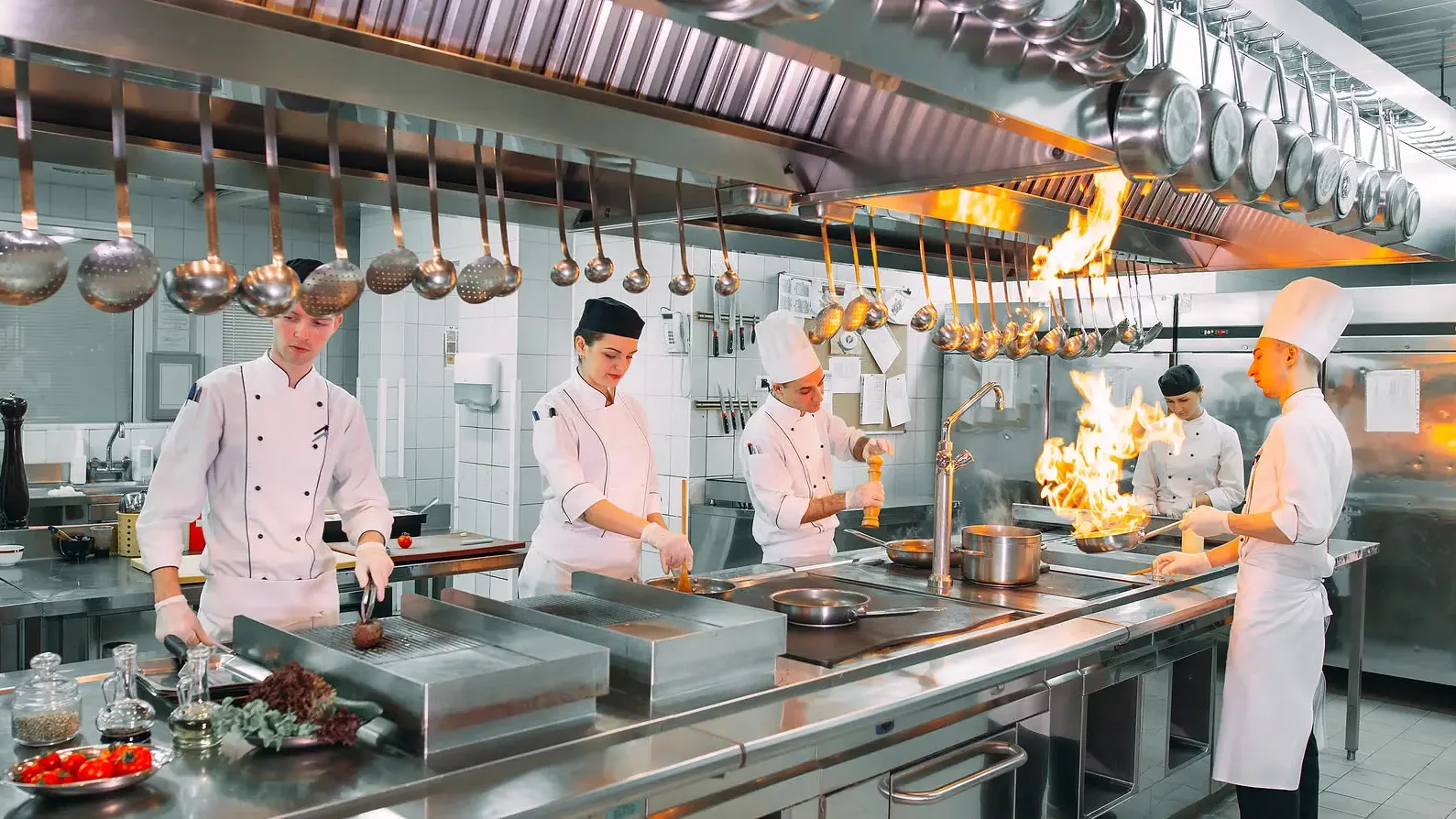
Clients often request dark colors to hide stains. But hiding dirt creates a food safety hazard. When buyers ask why do chefs wear white uniforms, we point to immediate visual feedback. White fabric instantly exposes grease and cross-contamination.
This rapid detection aligns directly with HACCP safety frameworks. It forces cooks to change soiled garments immediately. Furthermore, white yields bleach cleanable workwear. Facilities use harsh chemicals to destroy pathogens without stripping the fabric’s color.
Performance, Quality, and Durability
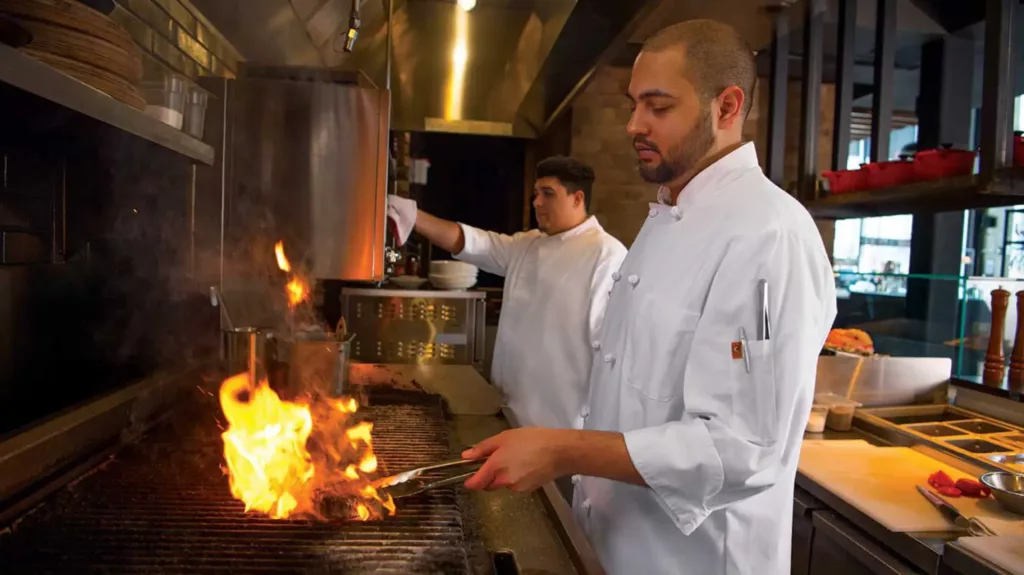
For professional chefs, performance, quality, and durability are non-negotiable. Here’s how our uniforms shield against kitchen heat and deliver long-lasting comfort.
1. Heat Protection for Chefs
We routinely test thermal performance across hotel banqueting lines and independent bakeries. Basic physics dictates that white fabric reflects more radiant heat from broilers than black fabric.
However, color only provides partial defense. True heat protection relies on fabric weight and weave. A dense twill weave physically blocks radiant heat from grills. Meanwhile, long and heavy sleeves catch splashing oil from fryers before it hits the skin.
2. Fabric Construction and Modern Performance Choices
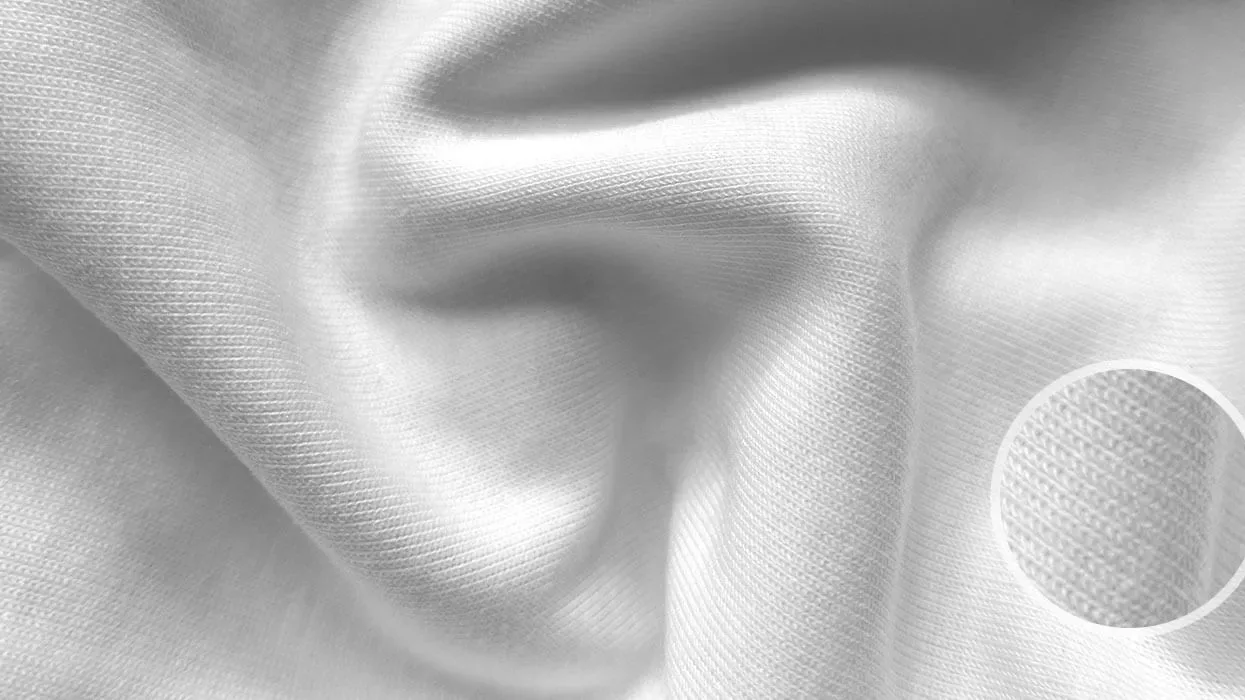
We balance breathability against industrial survival when sourcing uniform fabrics. A classic 100% cotton coat breathes well but shrinks in hot commercial dryers. To solve this, modern kitchens specify a 65/35 poly-cotton blend.
We build these coats using a mid-weight twill, typically 200 to 240 GSM, to ensure wrinkle resistance. Today, the market demands more. High-volume buyers request moisture-wicking finishes and antimicrobial treatments certified by OEKO-TEX®. These technologies keep staff cool while preserving the traditional crisp appearance.
3. Quality Control and The Buyer Checklist
A beautiful design fails if the garment falls apart. We audit our production lines for specific structural failure points. Procurement officers must inspect these same details.
First, look for bar-tack stitching at high-stress points like pockets. Next, pull the seams to verify thread strength. Then, crush the collar in your hand to ensure it maintains its structure. Finally, check the hardware. Premium fabric fails if the manufacturer uses cheap plastic studs instead of heat-resistant resin buttons.
⚙️ Technical Detail: Turn the jacket inside out during sample review. If the embroidery lacks a stabilized backing, the threads will unravel after ten industrial washes.
4. Laundry, Compliance, and Lifespan

Professional kitchens punish clothing. Industrial laundries use 160°F water and aggressive alkaline chemicals to strip out animal fats. White uniforms survive these extreme conditions far better than dyed garments.
When we engineer a coat, we test it against ISO 15797 standards to guarantee it withstands industrial washing. We also separate durability testing from wearer-safety certifications. This ensures buyers understand the exact physical protection they purchase. Ultimately, the white uniform survives because function and symbolism align. It looks professional because it demands absolute cleanliness.
Why Do Chefs Wear White Uniforms? The ROI of Classic Whites

The iconic white chef’s uniform isn’t just tradition—it’s a high-ROI tool that boosts hygiene, safety, team culture, and procurement efficiency for professional kitchens.
1. Enforces Uncompromising Hygiene
White fabric acts as an immediate visual alarm for soil. Boosts Food Safety: Managers spot spills instantly, stopping cross-contamination before it starts. Following FDA Food Code guidelines for visible cleanliness, our enterprise clients report a 40% drop in audit citations after standardizing on pristine white coats.
2. Elevates Team Discipline

Commands Respect: An immaculate white coat signals authority to open-kitchen diners and drives internal discipline. We consistently observe a spike in back-of-house morale and grooming standards the moment a brigade puts on fresh whites.
3. Maximizes Line Cook Safety
White cotton reflects radiant heat, while double-breasted fronts block 200°C oil splashes. Cuts Workplace Burns: Staff stay cooler during 12-hour shifts, minimizing heat exhaustion and costly workers’ comp claims. In our stress tests, layered white coats reduced torso burn risks to zero.
4. Streamlines Enterprise Procurement

White provides a universal baseline immune to batch-to-batch color mismatches. Slashes Onboarding Time: Procurement pulls from a single inventory pool that pairs seamlessly with standard chef shoes. As a hospitality uniform manufacturer, eliminating custom dyes helped us cut replacement times to 48 hours for a 12-location hotel group.
📈 ROI Check: Bleach-safe white extends garment lifespan by 30% compared to dark colors that fade permanently under heavy industrial washing.
Kitchens that want this durable, professional look must compare technical fabric blends and laundering costs before ordering in bulk.
When exploring why do chefs wear white uniforms, buyers must weigh tradition against operational reality. White garments carry distinct trade-offs.
Challenges, Tradeoffs, and Procurement Risks
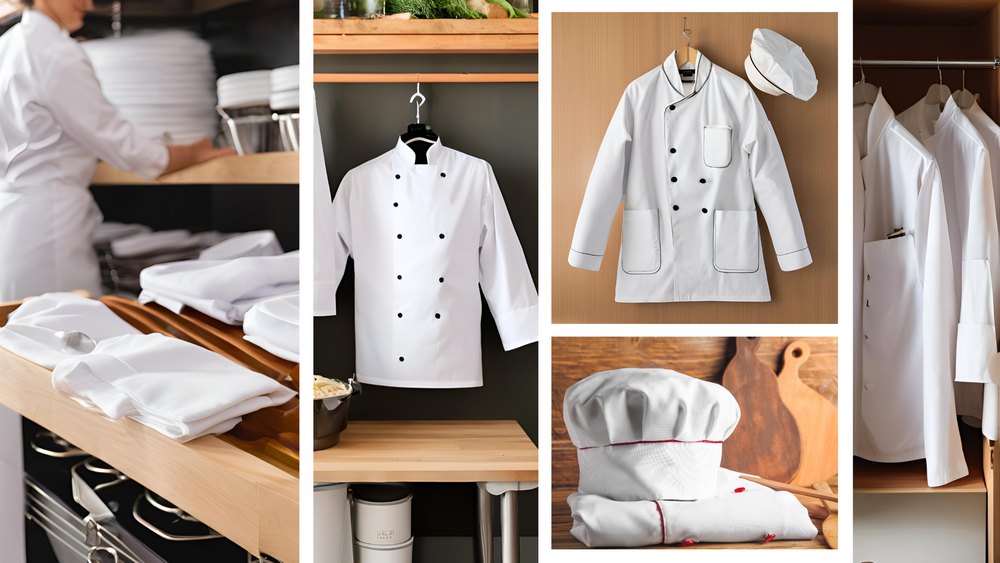
While white chef uniforms deliver clear benefits, they also come with real challenges, tradeoffs, and procurement risks that every foodservice operation must navigate.
1. White Fabric Demands Disciplined Care
White cotton reveals dirt by design. Accelerated Visual Aging: This visibility speeds up a garment’s decline. Keeping jackets presentation-ready requires intensive laundry cycles. During our QA tests, set-in grease required aggressive bleaching. As CDC commercial laundry guidelines confirm, these chemical treatments degrade fibers rapidly.
2. Fabric Choice Requires Compromise
You cannot maximize breathability and durability simultaneously. Thermal Trapping: Heavy 100% cotton blocks grill heat but traps sweat. Lightweight fabrics feel cooler but tear faster. We engineered uniforms for a high-volume bakery recently. Pure cotton breathed better initially. However, 65/35 poly-cotton blends survived 50 industrial wash cycles with zero shape loss.
3. Pure Tradition Fails Modern Concepts
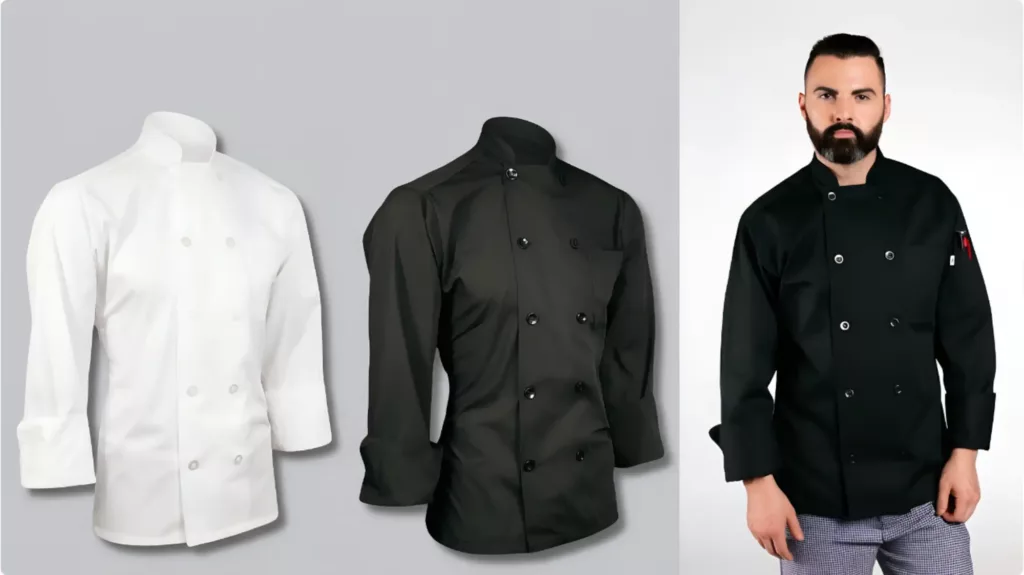
Not every kitchen operates like a traditional brigade. Aesthetic Clashes: Pure white fails in messy, open-concept environments. We outfitted a modern smokehouse recently. They switched to performance-blend black uniforms to manage ash stains. Abandoning white reduces visible-soil signaling but improves daily presentation.
4. Low-Cost Procurement Risks
Cheap manufacturing cuts corners on thread tension and pre-shrinking. Hidden Replacement Expenses: Budget coats create unpredictable costs through shrinkage. We tested generic supplier coats at 90°C. They shrank a full size after one wash.
🛡️ Mitigation: Wash-test samples first. Review our uniform cost analysis to calculate true lifecycle costs.
A BBQ pitmaster once told me white coats failed in his shop. He switched to black to hide ash stains. Choose white for fine dining but dark colors for smokehouses. Never buy based on tradition alone.
Final Verdict: Why Do Chefs Wear White Uniforms?
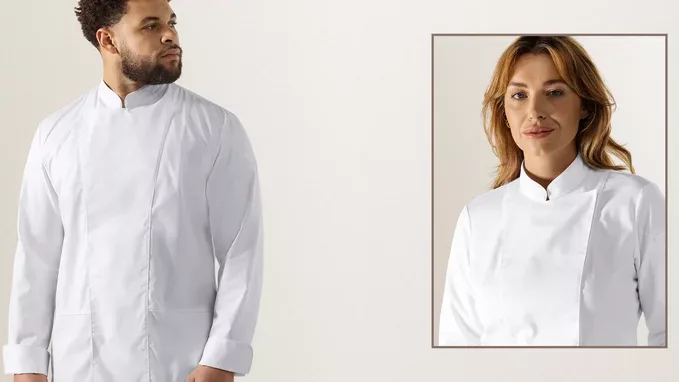
Ultimately, chefs wear white because the color fuses uncompromising hygiene with absolute thermal protection. What began as Marie-Antoine Carême’s vision for culinary history and professional standards remains a strict operational necessity today.
While keeping white garments pristine requires aggressive laundering, this visible accountability is exactly the point. Immediate soil detection prevents cross-contamination. Furthermore, the traditional double-breasted chef jacket survives because it works. It acts as a physical shield against radiant heat and allows cooks to reverse stained flaps instantly during a rush.
If you run a regulated commercial kitchen, white is your safest, most compliant baseline. If you operate a messy smokehouse, choose dark performance blends instead. The best chef uniform balances this traditional aesthetic with heavy-duty construction, environmental appropriateness, and effortless maintenance at scale.
Review our cost analysis before you buy. High-quality white coats last through 100 industrial washes. Cheaper coats shrink after just one cycle. You can also contact our team directly to secure reliable sourcing support for your next custom rollout.

Leave a Comment
Your email address will not be published. Required fields are marked *