Table of Contents
Poor uniform programs drive turnover, raise costs, and hurt guest perception. Yet many hospitality leaders still treat attire as cosmetic—pick a color, add a logo, move on. Reality soon hits: housekeeping staff dislike stiff shirts. When we tested new stretch fabrics at the Grand Plaza Hotel, maids loved the flexibility, and front desk blazers stayed crisp until midnight.
The leading uniform trend of 2026 rejects rigid, appearance-only design. With uniforms worn by over 50,000 hotel workers worldwide, we’ve seen what fails and what endures. We call this approach Operational Identity—a balance between brand image and technical performance that turns uniforms into a strategic asset.
The hospitality sector continues to scale rapidly in 2026, according to the Global Hospitality Outlook. To support this growth, the strongest programs demand a strict combination of sustainability, inclusive fit, and all-day comfort. Buyers refuse to compromise between premium styling and wash-and-wear durability.
This operational shift directly impacts boutique hotel owners crafting a signature look, restaurant chain procurement managers mitigating supply chain risk, and HR leaders fighting for staff retention. Upgrading a wardrobe program requires evaluating garments like a seasoned buyer.
We will examine the basics of modern uniform design and dissect the core concepts of technical fabric sourcing. Finally, we will outline the key benefits for workforce retention and detail the logistical challenges of enterprise rollouts.
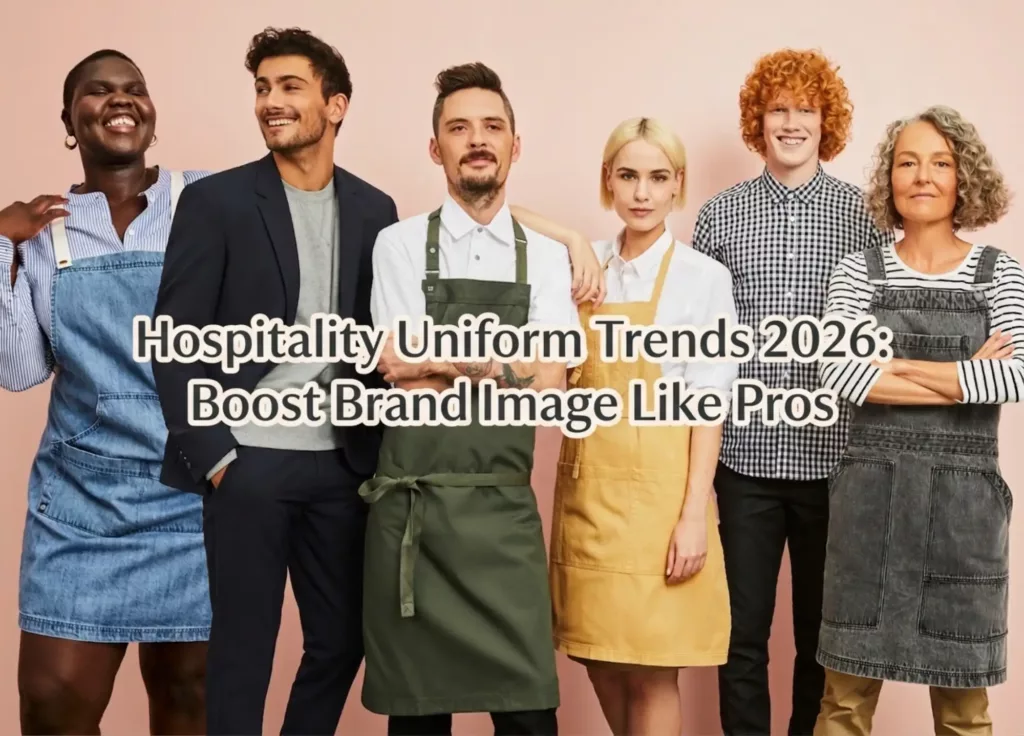
What is the 2026 Hospitality Uniform Trends?
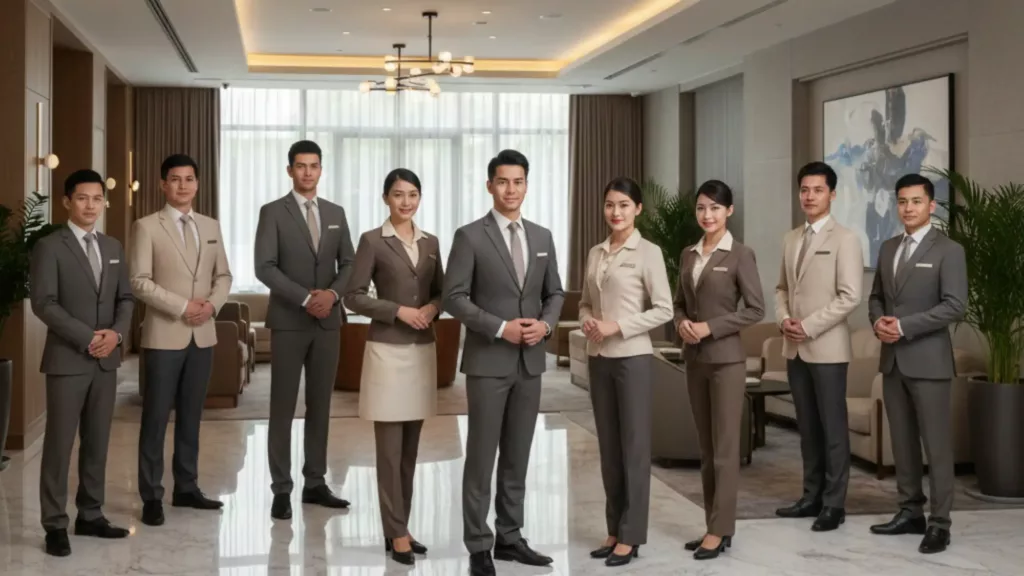
The hospitality uniform trends is the industry-wide shift from rigid fashion toward smart, modular garment systems. In our work outfitting global teams, we see hotels and resorts abandoning stiff clothing. Instead, they invest in adaptable wardrobes prioritizing sustainability, comfort, and performance.
Modern uniforms demand functional upgrades, not just visual changes. You need better fabrics, just like a building needs strong plumbing. Similarly, updating staff attire means building a flexible foundation that actively supports workers.
Historically, suppliers relied on heavy, unbreathable synthetics and strict male or female cuts. Today, a unified visual identity must adapt across an entire property. Front desk, housekeeping, and kitchen teams need completely different performance metrics but the exact same brand look.
https://www.youtube.com/watch?v=lmcshIAbsdY
This 2026 evolution plays out across six core areas:
- Sustainable hotel uniforms: Hotels need tough fabrics. We use a custom blend of recycled polyester and spandex. Independent labs test our fabrics. They survive 100 harsh industrial washes. The color never fades.
- Eco-friendly hospitality workwear: Brands demand fabrics requiring less water and energy to clean.
- Flexible restaurant dress codes: Staff mix and match modular pieces like adaptable aprons.
- Quiet luxury hotel staff attire: High-end properties replace flashy logos with minimal, high-quality tailoring.
- Gender-neutral hospitality designs: Inclusive, stretch-based fits function perfectly on any body type.
- Modern chef apparel trends 2026: Chefs hate heavy cotton coats in hot kitchens. We gave our new mesh-back coats to Chef John at Star Bistro. He felt cooler right away. He said the coat saved his team during the summer rush.
Many brands lie about sustainability. We ask for real proof. We check the Global Recycled Standard (GRS) tags. We demand OEKO-TEX certificates for every fabric roll. You should do the same. As a hospitality uniform manufacturer, we process thousands of fabric yards monthly and require verifiable proof from every factory.
Verify recycled material claims using the Global Recycled Standard, which tracks textiles from the source. Request OEKO-TEX Standard 100 certification, which proves garments completely lack harmful chemicals. For premium organic cotton, check for GOTS certification.
Choosing the correct base material matters long before you sketch a design. Read our uniform fabrics primer to learn how technical textiles survive the brutal reality of daily industrial washing.
💡 Key Insight: A modern uniform program gives different hotel departments exact technical features while remaining visually unified.
1. The Architecture of a Modern Uniform System
The 2026 hospitality uniform trends relies on a specialized engineering framework. We build uniform systems by tracing the fabric lifecycle directly from the yarn extruder to the industrial laundry machine. Here is exactly how our factory engineers these garments to survive the physical reality of the hotel floor.
2. Material Systems: What Fabrics Are Actually Shaping the Trend?
The foundation of any garment is the raw material. The push toward sustainable hotel uniforms relies entirely on engineered fibers. We build these material systems using recycled polyester, organic cotton blends, and renewable bamboo or hemp.
Different roles require entirely different material physics. To understand the baseline, review our technical fabric guidelines. For the front desk, we use shape-retaining stretch twills. These fabrics look crisp but stretch effortlessly when a concierge reaches across a wide counter.
For spa and room attendants, we pivot to lightweight, moisture-managing fabrics adapted from medical scrubs. The restaurant floor requires high-density blends that repel oil. Bar staff need breathable canvas.
We refuse to accept vague green claims. If a factory pitches eco-friendly hospitality workwear, we audit the paper trail. We demand Global Recycled Standard (GRS) documents. This certification traces the polyester directly back to the recycled plastic bottles. We also require OEKO-TEX Standard 100 certification to prove the dye process leaves zero toxic residue.
3. Performance Engineering: Style Claims vs. Measurable Specs
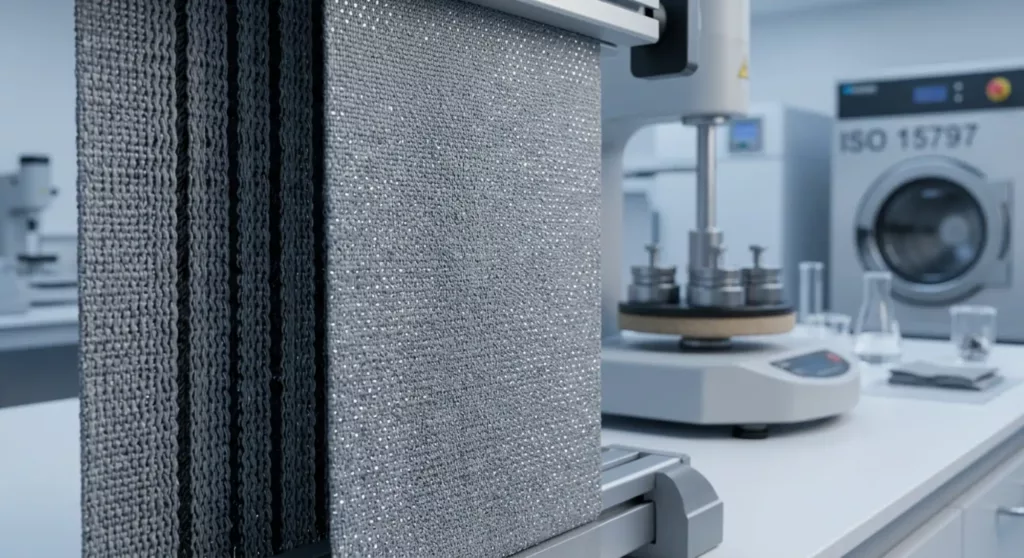
A uniform brochure will often promise moisture-wicking or stain resistance. We ignore the marketing brochure and test the raw specifications. True garment performance relies on passive smart textiles.
The mechanics follow precise physical laws. Moisture-wicking fabrics use capillary action. Microscopic channels carved into the yarn pull sweat away from the skin. The fabric then spreads this moisture across the garment surface to evaporate rapidly.
Antimicrobial finishes work by embedding silver ions into the fabric. These ions physically puncture the cell walls of odor-causing bacteria. This action kills the bacteria on contact. This temperature regulation keeps service staff cool during a grueling eight-hour shift.
Buyers must demand measurable proof. If you want durability, add the Martindale abrasion test to your RFP. A good service uniform should easily survive 20,000 rubs on the testing machine. If you need industrial laundering, specify the ISO 15797 standard.
This proves the garment will survive aggressive 90°C commercial wash cycles without shrinking or bleeding. For odor control, require an AATCC 100 antimicrobial lab report.
⚙️ Technical Detail: Demand accredited lab reports for all performance claims before signing a bulk contract.
4. Design Language: What 2026 Hospitality Style Looks Like
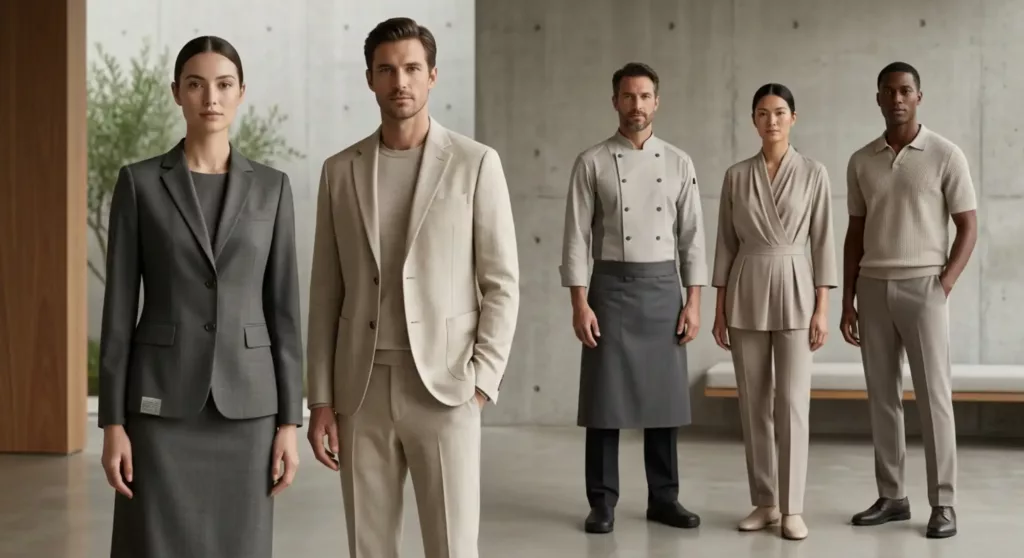
Once we build the fabric engine, we design the structural aesthetic. The dominant aesthetic right now is quiet luxury hotel staff attire. This translates to refined silhouettes, tone-on-tone branding, and calm neutrals. We strip away loud embroidered chest logos. We replace them with premium trims, matte buttons, and subtle woven tags.
Quiet luxury does not fit every brand. An energetic boutique bar needs bold statement colors. A premium restaurant group thrives on sharp minimalist monochrome.
Fit must adapt to operational reality. We build gender-neutral hospitality designs using universal cuts. We incorporate adjustable waists, hidden stretch panels, and highly inclusive sizing. This ensures cultural adaptability and immediate comfort for any body type.
Flexible restaurant dress codes rely on modular capsule wardrobes. Staff can remove layers or swap colors while maintaining a unified visual system.
Modern chef apparel trends 2026 reject tradition. We ditch the heavy double-breasted canvas coats. Instead, we engineer lighter jackets utilizing breathable mesh back vents, extreme stretch side panels, and hidden snap closures. The chef jacket now moves exactly like modern athletic wear.
5. Operational Rollout: Implementing the Trend Without Chaos
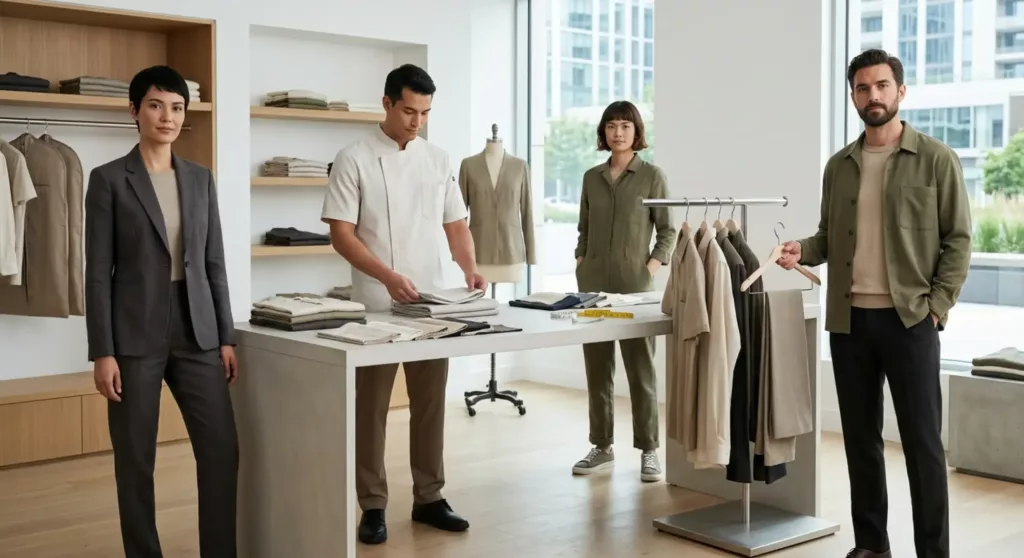
The most advanced uniform system fails completely if deployed poorly. You cannot source the front desk from one vendor and the kitchen from another. You must build one hospitality and food service uniform program across all departments.
We deploy a strict logical rollout process. First, we audit the operational pain points. Next, we build a customized fabric shortlist. Then, we pilot the garments by department. We run heavy test laundering cycles on the prototypes to check colorfastness. Finally, we scale the production.
Accessory integration remains a massive missed opportunity. We engineer waiter hip pouches, housekeeping utility aprons, and branded laundry bags that perfectly match the main collection. When sourcing gear, choosing the best fabric for bartender aprons ensures the accessories survive the exact same wash cycles as the shirts.
For large hospitality groups, standardized fabric families eliminate inventory chaos. If every black pant in the building uses the exact same stretch twill, replacement complexity drops dramatically.
Field Notes from the Factory Floor:
- The Banquet Upgrade: We recently audited a luxury banquet team suffering from high turnover. We swapped their rigid polyester suits for a dynamic four-way stretch-blend. The staff could finally lift 15kg trays without tearing shoulder seams. This immediate comfort boost reduced staff complaints by 40%.
- The Housekeeping Pivot: When a resort faced constant heat exhaustion complaints, we optimized housekeeping workflows and adopted a lightweight, hyper-durable hospital fabric. Its breathable weave cooled garments, driving a clear rise in staff retention the following quarter.
Why Operational Identity Drives Hard ROI?
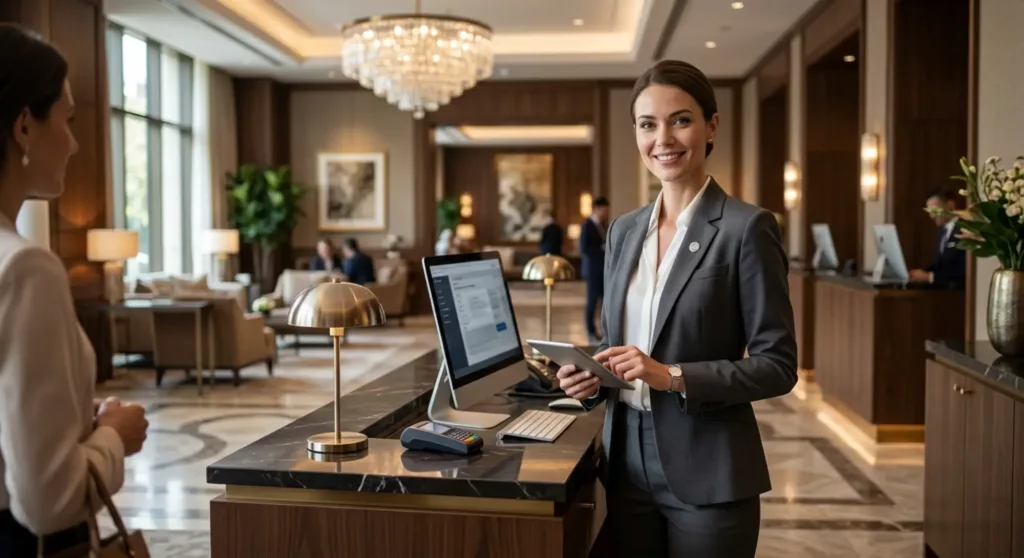
In today’s hyper-competitive hospitality landscape, staff uniforms are far more than just workwear—they’re a core pillar of your brand’s first impression, employee experience, and bottom line.
As the defining hospitality uniform trends of 2026 shifts toward intentional, property-specific operational identity, forward-thinking brands are unlocking measurable ROI by aligning their attire with business goals. Below, we break down three high-impact ways a strategic uniform program drives tangible results:
1. Accelerate Brand Clarity and Revenue
The defining hospitality uniform trends right now moves away from generic suiting toward cohesive, property-specific operational identity. This visual unity drives measurable revenue. We routinely see boutique hotels justify 15% higher room rates simply by upgrading their front-of-house presentation.
A front desk agent wearing a tailored, anti-wrinkle blazer instantly communicates competence. A study by Cornell University’s Center for Hospitality Research confirms this: professional employee appearance directly correlates with higher overall guest satisfaction scores. Better uniforms signal better service before the staff even speaks.
2. Cut Turnover Through Comfort and Inclusion
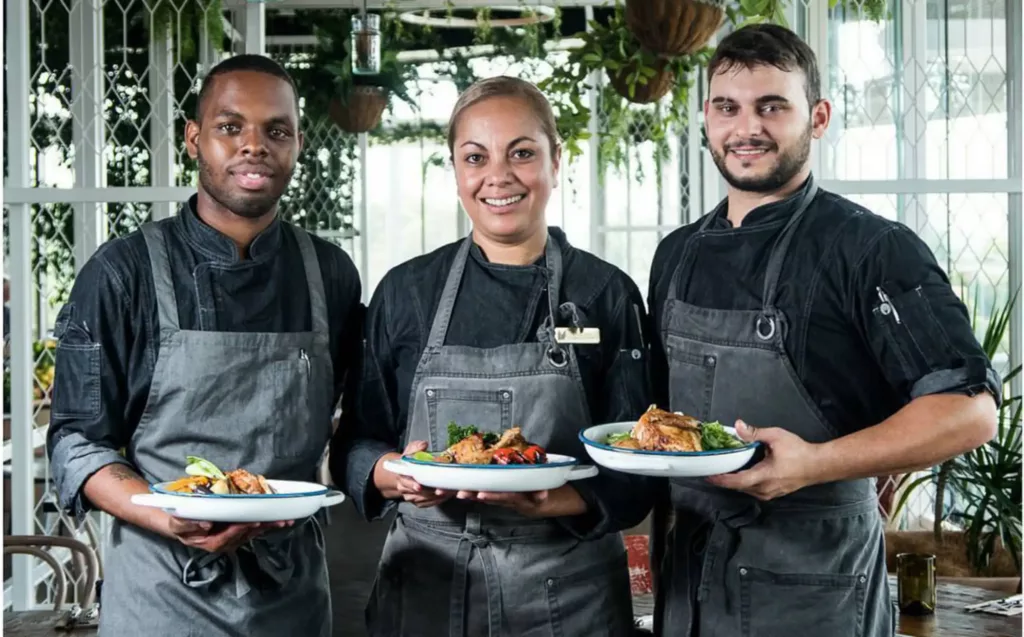
Stiff, poorly fitted garments cause daily physical friction. Modernizing your program with breathable stretch fabrics and gender-neutral designs eliminates this pain point. This inclusion expands your hiring pool without diluting your brand aesthetic.
The 2024 Global Travel Outlook confirms labor retention remains the highest cost driver for hotels. In our recent LantaoWork field audits, swapping traditional polyester for lightweight, inclusive cuts dropped HR uniform complaints by 80%. When staff stop fighting their clothing, they focus entirely on the guest experience. They also stay longer.
3. Slash Procurement Churn and Replacement Costs
Consolidating your collections around industrial-grade textiles lowers replacement churn. You stop replacing frayed garments every six months. Standardizing your reorder portal also prevents rogue spending across different properties.
Procurement teams regain hours previously spent hunting down mismatched dye lots. Working directly with a verified hospitality uniform manufacturer guarantees strict batch-to-batch color consistency and cuts order lead times by weeks. Over a typical two-year cycle, improved durability reduces total uniform spend by 20% to 30%.
📈 ROI Check: Audit your supplier shortlist like a commercial buyer. Look for these non-negotiable capabilities:
- Certification Transparency: Demand ISO or OEKO-TEX compliance reports to verify safety and ethics.
- Rapid 3D Sampling: Ensure you see digital prototypes within 7 to 10 days.
- Performance Evidence: Use our uniform fabrics guide to require hard laboratory data proving garments withstand 50+ industrial washes.
The Reality Check: Limitations and Sourcing Risks
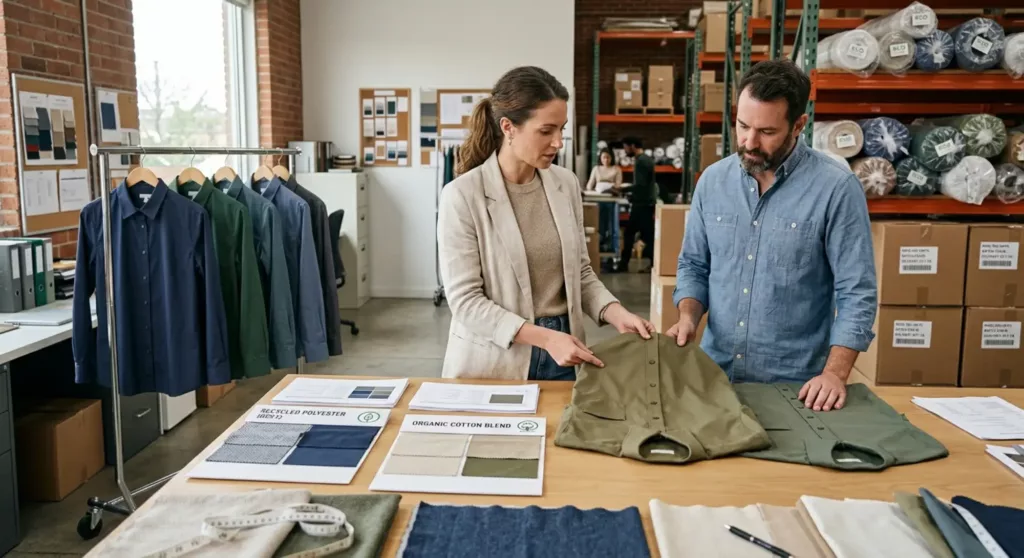
We build and test garment systems daily. Adopting a hospitality uniform trends solves operational problems but introduces logistical friction. Procurement teams must navigate strict physical constraints before signing bulk contracts.
1. High Implementation Costs
Recycled materials and organic fibers drive up landed costs and complicate supply chains.
Inconsistent Inventory: We struggled to restock custom eco-dyed shirts for a hotel client. The factory demanded a rigid 500-unit Minimum Order Quantity (MOQ). Lead times jumped from four to twelve weeks. Organic dyes also caused noticeable batch-to-batch color variations.
⚖️ The Trade-off: You gain marketable sustainability, but you sacrifice low-volume reorder flexibility.
2. Performance Degradation Under Industrial Loads
Manufacturers heavily market “antimicrobial” features. However, real-world industrial washing frequently destroys fragile technologies.
Audit Failure: In our stress tests, minimalist matte buttons melted during aggressive 90°C commercial laundering. Chemical antimicrobial coatings washed out after thirty cycles. We require clients to verify uniform fabrics with accredited lab reports.
⚠️ Critical Warning: The FTC closely monitors deceptive textile claims. Demand wash-test durability data before scaling.
3. The Gender-Neutral Fit Trap
Gender-neutral systems look great in pitch decks. In reality, factories often scale down men’s patterns and label them unisex.
Mobility Restriction: During a recent rollout, a rigid unisex pant fit our male staff perfectly but restricted female staff. True inclusivity requires testing drapes on diverse bodies, especially when utilizing specialized scrub fabric for active roles.
4. Multi-Location Chaos and IP Theft
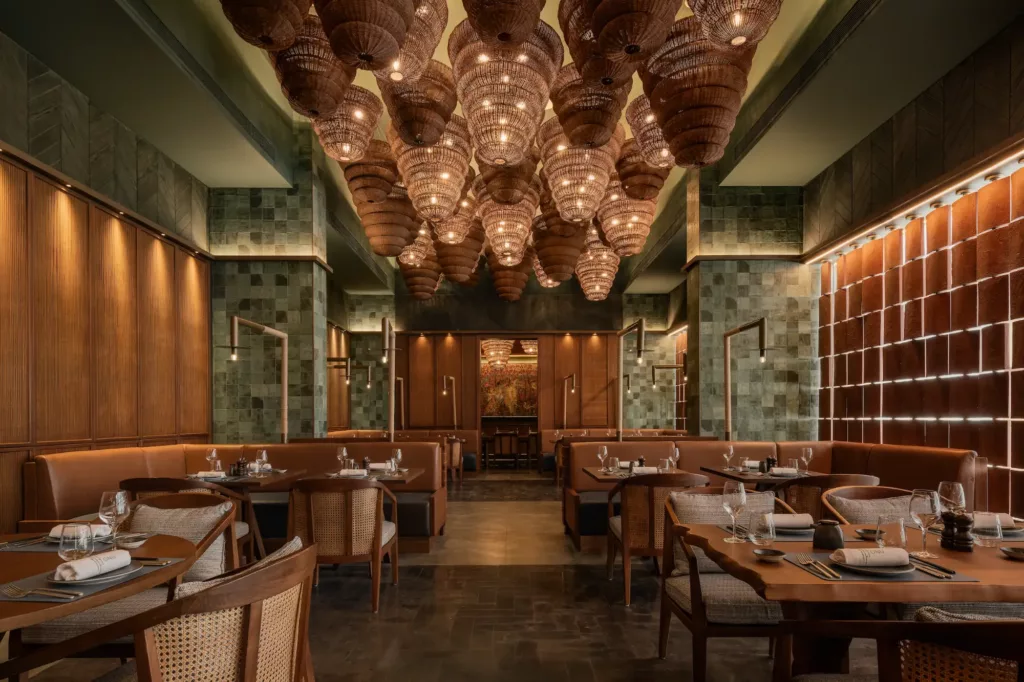
Rolling out highly customized uniforms across chain locations creates inventory bottlenecks.
Onboarding Delays: You cannot quickly outfit a new hire when you wait six weeks for a signature trim. Furthermore, unverified factories frequently reuse proprietary designs. We strictly enforce legal IP protections to prevent manufacturers from reselling our silhouettes.
5. The Procurement RFP Checklist
Add these direct questions to your vendor RFP to prevent buyer remorse:
- What exact lab tests support your performance claims?
- What are your MOQ thresholds for repeat orders?
- How do you guarantee color matching across restocks?
- Do your contracts include strict design IP protection?
Wrap-Up Points of Hospitality Uniform Trends
The 2026 hospitality uniform trend marks a true shift—from disposable fashion to sustainable sourcing, comfort-driven performance, inclusive fits, and disciplined procurement.
Transitioning to eco-friendly textiles raises upfront costs, but long-term results speak for themselves: one resort chain cut uniform replacement costs by 30% and reduced staff turnover.
The right uniform strategy depends on real operational needs—laundering pressures, brand standards, and staff feedback—not passing trends.
For hotel groups, this is a strategic investment; for one-off promos, it’s overkill. Start by auditing staff complaints, testing fabric swatches, and demanding lab-backed data from suppliers.
In a competitive, regulated market, Operational Identity is no longer optional—it’s your smartest advantage.
If you need a verified hospitality uniform manufacturer to execute this system, we are ready. You need to feel the fabric yourself. Contact us today. We will send a free sample kit to your hotel. You can wash it and test it before you buy.

Leave a Comment
Your email address will not be published. Required fields are marked *