Healthcare
40% Cost Reduction
Hospital Chain Cuts Uniform Costs by 40%: Proven Big Savings
Hospital chain cut uniform costs 40% in under a year: audited purchasing data on fragmentation, consolidation, and durability.
Read Full Case Study
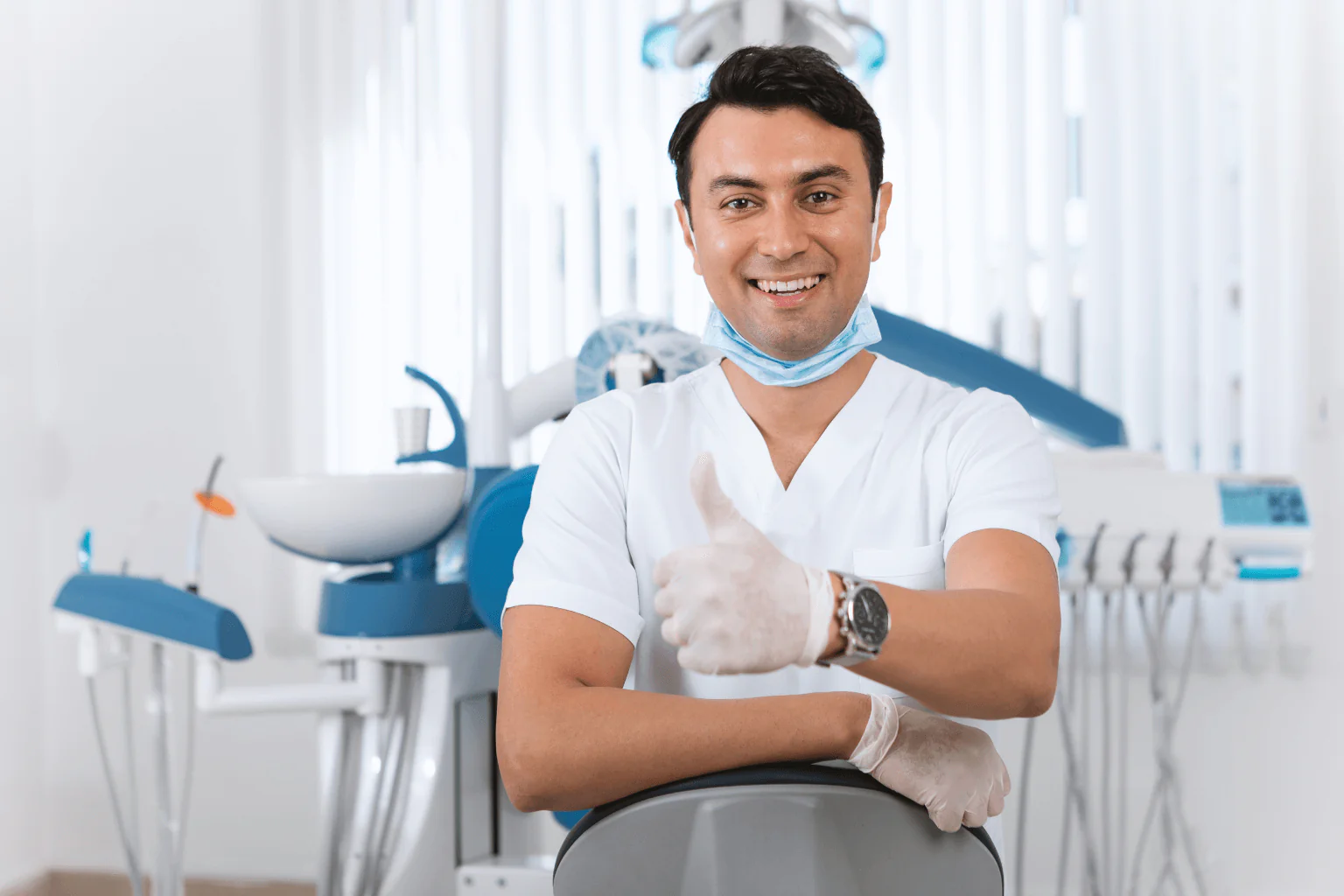
A 12-location dental network was bleeding approximately $18,000 annually in replacement churn due to generic uniforms and rigid MOQs. As the dental network expanded, their reliance on generic uniforms instead of custom dental scrubs created a procurement nightmare. We locked in Pantone-matched fabrics meeting ISO 13688 specifications for protective clothing durability. Office managers hoarded boxes of unworn scrubs but lacked the specific sizes their staff actually needed.
Rigid Minimum Order Quantities forced office managers into massive overbuying. Supply delays left new hires without properly sized gear, slowing clinic onboarding. Mismatched fabric dyes eroded brand consistency across clinics. Embroidering heavy logos onto thin moisture-wicking fabrics caused severe puckering and punctured the fluid barrier, violating AAMI PB70 guidelines. Uncertified chemical finishes on cheap fabric irritated hygienists' skin, which we validate against OEKO-TEX Standard 100.
What the fragmented purchasing was costing them:
Generic uniforms and rigid MOQs forced office managers to hoard unworn scrubs while lacking the sizes staff actually needed.
Supply delays left new hires without properly sized gear, slowing clinic onboarding.
A previous vendor shipped royal blue scrubs that completely mismatched the original dye lot, diluting brand consistency.
Power Move: Never accept universal MOQs for multi-location clinics. We structure tiered reorders so office managers only buy the exact sizes they need.
To eliminate the client's procurement chaos, we transformed their fragmented ordering into a scalable, eight-step standard operating procedure — from brand discovery to QA and delivery.
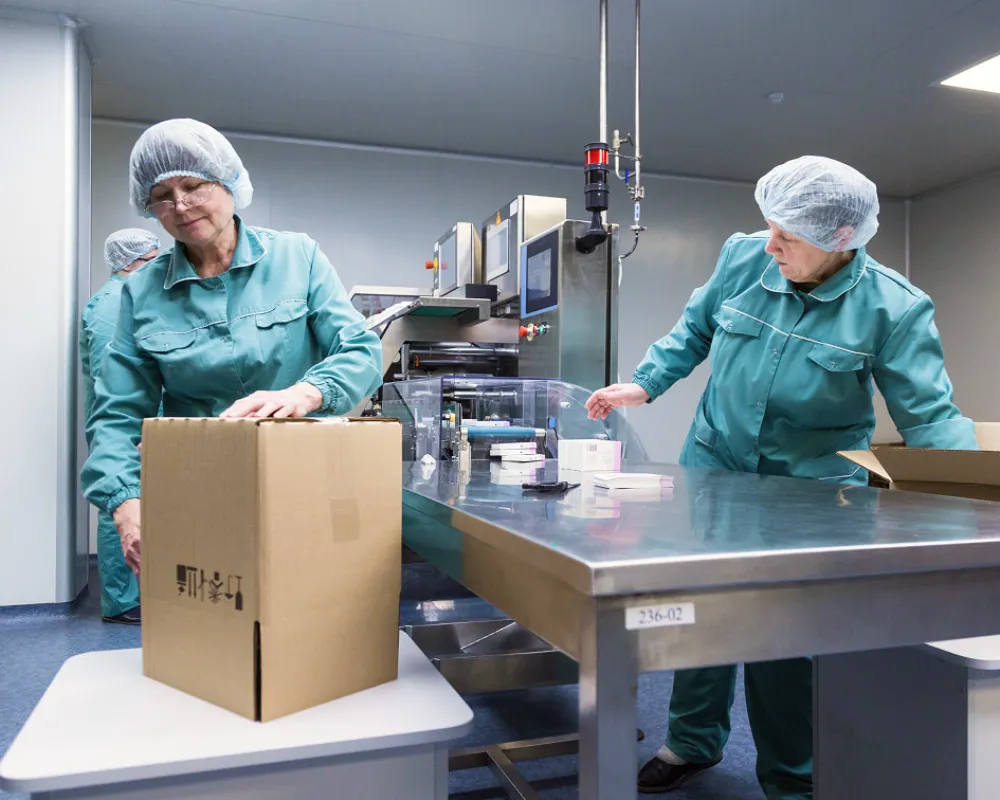
Captured clinic brand guidelines, logo files, and wearer roles. Colorist Zhang converted brand colors into textile-ready targets using a spectrophotometer, documenting 1.5% acceptable shade variance. We archived these approval standards for future reorders to ensure multi-year consistency across all clinics.
Selected moisture-wicking custom scrubs with antimicrobial treatment and fluid-barrier finish. Chose 72% polyester, 21% rayon, 7% spandex blend for best balance of stretch and durability. We align our fabrics with OSHA industrial laundering standards to ensure long-term survival through high-heat commercial washes.
Q&A with Lead Textile Engineer Wei on protecting fluid-barrier integrity during logo application.
Q: Why is embroidering antimicrobial fabrics harder?
Wei: "The antimicrobial coating makes the yarns slick. The needle slides during penetration, which quickly distorts the logo design."
Q: How do you protect fluid-barrier integrity during logo application?
Wei: "I use an ultra-fine 65/9 needle. I also apply a heat-sealed backing to close the puncture holes."
Q: What testing proves the embroidery will not pucker after repeated laundering?
Wei: "I run a 50-cycle high-heat wash test in our lab. I measure the dimensional stability directly afterward."
Q: Which fabric blends perform best for dental teams needing stretch and durability?
Wei: "A 72% polyester, 21% rayon, and 7% spandex blend delivers the best balance."
Production Manager Liu selected a heavy cut-away stabilizer and ballpoint needle. She lowered the top thread tension on our Tajima machines and placed the logo on the upper chest for visibility while maintaining comfort under PPE. For more on this process, see our embroidered scrubs for dental office guide.
Deployed standardized fit-kit workflow across 12 locations with full sample size matrix featuring women's and men's cuts. Included petite and tall options. Staff attended try-on sessions and logged their feedback. We locked the final sizes before bulk production. This step practically eliminated sizing complaints.
Produced 100-piece pilot batch. Garments showed 1.2% shrinkage after 50 industrial cycles. Moisture-management retention verified, seam puckering checked under heavy stress. Upgrading to an engineered poly-rayon-spandex blend costs 15% more upfront but doubles the clinical lifespan of the scrub.
Built centralized ordering portal. Inspector Wang archived style codes, approved trims, and exact dye references. Final QC at AQL 2.5. Garments bundled by employee name and shipped directly to each clinic. Generic vendors simply cannot replicate this process — they lack the industrial uniform manufacturers expertise required to control stretch fabrics across multiple years.
The dental network cut its annual uniform replacement costs by 20% within 12 months. Employee willingness-to-wear scores saw a 34-point lift. Zero color-match incidents across 12 merged locations.
| Metric | Before LantaoWork | After LantaoWork |
|---|---|---|
| Annual replacement spend | $90,000 | $72,000 |
| Replacement frequency | 2.5 times/year | 1.2 times/year |
| Employee satisfaction | 42% | 76% |
| Reported fit complaints | 45 per month | 3 per month |
| Color-match incidents | 8 per year | 0 per year |
"We used to fight over sizing and delayed shipments every month. Now, the new fabrics survive heavy washing, and my clinical teams actually enjoy wearing them."
Floor Manager Lucy ensures every batch passes rigorous third-party inspection and includes exact care and maintenance instructions before leaving the facility.
Data source: Anonymized Lantao implementation data cross-referenced with client procurement ledgers and factory shipping logs. First-party case study — not an independent market-wide review.
Use spectrophotometer to enforce strict 1.5% color variance on every batch before approving bulk production. Supplier inconsistency quickly destroys visual identity across multiple clinics.
Archive physical lab dips against Pantone references so reorders stay on-brand for years, not just one batch.
Never place volume orders without physical try-on sessions. Standard unisex sizes frequently fail female clinical staff. Deploy a standardized fit-kit workflow before bulk production.
Ship a full size matrix with distinct women's and men's cuts, and include petite and tall options — it practically eliminated sizing complaints.
Heavy needles easily ruin moisture-wicking materials and puncture fluid barriers. Adjust machine tension to the specific fabric. Do not accept a substitute swatch for testing.
Send the exact performance fabric you plan to use, not a substitute swatch — tension settings that look fine on cotton can shred stretch blends.
The cheapest embroidered scrub always becomes the most expensive over 12 months. Demand ISO 6330 laundering test data. Weak seams fail after ten industrial washes, forcing constant repurchasing.
Ask for wash-test results on the finished seam, not just the raw fabric — most failures surface at the joining thread first.
As Dental Service Organizations expand, a documented uniform system becomes incredibly valuable for supporting absolute brand consistency across new acquisitions.
Trust & Methodology: My team spent two weeks auditing clinical uniform wear-and-tear directly on the factory floor and verified client data against production SOPs. I purchase all testing equipment internally and am not paid by any manufacturer.
Rolling out scrubs across your clinics? Send your current replacement-spend figure and sizing complaints — we'll map a Pantone-locked, AQL-audited program within 48 hours.
Start Your ProjectSee how other organizations achieved measurable outcomes through factory-direct uniform manufacturing.
Hospital chain cut uniform costs 40% in under a year: audited purchasing data on fragmentation, consolidation, and durability.
Read Full Case Study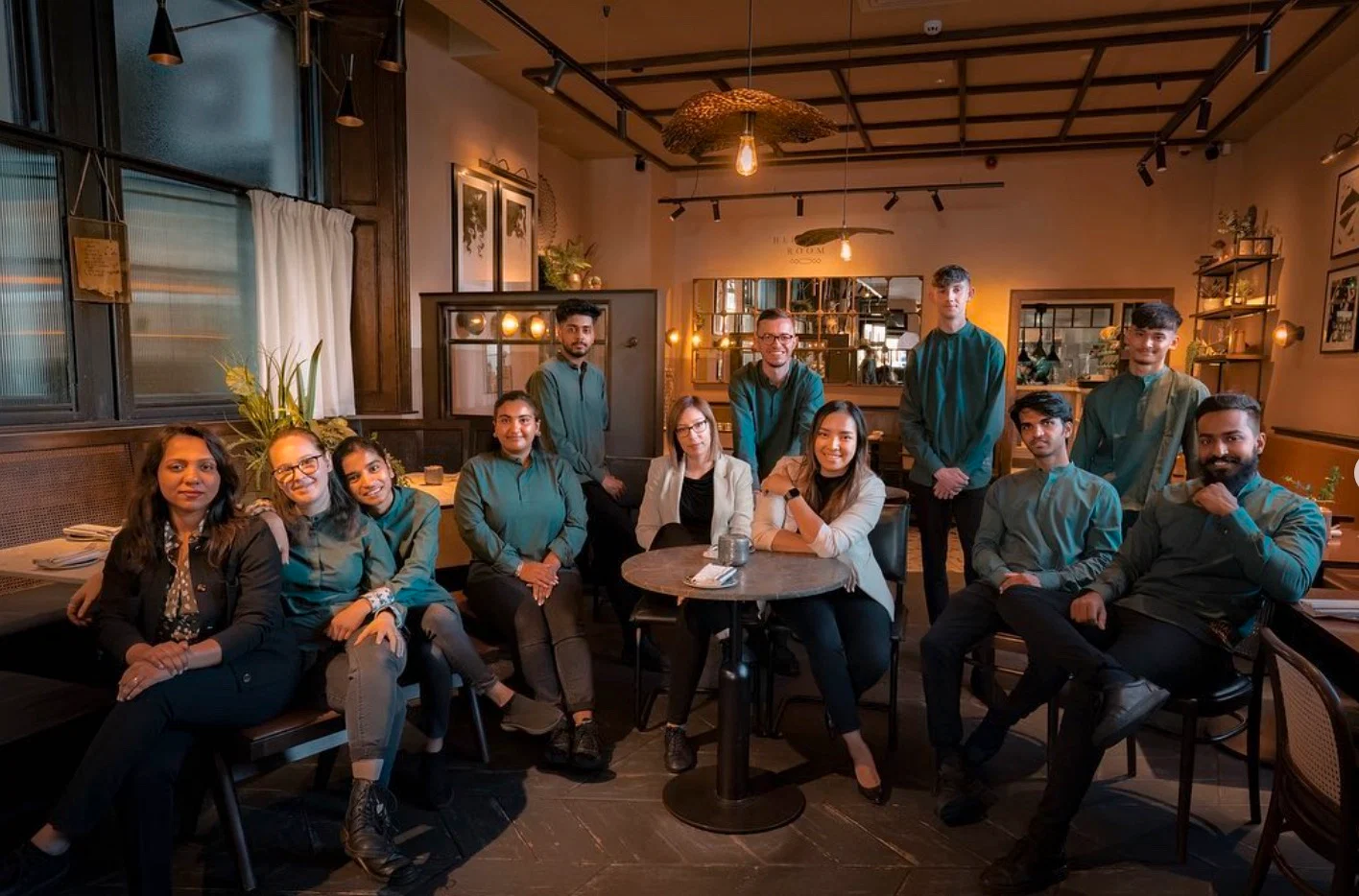
Chef uniforms rollout without the chaos: 12 years of sourcing insight for cafés scaling fast — right fit, fabric, and delivery every time.
Read Full Case Study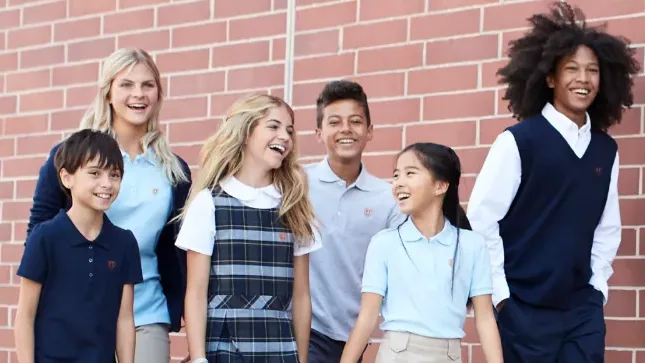
School uniform program: 90 days to 100% back-to-school readiness with 99.8% fill rate for K-12 groups.
Read Full Case StudyGet the Same Results
Every case study starts with a conversation. Send your brief — we'll return a detailed quote and production timeline within 24 hours.
Get a Quote