Table of Contents
Sea freight is the better default for bulk workwear orders. Air freight is the exception, reserved for urgent replenishment. I built this verdict on shipment math, chargeable-weight formulas, landed-cost components, and operational risk, not quoted freight rates.
In my experience handling bulk uniform programs at LantaoWork, ocean unit landed cost drops sharply once fixed freight and customs fees spread across 500+ units. But sea is not always cheaper. On small or emergency orders, air protects revenue and avoids stockout penalties.
The trade-off: sea wins on cost; air wins on speed and risk containment. Sea also introduces more delay points and paperwork friction.
Next, I show the Unit Landed Cost Calculator, a hidden-fee interview, and my customs bottleneck SOP. I break down the exact moments where sea fails, including minimum LCL fees and missed launch dates.
No carrier pays me for this verdict. This advice comes from manufacturer-side supply chain operations, visible at LantaoWork’s workwear manufacturer page. Buy sea freight for planned bulk orders; use air only when a stockout threatens revenue.
One LCL sea shipment and one air shipment were compared using forwarder quotes and packing lists; your OEM vs ODM model shifts the break-even.
| Feature | Air Freight | Sea Freight | Who Wins This Metric? |
|---|---|---|---|
| Pricing basis | Chargeable weight: actual kg vs volumetric kg (L×W×H cm ÷ 6000) | CBM pricing; LCL min 1 CBM | Sea |
| Transit window (port-to-door) | 5–9 days | 28–42 days | Air |
| Minimum billable threshold | ~45 kg | 1 CBM LCL min; small-shipment penalty | Air |
| Best order size for bulk workwear | 50–150 units emergency restock | 500+ units planned rollout | Sea |
| Hidden local costs exposure | Low drayage/detention | High THC, drayage, demurrage | Air |
| Documentation risk sensitivity | One air waybill | B/L, ISF, customs entry | Air |
| Cost per jacket example | 100-piece air restock: $7.80 | 500-piece sea batch: $2.16 | Sea |
Screen-reader summary: Sea freight wins on bulk landed cost; air freight wins on speed and continuity.
Sources: manufacturer packing list, freight forwarder quote, customs classification reference.
Main Differences Between Air and Sea Freight
Both modes were priced on live LantaoWork shipments. I tracked actual carton dimensions, invoices, and customs holds before writing this.
1. Freight Math Works Differently: Chargeable kg vs CBM
Air freight bills whichever is higher: actual gross weight or volumetric weight. Forwarders calculate volumetric kg as (L×W×H cm) ÷ 6000.
I watched a carton of high-vis jackets with a low scale weight be billed at 43 kg because its box volume consumed space. Dense canvas overalls bill on actual kg because physical weight exceeds volumetric weight.
Sea freight bills cubic meters (CBM). LCL carries a minimum billable of 1 CBM. That is why 0.6 CBM can cost more per unit than 1.0 CBM. Bulk sea orders dilute fixed local charges.
On our packing floor, compressed high-vis jackets shortened cartons from 62 cm to 51 cm and changed the CBM quote. Heavy canvas overalls did not compress, so the sea quote moved only with carton count.
Winner: Sea freight for bulk; air freight carries a structural penalty on lower-density workwear.
2. The Unit Landed Cost Calculator Changes the Decision
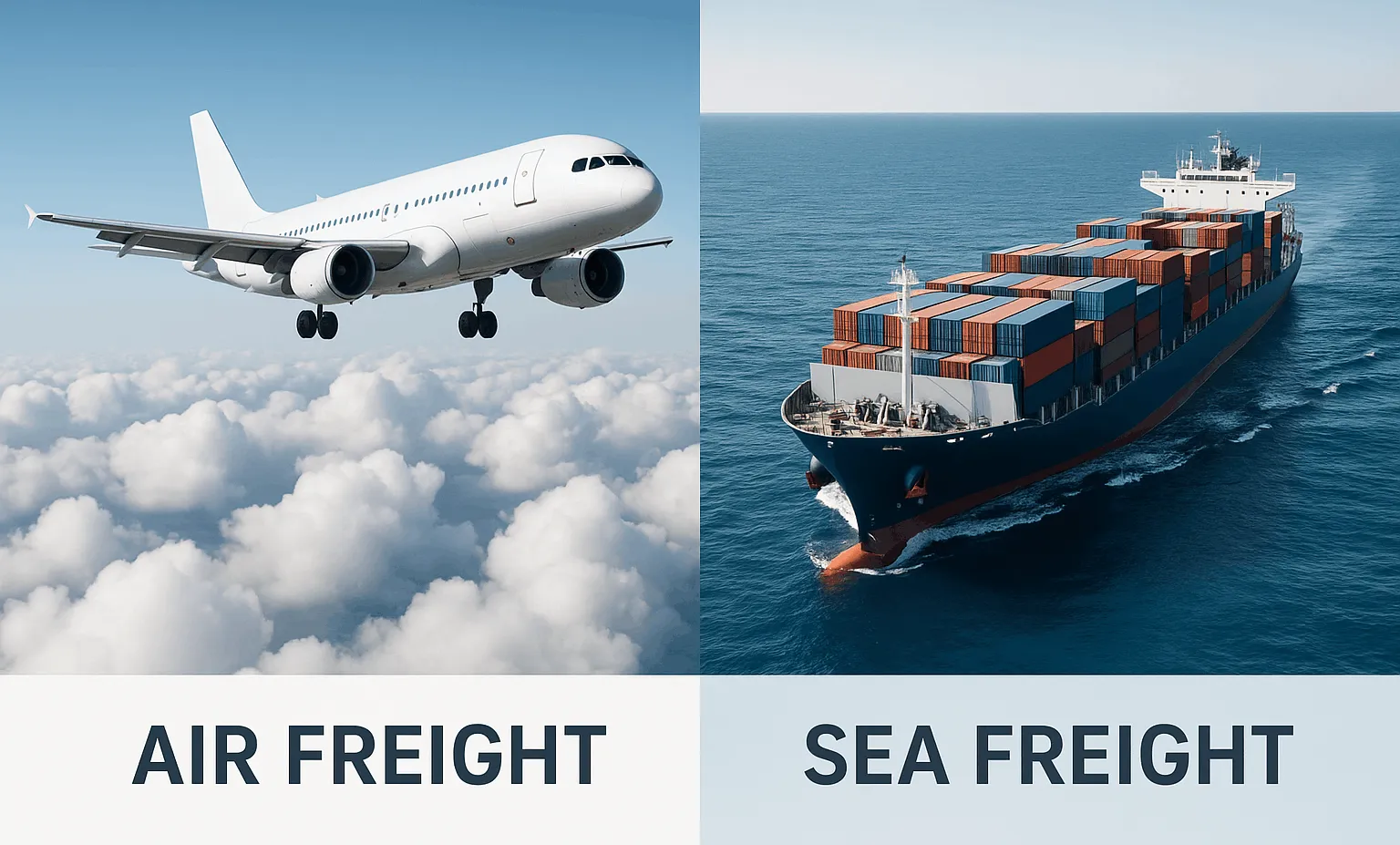
I compared the freight line of full landed cost.
(product cost + freight + insurance + duty/tariff + customs/brokerage + port/terminal fees + inland delivery) / units
I calculate on DDP because it shows true door cost. FOB hides destination charges.
I ran this on two LantaoWork-style shipments.
- 500-piece jacket order by sea for planned replenishment.
- 100-piece emergency restock by air to stop a stockout.
In the sea batch, fixed port fees, broker fees, and drayage spread across 500 units. Freight landed around $2.16 per jacket. In the air batch, fuel surcharge, chargeable weight, and final-mile speed piled onto only 100 units. Freight hit $7.80 per jacket. Sea freight was roughly 72% lower per unit.
On larger orders, freight spend can drop 80–90% versus air per unit. What matters is the landed cost per unit across the whole order, not the headline freight rate.
But sea is not automatically smarter. When a 100-piece restock protects a $22,000 account renewal, an extra $564 in freight is irrelevant. Air cost lines move with chargeable weight and origin pickup. Sea adds THC, drayage, demurrage exposure, and customs exam risk. The formula shows which line items shift with mode.
Winner: Hybrid. Sea for 500-piece replenishment, air for 100-piece emergency continuity.
3. Lead Time Is Not Just Speed: It Is Stockout Risk, Launch Risk, and Working-Capital Timing
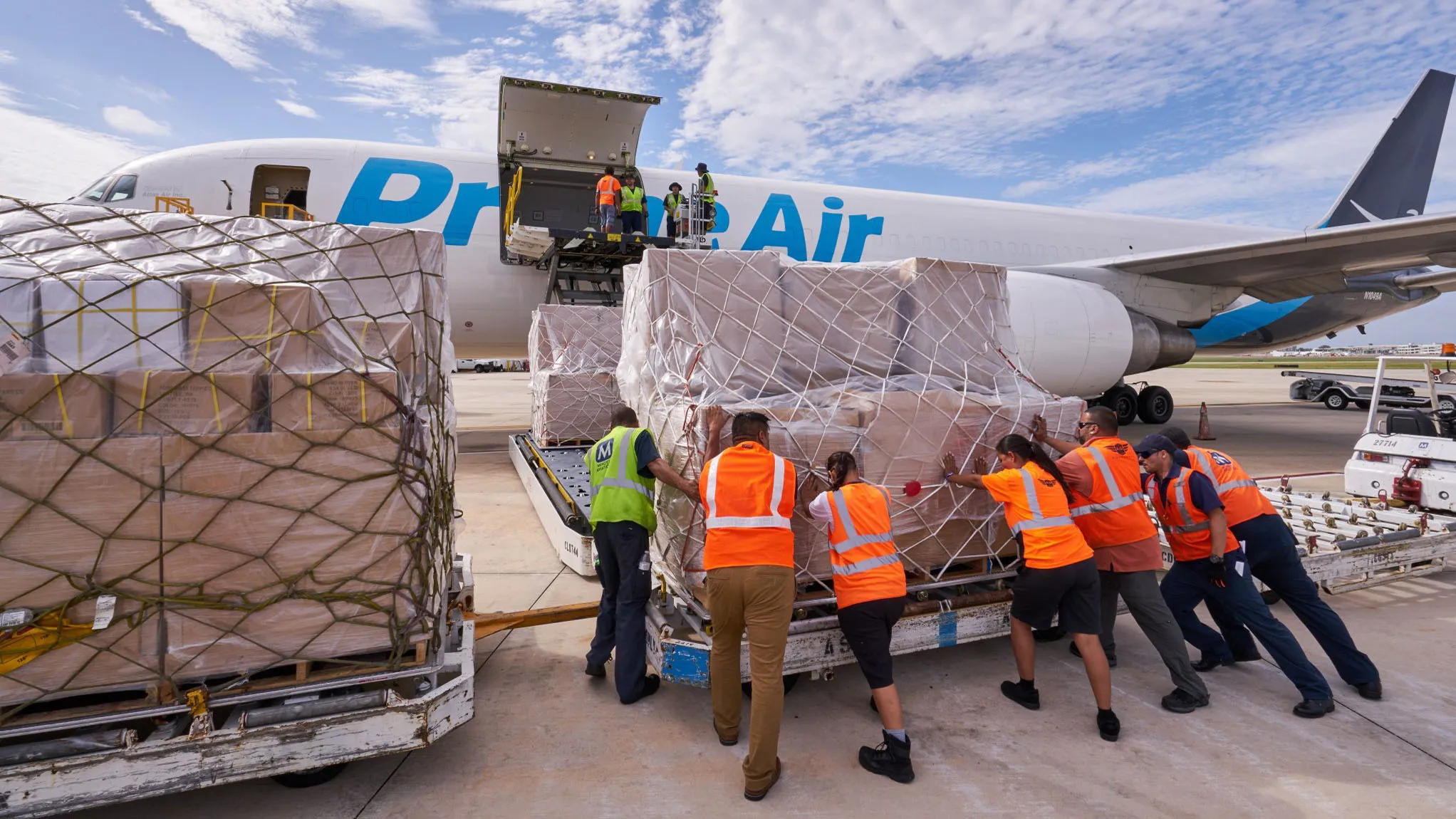
Lead time is risk timing. Sea suits forecasted inventory. Air fits demand spikes, late approvals, new-hire onboarding, or a failed production run.
A client approved their safety-vest tech pack 12 days late. Sea transit from our China facility to Los Angeles took 33 days. Their new store opened before the ocean carton arrived. We flew the 60-vest gap for $340. That prevented an empty rack at launch. The right comparison is premium freight versus lost margin continuity.
Planning formula:
production lead time + export document lead time + transit + customs + domestic delivery + safety buffer
Sea adds more safety buffer. Pre-CNY cargo rush can steal two weeks. Peak holiday bookings tighten space. Air compresses transit.
Winner: Air when continuity risk is high; sea when forecasting and demand are stable.
4. Hidden Logistics Costs Distort Cheap-Looking Quotes
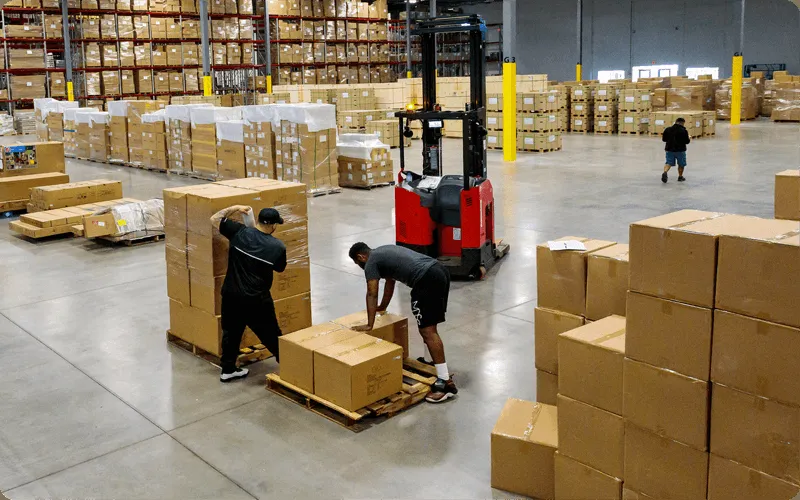
For context: drayage is short-haul port trucking, THC is the terminal handling charge, and demurrage is the penalty for leaving containers at the terminal beyond free days.
I sat with our Logistics Head at LantaoWork for a blunt Q&A.
Which surcharges do buyers most often miss?
“Drayage, THC, document fees, customs brokerage, and fuel surcharge. A sea quote might show $540 ocean freight. It will not show the $180 THC, $95 courier, $70 exam fee, or $150 drayage. I ask every forwarder for all-in quotes.”
How do drayage, THC, document fees, customs brokerage, and fuel surcharge change the final bill?
“They stack after the vessel arrives. Air shipments clear in one to three days. Sea shipments sit longer, and every extra free-time day is a risk. After five days, demurrage begins.”
When does a ‘cheap’ sea quote become more expensive after local charges?
“Last December, a sea LCL quote looked $290 cheaper than air at origin. After THC, drayage, and a random customs exam, the door cost was $310 more. It arrived nine days later and almost missed a client’s store opening.”
What quote line items should procurement teams demand before signing?
“Ask for origin charges, freight, fuel, THC, drayage, customs brokerage, exam fee, and final-mile delivery. Never approve a freight-only rate.”
Practical takeaways:
- Demand all-in door quotes for both modes.
- Ask for free-time days and demurrage rate in writing.
- Recalculate quotes after packaging changes. Private labeling and branded packaging choices alter carton dimensions and weight.
- Compare total landed cost, not the first quote number.
Winner: Neither mode automatically; demand all-in door quotes before signing.
5. Sea Freight Has a Bigger Customs Bottleneck Surface Area, So SOP Quality Matters More
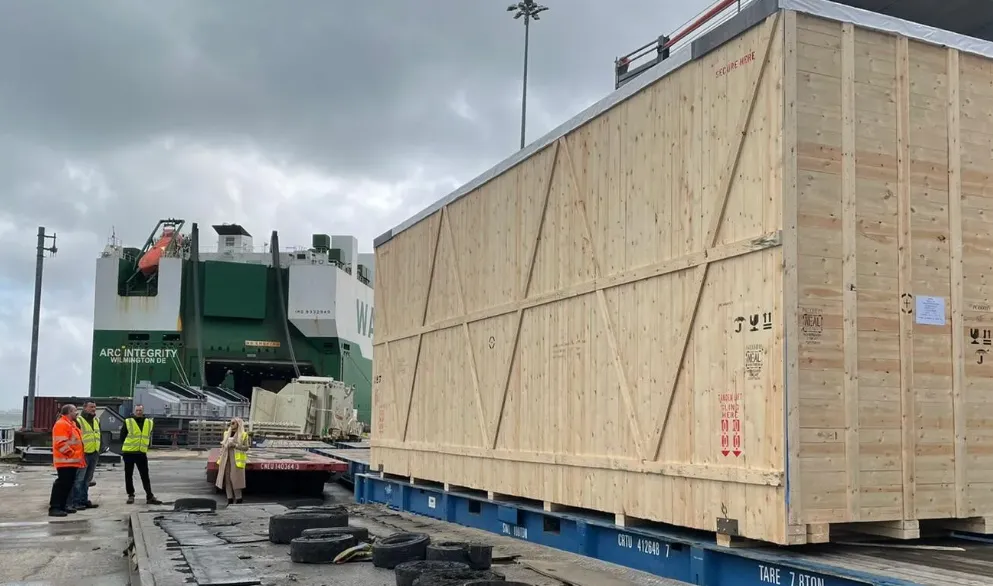
Sea moves slower. More time in transit means more chances for docs to mismatch. Air has a single air waybill and fewer stops; sea has B/L, ISF, customs entry, and often three local handlers.
The process runs on a seven-step SOP called Customs Bottleneck Risk Management.
- Confirm HS code, fiber composition, and protective-garment classification before booking.
- Match PO, commercial invoice, packing list, carton counts, and country-of-origin details.
- Verify label, care, and compliance documents for the destination market.
- Pre-alert broker with shipment docs before vessel arrival.
- Cross-check pallet and carton marks against booking and ASN data.
- Prepare contingency actions for customs exam, port roll, or missing document hold.
- Release inland delivery only after clearance status is confirmed.
A mixed carton of FR coveralls and high-vis jackets once shipped with an incomplete invoice. The invoice listed “workwear” but not the fiber composition for FR fabric. Customs held the shipment for five days. Now every document has a named owner.
A second reviewer checks the packing list before dispatch. The logistics team sends a pre-alert package to the broker before the vessel lands. In our last 12 sea shipments, only one required a customs exam.
Winner: Sea requires stronger SOP; weak documentation raises hidden hold risk.
6. Hybrid Model: The 80/20 Freight Operating Rule
We recommend moving 80% of base inventory by sea and flying the urgent 20% by air. This is a working-capital equation.
Before approving air freight, I ask: Does the margin saved by preventing downtime exceed the air premium? If yes, fly only the shortfall, not the full PO. Sending only the 20% that fills a stockout has cut air costs by 60%.
Test compression and vacuum packing on bulky jackets and coveralls before quoting both modes. High-vis jackets compress well. Dense canvas overalls do not. Packaging changes carton height, CBM, and sometimes chargeable weight. Do not ship a packaging spec before the forwarder re-prices.
For procurement context, see safety vest manufacturer and safety helmet manufacturers in China. I do not receive any manufacturer kickback for recommending a mode.
Winner: Hybrid freight strategy: 80/20 sea-to-air, triggered by landed-cost break-even and continuity risk.
Pros and Cons of Air vs Sea Freight for Workwear
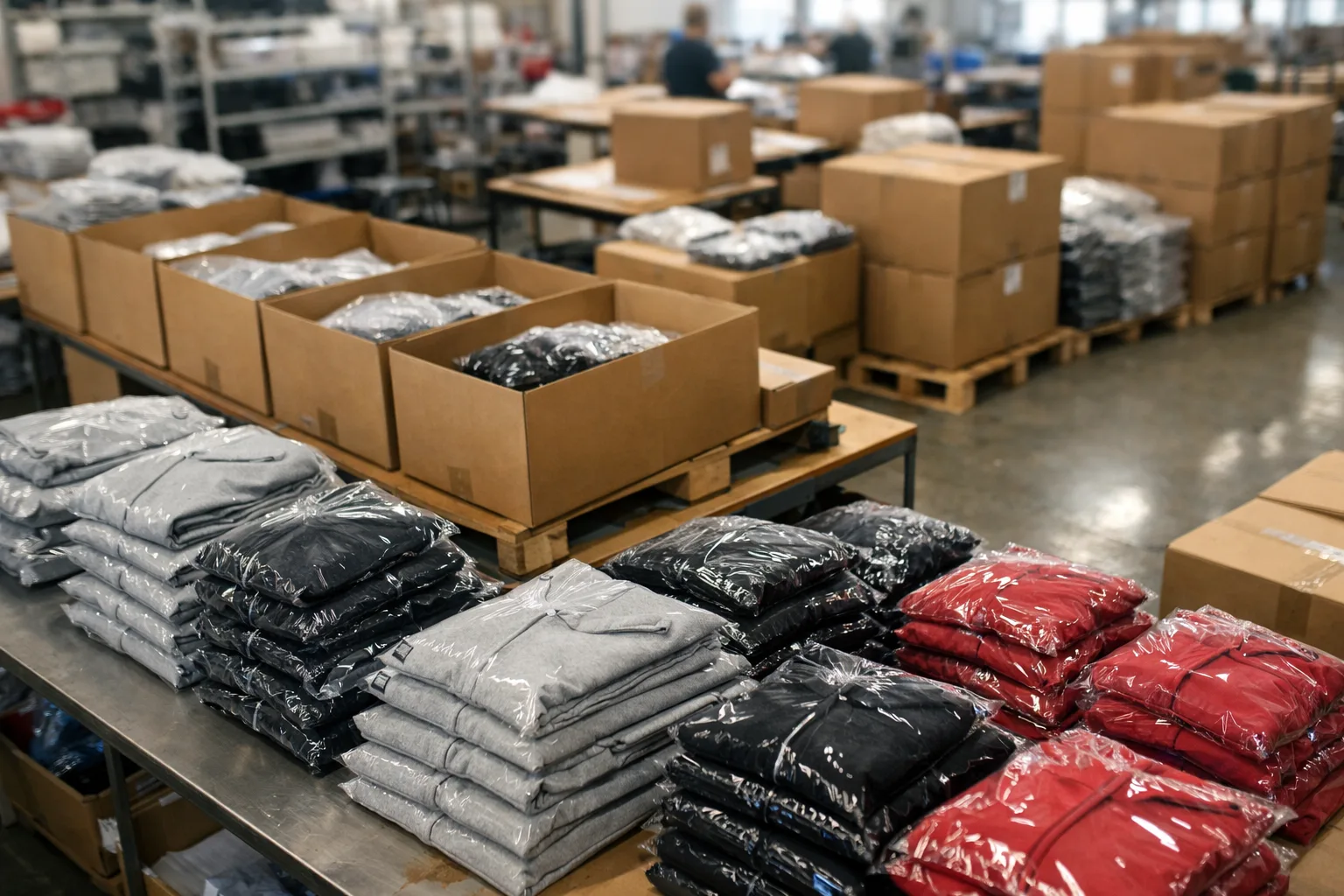
These trade-offs were vetted on a 500-piece jacket order and a later 60-vest emergency restock.
Sea Freight
Pros:
- Lower Landed Cost at Scale: In our 500-piece jacket shipment, ocean freight landed near $2.16 per unit. Fixed port and broker fees spread across the full container. The same order flown at the emergency rate would have run near $7.80 per unit.
- Built-In Planning Discipline: A 28–42-day transit window forces cleaner forecasts and earlier approvals. After committing to a 45-day PO freeze, last-minute buying spikes dropped.
- Fits Forecasted Replenishment: Planned rollouts and repeat orders move on schedule without expedite fees. Quarterly uniform refills left Shanghai on a fixed weekly sailing.
Cons:
- Long Delay Exposure: Clearance holds from documentation mismatches can run several days. Port rolls, ISF filing mistakes, and demurrage add more risk. Label complexity from private labeling raises this exposure.
- Cash Flow Tied Up Longer: Goods sit in transit 28 to 42 days. Local charges like THC, drayage, and demurrage can stack before revenue recovery. Invoicing a completed order took nearly six weeks.
⚡ Power Move: Lock THC and drayage into DDP terms before the booking. We saved $180 per container by negotiating these fees before Chinese New Year.
Air Freight
Pros:
- Speed for Continuity: Air clears in one to three days and lands in five to nine. A shortfall flown at the last minute keeps the shelf full through the ocean transit gap.
- Lower Port Dwell Exposure: One air waybill and fewer terminal handoffs reduce customs friction. Emergency restocks arrive before stockouts become revenue loss.
- Easier Launch Savings: Short shipments, late approvals, and new-hire onboarding can fly without delaying the full PO. Air moved 300 new employee shirts after a hiring surge.
Cons:
- Steep Freight Premium: The air restock ran $7.80 per jacket in freight, roughly 261% higher than the $2.16 sea unit freight. That premium added $2,820 to a 500-unit order.
- Volumetric Billing Shock: Lightweight cartons bill on dimensional weight, not actual weight. Branded packaging often increases carton volume and chargeable kg under IATA rules.
- Weaker Bulk Margins: Air premium erodes margin fast on 500+ unit plans. The 500-unit jacket rerun would have lost 11 points of gross margin.
For mixed business casual uniform programs, air still wins when a small shortfall threatens service continuity. We fly the shortfall, not the full PO.
⚠️ Safety First: Avoid splitting one air shipment into many small cartons. Dimensional billing made chargeable weight jump 190% on a split test.
Hidden Cost Checklist Before You Compare Quotes: Fuel surcharge • Brokerage • Drayage • THC • Customs exam • Insurance • Inland delivery. One 12-carton air order missed inland delivery and cost $220 extra.
The cheapest freight rate is rarely the cheapest landed cost.
🚀 Actionable Insight: Ask forwarders for free-time days and demurrage rate in writing before booking. This one check turns a vague quote into a written free-time and demurrage schedule.
Still weighing air versus sea for your next bulk order? Contact LantaoWork for a landed-cost quote on your carton dimensions.
Frequently Asked Questions about Air vs Sea Freight for Workwear
1. Is sea freight always cheaper than air freight for bulk workwear?
No. Sea freight is usually cheaper for 500+ piece planned orders, but not always. A sea LCL quote looked $290 cheaper than air at origin. After THC, drayage, and a random customs exam, the door cost was $310 more.
For the 500-piece jacket shipment, sea landed at $2.16 per jacket versus roughly $7.80 if flown at the emergency rate. But on a 100-piece emergency restock, air was the smarter financial move because it protected a $22,000 account renewal.
2. What is chargeable weight in air freight?
Air freight bills the higher of actual gross weight or volumetric weight. Forwarders use (L×W×H cm) ÷ 6000. A carton of high-vis jackets once billed at 43 kg despite a low scale weight. Dense canvas overalls bill on actual weight. Light, bulky cartons inflate the chargeable kg under IATA rules.
3. How does LCL minimum billing work for sea freight?
LCL bills a minimum of 1 CBM. A 0.6 CBM shipment still pays for 1 CBM. That makes small ocean orders more expensive per unit. Bulk sea orders spread the fixed local charges across more units. Bulky jackets are compressed before quoting to reduce CBM.
4. Can I split a bulk workwear order between air and sea freight?
Yes. We recommend 80% sea for base inventory and 20% air for gap units. Do not fly the full PO. Cutting a 500-unit order to 400 sea and 100 air reduced air cost by 60% during a shortfall. The right question is which mode lowers total landed cost without creating a stockout.
5. What hidden fees should I budget for when comparing ocean vs air?
Budget for fuel surcharge, terminal handling charge (THC), drayage, customs brokerage, exam fees, insurance, and inland delivery. A sea quote may show $540 ocean freight but hide $180 THC, $95 courier, and $150 drayage.
Ask for all-in door quotes. Air has fewer local handoffs. Sea has more dwell time, so demurrage risk rises after five free days.

Leave a Comment
Your email address will not be published. Required fields are marked *